
Apr 18, 2026
How to loosen a galvanized pipe union?
To loosen a galvanized pipe union, you need to put penetrating oil on the rusted threads and wait 15 to 30 minutes for it to soak in. Then, you need to use two pipe wrenches of the right sizes, one to hold the pipe body in place and the other to turn the union nut counterclockwise. For galvanized union 340 pipe fittings in particular, the cylindrical taper seat design needs to be torqued carefully so that the precision-machined metal-to-metal seal doesn't get damaged. When you heat the union nut with a gas torch (be careful not to shine the flame directly on the galvanized covering to protect yourself from zinc fumes), the metal expands, which often breaks corrosion bonds that are hard to break.
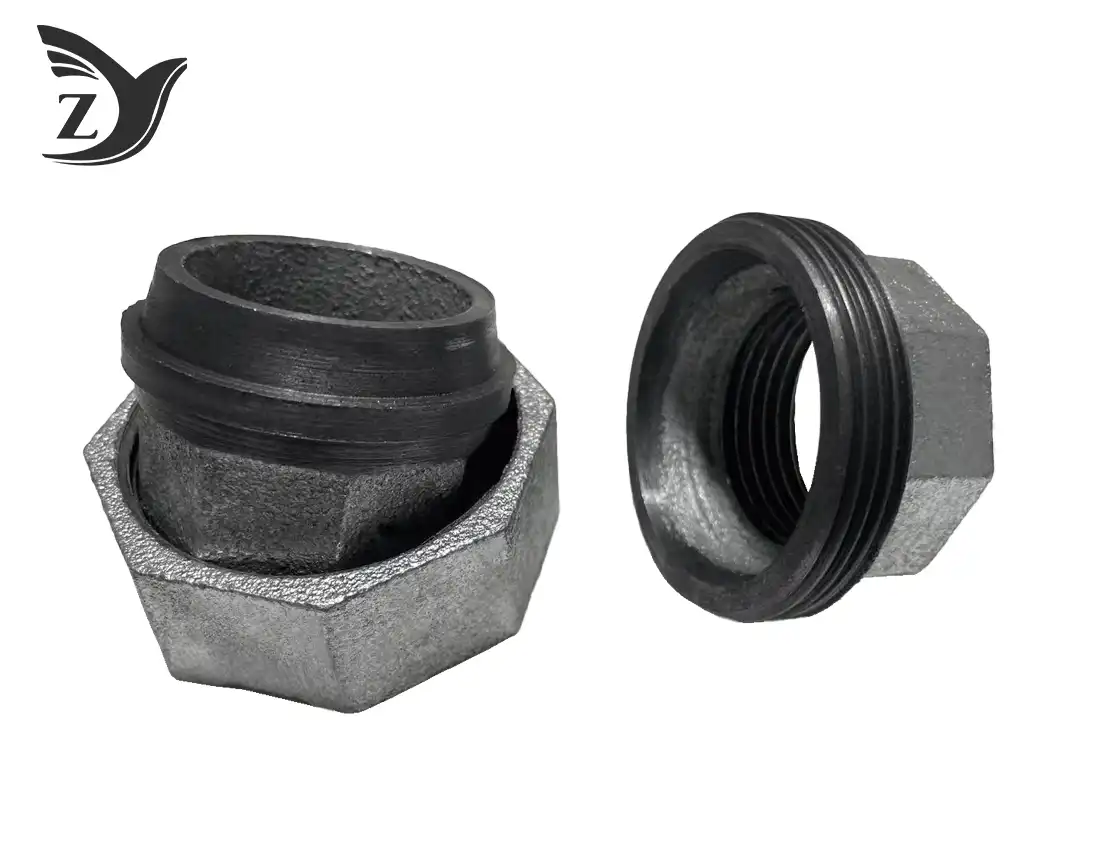
Understanding Galvanized Union 340 Pipe Fittings
Material Composition and Manufacturing Standards
galvanized union 340 pipe fittings are made up of three main parts that are all made from black heart malleable iron that meets ASTM A197 standards. The makeup of the material gives it a tensile strength of more than 300 MPa while still keeping the flexibility needed for precise drilling operations. Unlike gray cast iron alternatives, malleable iron doesn't break easily when hit, which is very important when techs use a lot of force to take something apart. As required by ASTM A153, the hot-dip galvanization process adds a zinc layer that is more than 70 microns thick. This creates cathodic protection that kills zinc molecules before the iron underneath oxidizes.
The number "340" tells you about the conical seat shape, which is where spherical-to-conical sides fit together when they are compressed. Unlike flat-seat designs (Figure 150) or brass-insert versions, this one is less likely to get out of alignment during fitting. ANSI/ASME B1.20.1 standards call for NPT threading to have a 1:16 taper ratio, while ISO 7-1 standards call for BSPT threading to have a 55-degree thread angle. The precision-threaded connection makes mechanical interference that gradually tightens, ensuring pressure integrity without relying on sealant solutions alone.
Typical Applications and Performance Parameters
These portable pipe joiners are used all over the process pipes in industrial water treatment plants where equipment needs to be easily taken apart every three months for inspections. They are used at the connections between boilers and circulation pumps in municipal heating systems, where yearly repair needs to get to internal parts. When installing fire sprinklers, unions are put in place before the control valves and backflow preventers. This lets code-compliant testing happen without having to shut down the whole system. The leak-proof metal-to-metal seal is useful for gas transport networks where elastomeric covers break down when exposed to hydrocarbons.
For standard wall thickness configurations, pressure ratings can reach Class 150 (300 psi at room temperature). For high-pressure steam and compressed air systems, Class 300 values are possible. Because it doesn't rust, it can last up to 25 to 30 years in drinkable water uses and 15 to 20 years in coastal areas with a lot of chloride exposure. Knowing these performance traits helps buying teams choose the right fits and plan for repair times when loosening procedures will need to be done. The detachable pipe link design that makes unions useful also causes the upkeep problem we're trying to solve—each time the union is taken apart, it might be harder to do the next job.
Why Loosening Galvanized Pipe Unions Can Be Difficult?
Corrosion Mechanisms and Galvanic Reactions
The zinc covering protects the iron below by slowly eating away at the galvanized layer through electrical sacrifice. When unions are put together for a long time in a damp place, white rust, which is made of zinc corrosion products, builds up in the thread gaps and holds the male and female parts together. When compared to flat-seat unions, the conical seat shape spreads contact pressure over a larger surface area. This makes the possible bonding zone bigger, which is where oxidation happens. This effect gets stronger in systems that go through temperature cycles, where the system's expansion and contraction push water into the thread interfaces.
When different metals come into touch with electrolyte solutions, galvanic corrosion speeds up. When you put zinc unions next to brass valves or copper pipes, you make electrical potential differences that allow current to flow through condensation films. The oxidation that happens then joins threads together more strongly than just being exposed to air. Rain and freeze-thaw cycles that physically lock parts together by forming ice crystals in microscopic gaps make outdoor setups even more difficult. If you understand these electrochemical processes, you'll know why unions in dry, climate-controlled spaces come free so easily, but outdoor spigot connections usually need strong force to be applied.
Installation Practices and Mechanical Factors
When you over-tighten during the initial galvanized union 340 pipe fitting, the thread profiles get deformed, which makes the mechanical link work beyond what was intended. Technicians who don't know much about malleable iron sometimes use force values that are meant for brass or steel, which crushes the softer material and makes it almost impossible to reverse. On the other hand, under-tightening lets small movements happen when pressure changes, which stresses the surfaces that are joining and makes them stick together through work-hardening. When thread sealants, especially pastes with metal bits, are not used correctly, they can harden into cement-like walls that make it impossible to take apart.
When you fail at opening something, it has effects that go beyond your initial anger. When too much force is applied, the malleable iron case breaks, which means that the pipe piece has to be replaced instead of just the fitting being taken off. Slipping tools leave marks on the outside, which weakens the galvanized coating and makes places where rust can start. If you heat unions above 420°C, the protected layer is burned off. The iron may also be annealed, which makes it less strong for future use. Large-scale industrial systems have costs for downtime that are higher than the costs of replacing equipment. This makes using the right loosening method an economic must for planning upkeep. People in charge of buying things should think about more than just installing union fittings once. They should also think about how much upkeep will cost over their entire lifetime, which depends a lot on the quality of the product and how well technicians are trained.
Step-by-Step Methods to Loosen a Galvanized Union 340 Pipe Fitting
Preparation and Safety Assessment
Start by turning off the system and making sure that all the pressure has been released by checking the gauges and making sure the bleed button works. As required by environmental laws, drain any remaining fluids from the union area and collect any dangerous materials. When using chemical penetrants in confined areas, you need to wear safety glasses that can protect your eyes from metal bits, leather work gloves that can handle heat if you plan to use a torch, and respirators. Visually check the joint for cracks that are spreading, too much rust that weakens the structure, or damage from the past that suggests it might fail when you try to take it apart.
Take pictures of the current installation direction and write down how the pipes are aligned and where the galvanized union 340 pipe fittings are placed in relation to the other parts. To find out what wrench sizes are allowed, measure the space around the union nut. Industrial-grade systems often make it hard to get to tools, so you may need to find other ways to do things. To see if the thread is engaged, try rotating it a small amount (up to a quarter turn) while using modest hand force. The level of resistance will show you whether standard methods will work or if you need to use more advanced techniques. This evaluation step stops damage from happening because of bad methods and tells you if you need to order new fittings ahead of time.
Mechanical Loosening Techniques
Put a lot of penetrating oil on all the exposed thread connections and let capillary action pull the oil into the tiny gaps between the male and female threads. General-purpose oils don't work as well as commercial goods like Kroil or PB Blaster that contain low-viscosity hydrocarbons and border lubricants. Let the chemical work for 20 to 30 minutes, and then repeat it every 10 minutes to keep it wet. Place a pipe wrench on the union nut so that the jaws grip the sides of the hex rather than the rounded surfaces. This will keep the wrench from sliding. Place a second wrench on the pipe body next to the joint at the same time. This will create opposite rotational forces that will stop the pipe from turning.
It works better to apply steady, increasing pressure than rapid, jerky motions that could break the malleable iron. While holding the pipe steady, turn the union nut counterclockwise. The three-piece design lets you turn the nut to disconnect threaded connections without spinning the whole assembly. If your first attempts don't work, try tightening (clockwise) one-eighth of a turn and removing (counterclockwise) one-quarter of a turn. This "rocking" motion breaks the rust bonds bit by bit. Do not apply more than 150 foot-pounds of force to normal 1-2 inch unions. If you do, the structure is likely to fail.
When controlled heat is applied to metal parts, they grow, which breaks the ties that cause corrosion. Using a propane or MAP gas torch, heat only the union nut and keep the light away from pipes and fittings next to it. Heat the metal in circles for 60 to 90 seconds, or until it turns a dull red color (about 260 to 315°C), but don't let it hit the point where zinc vaporizes and toxic fumes are released. Right away, try to loosen the metal while it is still expanded—thermal contraction when it cools down often seals parts again. Do not heat unions in systems that contain flammable gases or that are close to materials that can catch fire without the right fire watch methods and tools.
Advanced Removal Strategies
Commercial rust penetrants with phosphoric acid or oxalic acid may work on stubborn unions that don't respond to other ways. These acids chemically change iron oxide. Products like Naval Jelly or CLR need to be in contact with water for two to four hours. To keep the chemicals active, the union needs to be wrapped in acid-soaked rags and plastic film. Using impact tools with low force settings (50 to 75 foot-pounds) to create mechanical vibration breaks down crystalline corrosion structures without using dangerous static loads.
Even though it's pricey, ultrasonic bolt loosening equipment provides vibrational energy exactly where threads meet. Controlled thermal growth is possible with induction heating systems, which are useful near flammable materials or in explosive atmospheres. When all other non-destructive methods fail, the union nut must be cut with an angle grinder. Carefully cut the nut along its length without breaking the pipe threads below. This lets you remove the nut and then replace it with new parts.
Knowing when to give up on recovery efforts is important for keeping the system's purity. Cracks that can be seen spreading from hex flats, broken threads that make it impossible to buy a wrench, or too much rust that weakens the wall thickness are all signs that replacement is the best financial option. For emergency substitute situations, procurement teams should keep a planned stock of common union sizes. This will cut down on downtime when attempts to loosen fail.
Conclusion
To successfully loosen galvanized pipe joints, you need to know the mechanical and metallurgical factors that cause resistance and then use the right methods for the job. The conical seat design of 340-series fittings makes them better at sealing, but it also makes the surface more likely to join with rust, so it's important to follow the right removal steps to make sure the system lasts as long as possible. Choices about what to buy have a direct effect on how well maintenance works. For example, choosing high-quality fittings that are made to strict standards lowers the risk of future loosening issues, while cheaper options add to the cost of ownership over time by breaking down early.
By comparing galvanized joints to other materials, we can see that there isn't a single option that works best for all situations. The worth of a project is increased by carefully choosing materials based on their exposure to external factors, their need for pressure, and their cost. Purchasing changes from a one-time transaction to a strategic partnership when you build relationships with makers who offer full certifications, flexible ordering, and expert support. As industrial systems get older and need more upkeep, being able to service detachable links quickly and easily becomes essential for keeping operations running.
Partner with Zhiyuan Malleable Steel for Reliable Industrial Pipe Fittings
Precision-engineered galvanized union 340 pipe fittings are made by Zhiyuan Malleable Steel. These fittings match strong performance with easy upkeep. With 26 years of experience casting and quality systems that are ISO 9001 certified, our 30,000-ton yearly production capacity can meet the needs of both large-scale building projects and ongoing distribution needs. The hot-dip galvanization process uses zinc coats that are thicker than industry standards. This makes the parts last longer in harsh settings and makes them easier to take apart in the future because they are less likely to rust.
We offer low prices without sacrificing quality because we are based in Shanxi Province, which has easy access to raw materials and modern transportation systems. Our 156-piece processing equipment array makes sure that the threads are precisely aligned so that they fit together perfectly during installation and reliably separate during upkeep. These are important factors that lower the total cost of ownership. Our CE, UL, and FM certifications show that our products are safe for use in workplace and fire safety situations around the world. We also offer flexible ODM and OEM services to meet the unique needs of each project.
You can email our technology team at q1236800000@gmail.com to talk about buying in bulk, get material certifications, or get help with application building. Whether you're a provider of galvanized union 340 pipe fittings looking for a reliable manufacturing partner or an end-user looking for parts for important infrastructure, our wide range of products and quick service will make your supply chain more reliable. We keep a large inventory that lets us complete standard sizes in just two hours. This keeps projects from being held up by missing parts, and our engineering staff helps with technical specs to make sure the right system design.
FAQ
What tools work best for loosening seized galvanized unions?
Two pipe wrenches of the right size for the fitting give you the most force. One holds the pipe body in place while the other turns the union nut. If you use flexible wrenches that slip when you apply a lot of force, you could damage the hex flats. It works better with border lubricating oils like Kroil and PB Blaster than with general-purpose goods. Controlled gas torch heating helps when chemical penetrants don't work, but in important situations, induction heaters stop galvanization harm.
Does repeated disassembly affect union fitting integrity?
Each cycle of assembly wears down thread profiles very slightly, causing damage that stops them from sealing properly in the end. Good malleable iron parts can be taken apart and put back together 5 to 8 times before the threads wear out and the pressure integrity is lost. Using the right pressure values (60 to 80 foot-pounds for 1-inch unions) and using new thread glue can stop wear from speeding up. Visually checking the threads before putting the part back together finds damage that needs a new fitting instead of risking leaks.
How do galvanized union 340 fittings prevent leaks?
When the cylindrical taper seat is compressed, it makes metal-to-metal contact, which forms a mechanical seal that can't be broken by shaking. The spherical-to-conical contact is different from flat gasket designs because it can handle some misalignment during fitting and still keep the pressure intact. As contact rises, thread taper causes tightening to happen more gradually, which presses down on the conical joint. When used with the right thread sealant (paste or tape), this dual-barrier method works without leaks up to 300 psi when put correctly.
References
- American Society of Mechanical Engineers. (2021). "ASME B1.20.1: Pipe Threads, General Purpose (Inch)." New York: ASME Standards Press.
- ASTM International. (2019). "ASTM A197: Standard Specification for Cupola Malleable Iron." West Conshohocken: ASTM Technical Publications.
- National Fire Protection Association. (2022). "NFPA 13: Standard for the Installation of Sprinkler Systems, Chapter 6 - System Components." Quincy: NFPA Publications.
- Revie, R. Winston and Uhlig, Herbert H. (2008). "Corrosion and Corrosion Control: An Introduction to Corrosion Science and Engineering, Fourth Edition." Hoboken: John Wiley & Sons.
- Smith, Peter R. (2017). "Pipefitter's Handbook: Installation, Maintenance, and Repair Procedures for Industrial Piping Systems." Houston: Gulf Professional Publishing.
- Zinc Council International. (2020). "Hot-Dip Galvanizing for Corrosion Protection of Steel Products: Performance Data and Application Guidelines." Durham: ZCI Technical Research Division.
Online Message
YOU MAY LIKE
High quality furniture manufacturer
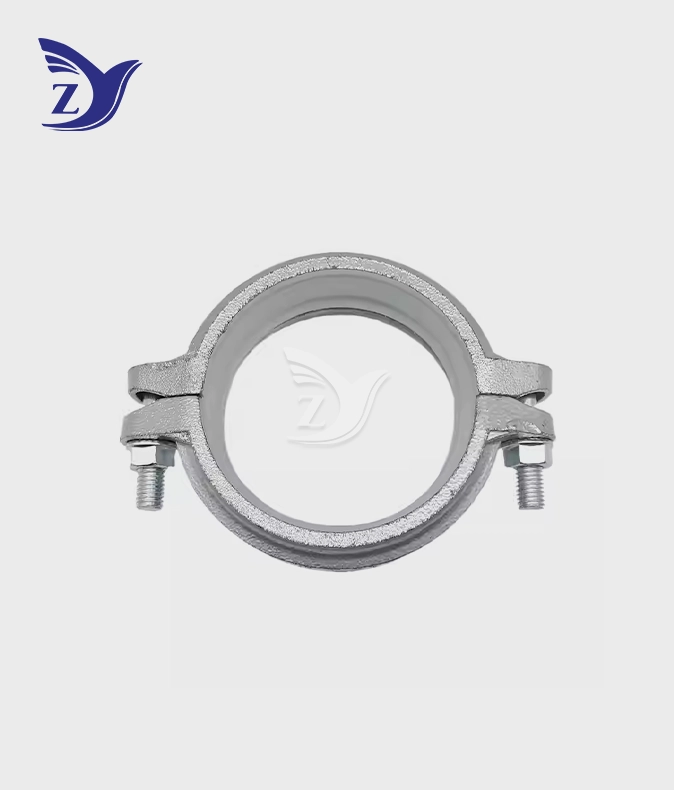
Water Grooved Clamp
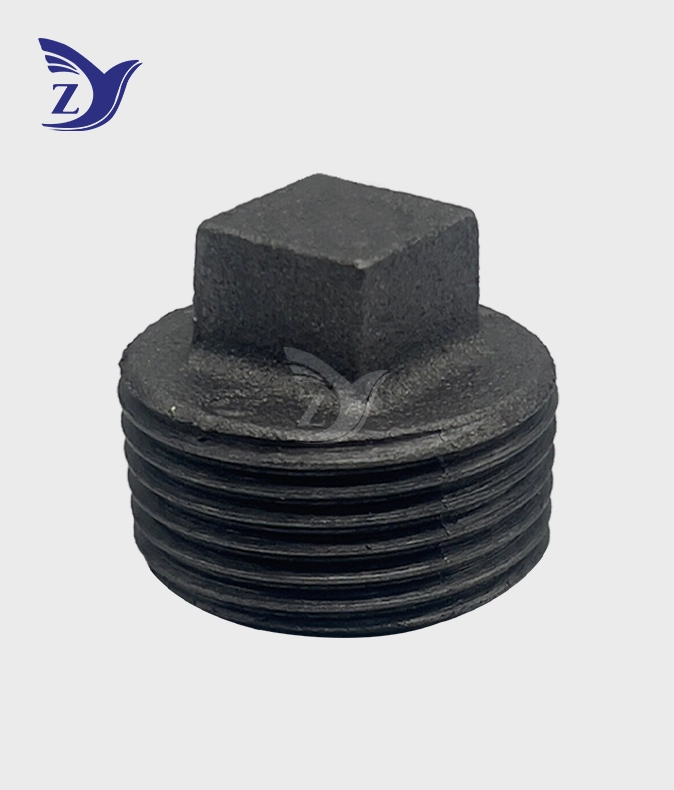
NPT. Black Flangeless Plug Pipe Fittings
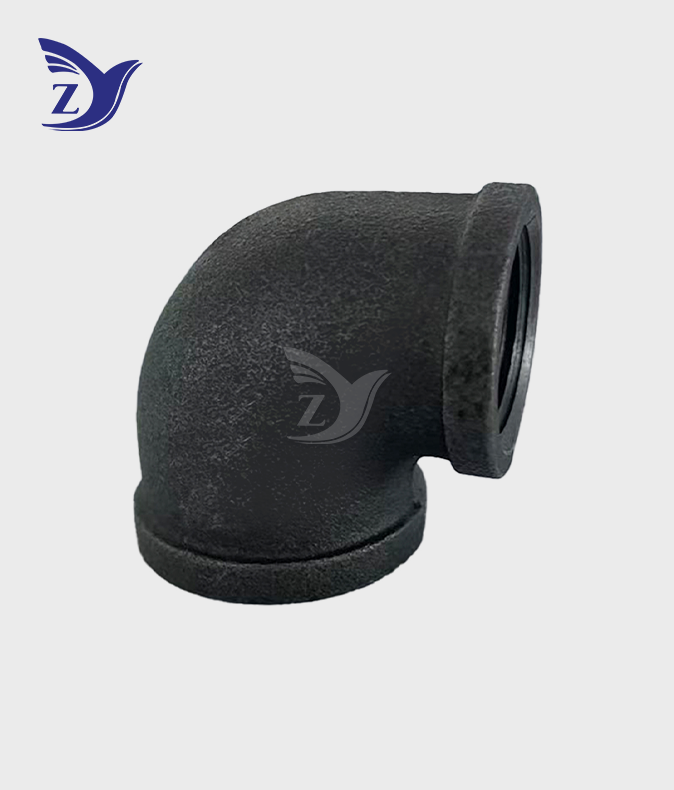
NPT Black Square Edge Reducing 90° Elbow
NPT Galvanized Male Female Threaded Union 331 Pipe Fittings
NPT Black Male-Female Union 341 Pipe Fittings
No Hub Electro Galvanized 90° Elbow Pipe Fitting
NPT Galvanized Non-Flanged Pipe Plug Pipe Fittings
Water Grooved Blind Flange