
Apr 21, 2026
How to install a threaded pipe union?
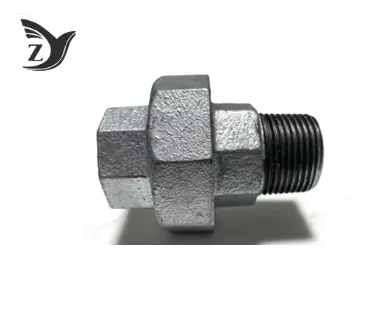
When used in industrial settings, installing a threaded pipe union properly ensures links that don't leak and long-term system integrity. To use galvanized male female threaded union 341 pipe fittings, you need to clean the pipe threads, use the right thread glue or PTFE tape, carefully line up the male and female ends, hand-tighten the union nut, and then use pipe wrenches to apply controlled pressure. This easy method makes links that are safe and secure while still letting the joint be taken apart for repair without having to cut any pipes. This is a very important benefit in fire protection, public water systems, and industrial process lines.
Step-by-Step Installation Process for Threaded Pipe Unions
Pre-Installation Preparation and Material Verification
Before you start installing galvanized male female threaded union 341 pipe fittings, check the union parts for flaws in the casting, damage to the threads, or galvanization issues. Hold the male and female parts up to a light to make sure the cylindrical seat surfaces have been machined consistently and don't have any holes or scoring. No matter what fitting method is used, any obvious flaws in the seating area will weaken the seal.
Get the right tools, like two pipe wrenches that are the right size for the fitting's diameter, PTFE tape that is rated for the temperature and pressure where it will be used, or anaerobic thread glue if your system design calls for it. Have clean rags on hand to wipe the threads clean, and make sure there is enough light to see the orientation of the threads clearly while they are being put together. If the union is bigger than 2 inches, you might want to use a torque wrench to keep from over-tightening, which could cause the casting to crack.
Make sure that the ends of the pipes that need to be combined have been cut straight and that there are no threads or metal shavings sticking out that could get in the way of proper fitting. The threads on the pipe should be clean, dry, and free of cutting oil, rust, and old sealant. By running a wire brush through the threads, you can get rid of any dirt that might be blocking the threads from fully engaging or making leak tracks.
Applying Thread Sealant Correctly
If you look at it from the end, wrap PTFE tape around the male threads in a clockwise direction. This way, as you thread the fitting, the tape will tighten instead of coming undone. Start two threads from the end and overlap each wrap by about half the width of the tape. Keep the tension light so that the tape fits into the thread dips. For standard pressure uses, use three to five wraps. Make sure not to cover the first thread so that tape doesn't get into the system and block valves or meters.
If you're using liquid thread sealer, make a bead that goes around the male threads from the second thread and ends two threads away from the pipe end. Don't use too much sealant, because it will squeeze into the pipe hole when the clamps are tightened. Anaerobic sealants harden when there is no air in the threads that are involved, making a strong seal. However, the surface needs to be properly prepared, and the product needs to be used within its shelf life.
Some standards don't allow PTFE tape to be used in systems that handle drinkable water because of worries about particle contamination. In these situations, an acceptable option is pipe joint compound made for use with drinking water. Always make sure that the sealant you choose meets the requirements of relevant certifications, such as NSF/ANSI 61 for water contact or the right gas transfer standards.
Thread Engagement and Tightening Technique
Start putting the male end into the female end by hand. To avoid stressing pipes that are already in place, turn the galvanized male female threaded union 341 pipe fittings nut instead of the pipe sections when you can. The threads should fit together easily and with little resistance. If you have trouble or sticking after two or three turns, check for cross-threading. Forcing threads that aren't lined up right will damage the thread form and ruin the fitting.
Keep hand-tightening until the cylindrical seats touch, which can be seen by the fact that they become harder to turn. The union should feel tight but not locked at this point. Put one pipe wrench on the wrench flats on the female end and the other on the union nut. Keep the pressure on the nut for about one to two more turns after hand-tight, which will squeeze the cylindrical seats together.
Do not use too much pressure, as this can bend the malleable iron or cause the galvanized finish to crack. A stable metal-to-metal touch across the seating areas is what you want, not the tightest fit possible. When accuracy is very important, look at torque measurement charts that are based on the size of the fitting. Typical values range from 25 ft-lbs for 1/2-inch unions to 150 ft-lbs for 2-inch sizes. These numbers are just starting points. The last changes will be made after the pressure tests are done.
Pressure Testing and Leak Detection
Once the installation is done, slowly raise the pressure in the system until it reaches the running pressure while keeping an eye on the union for any obvious drips or buildup of moisture. During initial pressurization, there may be some small weeping at the union nut as air pockets escape. This usually stops within minutes as the sealant runs into the tiny gaps. If the leak keeps happening, you'll need to lower the pressure and tighten it even more. Usually, a quarter- to half-turn is enough to stop small seepage.
If the leak keeps happening even after trying to tighten it up a few times, take the union apart fully and look for foreign objects or damage on the curved seats. Leak tracks can be made by even small particles stuck between the sitting surfaces. Clean both surfaces well with a solvent-free cloth, reapply sealer to the threads, and put them back together making sure they are lined up correctly.
For gas uses, bubble testing is a sensitive way to find leaks. To make foam, mix liquid dish soap with water. Brush this foam around the union assembly and look for bubbles, which means gas is leaving. This method finds leaks that are too small to hear or smell, so safety risks are taken care of before the system goes into use.
Maintenance Tips and Best Practices for Longevity
Routine Inspection Protocols
Visual inspections done at regular repair times find problems early on, before they become so bad that the system stops working. Look for white corrosion layers on coated surfaces. These show that zinc has been lost in places that have been exposed to too much water or chemicals. Small amounts of surface rust rarely weaken structures, but damage that gets worse over time needs closer attention or planning for replacement.
Check for weeping or wetness buildup around the union nuts. This could mean that the seal is breaking down or becoming loose from shaking. Most of the time, slight seepage can be fixed by tightening the union nut a quarter turn. Write down any changes that were made during checks so that you can keep track of parts that need to be fixed over and over again. Problems that keep happening can be a sign of deeper problems, like poor alignment or broken seating surfaces.
When something is taken apart for repair, thread wear is visible. If threads show galling, cross-threading damage, or a lot of material loss, you should replace the parts that are broken instead of putting them back together. No matter how much sealant is used, threads that are damaged will never close properly, and the fitting has hit the end of its useful life.
Preventative Strategies for Extended Service Life
Putting a small layer of anti-seize powder on the outside threads during installation makes it easier to take apart later without affecting the installation. This method works especially well in systems where temperatures change quickly, which can heat-weld threads together over time. Pick anti-seize formulas that work with your sealant to keep chemicals from reacting in ways that could damage the seal.
When installing galvanized male female threaded union 341 pipe fittings outside, keep them out of the weather by covering them with shelters or protective wraps. Even though galvanized coats are good at resisting rust, keeping them away from water increases their useful life. Rinsing plants with fresh water every so often gets rid of chloride layers that speed up zinc loss in coastal areas where plants are exposed to salt spray.
By supporting and aligning the pipes correctly, you can keep threaded joints from being put under too much mechanical stress. When unions are put in at the low places of pipe runs, dirt and water build up, which leads to corrosion in that area. Place unions in easily available places that make inspection and upkeep easier, and stay away from places where traffic or moving equipment could damage them.
Recognizing When Replacement is Necessary
No matter if it leaks or not, you should replace any threaded joint that has cracks in the casting that you can see. Over-tightening, freezing, or mechanical impact can cause stress cracks in malleable iron that weaken its structure. At first, these cracks might not leak, but they will get bigger as the pressure changes until they break in a catastrophic way.
When unions are taken apart and put back together more than once, the threads wear down over time, making it impossible to close properly. As a general rule, threaded parts should be replaced every five to seven times they are taken apart. However, the real service life depends on how well they were installed and how they are used. Look at the past of repair to find fittings that are getting close to this level.
If a galvanized male female threaded union 341 pipe fittings needs to be tightened more than once to keep the bond intact, it's likely that the conical seats are too worn or broken to be useful. If you keep tightening, the casting could crack. Take the joint apart and carefully look at the sitting surfaces. If you find any pitting, scoring, or other irregularities in the metal-to-metal binding zone, you should replace the union.
Conclusion
To install threaded pipe unions correctly, you need to clean the threads, use the right glue, and control the tightening pressure to make connections that are reliable and don't leak. If you compare galvanized malleable iron unions to other options, they have better rust protection and a longer service life. This is why they are the best choice for industrial, water, and gas distribution systems. Procurement experts can find parts that meet the needs of a project while keeping costs low by understanding the technical specs, quality indicators, and maintenance requirements. Having good relationships with suppliers, checking the quality of everything, and planning your inventory well give you a competitive edge when meeting the needs of a wide range of customers in the industry, city infrastructure, and fire protection sectors.
Partner with Zhiyuan Malleable Steel for Reliable Pipe Fitting Solutions
Zhiyuan Malleable Steel has been making industrial-grade galvanized male female threaded union 341 pipe fittings for 18 years. These fittings meet the strict needs of fire protection systems, city infrastructure, and process industries. Our hot-dip galvanization process creates coatings that are thicker than the industry standard. This gives them great rust protection and longer service lives. We serve bulk wholesalers, project contractors, and OEM customers who need reliable and quick service. Our annual production capacity is up to 30,000 tons, and we keep enough stock in stock to guarantee two-hour delivery on standard sizes.
Our ISO 9001, CE, UL, and FM certifications give procurement workers the peace of mind they need for important uses. Custom production can handle non-standard requirements, unique threading needs, and private label programs for wholesalers who are building their own brands. Our experienced export team takes care of logistics for American markets quickly and efficiently, whether you need full containers for big projects or just a few things to fill up your shelves. You can talk to our sourcing experts at q1236800000@gmail.com about your unique needs and get quotes from a reliable galvanized male female threaded union 341 pipe fittings maker that wants you to succeed.
FAQ
What distinguishes galvanized unions from stainless steel options?
Through a sacrificial zinc covering, galvanized malleable iron joints offer great corrosion protection at a much lower cost than stainless steel options. Stainless steel is better at resisting chemicals in harsh environments like seawater or acidic process streams, but this level of safety isn't needed in most industry and municipal settings. The hot-dip galvanization process makes a strong coating that can resist normal water, gas, and steam service conditions. It does this while keeping the strength benefits of building with pliable iron. Price differences can be as high as 200 to 300 percent, which makes zinc bolts the most cost-effective choice for most uses.
Can I reuse threaded unions after disassembly?
Though threaded unions are made to be taken apart and put back together more than once, using them correctly will make them last longer. Before replacing, clean all thread surfaces very well and get rid of any old sealer. Check the conical sitting surfaces for damage or wear that might make it impossible to close properly. Use new thread lubricant that is made for your purpose. Under normal conditions, unions can be taken apart five to seven times before thread wear makes them less effective at closing. Keep an eye on the past of upkeep to see which fittings are getting close to being replaced.
Do I need special tools for installation?
Standard pipe tools that are the right size for the joint can easily install a threaded union. You can hold both the female end and the union nut with two tools, which keeps the joined pipes from being stressed while you tighten them. Torque tools make fitting more uniform on bigger unions where cracking could happen if they are over-tightened. If fitting problems happen, thread testers make sure that the threads are properly engaged. Standard repair teams can install it because they don't need any special or proprietary tools.
References
American Society of Mechanical Engineers. (2021). ASME B16.39: Malleable Iron Threaded Pipe Unions - Classes 150, 250, and 300. New York: ASME Press.
National Fire Protection Association. (2019). NFPA 13: Standard for the Installation of Sprinkler Systems. Quincy: NFPA Publications.
American Water Works Association. (2020). AWWA Manual M11: Steel Pipe - A Guide for Design and Installation (5th ed.). Denver: AWWA Publishing.
International Organization for Standardization. (2018). ISO 49: Malleable Cast Iron Fittings Threaded to ISO 7-1. Geneva: ISO Standards.
Underwriters Laboratories. (2022). UL 860: Standard for Safety for Pipe Hangers and Supports for Fire Protection Service. Northbrook: UL Standards.
Chen, H. & Morrison, R. (2020). Corrosion Protection Methods for Industrial Piping Systems: A Practical Engineering Handbook. Houston: Industrial Press Technical Series.
Online Message
YOU MAY LIKE
High quality furniture manufacturer
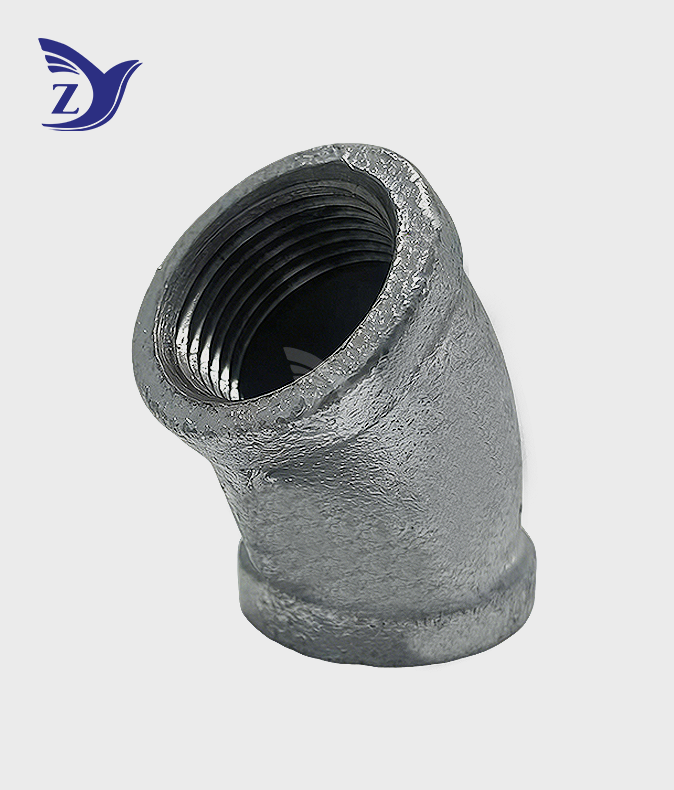
NPT Square Face Galvanized 45° Square Edge Elbow Pipe Fittings
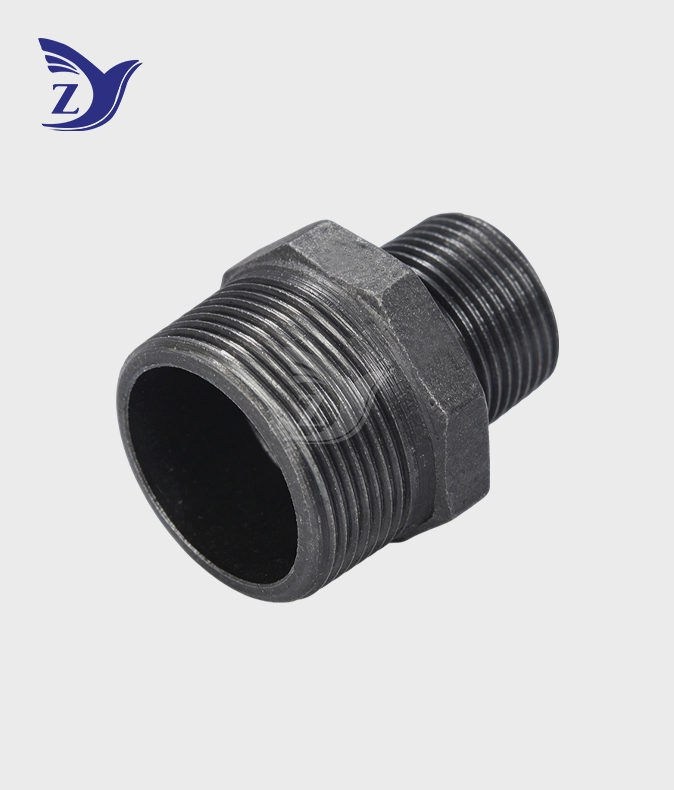
NPT Reducing Male Black Pipe Fitting
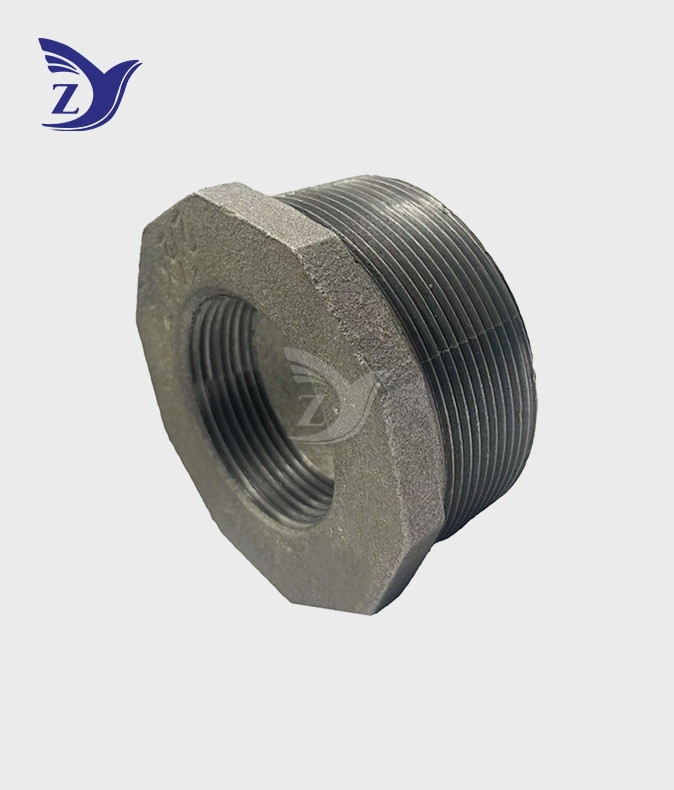
BSPT Black Malleable Iron Bushing
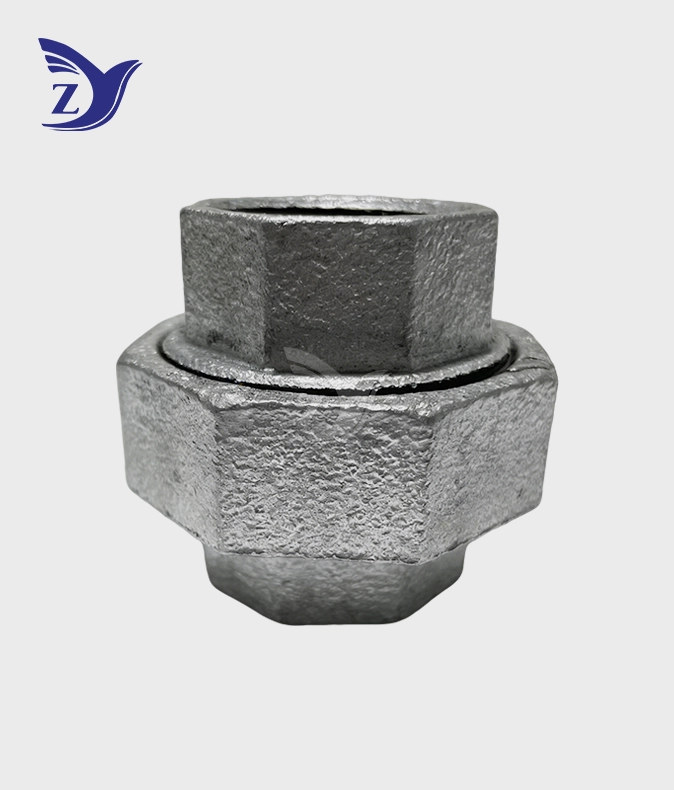
NPT Galvanized Union 342 Pipe Fittings
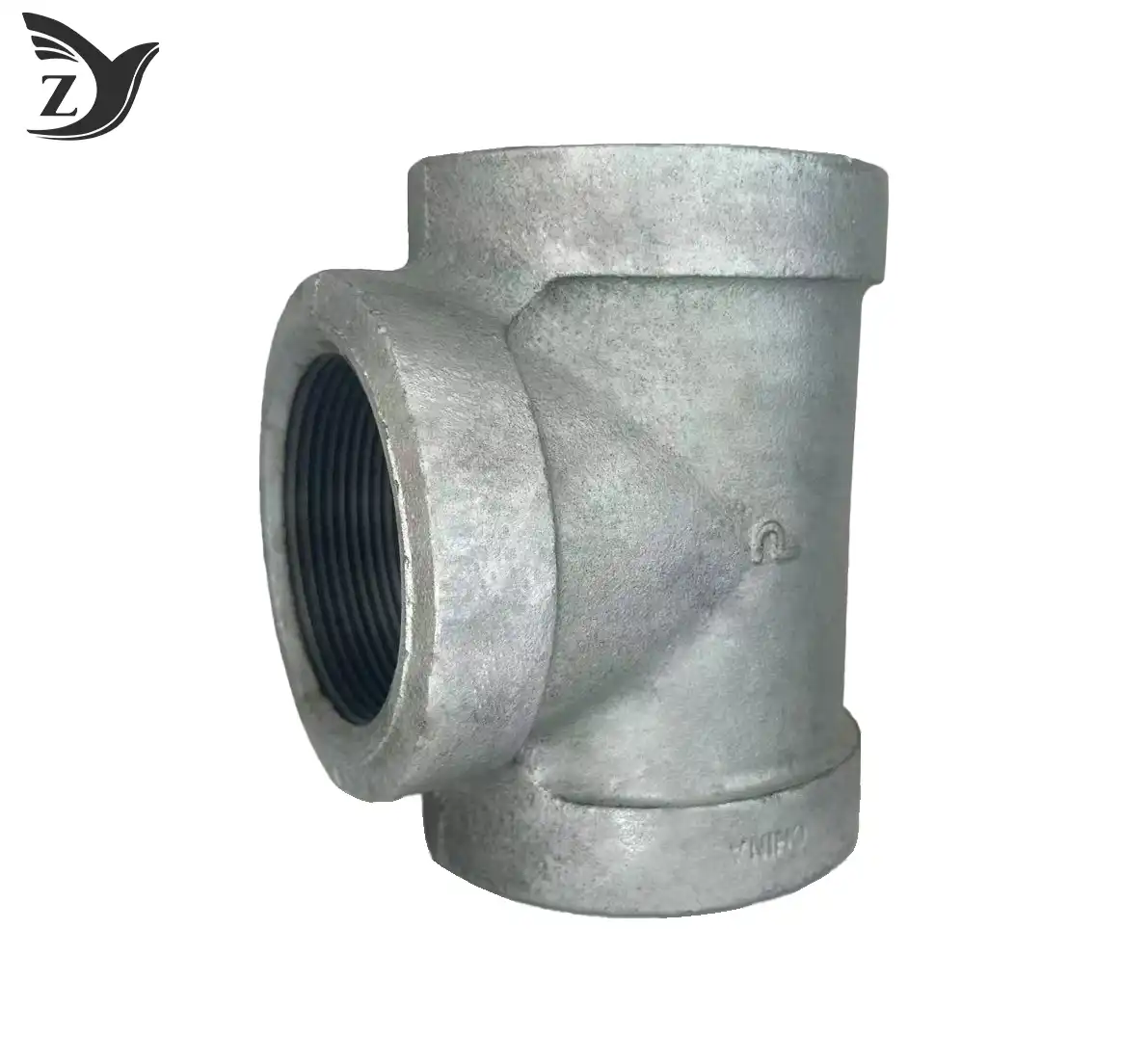
Class 300 Hot Dipped Galvanized Malleable Iron Equal Tee
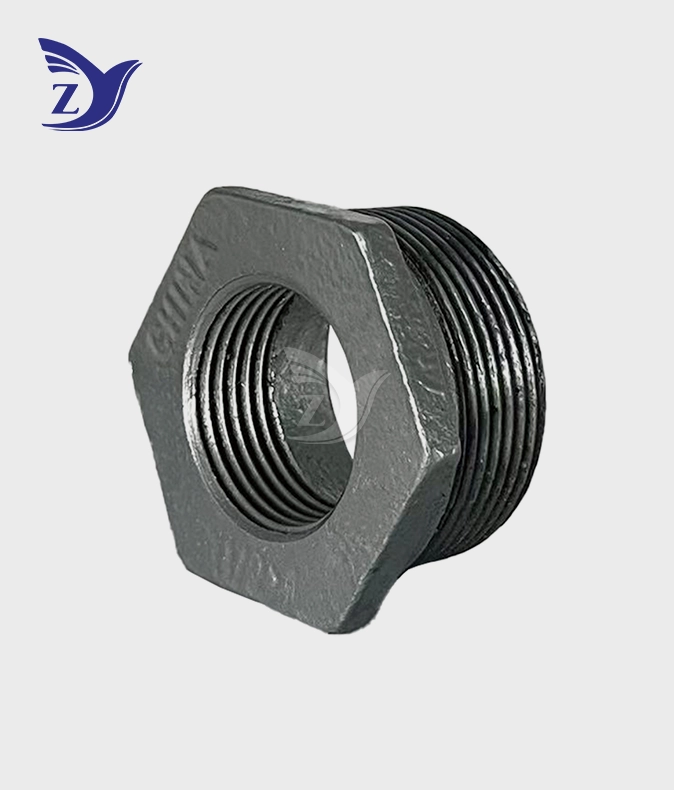
NPT Galvanized Bushing Pipe Fittings
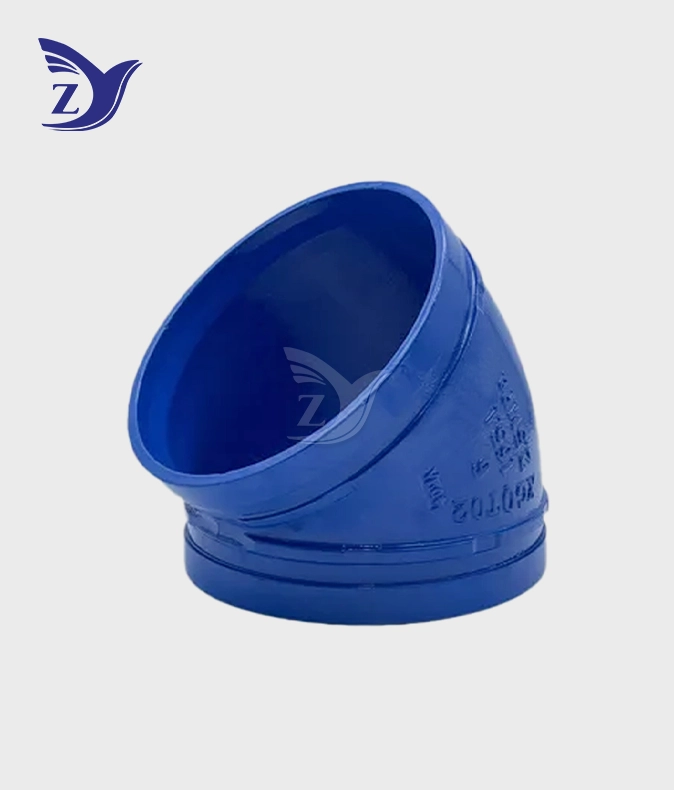
Water Grooved 22.5-degree grooved elbow
Fire Grooved Clamp