
Jun 23, 2026
How to install a BSPT square face galvanized square edge coupling pipe fitting?
Installing BSPT square face galvanized square edge coupling pipe fittings correctly ensures leak-free, durable connections in water, gas, steam, and fire protection systems. These couplings feature British Standard Pipe Taper (BSPT) threads conforming to ISO 7-1 with a 55-degree Whitworth thread angle and 1:16 taper. Made from black heart malleable iron (KTH330-08 or KTH350-10), they're hot-dip galvanized with zinc coating exceeding 500g/m² for superior corrosion resistance. Proper installation requires thread inspection, appropriate sealant application, alignment, torque control, and leak testing to achieve reliable performance rated at 300 psi for water, oil, and gas applications.
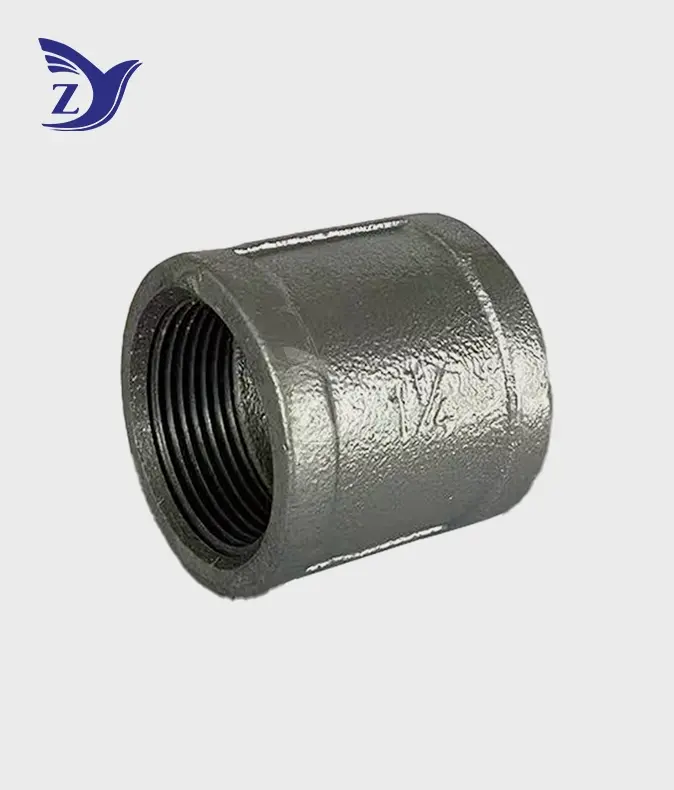
Understanding BSPT Square Face Galvanized Square Edge Couplings
When I work with industrial pipe systems, it saves me time and keeps me from making mistakes that cost a lot of money to know the specifics of each fitting type. Because of their unique history and form, BSPT square face galvanized square edge coupling pipe fittings are different from other threading standards.
What Makes BSPT Threading Distinct?
The British Standard Pipe Taper threading is based on ISO 7-1 standards and has a 55-degree thread angle instead of the 60-degree angle found in NPT fittings. This Whitworth shape makes a 1:16 curve that seals when male and female threads interfere with each other. Because of the taper design, the threads engage more deeply as you tighten the link. This makes metal-to-metal contact, which is what makes the main seal. Unlike parallel thread systems that only use seals, BSPT threads squeeze together as they're put together. This is why it's still important to use the right sealant, even though the threads are tapered.
The Square Face Advantage in Industrial Applications
The square face form refers to the shape of the reinforced band at each coupling exit. This squared-off profile gives you about 15 to 20 percent more material mass than regular or beaded forms. When installation workers tighten the wrenches during assembly, this extra material spreads the stress around the circle more evenly. This stops the radial cracking that can happen with thinner-walled options. The straight edge also makes it easier to hold on to a wrench, which lowers the chance that the tool will slip and damage the galvanized finish. In places where temperature changes quickly, like steam lines that work up to 120°C, this structural support keeps the structure's shape and stops it from coming loose after many heating and cooling cycles.
Galvanization Process and Corrosion Protection
For hot-dip galvanization, the bendable iron part is put into liquid zinc that is about 450°C. The zinc forms a metallic bond with the iron base, forming several protected layers. These include an interface of zinc and iron alloy and an outer layer of pure zinc. With a covering that is thicker than 70 microns (500g/m²), these fittings can stand up to corrosion in air, water, and many chemical conditions. This kind of defense is especially useful for outdoor installs, underground uses, and marine settings where iron would quickly rust without it. If an extra layer of protection is needed for certain chemical reactions, the metal surface also holds paint very well.
Technical Specifications for Procurement Decisions
When ordering these connections, you need to pay attention to a number of factors. Black heart malleable iron is the material. It has a tensile strength of 300–350 N/mm² and a hardness of less than 150 HB. This combination of strength and flexibility makes it resistant to damage from impacts during installation and service. At room temperature, Class 150 pressure levels can handle 300 psi of working pressure for water, oil, and gas (WOG), and 150 psi for uses that need saturated steam. Most low-pressure steam systems, hot water transport, and many industrial process uses can work with a temperature limit of 120°C at full pressure. These standards are the same as ISO 49, BS EN 10242, and ASTM A197, so they will work with everything and the quality will be the same everywhere.
Step-by-Step Installation Process of BSPT Square Face Galvanized Square Edge Couplings
The dependability and life of a system are directly affected by how well it is installed. I've seen too many leak callbacks that were caused by rushed or incorrect building steps that were easy to avoid during the assembly of BSPT square face galvanized square edge coupling pipe fittings.
Preparing Tools, Materials, and Safety Equipment
Before you start installing, make sure you have pipe wrenches that are the right size for the fittings, thread sealant that works on galvanized surfaces (either high-quality PTFE tape or anaerobic pipe sealant), clean rags, a wire brush, and a torque wrench if you are working on important systems. When cleaning thread, safety glasses protect your eyes from metal bits, and work gloves keep your hands from getting hurt by sharp edges. Make sure there is enough light and space to get to the work area. Being squished together can cause things to not line up right or become too tight. Instead of experimenting with unsteady platforms, get proper scaffolding for work that needs to be done at a height.
Thread Inspection and Preparation
Carefully look at both the male pipe threads and the internal connection threads in well-lit areas. Check for broken thread crests, dirt, metal bits, or rust that might be blocking the thread from engaging properly. To clean threads completely, use a wire brush to get rid of any manufacturing waste, dust, or rust. Make sure that the thread gauges show the correct BSPT sizes. Using the wrong BSPT sizes with NPT or other standards will cause problems right away. Check the galvanized layer around the threads for damage that might have happened during shipment or storage. Small scratches won't affect performance, but any exposed raw iron should be primed with a zinc-rich material before it is put together. Make sure that the connection faces are straight and haven't been bent while they were being handled.
Sealant Application Technique
Even though they are curved, BSPT threads need sealer because the manufacturing process leaves tiny flaws in the threads. Starting two threads back from the pipe end, wrap the PTFE tape clockwise for three to four full turns, making sure to look at the male thread end-on. When you put the tape on, slightly stretch it to make sure it fits into the thread dips instead of bunching up on the thread crests. If you block the first thread, extra sealer could be pushed into the system while it's being put together. Apply a mild bead around the thread diameter, leaving the first thread clean. Anaerobic pipe sealants work really well on zinc surfaces. These chemical adhesives harden when there is no air in the completed joint. This makes a strong seal and keeps threads from galling during assembly.
Alignment, Assembly, and Torque Control
Hand-thread the connection onto the first pipe until you feel resistance. Make sure the pipes are lined up straight to avoid cross-threading. The fitting should be able to turn freely for a few turns before it needs to be tightened. Once the coupling is hand-tight, use a pipe wrench to keep tightening it. Be careful not to damage the zinc surface as you grip the coupling body. When linking two pipes with a coupling joint, fully thread one pipe and then start the second pipe into the other end before tightening it all the way. This will make sure that both connections seal properly. If you are working on a designed system, follow the torque specs and tighten until three to four threads can still be seen past the coupling face. Over-tightening doesn't make the seal better and can break the pliable iron body or bend the threads, especially on fits with a smaller diameter.
BSPT vs NPT and Other Thread Types: What Procurement Managers Should Know?
One of the most common reasons why pipeline systems fail is that the thread standard is not compatible. By knowing these differences, you can avoid making design mistakes that cause projects to be late and raise safety issues regarding BSPT square face galvanized square edge coupling pipe fittings.
Critical Differences Between BSPT and NPT Threads
The main difference is the shape of the threads. BSPT threads have a 55-degree angle, which comes from British Whitworth standards, while NPT (National Pipe Taper) threads have a 60-degree angle, which comes from American design standards. Both have 1:16 tapers, but the threads don't fit properly because the angles are different, even though they look the same. When you try to make BSPT and NPT connections to work, you damage the threads, create spiral leak paths, and the joint usually fails within days of being pressurized. Most of the time, the pitch (number of threads per inch) is also different between these standards. Different sizes are used for BSPT names. For example, an NPT 1/2" fitting and a BSPT 1/2" fitting have different real sizes. It's not just a theory that these standards don't work together; mixing them in the field has been shown to break fire safety systems, industrial process pipes, and city infrastructure.
Square Face Versus Round Face Coupling Design
Both designs join things together, but the square face design is better in places with a lot of shaking and in situations where parts need to be put together and taken apart a lot. The square edge design spreads installation force more evenly, which lowers stress buildsups that can cause cracks in the coupling body. Round face (beaded) couplings have a classic look that is liked in some European and Asian markets. They also have great impact protection in case the pipes get hit during service. The square face form usually has a little more material, which makes it a little heavier and more expensive, but it gives you peace of mind in tough installations where failure would have serious effects. Many engineers choose square face designs for connections in fire protection systems because the reinforced structure can handle the forces used for backflow preventer upkeep and system testing better.
Galvanized Versus Stainless Steel Material Selection
When picking between galvanized malleable iron and stainless steel parts, you need to think about how strong they are, how much they cost, and what they will be used for. Galvanized malleable iron connections work great in most settings where corrosion from the air happens. They can last for decades in outdoor installations, underground uses with the right coatings, and indoor pipe systems. Through cathodic protection mechanisms, the hot-dip zinc coating actively guards the iron base and fixes small scratches on its own. Stainless steel is better at resisting certain poisons, can handle higher temperatures, and works better in uses that are submerged in water all the time. The price difference is big—galvanized malleable iron parts are about three to five times less expensive than stainless steel parts. The best mix of price and performance can be found in galvanized malleable iron for city water systems, HVAC installations, fire protection, and general industrial plumbing. Investing in stainless steel may be worth it for petrochemical uses that work with toxic fluids or at temperatures above 120°C.
Conclusion
To properly install BSPT square face galvanized square edge coupling pipe fittings, you need to know how they are threaded, follow the steps in an organized way, and choose high-quality parts from reputable makers. The square face design, protective zinc finish, and 55-degree BSPT thread angle all work together to make this product effective in water, gas, steam, and fire protection situations. When you prepare the threads correctly, choose the right glue, control the assembly torque, and test the joints thoroughly under pressure, they become leak-proof and can handle temperatures up to 120°C and working pressures up to 300 psi. It's important to be able to tell the difference between BSPT and incompatible NPT threading so that expensive specification mistakes don't happen. Also, making smart purchasing choices based on quality standards and maker capabilities will ensure a reliable supply chain and access to technical support throughout the lifetime of a project.
FAQ
Can BSPT couplings connect to NPT threaded pipes?
Because their thread angles are different—55 degrees for BSPT and 60 degrees for NPT—BSPT square face galvanized square edge coupling pipe fittings and NPT threads cannot be used together. When you try to link directly, you hurt threads and make leak routes. When system needs call for mixing thread types, use approved thread adapters that are made to go from one standard to the other.
What sealant works best for galvanized BSPT couplings?
Anaerobic pipe seals made for galvanized surfaces or high-quality PTFE tape rated for pressure uses both work very well. In systems that carry drinkable water, don't use coatings that contain lead or other harmful chemicals. Put on a lot of sealant, but don't use too much because the extra could get pushed into the system when it's put together.
How long does galvanization last in outdoor installations?
In normal weather, hot-dip galvanizing with a thickness of more than 70 microns protects against rust for 20 to 40 years, based on how bad the environment is. Marine settings and chemical exposures at work speed up the wear and tear on coatings. Regular care like inspections and touch-ups make the service last a lot longer than just the original finish.
Partner with Zhiyuan Malleable Steel for Quality BSPT Couplings
With more than 20 years of experience casting, Zhiyuan Malleable Steel makes high-quality BSPT square face galvanized square edge coupling pipe fittings that meet strict international standards. Our factory in Shanxi is ISO 9001 certified and makes more than 30,000 tons of products every year that are used in fire protection, HVAC, public water, and industrial process businesses around the world. As a reliable provider, we offer low bulk prices, fast shipping (basic items are sent out within two hours), and full ODM/OEM customization to meet the specific needs of your project. Our quality promise includes replacing any products that aren't working right and giving full CE, UL, and FM certifications to give buyers trust. You can email our expert team at q1236800000@gmail.com or visit zymalleablepipefitting.com to talk about your needs, get quotes, or set up tours of our building to see how committed we are to making the best products possible.
References
1. British Standards Institution. (2000). ISO 7-1: Pipe Threads Where Pressure-Tight Joints Are Made on the Threads - Dimensions, Tolerances and Designation. BSI Standards Publication.
2. American Society for Testing and Materials. (2017). ASTM A197: Standard Specification for Cupola Malleable Iron. ASTM International.
3. International Organization for Standardization. (2013). ISO 49: Malleable Cast Iron Fittings Threaded to ISO 7-1. ISO Standards Catalogue.
4. Klein, J.R. (2019). Piping Systems Manual. McGraw-Hill Professional Engineering.
5. Singh, M. & Kumar, P. (2021). "Comparative Analysis of Hot-Dip Galvanization for Corrosion Protection in Industrial Piping." Journal of Materials Protection and Performance, 30(4), 2845-2857.
6. National Fire Protection Association. (2022). NFPA 13: Standard for the Installation of Sprinkler Systems - Pipe and Fittings Specifications. NFPA Publications.
Online Message
YOU MAY LIKE
High quality furniture manufacturer
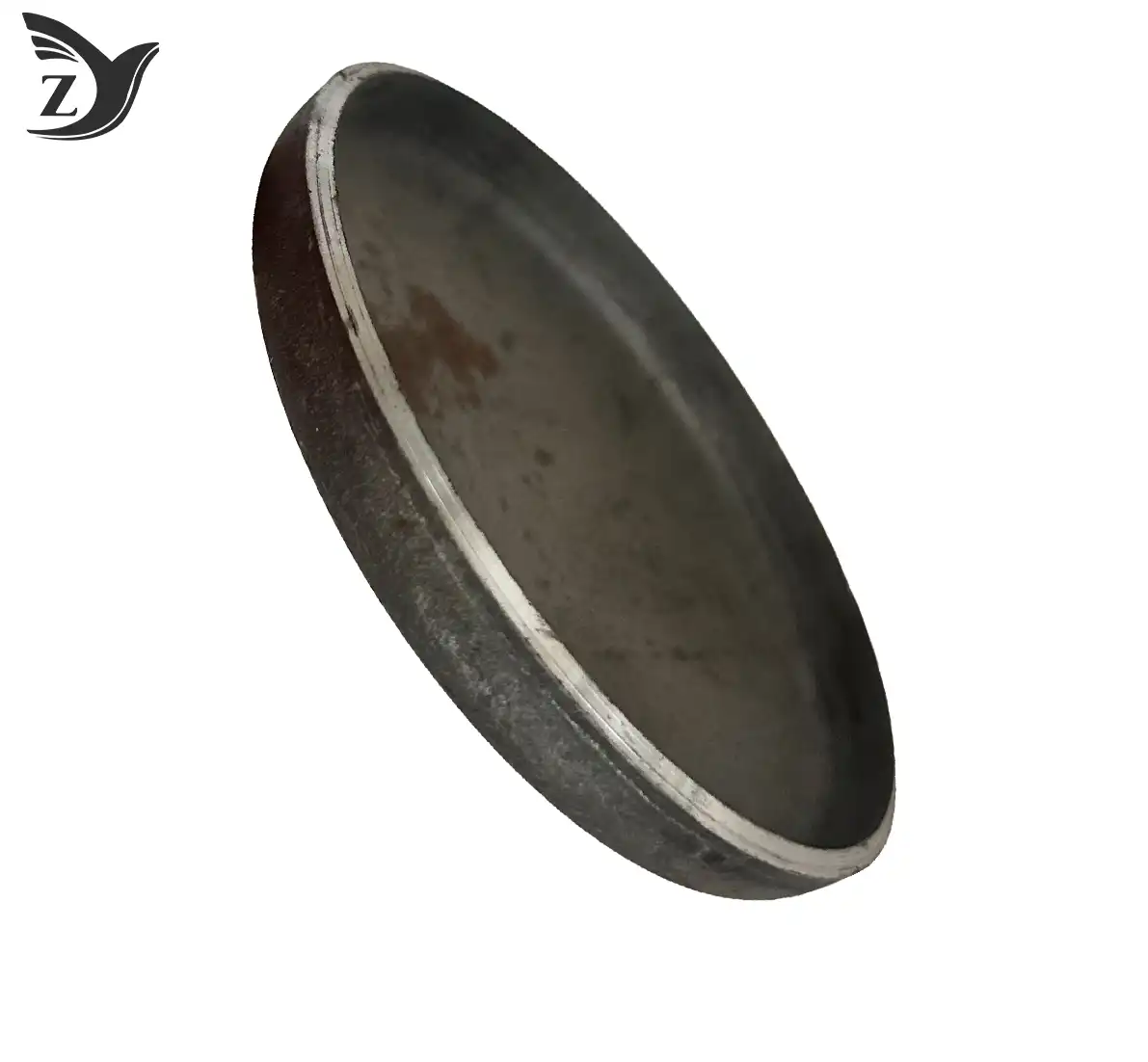
Carbon Steel Welded Cap Pipe Fitting
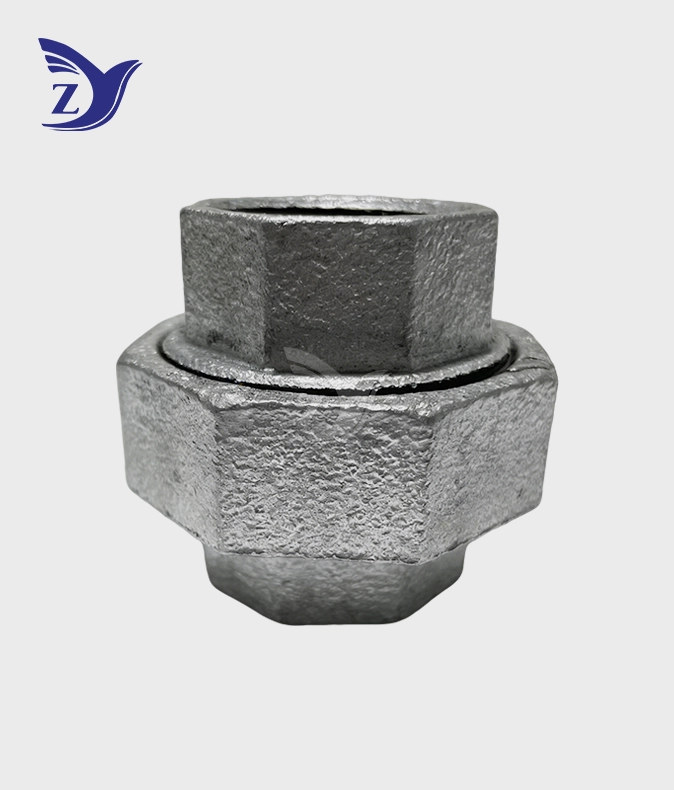
NPT Galvanized Union 342 Pipe Fittings
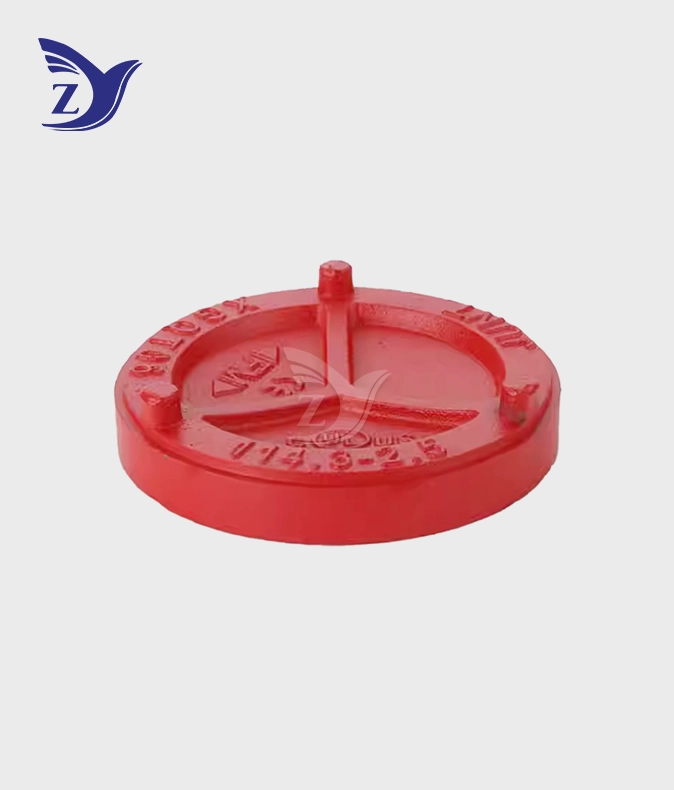
Fire Grooved Blind Flange
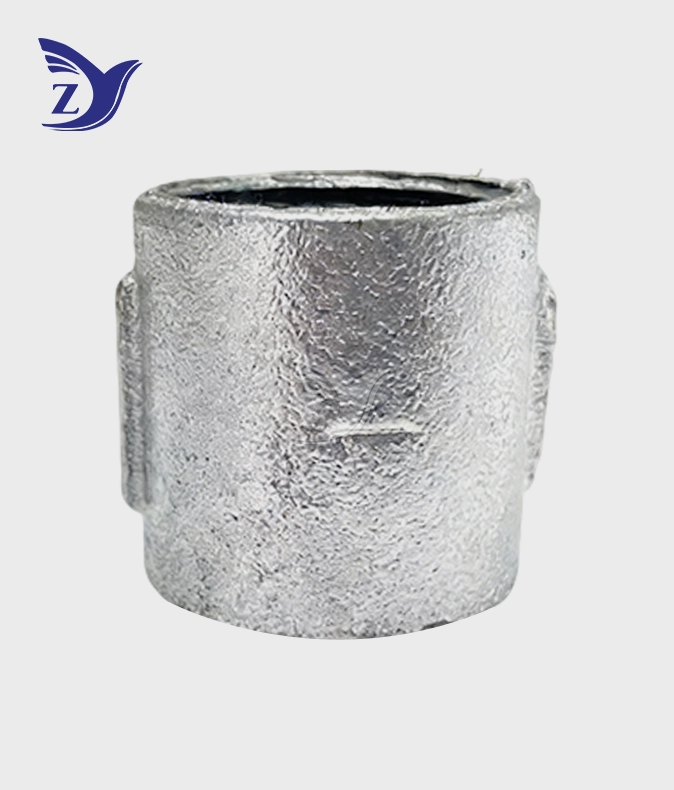
No Hub Hot Dip Galvanized Coupling Pipe Fitting
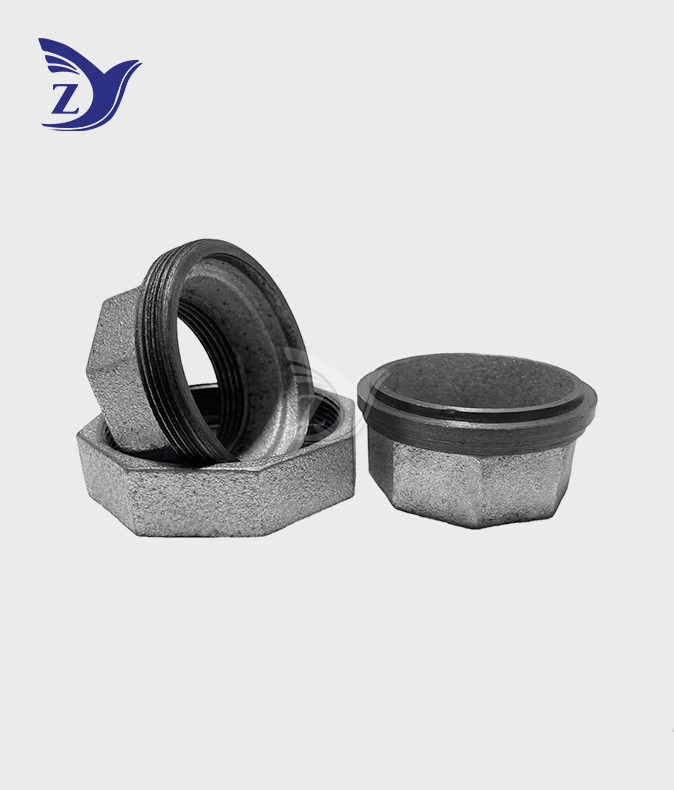
NPT Galvanized Union 330 Pipe Fittings
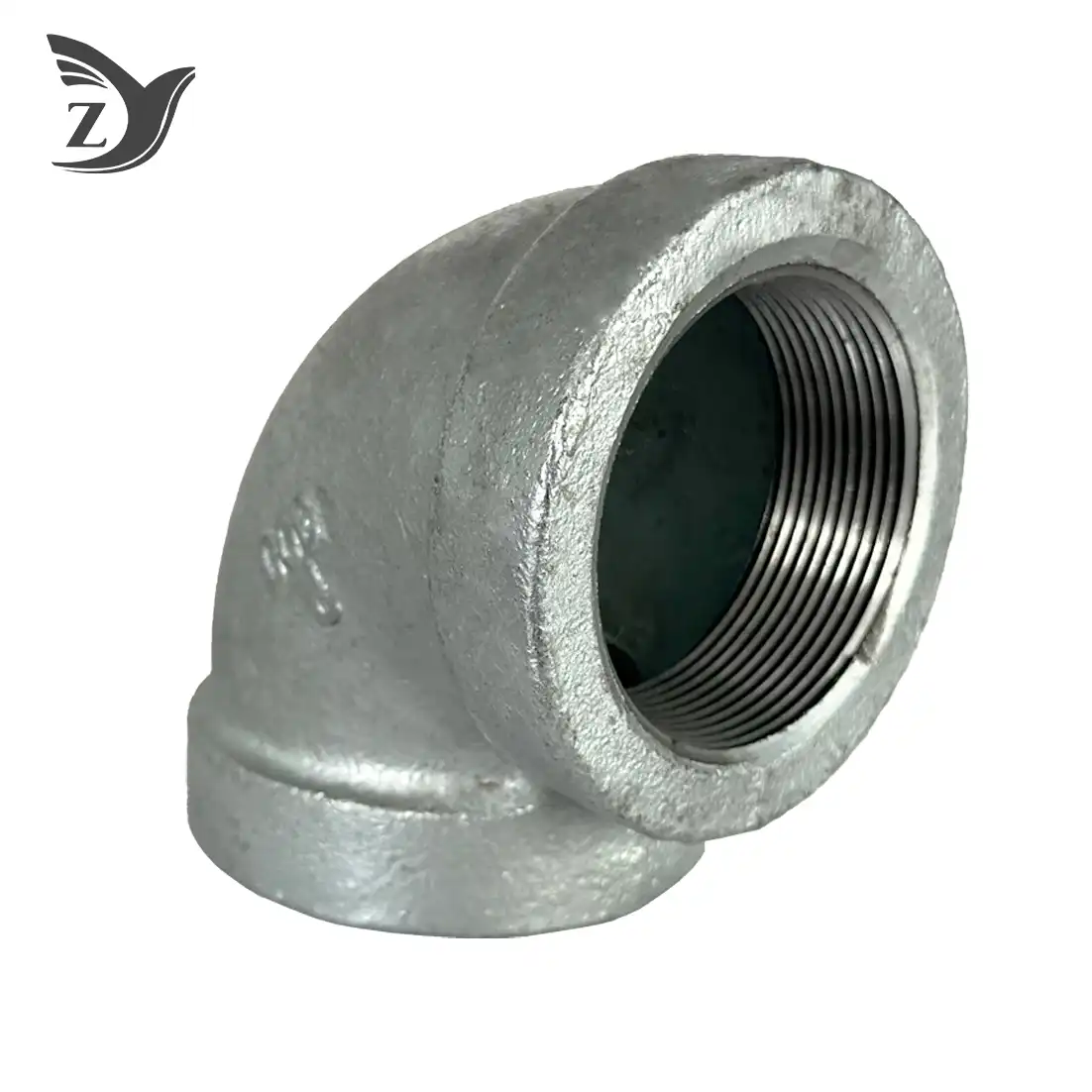
Class 300 Galvanized 90 Degree Malleable Iron Elbow
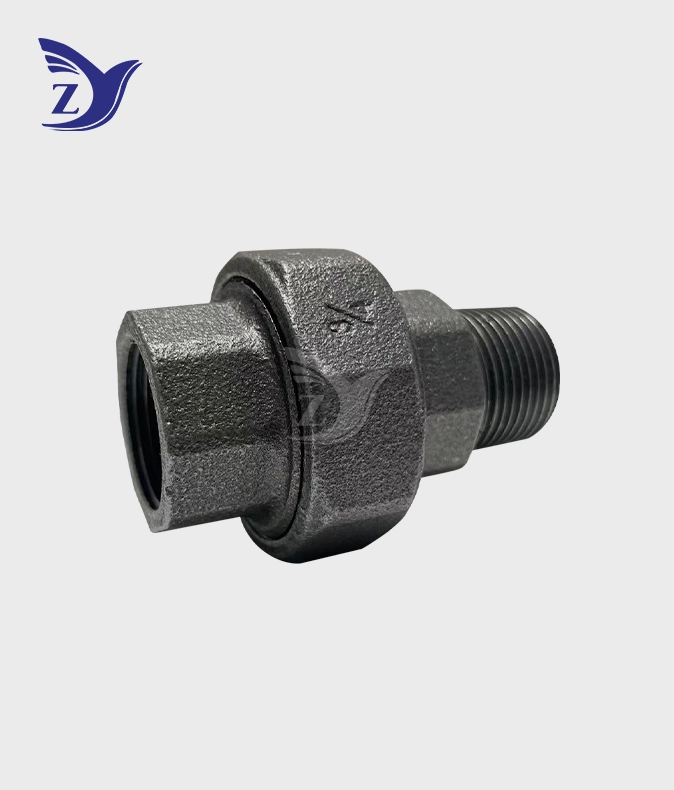
NPT Black Male-Female Union 343 Pipe Fittings
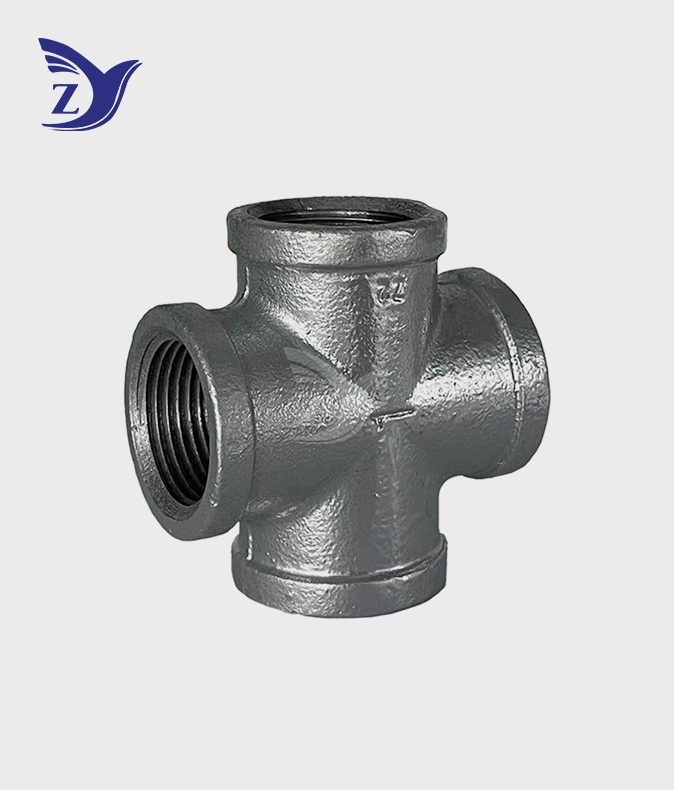
NPT Square Face Galvanized Square Edge Cross Pipe Fittings