
May 9, 2026
How to Choose the Right 90 Degree Galvanized Elbow?
When picking the right 90-degree zinc elbow for your project, you need to think about the quality of the material, the accuracy of the measurements, and the resistance to rust. The hot-dip galvanized round edge 90° elbow is the best option because it has a zinc layer that is thicker than 500g/m², which provides better cathodic protection. The round edge form makes the structure stronger at threaded openings, so it doesn't split when installation pressure is applied. The NPT and BSPT threading choices make sure that they work with all foreign standards and keep the seals tight in water, gas, and industrial settings that need Class 150 pressure ratings.
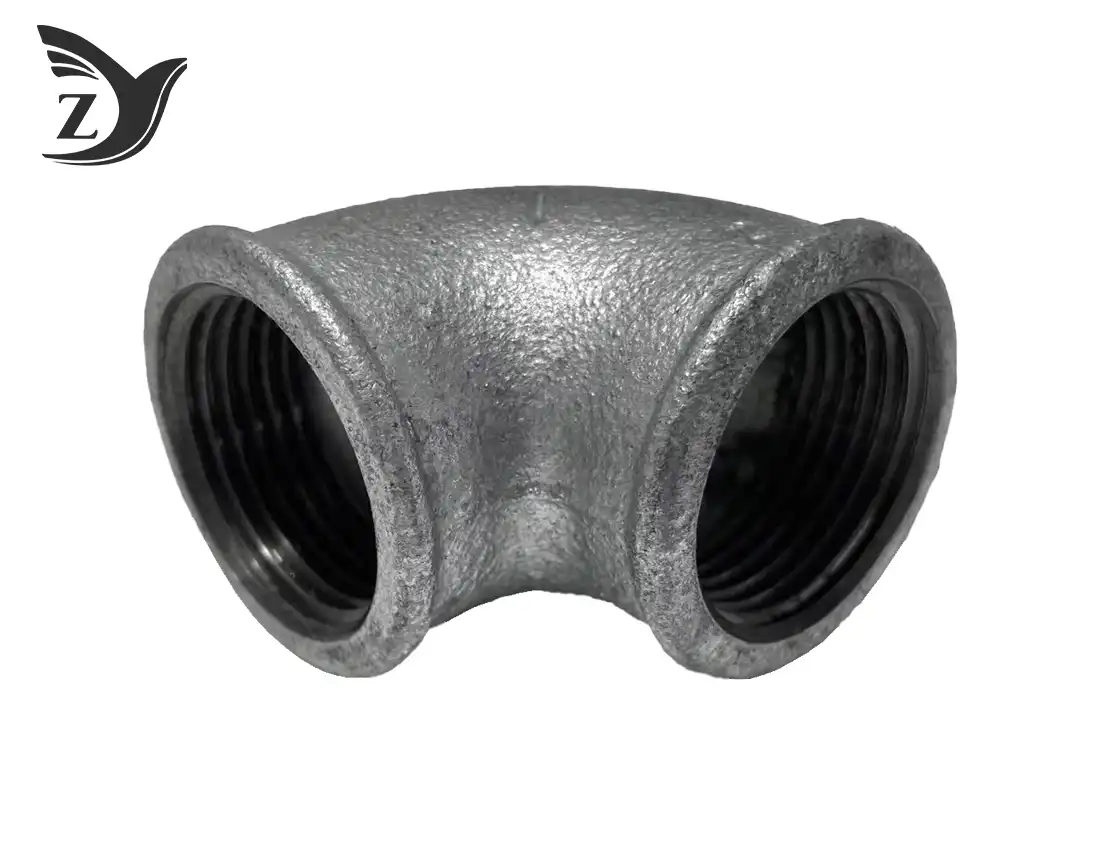
Key Factors to Consider When Choosing 90 Degree Galvanized Elbows
When making choices about purchases, you have to weigh technical requirements against operational needs and spending limits. Knowing these factors helps buyers avoid mistakes that cost a lot of money and makes sure that the system will work well for a long time.
Material Compatibility and Environmental Factors
The base material affects how much weight it can hold and how well it resists chemicals. For most industry uses, malleable iron elbows are a good choice because they are strong for their weight. Extreme pH settings, on the other hand, might need extra safety steps or different materials. Check the fluid chemical, the temperature range that it can work in, and the weather where the installation will be done.
Coastal sites are more likely to rust quickly because they are exposed to salt air, so the hot-dip galvanized round edge 90° elbow is required rather than choice. The thick coat of zinc protects well, while painted parts would break after just a few months. On the other hand, climate-controlled indoor settings might not be worth the extra cost of steel parts.
Thread Standards and Connection Types
Thread compatibility keeps installation from taking too long and makes sure that the seal works right. NPT threading has a 60° angle and a curved shape, which makes interference fit when parts are tightened. BSPT threads use a 55° angle and different pitch ratios, so even though they look the same, they can't be used together. Before you place an order, make sure you know what standard your current plumbing system follows.
The round-edge 90° bend shape changes how it is installed. The stronger collar can handle more power during assembly, which lowers the chance of breaking or bell-mouthing. This trait is especially helpful in high-pressure situations where the connections between pipes need to be strong enough to withstand operating stress cycles.
Pressure Ratings and Dimensional Standards
Class 150 fittings can handle up to 300 PSI for water, oil, and gas at room temperature and 150 PSI for full steam service. Make sure that the highest working pressure of your system has a good safety margin. Adhering to ASME B16.3 dimensions makes sure that fittings from different makers can be used interchangeably, which gives the supply chain freedom.
The choice of size affects how the flow works and how much it costs to place. When elbows aren't the right size, they cause pressure drops that waste energy and make the system less capable. Fittings that are too big raise the cost of materials without needing to. Based on flow rates and movement goals, hydraulic formulas should help choose the right size.
Criteria for Evaluating Suppliers
Certification paperwork backs up claims of quality and makes it easier to follow the rules. ISO 9001 approval shows that quality management is done in a planned way, and CE, UL, and FM marks show that a product has been tested to meet accepted safety standards. During the seller review process, ask for copies of the certifications to make sure they are real.
Lead times have a big effect on job plans. Suppliers who keep enough stock on hand can quickly supply standard goods, avoiding delays that cost a lot of money. Custom requirements may mean that production processes need to be longer. Make sure you know when things will be delivered as early as possible in the buying process, especially for big orders or combinations that aren't standard.
Comparative Analysis: Hot-Dip Galvanized Elbows vs Other Options
Lifecycle cost analysis helps make buying choices more logical by showing how different coatings and materials work differently.
Performance and Durability Comparison
Black steel elbows are cheaper at first, but they rust quickly if they don't have coats that protect them. Black steel can be used indoors where the humidity is low, but it needs to be protected when it's outside or wet. Painted parts don't fight rust very well; coatings wear off after one to three years of normal use.
Electro-galvanized elbows have zinc layers that are only 5–10 microns thick and are only used for looks. If this covering is scratched or exposed to chemicals, it breaks down quickly. The mechanical joining of a hot-dip galvanized round edge 90° elbow makes the metal stick better and be thicker, giving it 10-15 times longer service life.
Corrosion problems are completely eliminated with stainless steel elbows, but they cost a lot more. Hot-dip galvanized malleable iron is a good choice for projects that need to stay within a budget because it is highly resistant to rust and doesn't cost too much. Stainless steel should only be used for tasks that involve chemicals that are very toxic or where cleanliness is very important.
Total Cost of Ownership Considerations
The buying price is only one part of the costs that come up over the course of the product's life. Total ownership costs are greatly affected by the cost of repairs, replacements, and downtime. In mild settings, hot-dip galvanized fittings usually need to be replaced every 20 to 30 years, while painted ones might need to be replaced every 3 to 5 years.
Buying in bulk cuts the cost per unit by a large amount. Large orders get savings from suppliers, which makes standardizing on galvanized parts a good financial move. Specifications that are the same across all projects make managing supplies easier and lower the cost of buying things quickly in a situation.
The ability to customize meets the needs of specific applications. With OEM and ODM services, buyers can get sizes, thread types, or finishing specs that aren't standard. This flexibility keeps buying efficient without letting important performance factors slip.
Supplier Selection Strategy
Customers' experiences with a brand over time and the stability of its quality show in its image. Established makers who have been making things for decades usually keep their tolerances smaller and their quality control more reliable. Look into a supplier's track record by using project case studies and industry sources.
The terms of the warranty show that the maker is sure that the product will last. Full guarantees that cover material flaws and early failure protect your finances and show that you care about quality. Review warranty conditions carefully, noting covering duration and claim processes.
Sustainable business methods are becoming more and more important in deciding what to buy. When suppliers use environmental management systems, they lower business risks and help companies reach their green goals. When evaluating a supplier, find out about their rules on getting materials, energy saving measures, and programs to cut down on waste.
Making the Final Choice: Tailored Recommendations for Procurement
Final choices about which to use should be based on the needs and working conditions of the industry. The suggestions below cover common buying situations that happen in many different areas.
Industry-Specific Guidance
Fittings for fire prevention systems must meet the standards for FM approval or UL listing. Check the certification paperwork to make sure it meets NFPA guidelines for sprinkler systems. The hot-dip galvanized round edge 90° elbow is great for both wet and dry sprinkler systems because they don't rust and can handle a lot of pressure.
Materials for municipal infrastructure projects are usually chosen based on water quality and building rules in the area. If necessary, make sure that the galvanization meets the NSF/ANSI 61 standards for touch with drinkable water. Lifecycle costs go down for government departments that are trying to stick to tight budgets because the work life is longer.
Fittings that can handle process poisons and high temperatures are useful in industrial settings. Check to see if certain chemicals in your systems are safe to use on metal surfaces. If galvanization doesn't meet your chemical protection needs, you should only look at stainless steel options.
Optimizing for Environmental Exposure
For outdoor systems, the best rust protection must be used from the start. Set hot-dip galvanization as the bare minimum and add extra coats for marine or industrial settings. For use underground, thick zinc coats protect against damage from acidic soil.
Temperature changing changes the choice of material and the way it is installed. The malleability of iron makes it better at handling heat growth than brittle materials. Make sure that the plans of the pipes are flexible enough to keep stress levels low at the elbows.
Leveraging Supplier Services
Custom size lets you use it for non-standard tasks without affecting speed. Suppliers that let you choose the size of your order can handle both big jobs and the need for regular supplies. Low-volume buyers may be affected by minimum order requirements, which is why having a relationship with a wholesaler is helpful for one-time purchases.
Fast shipping choices help with pressing project needs and repairs that need to be done right away. Clarify the extra transport costs when you're negotiating with the seller. Keeping in touch with providers who can turn around orders quickly gives you a competitive edge when plans get tight.
Technical consulting services help figure out the best ways to set up complicated applications. Application experts can suggest the right pressure ratings, sizes, and ways to put things. This knowledge is especially helpful when building systems that work close to the edges of what materials can do.
Conclusion
To choose the right 90-degree galvanized elbow, you need to carefully look at the features of the material, the surroundings, and the supplier's abilities. The hot-dip galvanized round edge 90° elbow shape has been used successfully in a wide range of industrial settings, from fire safety systems to city structures. Failures that cost a lot of money can be avoided by putting corrosion resistance first by making sure the thread standards are compatible and checking pressure values against practical needs. Partnering with qualified providers who offer technical support, customization services, and dependable delivery plans improves the results of buying and ensures the long-term dependability of systems.
FAQs
What Lifespan Can I Expect from Galvanized Elbows?
Fittings that are hot-dip galvanized usually last 20 to 30 years in mild weather conditions and 40 years or more indoors. Service life changes depending on things like humidity, chemical contact, and changes in weather. Marine areas or industrial settings with corrosive pollutants may shorten the lifespan to 15 to 20 years, but it is still a lot longer than painting options.
Are These Fittings Suitable for Highly Corrosive Environments?
Standard hot-dip galvanization works well for most industry and outdoor environments. Strong acids, high amounts of sulfur compounds, or constant soaking in saltwater can be very corrosive and may need extra protection or different materials. Talk to application engineers about the problems that are unique to your area and find out if extra protection or stainless steel parts will give you better long-term value.
How Does Round Edge Design Affect Flow and Pressure?
The internal shape of the reinforced collar limits flow very little compared to the width of the pipe. In most situations, the pressure drop through elbows of the right size is still very small. The internal support keeps the fitting from deforming under pressure, so the flow path stays the same for the whole life of the fitting. Long-term hydraulic performance is actually better with this design because it stops the bell-mouthing that happens in plain-edge fits that are stressed over and over again.
Partner with Zhiyuan Malleable Steel for Superior Galvanized Elbow Solutions
Zhiyuan Malleable Steel has been casting for 26 years and specializes in making industrial-grade hot-dip galvanized round edge 90° elbow solutions that meet strict international standards. Our 30,000-ton yearly production capacity and inventory of more than 1,000 product specifications allow us to make regular deliveries within two hours for projects that need to be done quickly. As a certified producer with ISO 9001, CE, UL, and FM certifications, we promise to replace any goods that aren't working right, and we offer full OEM/ODM customization services for specs that aren't standard. If you need help choosing the right fittings for your water, gas, or industrial pipeline systems, our engineering team is here to help. You can email us at q1236800000@gmail.com to ask for samples, talk about custom requirements, or get cheap bulk price quotes. You can look through our full product catalog at zymalleablepipefitting.com and find out why top fire protection companies, city contractors, and industrial sites across North America choose Zhiyuan Malleable Steel as their hot-dip galvanized round edge 90° elbow provider.
References
- American Society of Mechanical Engineers. (2016). Pipe Threads, General Purpose (Inch). ASME B1.20.1 Standard.
- ASTM International. (2017). Standard Specification for Zinc Coating (Hot-Dip) on Iron and Steel Hardware. ASTM A153/A153M.
- National Fire Protection Association. (2019). Installation of Sprinkler Systems. NFPA 13 Standard.
- Smith, J.R. & Peterson, M.L. (2018). Corrosion Protection in Industrial Piping Systems: Materials Selection and Lifecycle Analysis. Industrial Press Inc.
- Thompson, R.K. (2020). Malleable Iron Fittings: Engineering Properties and Applications in Municipal Infrastructure. Journal of Pipeline Engineering, 19(3), 145-162.
- Waters, D.H. (2021). Comparative Performance Analysis of Protective Coatings for Steel Pipe Fittings in Marine Environments. Corrosion Science Quarterly, 34(2), 78-94.
Online Message
YOU MAY LIKE
High quality furniture manufacturer
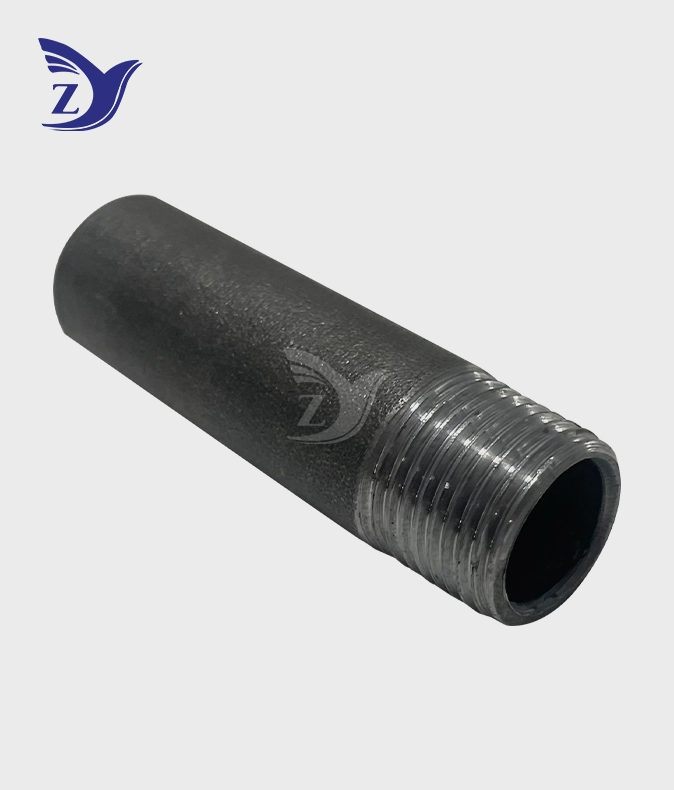
Carbon Steel Pipe Male Threaded Fittings Sand Blasted
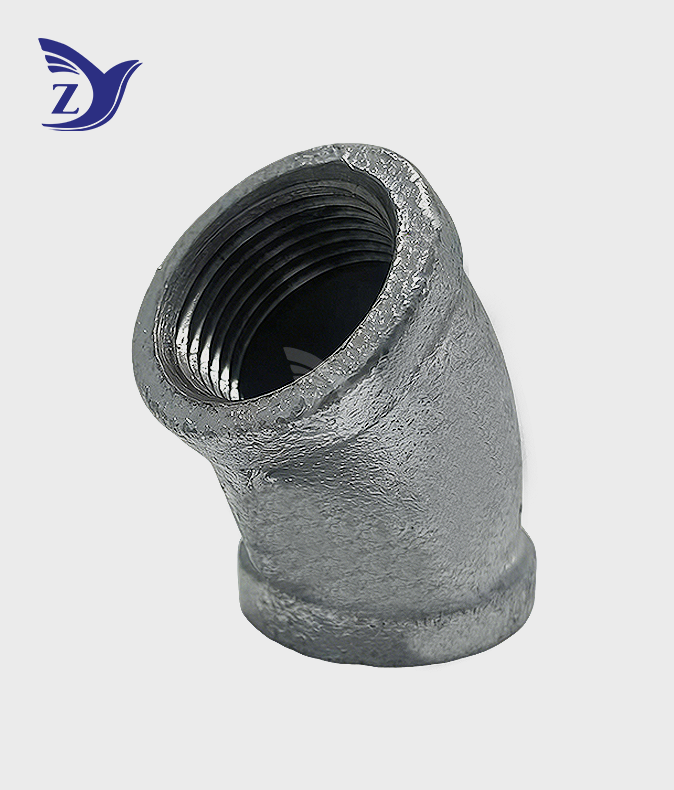
NPT Square Face Galvanized 45° Square Edge Elbow Pipe Fittings
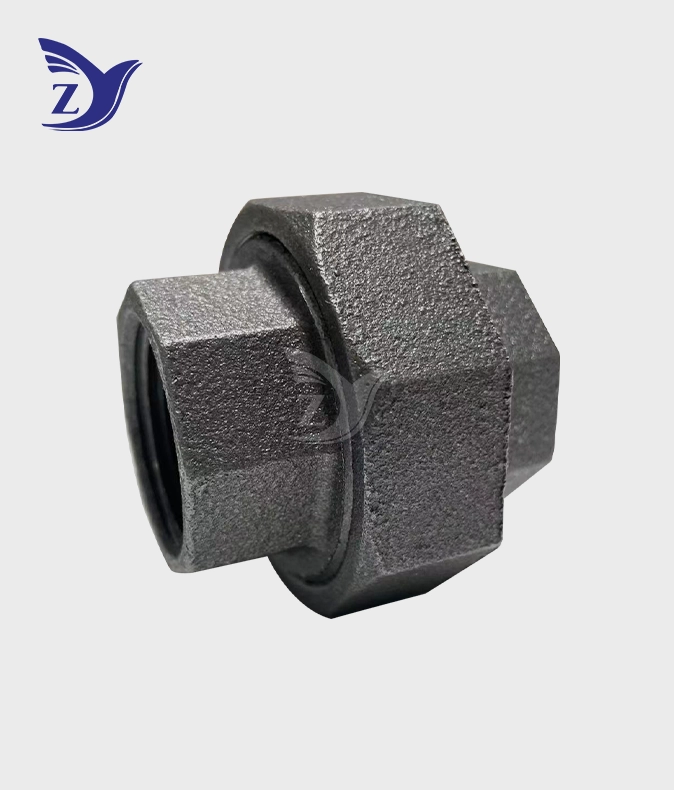
NPT Black Union 342 Pipe Fittings
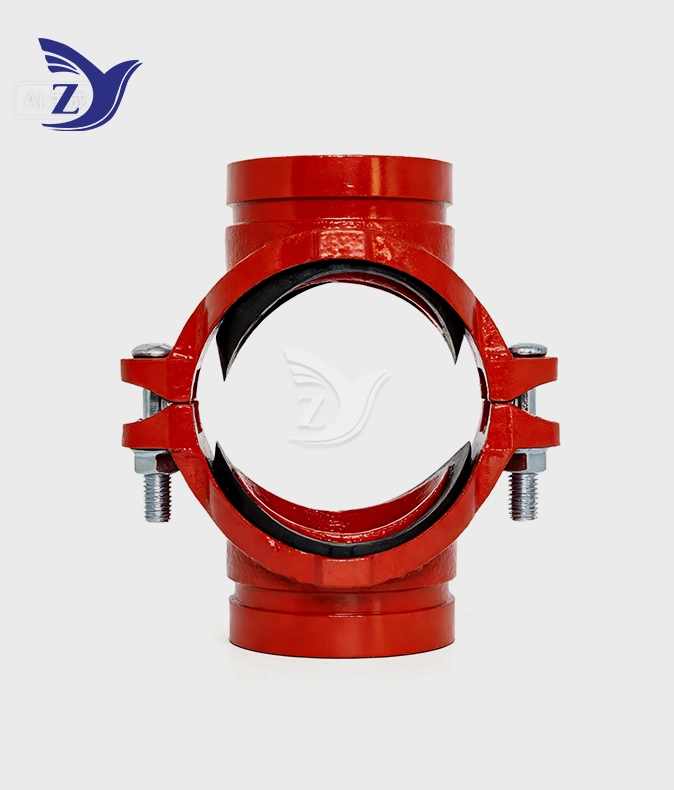
Threaded Mechanical Cross
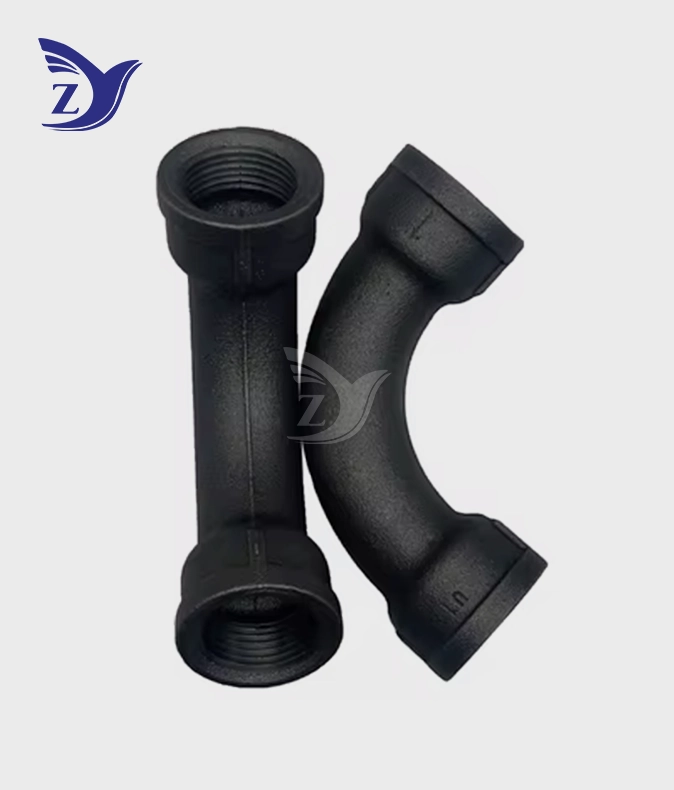
BSPT Black FxF 90° Long Bend Malleable Iron Pipe FittingsFittings
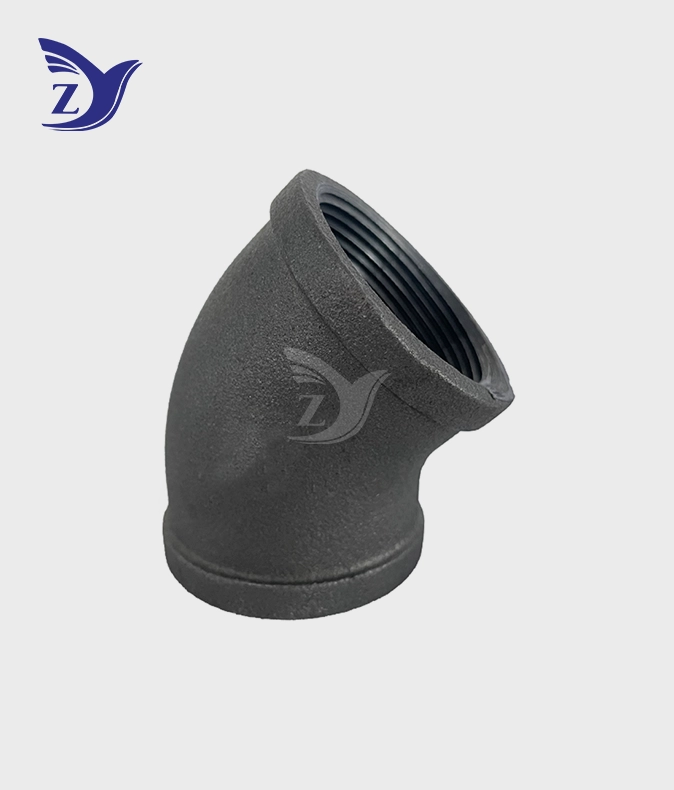
NPT Black Square Face 45° Elbow Pipe Fittings
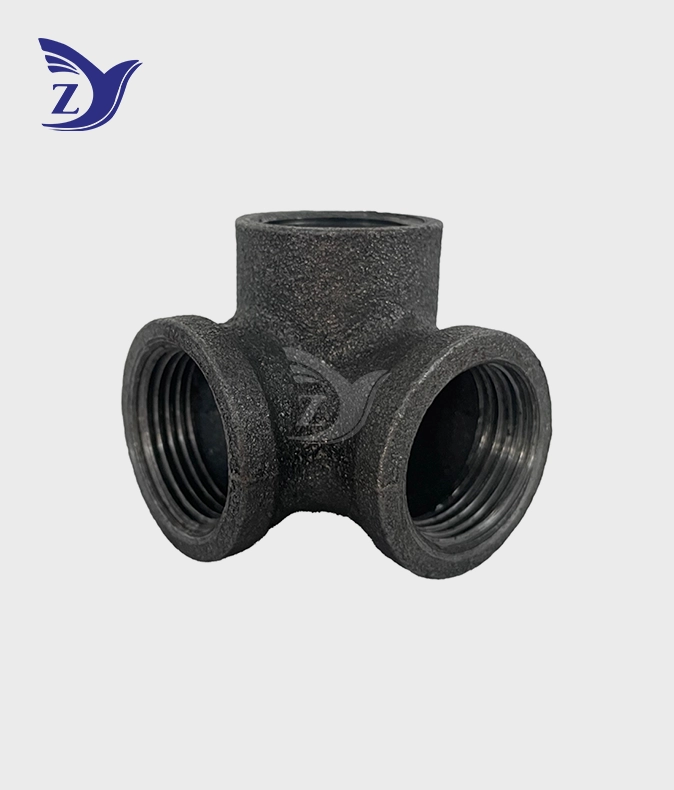
NPT Black Malleable Iron Tee Pipe Fittings
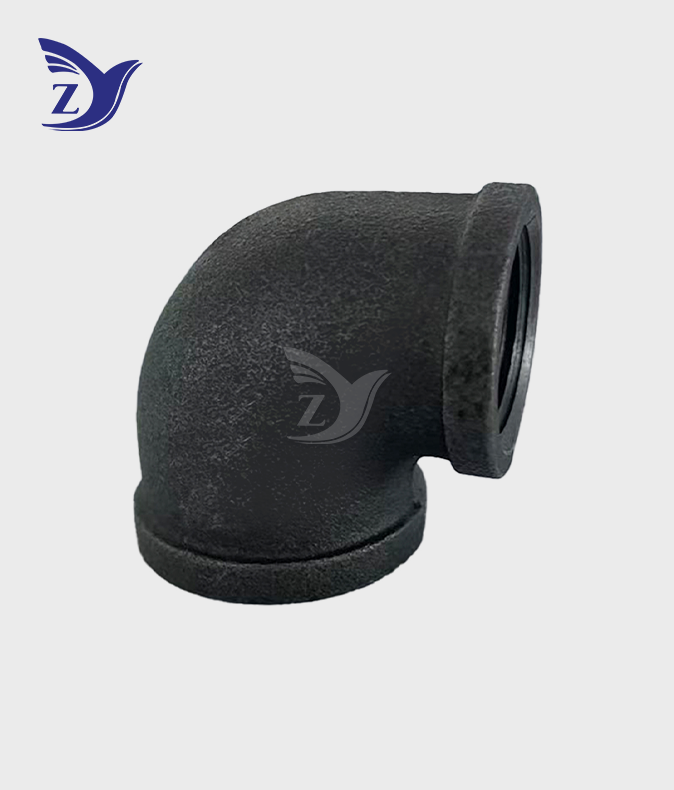
NPT Black Square Edge Reducing 90° Elbow