
Feb 28, 2026
How should malleable iron parts be protected against corrosion?
The Importance of Anti-corrosion Treatment for Malleable Iron Components and Protective Measures in Engineering Projects
The effectiveness of anti-corrosion treatment for malleable iron components is crucial to the entire engineering project. The quality of anti-corrosion directly affects the overall quality and service life of the project, and also relates to the later operational stability and construction progress. Under normal use and with adequate anti-corrosion measures, the service life of malleable iron components can reach up to 50 years. So, how should anti-corrosion work be carried out on malleable iron components in practical applications?
I. Adding an Anti-corrosion Coating to the Inner Wall
To effectively prevent corrosion of the inner wall of malleable iron pipe components, reduce frictional resistance during fluid transportation, and improve pipeline transportation efficiency, a special anti-corrosion film is usually sprayed onto the inner wall of the malleable iron pipe components. Currently, commonly used anti-corrosion coatings are mainly amine-cured epoxy resin and polyamide epoxy resin, with the coating thickness generally controlled between 0.038 and 0.2 mm. To ensure that the coating can firmly adhere to the pipe wall, the inner wall of the pipe must be properly surface-treated before construction to improve adhesion and anti-corrosion effect.
II. Adding an Insulation Coating to the External Wall
To reduce excessive heat loss during operation of malleable iron (MAI) pipes and ensure transport efficiency, an insulation protective coating can be added to the outer wall of the pipe. The commonly used insulation coating material is rigid polyurethane foam, with a suitable temperature range of -185~95℃. This material itself is relatively soft; to further improve structural strength and protective capabilities, a high-density polyethylene layer is usually wrapped around the outside of the insulation layer, forming a composite protective structure. This effectively prevents groundwater from seeping into the insulation layer and extends its service life.
Malaloyed iron (MAI) pipes have a wide range of applications, mainly suitable for the installation and construction of various equipment pipelines in industrial buildings. During actual use, influenced by environmental and media factors, malleable iron (MAI) pipes are prone to internal and external wall corrosion under electrochemical action. According to the corrosion form, it can be divided into overall corrosion and localized corrosion; according to the corrosion process, it can be divided into chemical corrosion and electrochemical corrosion.
To significantly improve the corrosion resistance of malleable iron (MAI) pipes, professional anti-corrosion treatment is usually required before they are put into use. Meanwhile, during daily use, the concentration of corrosive media around and inside the pipeline should be minimized as much as possible to prevent further corrosion and ensure long-term stable operation.
Furthermore, the appropriate selection of anti-corrosion materials is crucial when treating malleable iron (MIG) pipelines, as material performance directly affects the overall quality of pipeline corrosion protection. Therefore, when carrying out anti-corrosion work, suitable anti-corrosion materials must be selected based on the operating environment, the transported medium, and protection requirements to ensure ideal anti-corrosion effects. Generally, the commonly used materials for anti-corrosion of malleable iron pipelines include the following:
- 3PE Anti-corrosion Material** This type of anti-corrosion material uses polyethylene and polypropylene as the main raw materials. Epoxy resin anti-corrosion materials can also be used as substitutes, such as epoxy resin composite coatings, phenolic epoxy coatings, and various polymer composite materials. These can all be used for anti-corrosion treatment of malleable iron pipelines and possess excellent anti-corrosion and protective performance.
- Epoxy Coal Tar Anti-corrosion Material** This type of anti-corrosion material is mainly constructed by combining asphalt anti-corrosion coating with polypropylene non-woven fabric. If corrosion protection requirements are relatively low, cement mortar can be chosen. The excellent sealing and protective properties of cement mortar can achieve corrosion protection for malleable iron pipe fittings.
- Anti-corrosion Wrapping Tape** Malleable iron pipe fittings can also be protected against corrosion using anti-corrosion wrapping tape. Commonly used tapes include polyethylene anti-corrosion tape, polypropylene reinforced fiber anti-corrosion tape, and aluminum foil UV-resistant anti-corrosion tape, which are convenient to apply and highly adaptable.
Online Message
YOU MAY LIKE
High quality furniture manufacturer
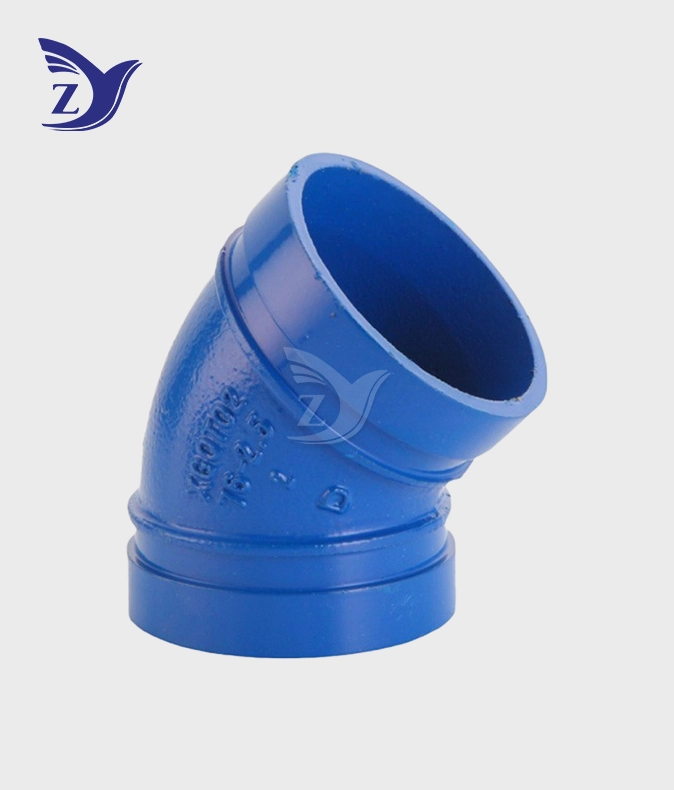
Water Grooved 45° Elbow
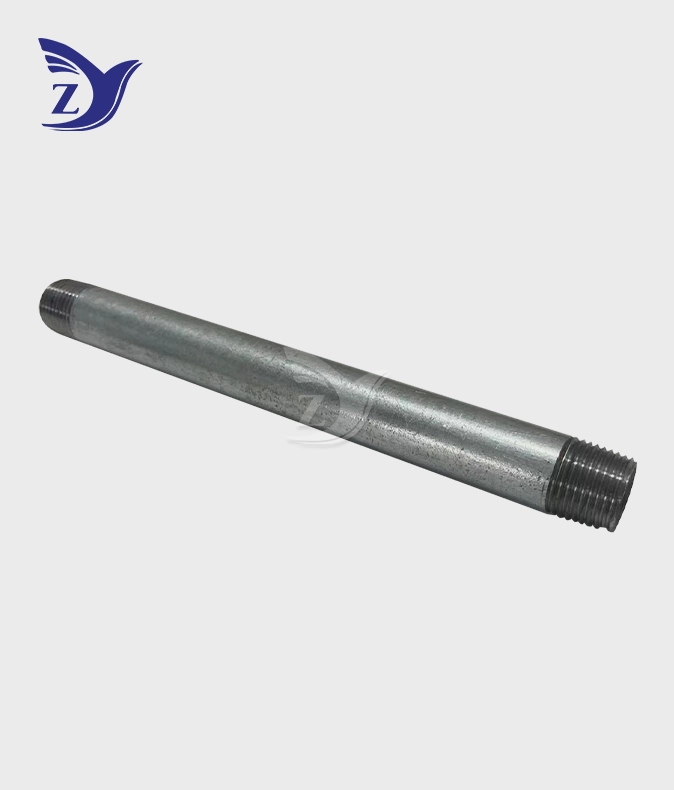
Carbon Steel Pipe Male Threaded Fittings Hot Dip Galvanized
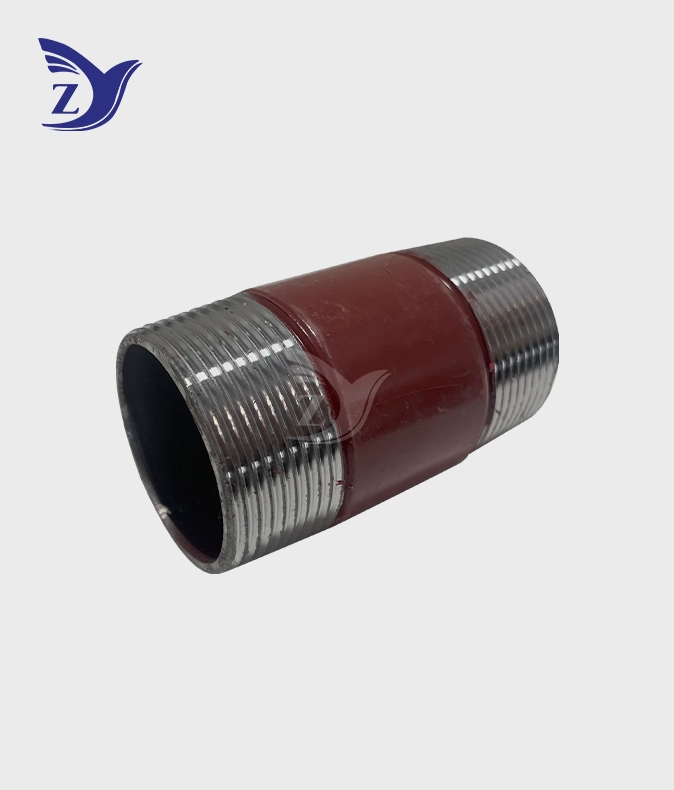
Carbon Steel Pipe Male Threaded Fittings Red Coated
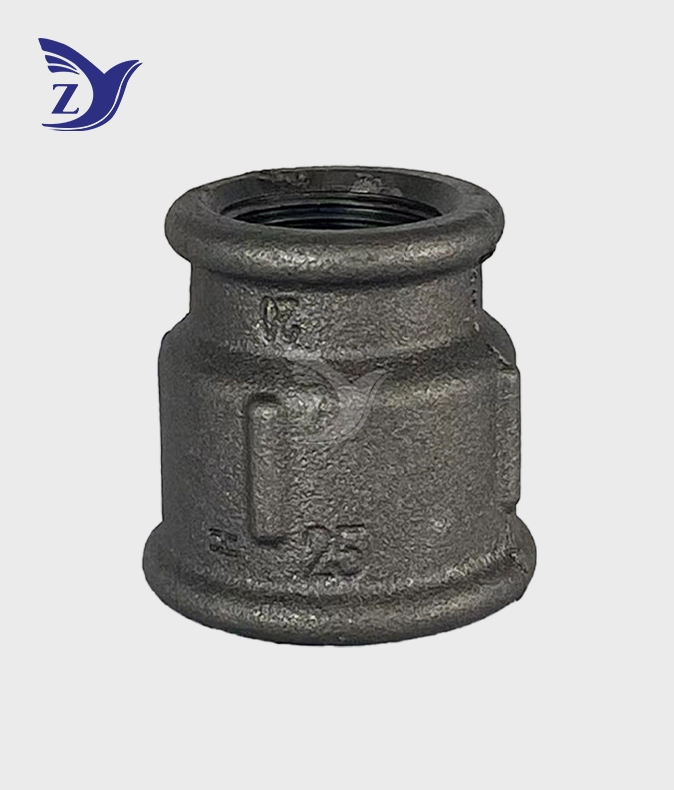
NPT Black Round Face Reducing Coupling Pipe Fittings
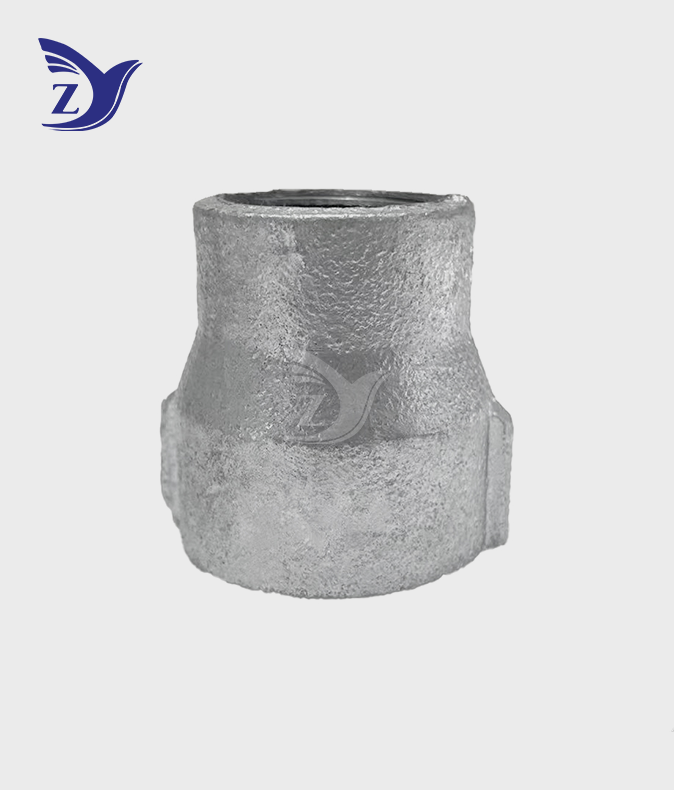
No Hub Hot Dip Galvanized Reducing Coupling Pipe Fitting
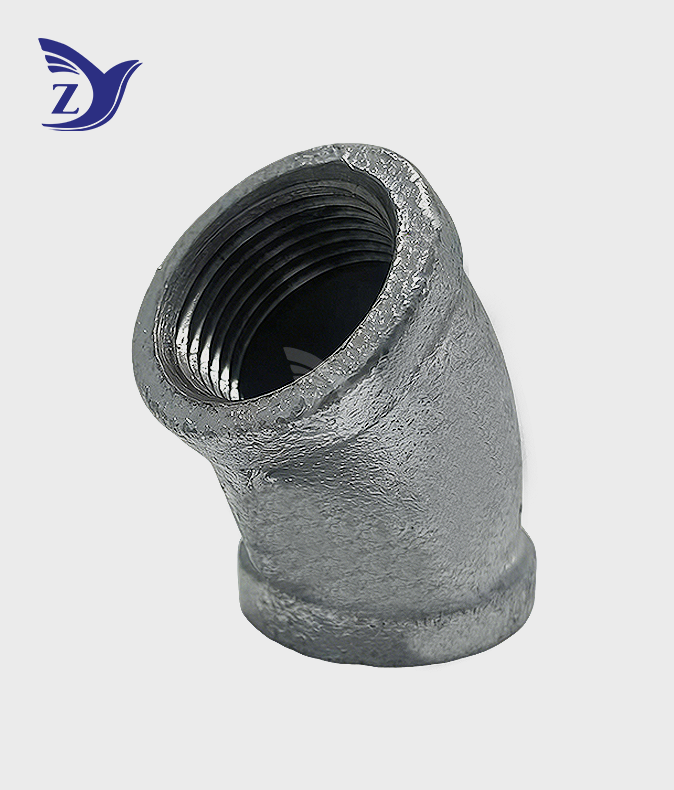
NPT Square Face Galvanized 45° Square Edge Elbow Pipe Fittings
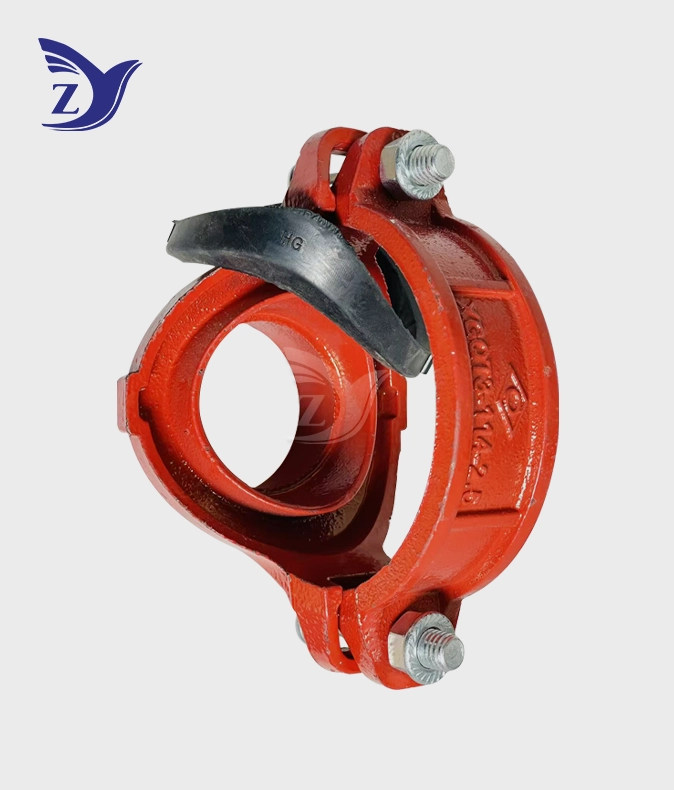
Fire Grooved Mechanical Tee
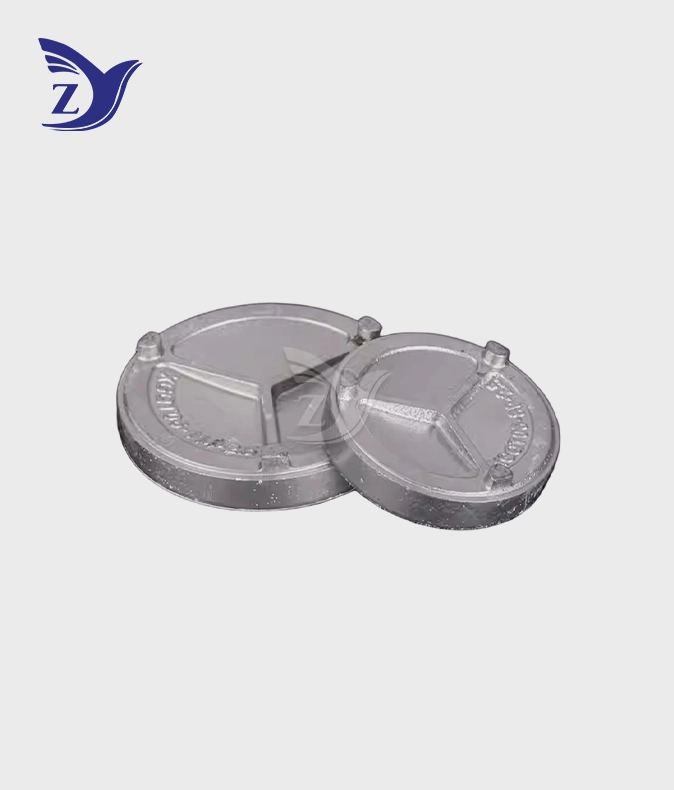
Water Grooved Blind Flange