
Jun 22, 2026
How is the galvanized reducing tee made?
Galvanized reducing tees are made using an exact, multi-step process that turns raw, malleable iron into threaded pipe fittings that don't rust. NPT square face galvanized square edge reducing tee pipe fittings are made by carefully choosing materials that meet ASTM A197 standards, then making the tee shape, threading precisely to NPT standards, and coating with a hot-dip galvanization process. In industrial settings, this makes sure that the links are strong, don't leak, and protect against rust and weather damage for a long time.
At Zhiyuan Malleable Steel, we've seen how choosing the right part can make or break a job. Our NPT square face galvanized square edge reducing tee pipe fittings protect against corrosion and strengthen the structure. They solve common problems like thread stripping during installation and rusting before it's time. This guide shows the whole process of making fittings, which helps purchasing managers, engineers, and dealers understand what makes good fittings different from bad ones. To make smart buying choices, you need to know how these parts are made and why certain design elements are important for your needs.
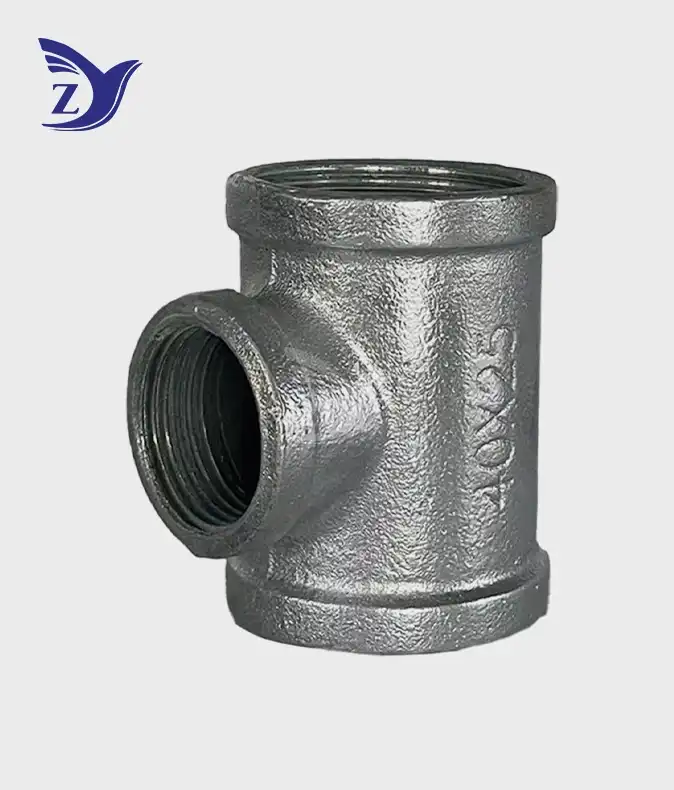
Galvanized Reducing Tees and NPT Square Face Design
What Makes Reducing Tees Essential for Pipeline Systems?
NPT square face galvanized square edge reducing tee pipe fittings are three-way links that make it easy for pipes with different diameters to join to each other. The word "reducing" means that at least one of the openings is smaller than the others. This is usually written as Run x Run x Branch size. This setup gets rid of the need for multiple reducer joints, which speeds up installs and lowers the number of places where leaks could happen. The galvanized coating, which is a layer of zinc that is metallurgically bound, protects the malleable iron underneath from the water, oxidation, and chemicals that are common in industrial settings.
NPT Threading and Square Face Design Advantages
In North American markets, National Pipe Taper fitting is the standard for mechanical plugs that keep out pressure. The NPT standard has a 60-degree thread angle and a 1:16 taper ratio. These two factors interact to create interference that stops leaks when PTFE tape or pipe dope is used to seal the joint correctly. Square face designs are different from round or curved edge designs because they have stronger bands at the thread holes. This flat surface geometry makes it easier to hold a wrench, so workers can apply the appropriate torque without deforming the fitting body, which happens a lot with round-bead versions that are only used for looks during high-pressure installations.
Material Selection and Hot-Dip Galvanization Process
The main material for these parts is black heart malleable iron that meets ASTM A197 standards. This requirement makes sure that the minimum tensile strength is 40,000 psi and that the material has good stretch qualities that keep it from breaking easily when it's stressed. In the hot-dip galvanization process, cleaned parts are put into liquid zinc that is about 840°F. This makes a coating that is usually more than 85 microns thick. This metallurgical bond lasts longer than paint or electroplating, and it can withstand decades of rust even in outdoor sites that are subject to changing weather.
Step-by-Step Manufacturing Process of Galvanized Reducing Tee Fittings
Raw Material Selection and Quality Verification
The first step in making something is getting high-quality, malleable iron that meets foreign standards like ASTM A197 and ISO 5922. We do chemical makeup research to make sure that the amounts of carbon, silicon, and trace elements are within certain limits. This makes sure that the material is flexible enough to not crack when exposed to changes in temperature and force. Before they can be used in production, batches of raw materials are tensile tested to make sure they meet the minimum 40,000 psi strength standard needed for pressure-rated uses.
Casting and Forming the Tee Configuration
We use eight sets of medium frequency electric ovens to melt the malleable iron to exact temperatures for the production process. Melted metal is poured into sand molds that are made to make the three-way tee shape with the right wall thickness for Class 150 or Class 300 pressure ratings. At this stage, the square edge is made by a special mold design that adds bands to each hole to make it stronger. Cooling happens in controlled settings to keep internal stresses from building up and weakening the structure.
Precision Threading Application
After being cast and cooled, each part is annealed in our natural gas ovens, which use less energy. This heat treatment process changes the hard white iron into soft black iron with a flexible center. The 156 sets of precise machining tools used in threading operations are then used to cut NPT threads in line with ANSI/ASME B1.20.1 standards. Tight standards are kept on thread depth, pitch, and taper angle by computer-controlled machinery. To make sure the seal works right, the standout measurement—the distance from the fitting face to where the threads engage—must be within one turn of what it should be.
Hot-Dip Galvanization Coating Application
As NPT square face galvanized square edge reducing tee pipe fitting of the preparation for galvanization, acid pickling is used to remove mill scale, rust, and other surface contaminants. After that, a flux layer is put on the fittings before they are put into our electric heating environmental protection galvanizing ovens. The thickness of the layer is determined by the temperature and length of time it is immersed in the zinc bath. We check this with magnetic thickness scales and the Preece test described in ASTM A239. This quality check makes sure that the covering is the same on all surfaces, even the threaded parts inside and the hollow spots where rust usually starts.
Rigorous Inspection and Compliance Testing
Before goods are certified, quality control protocols include several steps of checking them. For thread gauging, accurate L1 and L2 ring gauges are used to make sure that NPT specs meet ASME B1.20.1 standards. Random batch sample is put through hydraulic pressure tests at up to 450 psi for Water-Oil-Gas rated fittings. This makes sure that the casting has no holes in it. Square face banding is looked at visually to see if there are any slag inclusions or casting gaps. We make sure that all three axes are perfectly aligned at 90 degrees. If they aren't, stress builds up and the machine breaks down early in use. These thorough checks make sure that every part that leaves our 50,000-square-meter factory has the right ISO 9001, CE, UL, and FM certifications.
Benefits and Applications of Galvanized Reducing Tee Pipe Fittings
Corrosion Resistance and Extended Service Life
It is best to use hot-dip galvanized joints because they are very good at stopping rust and rusting from spreading. The zinc layer acts as a sacrifice anode, corroding more quickly to protect the iron base below. This galvanic protection makes the useful life of black iron parts much longer than when they are not coated, especially when they are used outside or in damp places. Field data from city water systems shows that zinc fittings usually last 30 to 50 years before they need to be replaced.
When compared to stainless steel options, galvanized reducing tees offer strong cost-benefit advantages. Stainless steel fittings are better at resisting chemicals, but they usually cost three to four times more than galvanized iron fittings that can be shaped. For a lot less money, the threaded reducing tee with a coating that resists corrosion is a good way to protect most commercial water and gas pipeline branching uses. Because of this, zinc fittings are the best choice for projects that need to stay within a budget and where chemicals will not be present in large amounts.
Key Applications Across Industrial Sectors
High-strength, non-rusting, and malleable iron parts are very important in many fields. For sprinkler system installs, where dependability has a direct effect on life safety, fire protection engineering depends on these parts. The square edge design makes sure that workers can get the right torque values without deforming the fitting, which is important for keeping the pressure integrity of the system. Reducing tees are used in commercial HVAC systems to split supply lines from main distribution heads to individual zone controls.
Industrial-grade pipe fittings that can handle regular pressure changes and being exposed to the outdoors are needed for municipal water supply systems. Our NPT square face galvanized square edge reducing tee pipe fittings make it easy for engineers to switch between pipe sizes without changing the way the fluid flows. The three-way flow and efficient diameter transition features help natural gas distribution networks. This is because they allow for stepped pressure reduction from transmission mains to home service lines. These corrosion-proof parts are used in petrochemical plants' process water systems and safety shower setups, where failure would be dangerous for both operations and workers.
Maintenance Practices to Maximize Fitting Lifespan
Routine review procedures help find problems before they become system breakdowns. A visual inspection should look for white rust, which means the zinc covering is wearing off. Small amounts of surface rust don't need to be fixed right away, but large amounts of layer loss need to be planned for replacement. Thread joints should be checked for weeping or moisture buildup that means the seal is failing on a regular basis. Small leaks can be fixed by retightening connections during routine maintenance, but if you tighten them too much, you could damage the threads.
Conclusion
Galvanized reducing tees are made using metallurgy science, precision engineering, and strict quality control to make sure they are effective pipeline parts. When procurement workers know how NPT threading, square face reinforcement, and hot-dip galvanization all work together, they can choose parts that will last for a long time. Because galvanized malleable iron is cheap, these fittings are good choices for fire safety, public works, business building, and industry uses where corrosion resistance and pressure integrity are important.
Choosing high-quality fittings from approved makers saves project investments and makes sure that building codes are followed. This guide talks about technical specs, testing methods, and approval standards that can be used to figure out what a supplier can do and if a product is right for you. With this information, buyers can easily make choices about purchases that meet performance needs, stick to budgets, and meet delivery dates.
FAQ
What advantages does the square edge design provide compared to round-bead fittings?
The square face has strengthened material banding at the thread holes that make flat areas that pipe wrenches can grab. This reinforcement lets workers use more power without cracking the fitting body, which is a typical way for cosmetic round-bead designs to fail. The improved wrench grip is especially useful in small areas or when working with bigger diameter fittings that make it hard for installers to apply the right amount of seal torque.
How do I properly read reducing tee size specifications?
The standard in the industry is to show the measurements as Run x Run x Branch, with the smaller diameter being on the branch outlet. The diameter of the main run stays at 2 inches thanks to a 2-inch by 2-inch by 1-inch reducing tee. On the branch link, the diameter drops to 1 inch. This way of measuring helps make sure that the fittings are installed correctly and makes the buying process easier.
Can galvanized malleable iron fittings be used for potable water systems?
According to the Safe Drinking Water Act, modern drinking water codes need proof that the water is lead-free, which is usually described as having less than 0.25% lead level. In the past, malleable iron was used for potable water uses. However, before selecting these fittings for drinking water distribution systems, procurement managers must make sure that the manufacturer's certification papers address lead-free compliance.
Partner With Zhiyuan Malleable Steel for Certified Industrial Pipe Fittings
Zhiyuan Malleable Steel has been researching and making pipes and castings for 26 years. We use that knowledge in every NPT square face galvanized square edge reducing tee pipe fittings we make. Our factory in Shanxi Province is ISO 9001 certified and uses cutting edge production tools and trained labor to make more than 1,000 different products that meet ASTM, ANSI, CE, UL, and FM standards. Our 30,000-ton annual capacity can handle projects of any size, whether you need standard goods sent within two hours or OEM solutions made just for your needs.
Procurement managers like our all-around service approach, which includes paperwork on how materials can be tracked, certificates of pressure testing, and promises that any defective products will be replaced. As a reliable provider of NPT square face galvanized square edge reducing tee pipe fittings, we know how important it is for pipeline parts to work properly. Our engineering team works with end users, dealers, and builders to find the best fittings for systems that provide water and gas, protect against fire, and run industrial processes. Email us at q1236800000@gmail.com to talk about your needs and get accurate prices. You can look at our full line of products at zymalleablepipefitting.com and learn how our focus on quality makes customers happy in the business, local, and industrial sectors around the world.
References
1. American Society for Testing and Materials. "ASTM A197 Standard Specification for Cupola Malleable Iron." ASTM International Standards, 2019.
2. American Society of Mechanical Engineers. "ASME B16.3 Malleable Iron Threaded Fittings: Classes 150 and 300." ASME Pressure Technology Codes and Standards, 2020.
3. American National Standards Institute. "ANSI/ASME B1.20.1 Pipe Threads, General Purpose (Inch)." American National Standards Institute Publications, 2018.
4. American Society for Testing and Materials. "ASTM A153 Standard Specification for Zinc Coating (Hot-Dip) on Iron and Steel Hardware." ASTM International Standards, 2021.
5. International Organization for Standardization. "ISO 5922 Malleable Cast Iron." International Standards for Materials and Testing, 2017.
6. Trethewey, Kenneth R. and Chamberlain, John. "Corrosion for Science and Engineering." Longman Scientific & Technical Publishers, Second Edition, 1995.
Online Message
YOU MAY LIKE
High quality furniture manufacturer
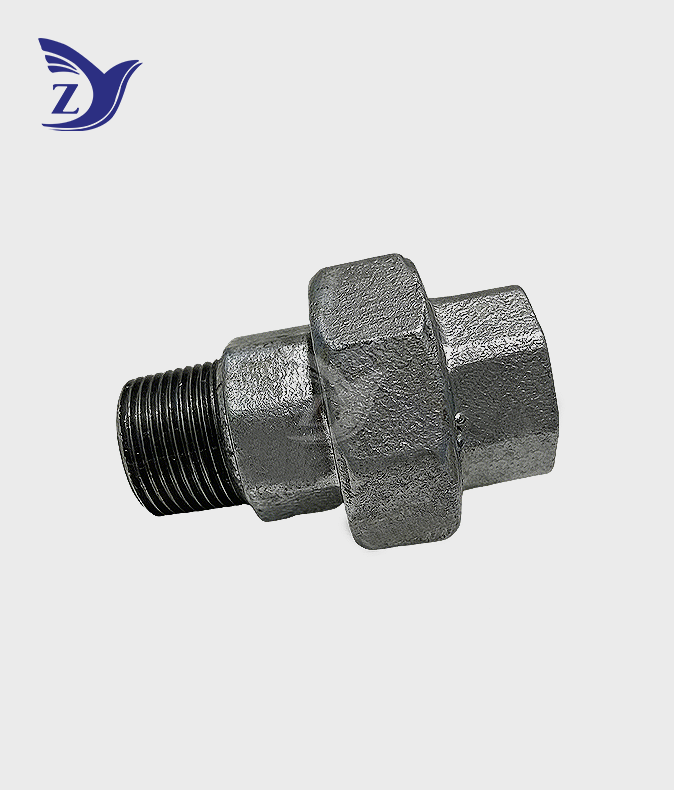
NPT Galvanized Male Female Threaded Union 343 Pipe Fittings
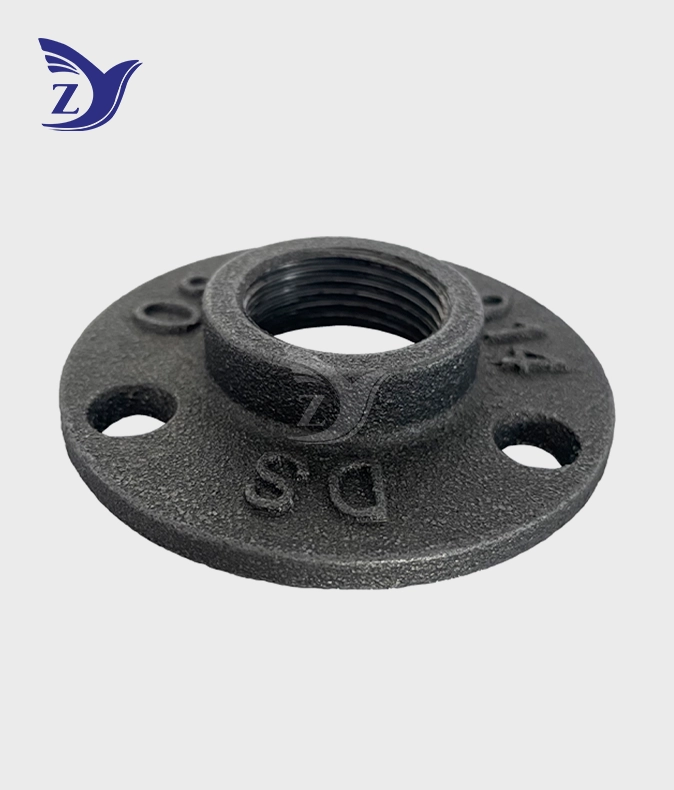
NPT Black Flange Pipe Fittings
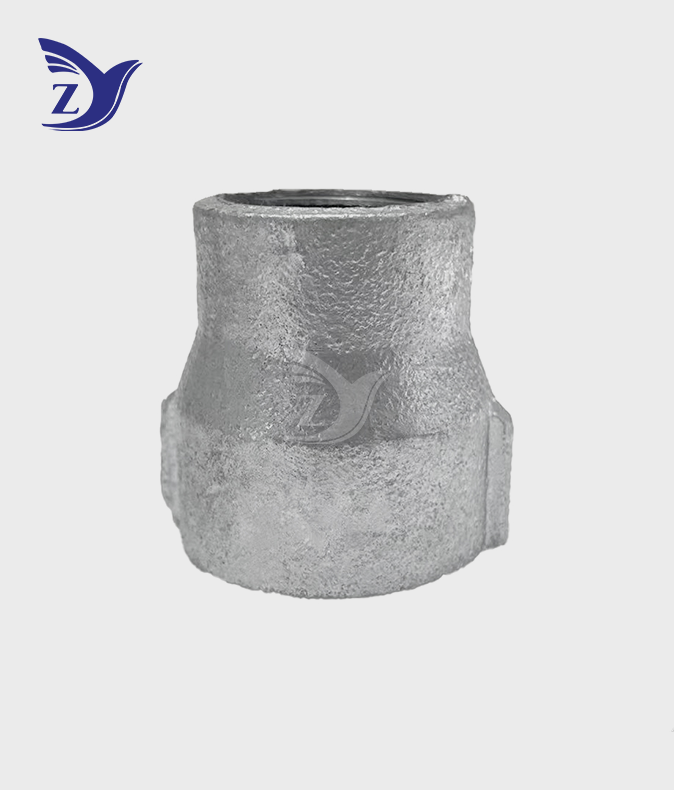
No Hub Hot Dip Galvanized Reducing Coupling Pipe Fitting
NPT Black Male-Female Union 343 Pipe Fittings
Class 300 Hot Dipped Galvanized Malleable Iron Equal Tee
NPT Black Male-Female Union 331 Pipe Fittings
NPT Square Face Galvanized 45° Square Edge Elbow Pipe Fittings
Water Grooved Reducer