
May 8, 2026
Galvanized vs Stainless Steel Threaded Union 343 Pipe Fittings Compared
Choosing the right threaded union is very important for making sure that industrial plumbing systems last and work well. galvanized male female threaded union 343 pipe fittings are very cheap and don't rust, which makes them perfect for uses in water supply, HVAC, and fire protection. Stainless steel joints are strong and don't react with chemicals, so they are good for tough places like petrochemical plants. When procurement professionals know about the qualities of materials, their pressure ratings, and how well they work with other materials and environments, they can choose parts that meet the needs of the project and keep the system reliable and cost-effective throughout its operating lifecycle.
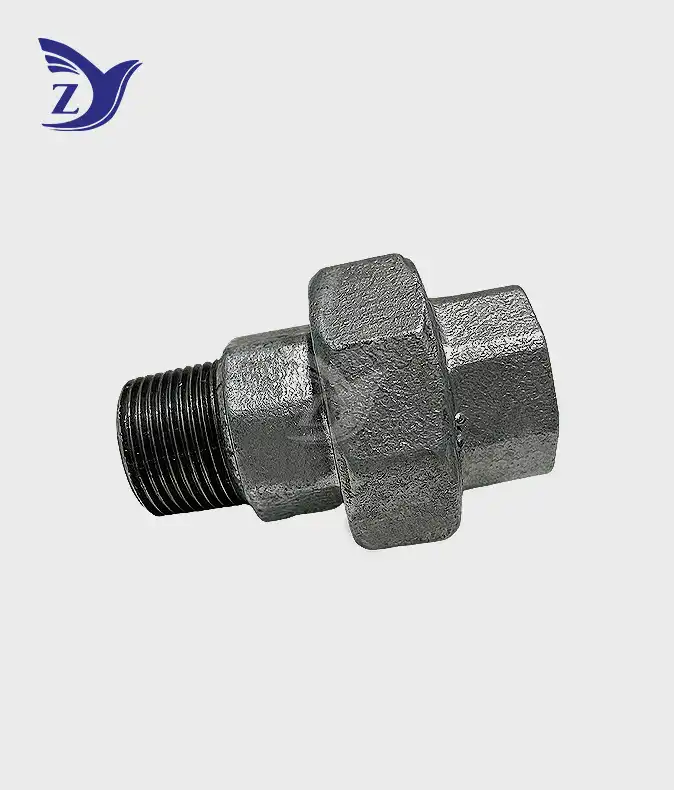
Galvanized and Stainless Steel Threaded Union 343 Pipe Fittings
What Are Galvanized Male Female Threaded Union 343 Pipe Fittings?
Galvanized male female threaded union 343 pipe fittings are special break points made of pliable iron that have one threaded end on the inside and one threaded end on the outside. The Figure 343 design is different from most female-to-female unions because it works as both a union and an adapter, so there is no need for a middle nipple. Compared to standard nipple-and-union systems, this dual-threaded, detachable pipe connection cuts leak paths by 50%. This solves important space efficiency problems in boiler manifolds and pump housings.
Material Composition and Manufacturing Standards
The iron used to make these industrial-grade pipe joiners is either ASTM A197 or ISO 5922 malleable iron, which gives them great strength to impact and flexibility. The ASTM A153 standard calls for a hot-dipped zinc covering that is usually more than 70 microns thick. This coating protects against oxidation in damp places. For NPT profiles, threading follows ANSI/ASME B1.20.1, and for BSPT threads, it follows ISO 7/1. This makes sure that taper interference creates pressure-tight rings. Most types of stainless steel are made from grades 304 or 316, which are more resistant to chemicals and have tensile strengths of over 515 MPa.
Common Applications Across Industries
These precision-threaded fittings are used by fire protection engineering firms in sprinkler systems and hydrant installs where they need to be able to be taken apart easily for upkeep. Municipal engineering projects depend on them for water supply and drainage systems in residential and commercial buildings. For process pipes that handle corrosive chemicals, petrochemical plants use stainless steel versions. For community supply networks, water companies prefer galvanized versions. The design that is suitable with both NPT and BSPT makes it easy to connect to current infrastructure in a wide range of industries.
Comparing Galvanized vs Stainless Steel Threaded Unions: Performance and Benefits
Corrosion Resistance and Environmental Durability
How well these materials resist rust is what makes them different from each other. For galvanized male female threaded union 343 pipe fittings to work, the zinc layer has to rust before the base iron. This protects the pipes in both air and water situations. With pressure levels usually at Class 150 (300 psi maximum), this anti-rust malleable iron construction works very well in temperatures from -20°F to 150°F. Stainless steel unions don't rust because a chromium oxide layer forms on them. This makes them better in settings that are acidic, alkaline, or chlorinated, where galvanized coats would break down quickly.
Mechanical Strength and Pressure Ratings
Performance under stress shows that each material has its own unique benefits. Galvanized unions have a minimum tensile strength of 330 MPa and an extension of more than 8%, which means they can handle shaking and temperature changes without breaking. In metal-to-metal setups, the conical joint seat design lets the parts be taken apart more than once without having to change the gasket. This lowers the cost of upkeep. Stainless steel unions can handle higher working pressures, usually PN25 (25 bar) at temperatures up to 120°C, and keep their shape when temperatures change quickly, which would damage galvanized coats. The male end that is cast into the tail flanged piece takes away the mechanical weakness that comes from welding parts together.
Cost Analysis and Total Ownership Considerations
When buying teams are watching their budgets, they need to compare the original investment to the total cost of ownership over the life of the product. Galvanized fittings are about 40–60% less expensive than stainless steel ones, which makes them a good choice for big projects that won't be exposed to harsh environments. The cost of installation is about the same for both types, but galvanizing threads need sealer or tape to work, while dry assembly is sometimes possible with stainless steel threads because they are more precise. In corrosive settings, zinc unions may need to be replaced twice in 15 years, but stainless steel systems often last longer than 30 years without breaking down. This longer durability makes up for higher initial costs in chemical processes or coastal sites where it's hard to get new parts.
Procurement Considerations for Galvanized and Stainless Steel Threaded Unions
Selecting Appropriate Sizes and Thread Standards
Specifications that are exact avoid expensive delays and problems with connectivity. The number 343 means that the fitting is a male-female setup, but buyers must check the thread types to make sure they are NPT (National Pipe Taper with 60-degree flank angle) or BSPT (British Standard Pipe Taper with 55-degree flank angle and 1:16 taper). Size ranges usually cover nominal diameters from 1/8" to 4", but supply varies by maker. Fire protection installers look for UL or FM certified choices that meet NFPA standards, while construction and city planning firms need detailed size charts to match pipe schedules.
Evaluating Supplier Quality and Certifications
Manufacturers with a good reputation show cooperation through strict testing methods. Important checking criteria include using accurate NPT plug and ring gauges to measure threads, pneumatic testing at 80–100 psi to look for flaws in the casting, and Preece copper sulfate tests to make sure the zinc coating is even. ISO 9001 approval makes sure that quality management is always the same, and CE marking makes sure that the product meets European safety standards. When buying plumbing supplies, wholesalers and sellers should ask for mill test papers that show what the materials are made of and how they work. This is especially important for projects that need proof for insurance or government approval.
Here are the core factors distinguishing exceptional suppliers from marginal sources:
- Production capacity exceeding 30,000 tons annually demonstrates scalability for large municipal contracts
- Inventory depth enabling delivery of standard specifications within two-hour timeframes minimizes project delays
- Customization capability through OEM/ODM services addresses non-standard requirements in power fittings or specialized castings
- Defective product replacement policies backed by comprehensive quality assurance protocols
These skills come in very handy when managing supply lines across foreign borders or arranging delivery schedules for multi-phase building projects. Trading companies and exporters gain the most from partners who offer full standard ranges. This makes managing vendors easier and makes sure that quality is consistent across all product lines.
Commercial Terms and Bulk Pricing Strategies
When you buy more than 10,000 units, you can often get 15–25% off the price, which has a big effect on project funds. Most of the time, payment terms range from 30% down and the rest due on arrival for repeat buyers to LC at sight for new foreign relationships. Lead times depend on how complicated the design is. Standard galvanized unions ship in one to two weeks, but unique stainless metals or non-standard threading may take four to six weeks. When wholesale wholesalers negotiate yearly supply agreements, they get better prices, and when project-based engineering buyers get framework contracts that promise availability during building windows, they save money.
Installation, Maintenance, and Longevity of Galvanized and Stainless Steel Threaded Unions
Proper Installation Techniques for Leak-Free Connections
To get safe joints, you need to pay attention to the strength requirements and how the sealant is applied. NPT threads need PTFE tape wrapped three full turns clockwise or pipe dope applied only to the male threads to keep the female threads from getting dirty. Installers should tighten the union by hand until they feel resistance. Then, they should use wrench torque that is about 1.5 times the width of the pipe in feet to make sure it fits properly. Too much torque can crack the pliable iron body, while too little torque can cause weeping at the thread contact. The 343 unions are easy to take apart, which lets you make changes without cutting the pipes. However, putting them back together more than five times may damage the threads and mean they need to be replaced.
Maintenance Protocols and Inspection Schedules
Visually checking for zinc covering wear on galvanized units every 6 to 12 months in outdoor installations is part of routine checks that extend the life of fittings. Surface rust buildup means the layer is failing and needs to be replaced before puncture happens. Especially in chlorinated water systems, stainless steel unions need to be checked once a year for crevice rust at the gasket surfaces. Every year, maintenance teams should check that the union nuts are still tight because thermal cycling can make links soften over time. For cleaning galvanized fittings, light acidic solutions are used to remove mineral deposits. For cleaning stainless steel, mechanical brushing is used instead of rough methods that damage protected layers.
Troubleshooting Common Issues and Replacement Indicators
Problems with operations usually show up as leaking joints, drops in pressure, or rust that can be seen. Weeping is usually caused by threads that aren't engaged enough or sealing surfaces that are broken. To fix this, tighten the screws again with the right amount of force or replace the gaskets on flat-seat designs. Drops in pressure are a sign of internal scaling, which happens to zinc fittings after 7–10 years in hard water environments and means they need to be replaced instead of being cleaned. White rust on zinc surfaces means that they were stored in water, but it won't affect how well they work as long as the layer is still there. If the pitting depth is more than 20% of the wall thickness or cracks are found during checks, the system must be replaced right away to avoid a catastrophic failure in pressure systems.
Making the Final Decision: Which Pipe Fitting is Right for Your Business?
Matching Material Selection to Operating Conditions
More than starting cost, environmental factors determine the best materials to use. Galvanized unions work great in places where they are exposed to air, like HVAC systems, water delivery below 140°F, and natural gas pipes where hydrogen sulfide levels are low. Their performance drops quickly in settings with a lot of chloride or acidic vapor returns, or when they are submerged in water that is 180°F+ for a long time, as the zinc coating breaks down. Stainless steel is needed for chemical processes, pharmaceutical grade systems, naval installations, and any other use where the pH level needs to be between 6 and 9.
Balancing Budget Constraints with Lifecycle Economics
Capital spending boundaries and long-term value are two things that procurement experts have to deal with. Galvanized solutions are better for projects that need to be replaced every 5 to 7 years because they require less money up front and only minor upkeep. Water treatment plants, hospital mechanical systems, and industrial facilities are all examples of critical infrastructure projects that can afford the higher cost of stainless steel because they don't need to be fixed when they break down, and they last for 30 years or more. When you figure out the total cost of ownership, you have to include the cost of work for replacement, the draining of the system during upkeep, and the possible loss of production during repairs.
Partnering with Established Manufacturers for Risk Mitigation
Reliability in the performance of the supply chain is what sets good partners apart from competent sellers. When manufacturers offer expert advice during the design process, it helps people avoid making mistakes that could cost a lot of money, like selecting galvanized fittings for uses that are too hot or too chemically aggressive. Being able to get all of your products from a single source makes buying easier. You can get everything from 1/8" to 4" in both NPT and BSPT threads. Customization is useful when normal setups don't meet the needs of the equipment port. It lets threaded union changes be made without causing long engineering delays or compromising compatibility.
Conclusion
The choice between galvanized male female threaded union 343 pipe fittings and stainless steel threaded union 343 pipe fittings comes down to balancing the needs of the climate, the budget, and the expected lifespan. Galvanized choices are a cheap way to deal with minor corrosion in places where the temperature doesn't go above 150°F. This makes them perfect for water supply, HVAC, and fire protection systems. Stainless steel versions are more expensive, but they last longer and work better in highly active environments. Some of them can last over 30 years. To be successful at procurement, you need to carefully look at things like pressure levels, thread compatibility, and the supplier's skills. Partnering with makers that show strong quality control, a wide range of certifications, and consistent shipping performance protects the integrity of the system and lowers the total cost of ownership for both commercial and public uses.
FAQ
What factors determine whether galvanized or stainless steel threaded unions are more suitable?
The main thing that determines material choice is the environment. Galvanized unions work well in natural gas uses, freshwater systems below 140°F, and environments where they are exposed to the air. Stainless steel is needed in places that are acidic or alkaline, have chlorine water, or are above 180°F, where galvanized coats break down quickly. When selecting materials, you should think about the temperature ranges and chemical makeup of the liquid being moved.
How do I select the correct size for 343 pipe fittings?
Match the union size to the theoretical diameter of the pipe and make sure the thread standards are compatible. For North American projects, use NPT standards, and for foreign ones, use BSPT standards. Check the measurement charts to make sure that the male end's diameter fits the threading on the equipment port. It is important to make sure that the pressure levels are right for the system. For normal uses, they should be Class 150, but for steam or high-pressure uses, they should be higher.
Can galvanized threaded unions withstand outdoor installation?
When properly coated, unions with zinc coats thicker than 70 microns work reliably outside for 10 to 15 years. Every 6 to 12 months, routine checks find coating wear before it leads to puncture. Coastal sites or industrial settings with a lot of sulfur speed up rust, which makes stainless steel cheaper to use for longer periods of time.
Partner with Zhiyuan Malleable Steel for Superior Threaded Union Solutions
Zhiyuan Malleable Steel stands ready to support your procurement needs with over 26 years of expertise in manufacturing galvanized male female threaded union 343 pipe fittings. Our 30,000-ton annual production capacity ensures reliable supply for projects of any scale, while our comprehensive inventory delivers standard specifications within two hours. As a certified supplier for fire protection, municipal engineering, and industrial applications, we maintain ISO 9001, CE, UL, and FM certifications guaranteeing quality consistency. Our ODM/OEM customization services address non-standard requirements, providing technical consultation to optimize fitting selection for your specific environmental conditions. Contact our team at q1236800000@gmail.com to discuss volume pricing for wholesale distribution or request custom solutions from a trusted galvanized male female threaded union 343 pipe fittings manufacturer. Visit zymalleablepipefitting.com to explore our complete product range and leverage our defective product replacement guarantee for risk-free procurement.
References
- American Society of Mechanical Engineers. (2020). ASME B1.20.1: Pipe Threads, General Purpose (Inch). New York: ASME Press.
- ASTM International. (2019). ASTM A197 Standard Specification for Cupola Malleable Iron. West Conshohocken: ASTM Standards.
- British Standards Institution. (2018). ISO 7/1: Pipe Threads Where Pressure-Tight Joints Are Made on the Threads. London: BSI Publications.
- National Fire Protection Association. (2021). NFPA 13: Standard for the Installation of Sprinkler Systems. Quincy: NFPA Standards.
- Schweitzer, Philip A. (2017). Fundamentals of Metallic Corrosion: Atmospheric and Media Corrosion of Metals. Boca Raton: CRC Press.
- Smith, Peter R. (2019). Piping Materials Guide: Selection, Application, and Installation of Industrial Pipe Fittings. Houston: Gulf Professional Publishing.
Online Message
YOU MAY LIKE
High quality furniture manufacturer
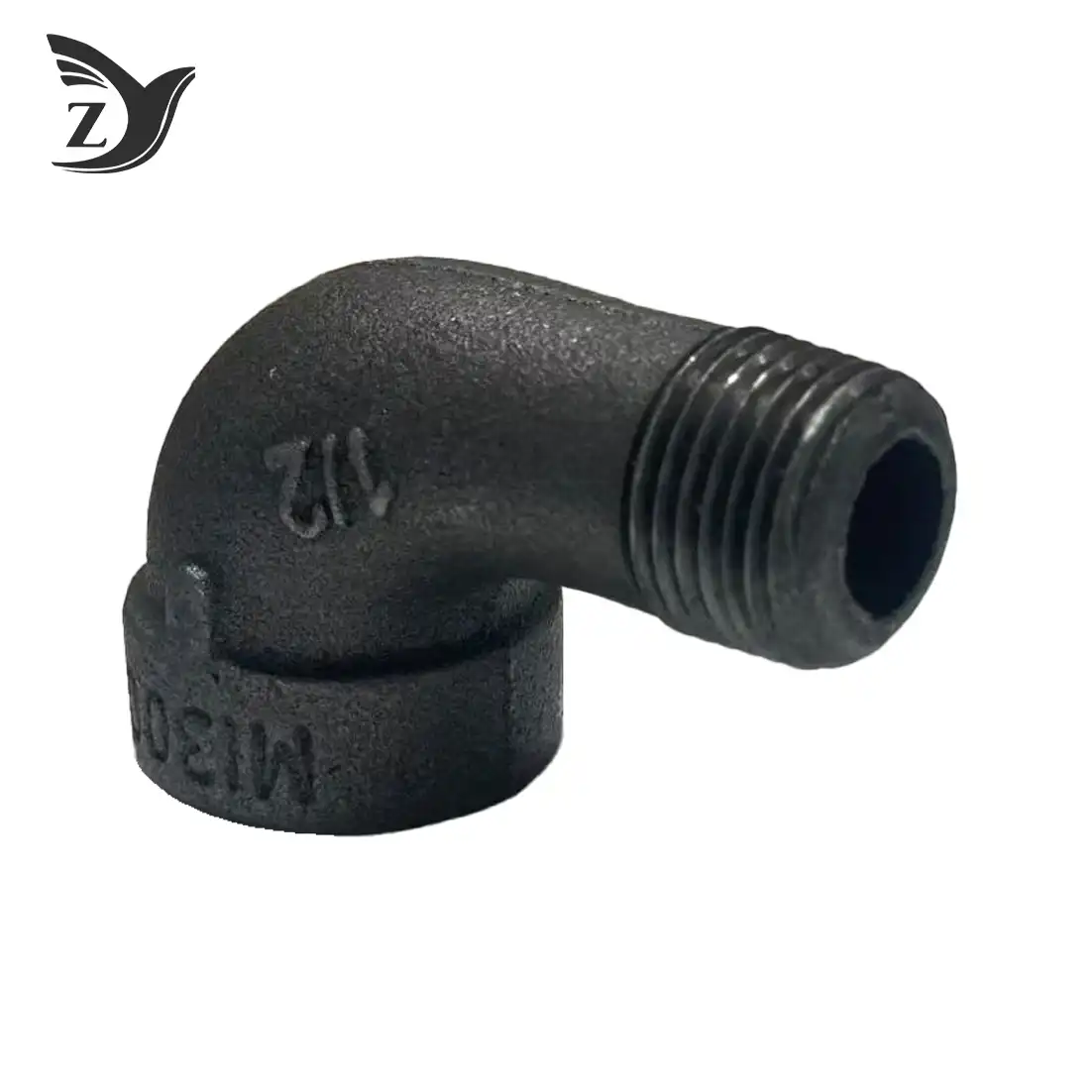
300# Black Threaded 90° Elbow, Male & Female
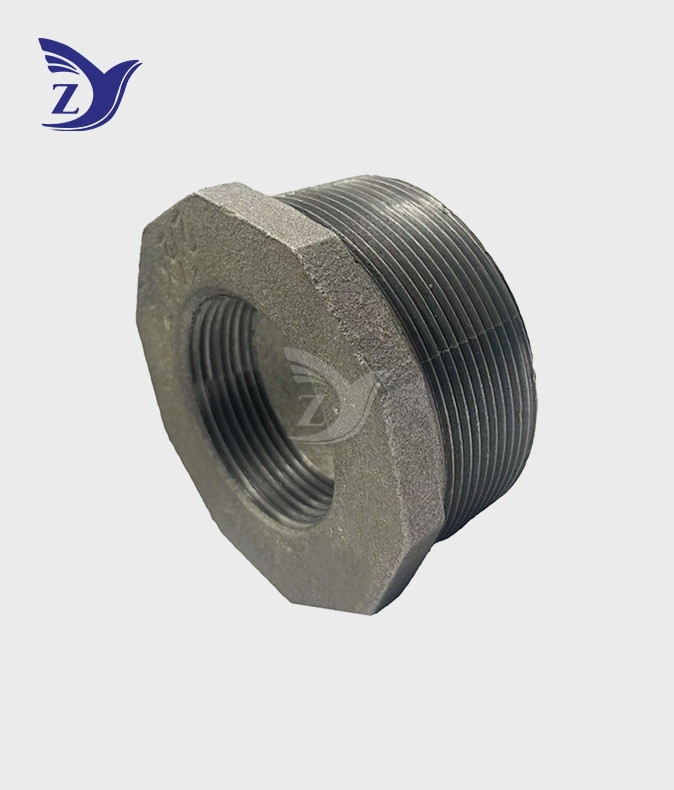
BSPT Black Malleable Iron Bushing
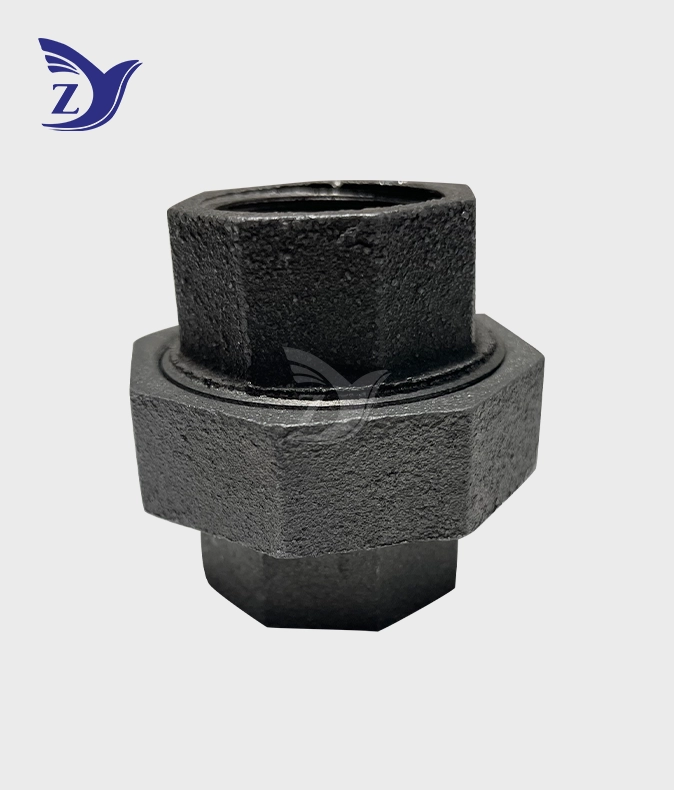
NPT Black Union 330 Pipe Fittings
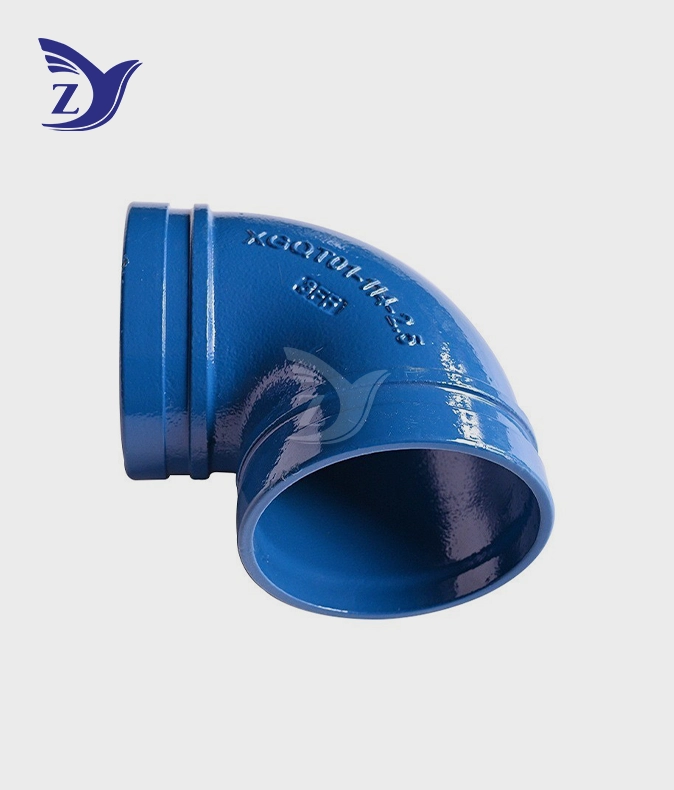
Water Grooved 90° Elbow
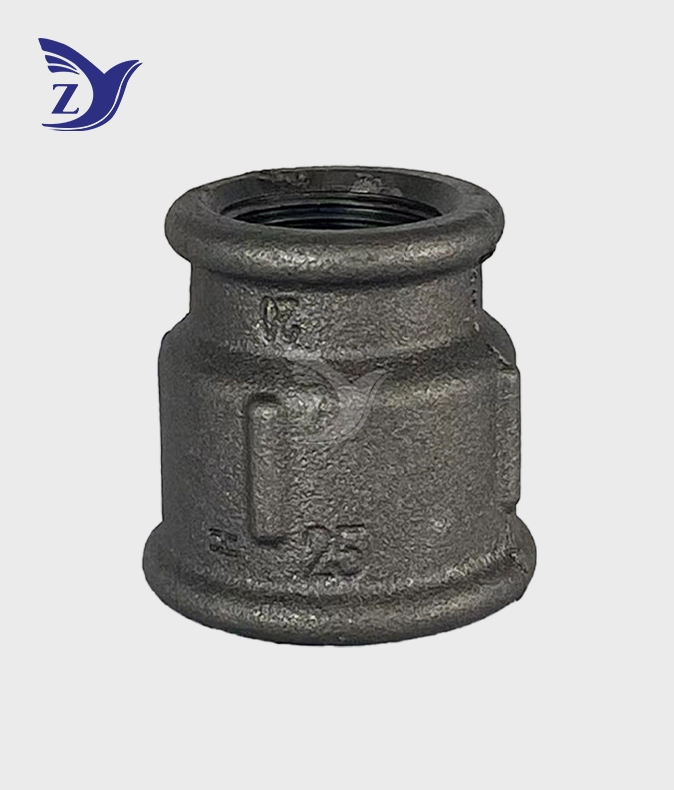
NPT Black Round Face Reducing Coupling Pipe Fittings
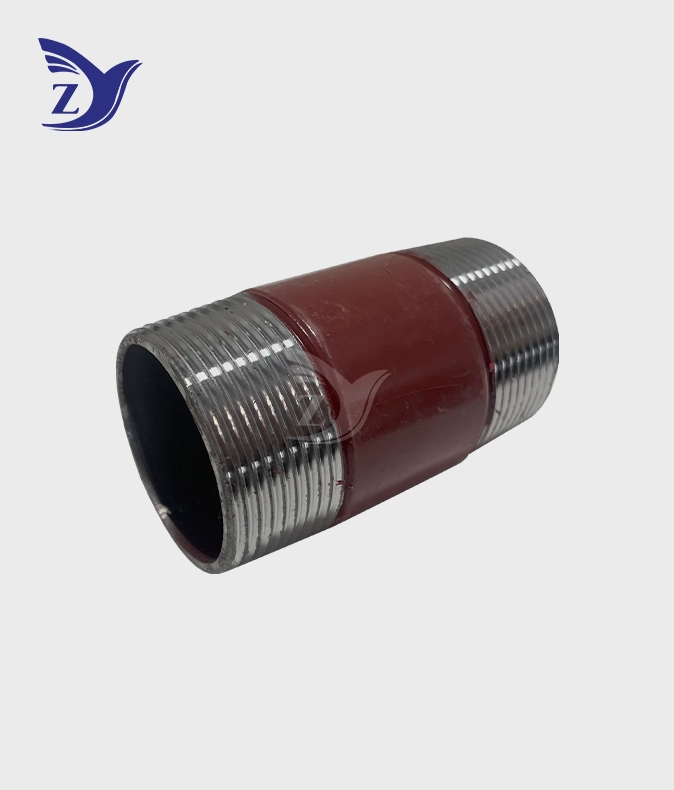
Carbon Steel Pipe Male Threaded Fittings Red Coated
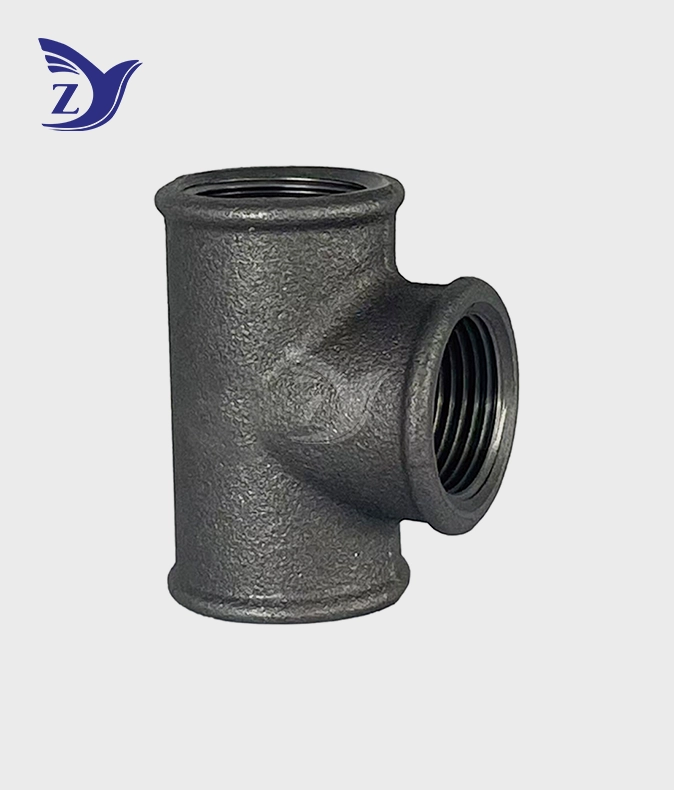
NPT Black Round Face Straight Tee Pipe Fittings
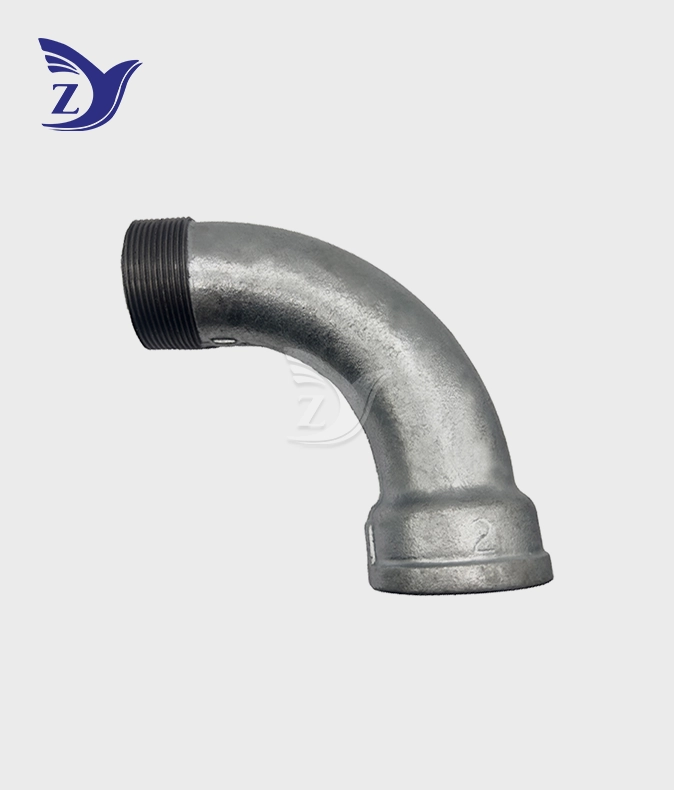
NPT Galvanized Male Female 90° Long Radius Elbow Pipe Fittings