
Aug 17, 2026
Galvanized Union 330 Pipe Fittings for Durable Pipe Connections
When you're managing industrial piping systems across fire protection, municipal water, or HVAC applications, the reliability of every connection matters. Galvanized union 330 pipe fittings represent a critical solution for creating detachable, corrosion-resistant joints in demanding environments. Engineered with a flat-seat design and hot-dipped zinc coating, these threaded unions enable maintenance teams to disconnect pipe sections without cutting or rotating fixed pipework—a feature that dramatically reduces downtime during servicing. Manufactured from high-strength malleable iron and available in both NPT and BSPT threading standards, these industrial-grade components deliver the durability and flexibility required by procurement professionals seeking long-term value in their pipeline infrastructure investments.
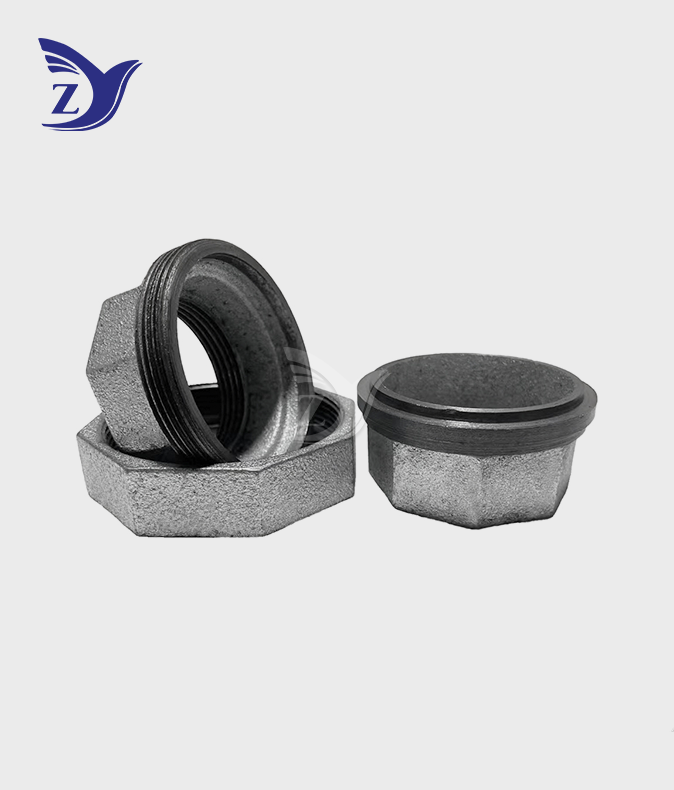
Understanding Galvanized Union 330 Pipe Fittings
At their core, these fittings solve a problem that all piping systems have: how do you make a safe, pressure-tight connection that can still be reached for maintenance? To find the answer, you need to know what makes the 330 design so useful for industrial uses.
What Defines the 330 Flat Seat Design
The number "330" refers to a certain type of union setup with a flat-seat contact where the ends of two pipes meet. In contrast to conical seat designs like the 340 series, this flat-seat arrangement relies on precise machining of mating surfaces to create a seal. Gaskets are often added for applications that need to completely stop leaks. Compared to regrinding metal seats, this design makes it easier to change gaskets over time. This makes it especially useful in water treatment plants and agricultural irrigation systems where easy upkeep is key to running smoothly.
The base of galvanized union 330 pipe fittings is made of malleable iron casting, which meets ASTM A197 standards that say it is more flexible than regular gray cast iron. This choice of material gives installations that are subject to thermal cycling or mechanical stress during assembly the impact resistance they need.
The Galvanizing Process and Corrosion Protection
With hot-dip galvanizing, the base iron is changed from being malleable to being corrosion-resistant and able to withstand harsh environmental conditions. Galvanized union 330 pipe fittings are submerged in molten zinc at temperatures higher than 840°F during this process. This forms a metallurgically bonded coating that usually weighs more than 600g/m², as required by ASTM A153. This zinc layer gives cathodic protection, which means it gives up its own life to keep the iron underneath from oxidizing. This makes the product last longer in places like outdoor installations, chemical processing areas, and seaside areas where salt spray speeds up rusting.
When these fittings are used to connect secondary water lines to sludge processing areas during city water treatment retrofits, the defensive benefits become especially clear. In these situations, the zinc surface can handle being exposed to chemically treated water and living things without breaking down as quickly as metal materials that aren't protected.
Thread Standards and Compatibility
Threading compatibility is an important thing to think about when buying something. NPT (National Pipe Taper) threads have a 60-degree thread angle and meet ASME B1.20.1 standards. As the tapered threads tighten, they form a mechanical link that seals itself. Different types of BSPT (British Standard Pipe Taper) use ISO 7-1 standards and a 55-degree thread angle. Both systems depend on thread deformation to make pressure-tight joints, but you can't use one system with the other—mixing thread types causes leaks and failure before its time.
Precision threading during production makes sure that the threads engage properly without crossing. Before fittings leave Zhiyuan Malleable Steel's production line, they do a 100% thread check using measured Go/No-Go gauges to make sure the dimensions are correct. This fixes a common problem where poor threading causes installation delays and joint failures.
How to Install Galvanized Union 330 Pipe Fittings for Reliable Connections?
Quality of installation has a direct effect on how well the system works and how much it costs to maintain over the fitting's useful life. Unions make it easier to take things apart than bonded or fixed connections, but you need to pay attention to how you prepare and put things together to get the best results.
Pre-Installation Preparation Steps
Before you start putting it together, check both the galvanized union 330 pipe fittings and the pipe ends for damage to the threads, debris, or coating flaws. Damage to the threads from rough shipping can weaken the seal, so carefully check the first few threads since they are under the most stress when the seal is tightened. Using a wire brush to clean the threads well will get rid of any protection oils, dirt, or metal bits that might get in the way of proper contact.
When preparing a pipe, the cut sides need to be deburred and the ends need to be cut square to keep them from being out of line. For systems that need gaskets, choose materials that are compatible with the medium being sent. For example, fiber gaskets work well for water uses, while PTFE or rubber mixtures are good for chemical resistance needs. Make sure that the pipe ends go all the way to the inside of the union halves. Threads won't be properly engaged if they don't.
Assembly Process and Torque Specifications
How thread sealer is used depends on the surface and system pressure. For water and gas applications, PTFE tape is usually wrapped three to four times clockwise around the pipe end, making sure the tape stays away from the first thread to keep contaminants from getting into the pipeline. Pipe dope chemicals are helpful in setups that are likely to shake, where tape might come loose over time.
Tighten both union halves by hand on their corresponding pipe ends until the resistance goes up. Then, carefully apply wrench force. Too much torque can damage the threads and crack the pliable iron body, while too little torque leaves joints open to leaks when the pressure changes. For sizes less than 2 inches, it is common practice in the industry to tighten NPT threads two to three turns beyond hand-tight. For bigger diameters, a torque wrench is needed to confirm the tightness. The union nut that connects the two halves should snugly fit against the flat seats without using too much force. If there is resistance that doesn't seem normal, take it apart and look for foreign objects or damaged threads.
Common Installation Mistakes to Avoid
The most common installation mistake is getting things out of place while putting them together. When pipe sections don't meet at right angles, but at right angles, stress builds up at the contact points, which speeds up wear and could crack the union body. By properly supporting the pipes during installation, angular loads that weaken the joint are avoided.
Another avoidable failure mode is thread damage from using the wrong tools. Using old or wrong-sized tools can damage union nuts by rounding off their hex surfaces. This can make it hard to take them apart again and could damage the fitting so much that it can't be used again. If you use heat on frozen joints, you could damage the galvanized coating. Instead, you should use penetrating oils and the right amount of wrench leverage.
Things in the environment during the installation are also important. When installing these fittings in industrial HVAC cooling towers, where they connect pumps and filter units to lines of chemically treated water, they need to take thermal expansion into account. By ensuring the right pipe support spacing and allowing for some movement, you can keep stress from building up and wearing out the union joint over time.
Buying Galvanized Union 330 Pipe Fittings for B2B Clients
Finding good galvanized union 330 pipe fittings means figuring out what the supplier can do, getting quality certifications, and thinking about logistics, all of which have a big effect on the success of the project. People who work in procurement should know what sets reliable makers apart from commodity sellers.
Identifying Qualified Manufacturers
The first step in qualifying a supplier is to look at their production skills and quality control systems. ISO 9001 certification means that quality control procedures have been established, but certification by itself doesn't mean that a product is excellent. For example, the quality of casting depends on how the kiln is controlled and how the material is annealed, which affects how flexible it is. On the other hand, the thickness of galvanizing relies on how long it is immersed in zinc and what is in the zinc bath.
The ability to produce things is important when projects need a lot of them quickly. Zhiyuan Malleable Steel runs eight medium-frequency electric furnaces and keeps its 30,000-ton annual capacity across more than 1,000 product specifications. This gives the company the size it needs for big infrastructure projects. Smaller manufacturers may have competitive prices on sample orders, but they may not have enough inventory or production capacity for large orders.
Certification and Quality Verification
In addition to ISO 9001, industry-specific certificates show that a product is safe for use in controlled environments. UL and FM approvals show that a fire protection system meets standards. This is very important for fire sprinkler setups because a broken part could put lives at risk. CE marking shows that a product meets European safety standards, which is important for export projects or multinational contractors who need to make sure that standards are followed across regions.
Quality control protocols tell the difference between top manufacturers and average suppliers. In Zhiyuan, thorough inspections include checking the seal's airtightness at 0.6 MPa using pneumatics, measuring the thickness of the galvanizing using magnets to make sure it meets ASTM A153 standards, and thread gauging with high-precision tools to make sure it meets ASME B1.20.1 standards. Testing the casting under 1.5 times its rated pressure for hydrostatic pressure finds any flaws before it is shipped, and spectroscopic material analysis shows that the makeup of the malleable iron is within the required ranges for carbon, silicon, and manganese.
Asking for test certificates and inspection reports during the procurement process gives proof that the project meets the quality standards. Concerns about manufacturing regularity are raised when suppliers refuse to give specific quality records.
Pricing Structures and Order Logistics
Knowing what affects prices lets you make realistic budgets and compare suppliers. The prices of raw materials change along with the prices of iron and zinc, which is why long-term supply deals need to include indexing terms. Pricing is affected by how hard it is to make something. Standard sizes from known production runs cost less than custom specs that need to buy new tools.
The minimum order amounts show how to combine the cost of buyers' inventory with the ease of production. Standard MOQs are usually between 500 and 2,000 pieces, based on the size of the fitting. This is because it costs money to set up models for casting and do batch galvanizing. By negotiating consolidated orders of different types of parts, you can lower the cost per unit while still meeting the needs of the project.
Lead times are different for items that are in stock and things that are made to order. Zhiyuan keeps standard products in stock so that local customers can get them within two hours. However, custom orders take two to four weeks to make, based on how complicated they are and where they are in the list. When you plan procurement timelines with enough leeway, project delays are avoided when unexpected changes to the specifications happen.
Customization and OEM Capabilities
When working on projects that need non-standard sizes, pressure ratings, or threading changes, it's helpful when makers offer technical support. OEM and ODM services can handle custom designs, regional threading preferences, or integrated assemblies that combine unions with specific parts.
When someone asks for customization, they should include specific details like the thread type and class, the required pressure grade, material approvals, and any changes to the coating. Giving manufacturers information about the application helps them suggest the best solutions. Engineers who know the needs of the industry often find other ways to do things that lower costs or improve performance beyond what was originally specified.
Customizing the packaging helps sellers deal with a wide range of customers. At Zhiyuan, double-layer cardboard packaging keeps fittings safe during international shipping and lets distributors customize their brands while keeping their market presence under their own names.
Conclusion
For industrial and municipal piping systems, galvanized union 330 pipe fittings offer the best combination of durability, cost effectiveness, and ease of maintenance. Their hot-dipped zinc coating protects against corrosion for decades in harsh settings, and the flat-seat design makes installation and maintenance easier than with fixed connections. When procurement professionals know about the properties of materials, the right way to install them, and the selection criteria that are best for each application, they can choose fittings that keep system reliability while lowering costs over time. When it comes to joining fire pumps, water mains in cities, or irrigation networks in farms, these industrial-grade parts have been shown to work well and keep important infrastructure running safely and efficiently.
FAQs
What is the expected lifespan of galvanized union fittings in industrial conditions?
In moderately corrosive places like city water systems and building HVAC setups, the service life is usually between 20 and 40 years. How long something actually lasts depends on the chemistry of the water (pH and dissolved oxygen levels), the temperature at which it is used, the mechanical stress from cycling pressure, and how well it is maintained. Highly acidic or alkaline media speed up the wear and tear on the zinc coating, which could mean that it needs to be replaced within 10 to 15 years. On the other hand, neutral pH water in temperature-controlled environments can make the coating last longer than 40 years.
Can these fittings be used outdoors or in high-moisture environments?
Of course. The hot-dipped galvanizing method is designed for uses that will be outside or in wet conditions. The zinc coating acts as cathodic protection, giving up its own protection to keep the iron underneath from oxidizing. This means that these fittings can be used for watering in farms, cooling tower installations, and public infrastructure that is open to the weather. Checking the condition of the coating on a regular basis during system maintenance lets you replace it before zinc loss causes base metal corrosion.
What maintenance protocols should be followed?
During routine system maintenance, which should happen about once a year for important uses, a visual check should be done for signs of zinc coating degradation, thread damage, and leaks. If small leaks happen, tighten the union nuts. But if the leaks keep happening, the seal is likely to fail and needs to be taken apart and replaced. When putting things back together, lubricate the threads with the right anti-seize powder to keep them from galling. In water systems that have been treated with chemicals, keep an eye on the water chemistry to find out what conditions are speeding up coating breakdown.
Partner with Zhiyuan Malleable Steel for Superior Piping Solutions
Zhiyuan Malleable Steel is a dependable company that can provide galvanized union 330 pipe fittings. They have been casting for 26 years and can produce 30,000 tons of steel each year for projects that need quality and dependability. Our manufacturing methods are ISO 9001-certified and also have CE, UL, and FM certifications. The fittings we make meet international standards for fire protection, public infrastructure, and industry uses. We have over 1,000 product specs in stock, so we can provide basic fittings within two hours locally. For more specific needs, we also offer full OEM/ODM customization. Our double-layer cardboard packing keeps your investment safe while it's in transit, and we'll replace any broken items so your project stays on track. We serve distributors, contractors, and manufacturers all over the world from our location in Shanxi Province, which is close to Taiyuan's logistics networks. You can email our team at q1236800000@gmail.com to talk about your buying needs, get technical specifications, or get competitive quotes on bulk orders that will keep your pipeline projects running smoothly.
References
- American Society of Mechanical Engineers. ASME B1.20.1: Pipe Threads, General Purpose (Inch). New York: ASME International, 2018.
- ASTM International. ASTM A197: Standard Specification for Cupola Malleable Iron. West Conshohocken: ASTM International, 2020.
- ASTM International. ASTM A153: Standard Specification for Zinc Coating (Hot-Dip) on Iron and Steel Hardware. West Conshohocken: ASTM International, 2016.
- International Organization for Standardization. ISO 7-1: Pipe Threads Where Pressure-Tight Joints Are Made on the Threads. Geneva: ISO, 2019.
- Smith, Harold R. Industrial Piping Materials: Selection and Design Considerations. Boston: Engineering Press, 2019.
- National Fire Protection Association. NFPA 13: Standard for the Installation of Sprinkler Systems. Quincy: NFPA, 2022.
Online Message