
Apr 10, 2026
Galvanized Female-Female 90° Long Radius Elbow Pipe Fittings VS Galvanized Male Female 90° Long Radius Elbow Pipe Fittings
When choosing between different galvanized elbow configurations, understanding the distinctions between galvanized female-female 90° long radius elbow pipe fittings and male-female variants becomes essential for optimal system performance. When it comes to connecting pipes or adapters, female-female elbows are the way to go. On the other hand, male-female arrangements provide one exterior thread and one internal thread. In industrial water, gas, and HVAC applications, the installation flexibility, accessibility of maintenance, and overall system dependability are greatly affected by the choice of these layouts.
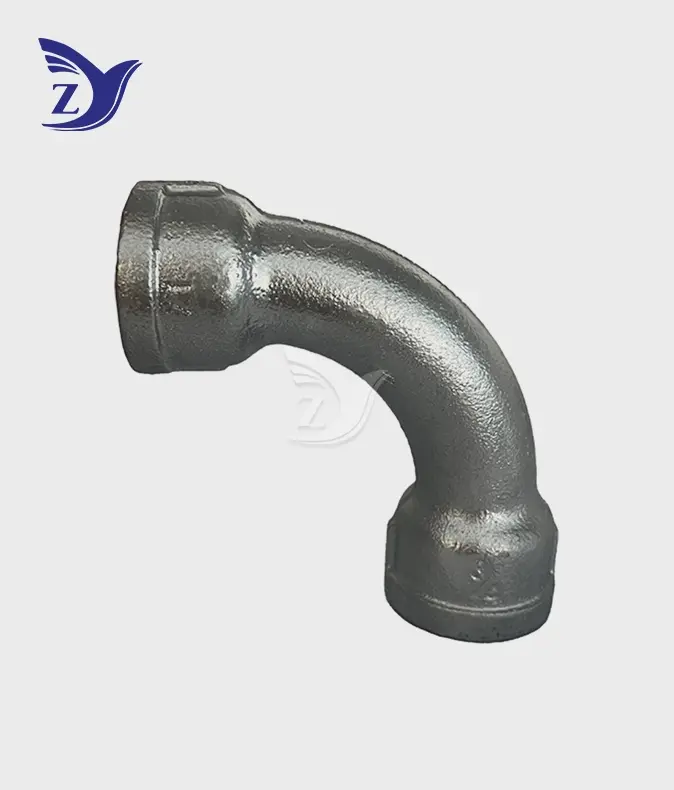
Key Differences Between Female-Female and Male-Female 90° Long Radius Elbows
In order to make educated decisions on the needs of a particular pipe system, it is necessary to understand the basic distinctions between female-female and male-female arrangements. Depending on the installation limitations, maintenance requirements, and system architecture, each configuration has its own set of benefits.
Connection Type Analysis
The internal threading on both ends of a female-female elbow necessitates the use of external male threads on any adjacent pipes or fittings. This configuration provides exceptional flexibility in connecting pre-threaded pipe runs or joining with various male-threaded components including nipples, unions, and valve connections. Thread integrity is maintained throughout the fitting's service life thanks to the internal thread design, which protects the threading from external damage that might occur during handling and installation.
You may create a wide variety of connections using male-female elbows since they have internal threading on one end and exterior threading on the other. In contrast to the female end's ability to take male-threaded pipes and fittings, the male end may thread straight into components that have female threads. With this hybrid design, complicated plumbing layouts often have fewer fittings needed, which may lead to cheaper system costs and fewer leak spots.
Installation Considerations and System Integration
Applications that need maximum installation flexibility and future modification possibility are ideal for galvanized female-female 90° long radius elbow pipe fittings. You can easily integrate it with existing male-threaded infrastructure thanks to its dual female design. It also gives you alternatives for future system expansion or reconfiguration. Because male-threaded components may be unscrewed from either side of the elbow, maintenance crews enjoy the flexibility to remove lengths of pipe without interrupting nearby connections.
In certain cases, where it is more convenient to connect the pipe directly to the fitting, male-female arrangements make installation easier. There will be fewer fittings and less places for leaks thanks to the male end, which gets rid of the requirement for extra male adapters or nipples. Having the male-threaded end firmly orient the fitting orientation after first installation, this arrangement may restrict flexibility during maintenance operations.
Flow Characteristics and Hydraulic Performance
When made to the same dimensions, both designs have the same hydraulic performance characteristics since their internal flow pathways are equal. Minimizing pressure drop and turbulence-induced erosion, the large radius design drastically lowers the local resistance coefficient in comparison to conventional short-radius elbows. In high-velocity applications, where limiting energy losses boosts total system efficiency, this design consideration proves to be very important.
Comparing Performance: Galvanized Female-Female VS Galvanized Male-Female Elbows
Corrosion resistance, mechanical durability, cost effectiveness, and operational dependability are some of the many aspects that go into evaluating performance in various industrial contexts.
Corrosion Resistance and Environmental Durability
Under typical operating circumstances, the galvanization procedure is the same for both female-female and male-female configurations, guaranteeing equal corrosion protection. No matter the thread design, hot-dip galvanizing ensures that the zinc coating covers every surface evenly, protecting against moderate chemical exposure, soil contact, and air corrosion.
Under some circumstances, however, small variations in long-term performance do emerge. Since the two points of connection use the same thread type and engagement characteristics, female-female setups may show a minor advantage in threaded connection lifespan. Because of this uniformity, stress distribution is more even and galvanic corrosion across thread profiles is less likely to occur.
Mechanical Durability and Pressure Ratings
When made to the same exacting standards, the structural integrity of both designs is unaffected. The large radius design disperses stress concentrations better than sharp-angle alternatives, and the malleable iron structure offers exceptional impact resistance and thermal shock tolerance.
According to the results of the tests, when the right thread sealants are used, both designs can withstand the same amount of pressure. No matter the thread design, a Class 150 fitting can usually withstand a working pressure of 300 PSI for liquid service and 150 PSI for steam applications.
Cost-Efficiency Analysis
Things to think about from an economic perspective include the purchase price, labor expenses for installation, maintenance needs, and lifespan value. The added machining procedures needed for dual internal threading might cause female-female setups to initially cost a little more. This price difference, however, usually only accounts for a premium of around 5-10% compared to male-female equivalents.
In certain cases, when the incorporated male end removes the need for extra fittings, male-female arrangements may be more cost-effective to install. On the other side, female-female setups often have lower maintenance expenses since they are more accessible and flexible in terms of services. Instead than looking at the purchase price alone, procurement managers should consider the entire cost of ownership when making selections.
How to Choose the Right Galvanized 90° Long Radius Elbow for Your Project?
When choosing galvanized elbow fittings, it's important to carefully consider the technical specifications, environmental factors, and operational limitations of each project.
Technical Specification Assessment
Find out what your application's exact pressure rating, temperature range, and media compatibility requirements are first. Depending on the system's design pressure, Class 150 fittings with a 300 PSI capacity are usually required for industrial water systems. However, greater ratings may be required for fire prevention applications. Thread sealant compatibility and leak testing criteria must be carefully considered while designing gas distribution systems.
In retrofit applications, when fitting selection is limited by existing plumbing, dimensional precision becomes crucial. To avoid incompatibilities with current systems, check the thread requirements (NPT vs. BSPT). Using threads of different kinds could cause problems with engagement and even system failures.
Application-Specific Selection Criteria
Because of their adaptability in joining pre-fabricated pipe assemblies and their simplicity of system modification during commissioning, galvanized female-female 90° long radius elbow pipe fittings are usually the pipe fittings of choice for sprinkler system installations according to fire prevention experts. With its two female connectors, you may connect branch lines and sprinkler heads in a variety of configurations without buying extra adapters.
Connecting straight to valve bodies or installed meters is a common use case for male-female combinations in municipal water systems. The integrated male end ensures a solid connection to equipment with female threads and keeps the system pressure intact.
Supplier Evaluation and Quality Assurance
In order to build connections with reliable suppliers, it is necessary to check their production capacity, quality certifications, and availability of technical assistance. Suppliers that meet your market needs should have quality management systems certified to ISO 9001 and any other necessary industry certifications, such as UL, FM, or CE marking.
With their 18 years of expertise in the business and extensive production capabilities, Zhiyuan Malleable Steel embodies these high requirements. Their facility follows rigorous quality control methods and has enough inventory to meet the demands of both standard and bespoke configurations for quick delivery.
Installation and Maintenance Best Practices
In any industrial setting, galvanized elbow fittings perform and last longer when installed correctly and maintained regularly.
Pre-Installation Preparation
Preparing the pipe ends and inspecting the threads are the first steps in a successful installation. Before engaging, make sure all threads are free of dirt, oil, and protective coatings by cleaning them with the appropriate wire brushes. Find any damage, cross-threading, or dimensional anomalies in the threads that might affect the integrity of the seal.
Follow the manufacturer's instructions and any applicable local requirements while applying thread sealant. Although anaerobic sealants or pipe dope are often required for gas service or high-temperature applications, PTFE tape is still the go-to for water applications.
Installation Techniques
To get the correct composition, thread engagement is key; nevertheless, excessive tightening could harm the galvanized coating or the structure of the fitting. Use the right wrenches to finish the joint after hand-tightening the connections until they are snug. While BSPT connections may need less spins than NPT connections because of their metal-to-metal sealing design, NPT connections usually need 2-3 more turns than hand-tight.
Properly supporting pipes will ensure that threaded connections do not experience stress concentration. Although large radius elbows aid in stress distribution, the use of appropriate pipe supports is still crucial to the system's durability.
Maintenance Protocols and Inspection Schedules
As part of routine inspection procedures, look for corrosion, thread engagement integrity, and leaks in the system. Annual visual inspections typically suffice for indoor applications, while outdoor or harsh environment installations may require more frequent monitoring.
Take pictures of any worn threads or damaged coatings; these might be signs of system stress or problems with the installation that need fixing. Preventing expensive system breakdowns via proactive maintenance is made possible by early issue identification.
Conclusion
Application needs, installation limitations, and maintenance concerns should be the primary factors considered when selecting between male-female alternatives and galvanized female-female 90° long radius elbow pipe fittings. For complicated systems that need maintenance access often, female-female arrangements are the way to go because of their higher installation flexibility and future modification possibility. In some cases, male-female configurations simplify installation and may lower system costs and fitting counts. When produced to the same quality standards, both designs provide the same performance characteristics, guaranteeing dependable operation in a wide range of industrial applications.
Partner with Zhiyuan Malleable Steel for Superior Galvanized Fitting Solutions
Zhiyuan Malleable Steel stands as your trusted galvanized female-female 90° long radius elbow pipe fittings manufacturer, delivering exceptional quality and reliability for over 18 years. Our comprehensive inventory includes both female-female and male-female configurations manufactured under strict ISO 9001 quality standards with UL, FM, and CE certifications. With 30,000-ton annual production capacity and standard product delivery within two hours, we support your project timelines while offering competitive pricing and global shipping capabilities. Contact our technical team at q1236800000@gmail.com to discuss your specific requirements and discover how our precision-engineered fittings enhance your system performance and operational reliability.
FAQ
What are the primary advantages of female-female fittings compared to male-female variants?
Female-female configurations provide enhanced installation flexibility by accepting male-threaded components on both ends, enabling easy system reconfiguration and maintenance access. The dual internal threading protects threads from handling damage while allowing removal of piping sections without disrupting adjacent connections. This design particularly benefits fire protection systems and applications requiring frequent modifications.
Are galvanized 90° long radius elbows suitable for high-pressure industrial applications?
Standard Class 150 galvanized elbows handle 300 PSI working pressure for water, oil, and gas applications at ambient temperatures. Higher pressure ratings are available through Class 300 specifications that accommodate up to 1000 PSI working pressure. The long radius design actually improves pressure handling capability by reducing stress concentrations compared to short-radius alternatives.
How can I verify product authenticity and quality from suppliers?
Verify supplier certifications including ISO 9001, UL, FM, or CE marking as applicable to your requirements. Request material test certificates confirming ASTM A197 malleable iron composition and galvanizing thickness measurements. Reputable suppliers provide comprehensive technical documentation and maintain traceability records for quality assurance purposes.
References
1. American Society of Mechanical Engineers. "ASME B16.3 - Malleable Iron Threaded Fittings Classes 150 & 300." Technical Standards for Pipe Fitting Manufacturing, 2018.
2. ASTM International. "ASTM A197 Standard Specification for Cupola Malleable Iron." Annual Book of ASTM Standards, Volume 01.02, 2019.
3. International Organization for Standardization. "ISO 7/1 Pipe threads where pressure-tight joints are made on the threads." Threading Standards for Pipe Fittings, 2017.
4. National Fire Protection Association. "NFPA 13 Standard for the Installation of Sprinkler Systems." Fire Protection Engineering Guidelines, 2020.
5. American Water Works Association. "AWWA C606 Grooved and Shouldered Joints." Municipal Water System Installation Standards, 2019.
6. British Standards Institution. "BS EN 10242 Threaded pipe fittings in malleable cast iron." European Manufacturing Standards for Galvanized Fittings, 2018.
Online Message
YOU MAY LIKE
High quality furniture manufacturer
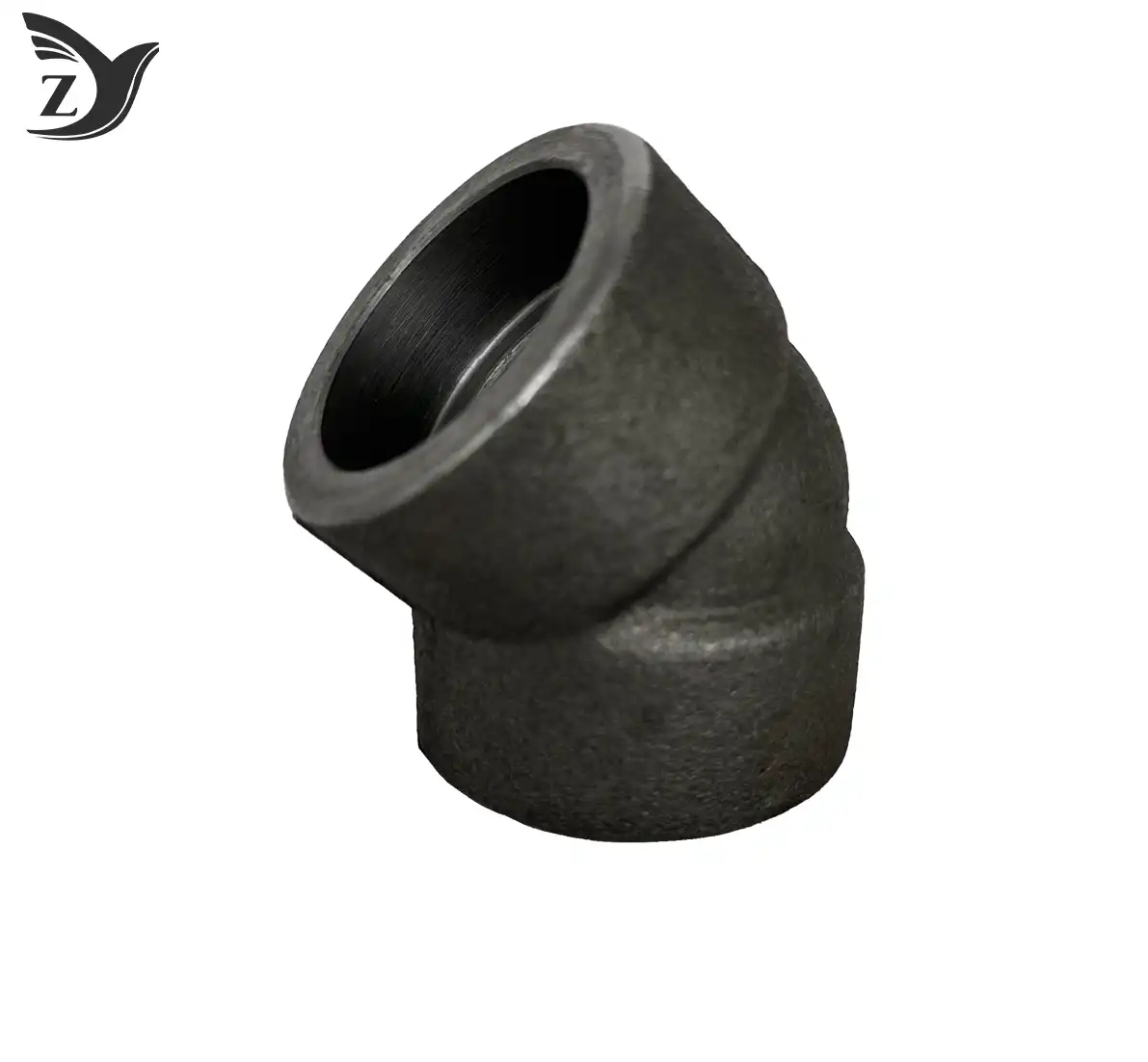
Forged Carbon Steel Socket Weld 45 Degree Elbow High Pressure Pipe Fitting
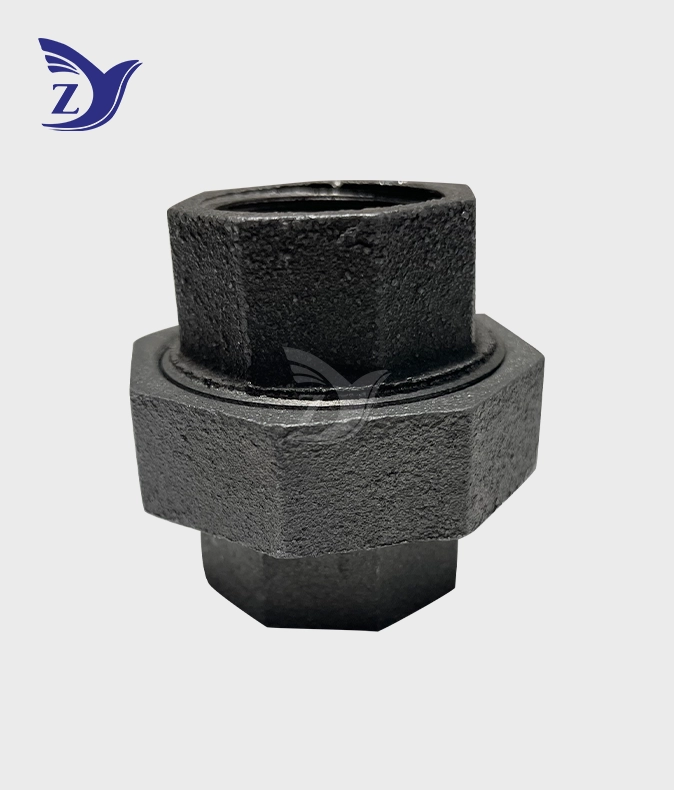
NPT Black Union 330 Pipe Fittings
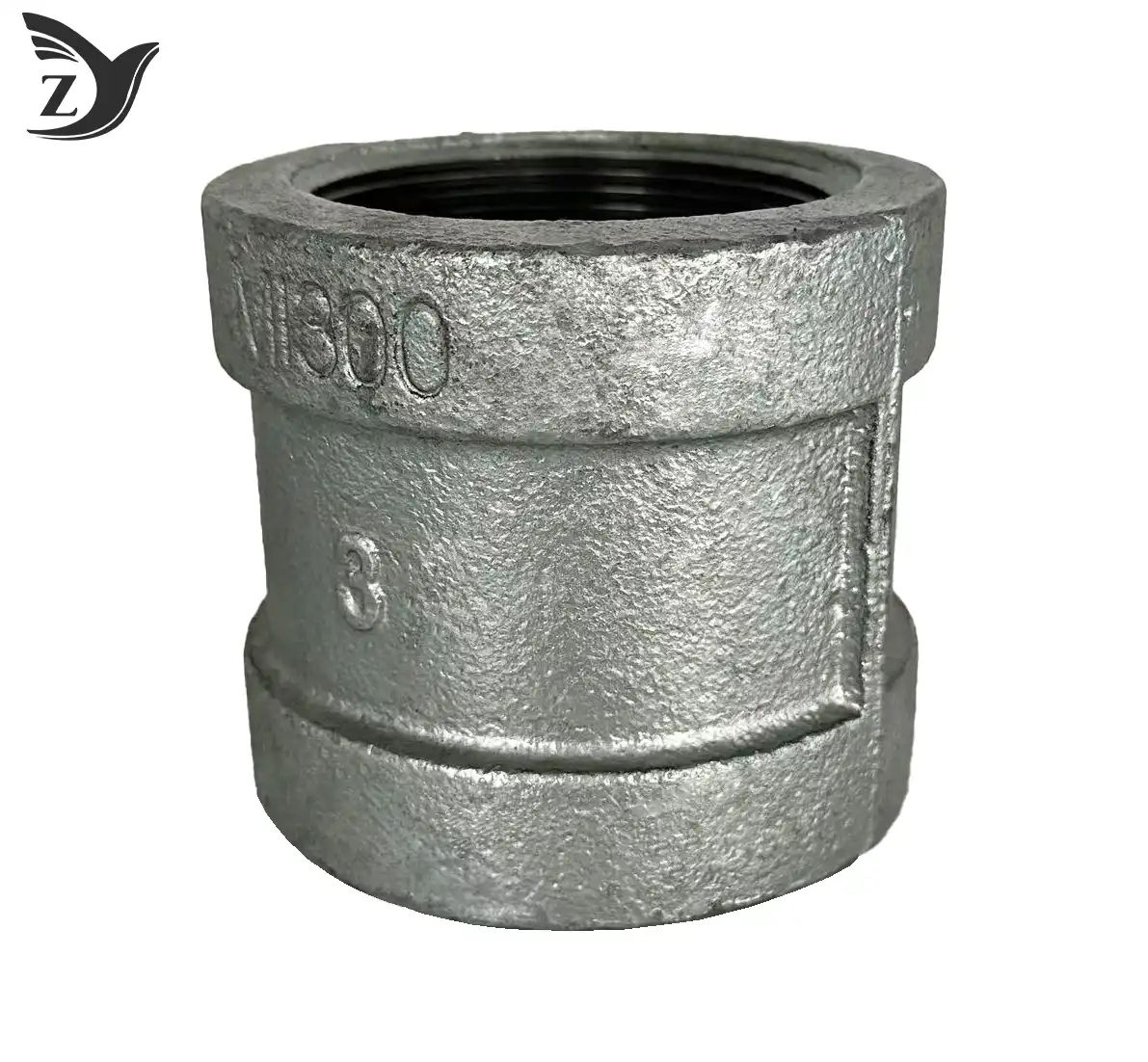
Class 300 Hot Dipped Galvanized Malleable Iron Equal Coupling
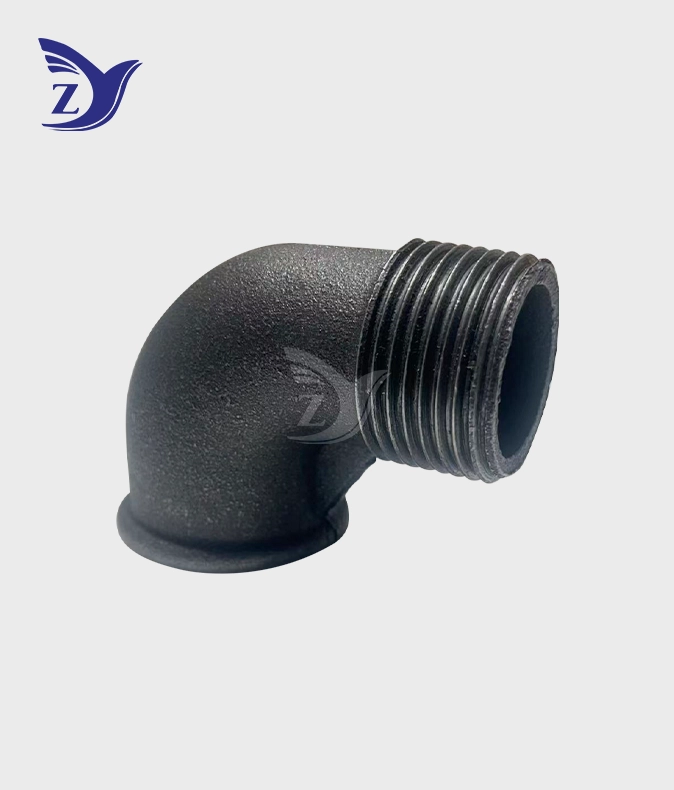
NPT Black Round Face Male-Female 90° Elbow Pipe Fittings
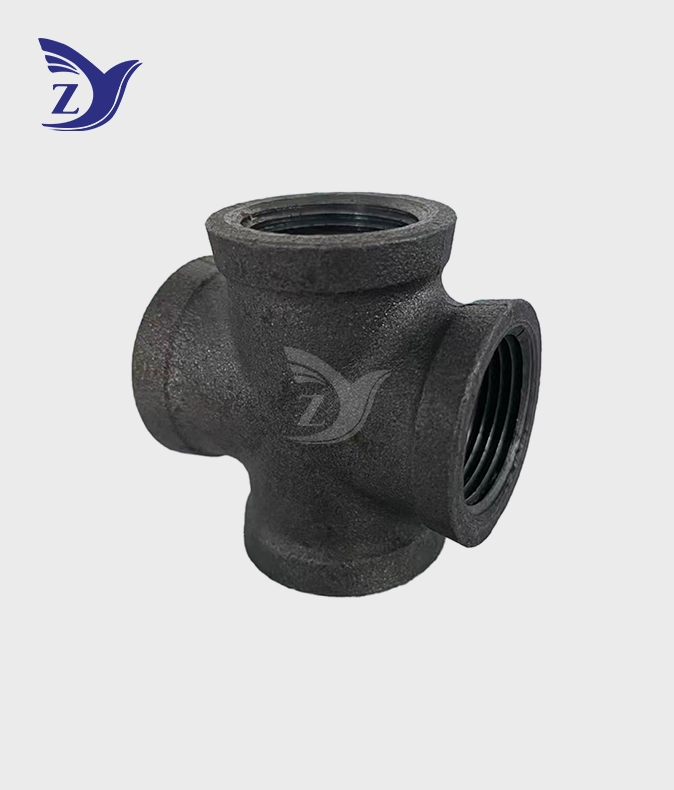
NPT Black Square Face Cross Pipe Fittings
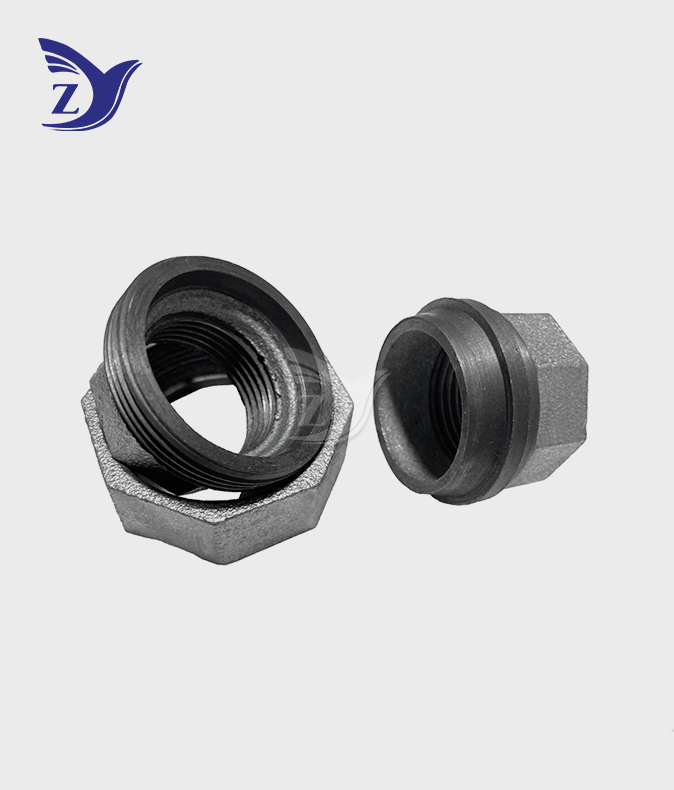
NPT Galvanized Union 340 Pipe Fittings
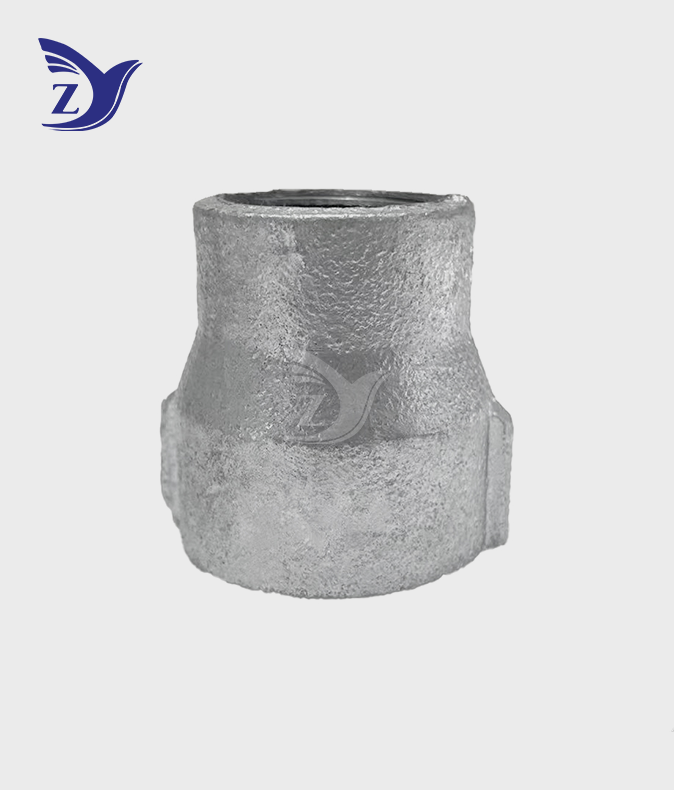
No Hub Hot Dip Galvanized Reducing Coupling Pipe Fitting
NPT Black Union Class 300 Pipe Fittings