
May 7, 2026
Easy Installation Guide for Galvanized Threaded Union 343 Pipe Fittings
When installed properly, galvanized male female threaded union 343 pipe fittings make links that don't leak and work well for a long time in industrial piping systems. This removable, dual-threaded connection has a male threaded end and a female threaded end in one small unit. This means you don't need any extra nipples and there are fewer places where water could leak. This industrial-grade fitting is made of hot-dipped galvanized malleable iron, which is very resistant to rust and can be used for water, gas, and heating. Knowledge of the right installation methods turns difficult piping chores into easy steps that meet strict safety standards, whether you're working on fire protection systems, city water lines, or HVAC installs.
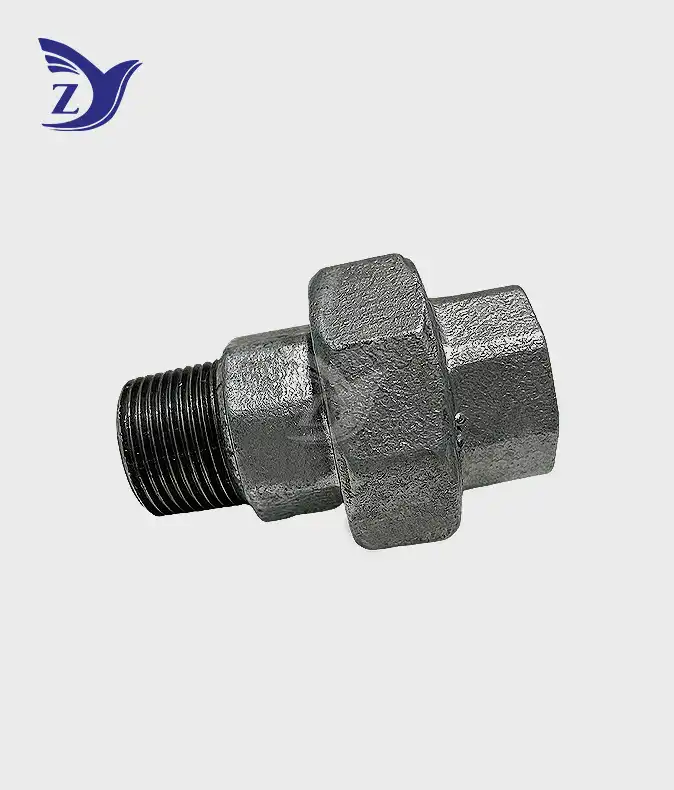
Step-by-Step Installation Process for Galvanized Male Female Threaded Union 343
Pre-Installation Preparation and Safety
Make sure that all system pressures have been released and fluids have been drained from the work area before you start the repair. Lock out and tag out any valves that need to be locked out so that the system doesn't start up by chance while the fitting is being installed. Wearing safety glasses, work gloves, and steel-toed boots are all good ways to protect yourself from falling parts and sharp thread edges.
Carefully check the size when you get it. The thread surfaces must be clean and free of flaws in the casting, zinc drips, or damage from being handled. Turn the union nut by hand to make sure it works smoothly and doesn't get stuck or cross-threaded. Whether the closing face is flat or conical, it should have a smooth, even surface that doesn't have any scratches, pits, or dirt that could weaken the seal.
Before you start working, get the tools and materials you'll need. You will need two pipe wrenches that are the right size for the pipe diameter, thread glue that works with your system media, cleaning cloths, a wire brush for getting the threads ready, and the manufacturer's torque specs. It is important to have accurate torque tools on hand so that you can tighten things consistently and correctly. This will help you avoid both under-torquing (which can cause leaks) and over-torquing (which can crack fittings or strip threads).
Applying Thread Sealant Correctly
Which thread sealer to use varies on the system's medium, temperature, and pressure needs. PTFE tape is still the most popular choice for water and air lines because it is easy to remove and doesn't leave any residue. Apply the tape clockwise around the male thread by starting two threads from the end and wrapping three to four layers with a half-inch gap between each one. To keep sealer from getting into the system during setup, don't cover the first two threads.
Pipe dope materials bind better in gas systems and systems with a lot of pressure. These paste seals cover up flaws in the thread and stay flexible even when the temperature changes. Only cover the male threads with a thin, even coat. Leave the first two threads bare. Compared to large containers, brush-top containers make application easier and keep things from getting dirty.
If you put sealer on female threads, it will push extra material into the system when it's put together. Thread sealants don't act as gaskets between thread sides; instead, they fill the spiral leak path made by tapered thread contact. When too much sealant is used, hydraulic lock happens during tightening. This causes false torque readings that show proper contact even though the threads are still not properly tightened.
Thread Engagement and Tightening Sequence
Start by fitting the male end by hand into the female pipe link that matches it. The galvanized male female threaded union 343 pipe fitting should thread easily for two to three turns before the taper starts to fight. If binding happens right away, stop and look for cross-threading, dirt in the threads, or damage to the fitting. Cross-threaded connections hurt thread profiles forever and make leak paths that sealants can't stop.
Once it's tight enough to hold by hand, use a pipe wrench on the hexagonal wrench flats on the fitting. Never grip the round body, as this will put extra stress on it and cause it to crack. Tighten the link while keeping an eye on the spin. For proper closing, NPT threads usually need two to three more turns after hand-tight, but the exact numbers depend on the size of the pipe. Less turning is needed for 1/2" to 1" fittings than for 2" to 4" fittings.
Place the union nut over the threads on the tailpiece after attaching the male end. Follow the steps we talked about earlier to apply thread sealer to these threads. Thread the female body onto the tailpiece until it is hand-tight. To make it even tighter, use a wrench on the union nut instead of the body. This keeps the pipe link behind the female body from getting twisted stress.
Pressure Testing and Leak Detection
After being put in place, the galvanized male female threaded union 343 pipe fitting has to be tested for pressure before it can be used again. Close all the valves further downstream, and slowly add pressure to the system while checking the union for leaks. Leaks can be seen, but for small leaks, you may need to put leak detection fluid or soap solution on all threaded joints.
If the rules and the way the system is built allow it, pressurize it to 150% of its maximum working pressure. Hold the test pressure for at least 15 minutes and keep an eye on the system gauges to see if the pressure drops. Any loss of air means there is a leak that needs to be fixed before moving on.
Leaks found during tests are usually caused by threads that aren't engaged enough, threads that are broken, or closing surfaces that are dirty. Take off all the pressure before you try to fix it. Take the link apart, use a wire brush to clean the threads well, check for damage, and then put it back together with new sealer. Leaks that won't go away could mean that a fitting is broken and needs to be replaced instead of being put together again and again.
During testing, it should also be made sure that the union nut can turn easily and is not stuck. If you tighten the nuts too much during installation, the threads can become deformed, which can cause friction that makes taking them apart later harder. Overtightening takes away this practical benefit because the union design makes repair access possible.
Procurement Tips for Bulk Buyers and Distributors
Evaluating Manufacturer Credentials
Verifying a supplier's certification keeps buyers safe from low-quality goods that break down early or pose safety risks. Ask for copies of the ISO 9001 quality management system certificates that show consistent manufacturing processes. Third-party testing certificates from groups like UL (Underwriters Laboratories) or FM (Factory Mutual) confirm that products meet safety standards for industrial and fire protection uses.
Manufacturing capacity directly affects the reliability of deliveries during large projects. Facilities that produce 30,000 tons per year have the scale needed to fulfill large orders without making lead times longer. Smaller suppliers may offer better prices, but they may not have enough inventory to support multiple projects at the same time, which could cause construction schedules to slip.
Instead of outsourcing parts of the manufacturing process, production should include the whole thing. Integrated facilities that do casting, annealing, galvanizing, and threading all under one roof keep better quality control than assemblers who get parts from different subcontractors. This reduces variation between production batches and makes it easier to solve quality problems.
Professional suppliers are different from commodity vendors because they offer technical support. Engineers who can look over system specifications, suggest the right galvanized male female threaded union 343 pipe fittings, and troubleshoot installation problems add a lot of value beyond just delivering products. Quickly responding technical teams stop costly mistakes in the field and project delays caused by choosing the wrong product.
Negotiating Volume Pricing and Terms
For standard sizes, volume discount structures usually start at 1,000 pieces ordered, and prices go up at 5,000 and 10,000 pieces. Ask for detailed pricing matrices that show the cost per piece across different quantity breaks to find the best order sizes that balance the cost of keeping inventory with the unit price savings.
Distributors who work on multiple projects can benefit from inventory stocking programs. Suppliers who keep dedicated inventory for major customers make sure that fast-moving sizes are available right away and that less common configurations are delivered on time. Standard products delivered in two hours from supplier warehouses eliminate the need for emergency shipping costs and keep work from stopping.
Customization lets suppliers meet project-specific needs that aren't covered by standard catalogs. OEM and ODM services can handle non-standard dimensions, special coatings, or different thread configurations. For custom work, the minimum order quantity is usually 500 pieces, but some manufacturers will accept smaller runs for trials or development projects.
Payment terms and warranty terms need to be carefully negotiated. Net-30 or net-60 terms help distributors manage their cash flow, and extended warranties that cover material defects and coating performance keep products from breaking down too soon. Make sure you understand how to file a warranty claim and how long it takes to get a replacement product.
Maintenance and Long-Term Performance of Galvanized Threaded Unions
Routine Inspection Schedules
Visual inspections done once a year find early signs of coating degradation before base metal corrosion starts. White rust (zinc oxide) forms as a powdery white substance on galvanized surfaces, showing zinc being used up through oxidation. This process protects the iron below, but it needs to be watched to know when the coating is about to run out.
Some areas of red rust can be caused by damage to the zinc coating during installation or an impact after the system is up and running. Touching up the rust with zinc-rich paint will protect it for a while, but severely corroded fittings need to be replaced before they perforate.
When the system is turned off, checking the state of the threads shows that they have become loose from thermal cycling or vibration. Unions that can be turned by hand need to be retightened to get the threads to join properly again. If taking the system apart shows that the sealant has broken down or been washed away by system fluids, add more sealant.
Mineral deposits, discoloration, or moisture stains around union joints are other signs of seepage that need to be fixed. If a small leak is found early, it only needs to be retightened. If seepage is ignored for a long time, it may corrode threads beyond repair, requiring fitting replacement and possibly pipe rethreading.
Extending Service Life Through Proper Care
A galvanized coating's service life is greatly affected by its environment. Indoor installations in climate-controlled spaces usually have 40–50 year service lives, but outdoor installations exposed to rain and humidity have service lives of only 20–30 years. Coastal environments with salt spray can shorten service lives to 10–15 years without extra protection.
Protective painting over galvanized surfaces makes the coating last longer in harsh environments. Let new galvanization weather for 6 to 12 months before painting, as this creates a rougher surface profile that helps paint stick. Instead of regular metal primers, which might not stick properly, use zinc-rich primers that are made for galvanized substrates.
System water chemistry affects the rate of internal corrosion separately from the performance of the external coating. Aggressive water with a pH below 6.5 or a chloride content above 250 ppm speeds up the breakdown of zinc inside the fitting. Treating the water to keep the pH between 7.0 and 8.5 and limiting the concentration of chloride greatly increases the life of the internal coating.
Regular system flushing gets rid of sediment buildup that traps water against fitting surfaces. Particulate buildup creates localized corrosion cells that eat through coatings faster than clean surfaces exposed to flowing system fluids. Heating systems should be flushed at different times of the year, and lines that aren't used very often should be drained every so often to keep sediment from building up.
Replacement Indicators and Best Practices
If the coating loses more than half of its surface area, it means the end of its useful life is getting close. The remaining zinc only protects for a short time, so replacing it is cheaper than fixing it temporarily. Scheduling replacement during planned maintenance windows keeps the system from breaking down unexpectedly or in an emergency.
Repeated disassembly wears down threads, which limits the number of times they can be used. Union designs make maintenance easier, but threads can only handle 8–10 assembly cycles before wear makes them less effective at sealing. Keep track of how often they are taken apart in maintenance logs to know when they need to be replaced, no matter the condition of the coating.
Changes to the system or higher pressures may be higher than the original fitting ratings. To keep safety factors the same, replace Class 150 fittings with Class 300 versions that can handle higher pressures without changing the layout of the pipes or the way they are connected. Make sure that the higher pressure ratings apply to all system parts, not just the unions.
When upgrading a system, it's sometimes necessary to replace fittings that use old thread standards. For example, when switching between NPT and BSPT threads, the threads need to be replaced instead of adapted because the angle and pitch of the threads make it impossible for them to seal properly. It's better to convert all thread standards at once during major renovations than to make mixed-standard systems that are harder to maintain in the future.
Conclusion
Understanding the technical specifications, following systematic installation procedures, and setting up regular inspection schedules for galvanized male female threaded union 343 pipe fittings will ensure reliable, leak-free piping connections for decades. This will maximize return on investment while minimizing unexpected failures. The corrosion-resistant galvanized coating, robust malleable iron construction, and practical union design make these fittings a great choice for industrial, municipal, and commercial piping applications. Whether you're in charge of fire protection systems, water distribution networks, or HVAC installations, these fittings are durable and reliable enough for tough environments.
FAQ
Can galvanized unions be used in outdoor applications?
Galvanized threaded unions work great outside because they have a hot-dipped zinc coating that protects against corrosion caused by moisture, humidity, and changes in temperature. In normal outdoor conditions, the coating will last 20 to 30 years, but in coastal areas with salt spray, extra painting may be needed to extend the service life. Checking the coating every 12 to 18 months helps find any damage before it starts to eat away at the base metal.
Are galvanized fittings compatible with stainless steel pipes?
Galvanized fittings can connect to stainless steel pipes, but concerns about galvanic corrosion need to be looked at. When different metals touch in electrolytes (like water), the less noble metal corrodes faster. Using dielectric unions or insulating thread sealants can slow down the flow of galvanic current. In critical situations or with aggressive water chemistry, matching the fitting material to the pipe material completely gets rid of galvanic concerns.
What torque specifications prevent thread damage during installation?
Different pipe sizes and thread standards have different torque requirements. For example, 1/2" fittings need 25 to 30 ft-lbs of torque, 3/4" fittings need 30 to 40 ft-lbs, 1" fittings need 40 to 50 ft-lbs, and so on. The higher the size, the higher the torque requirement. These numbers assume that the thread glue is used correctly and that the threads are clean and not broken. Too much torque can crack metal, and not enough torque can cause leaks. For exact numbers, check the manufacturer's specs, since differences in casting thickness and design affect the best torque ranges.
Partner with a Trusted Galvanized Male Female Threaded Union 343 Pipe Fittings Supplier
Zhiyuan Malleable Steel has been making specialized steel products for 26 years and can help you with your industrial pipe projects. We are a top company that makes galvanized male female threaded union 343 pipe fittings, and we have ISO 9001, CE, UL, and FM certifications that show that the quality of every batch of products we make is the same. With an annual capacity of 30,000 tons, we can produce standard sizes right away from our large inventory, and custom OEM/ODM skills allow us to meet project-specific needs with lead times of 4 to 6 weeks. The company's combined production center in Shanxi Province does all of the casting, annealing, galvanizing, and precise threading under one roof. This gets rid of the quality differences that come from getting parts from different suppliers. We stand behind every fitting with a promise to replace any that aren't working right and quick technical help that answers questions about installation and goes over specifications. You can talk to our team at q1236800000@gmail.com about your needs for bulk purchases, ask for group prices, or set up a tour of our building at zymalleablepipefitting.com.
References
- American Society of Mechanical Engineers. (2020). ASME B1.20.1: Pipe Threads, General Purpose (Inch). New York: ASME Press.
- ASTM International. (2019). ASTM A197: Standard Specification for Cupola Malleable Iron. West Conshohocken, PA: ASTM International.
- ASTM International. (2021). ASTM A153: Standard Specification for Zinc Coating (Hot-Dip) on Iron and Steel Hardware. West Conshohocken, PA: ASTM International.
- British Standards Institution. (2018). ISO 7/1: Pipe Threads Where Pressure-Tight Joints Are Made on the Threads – Part 1: Dimensions, Tolerances and Designation. London: BSI Standards.
- National Fire Protection Association. (2022). NFPA 13: Standard for the Installation of Sprinkler Systems. Quincy, MA: NFPA.
- Steel Founders' Society of America. (2017). Malleable Iron Castings: Design, Manufacturing and Applications in Industrial Piping Systems. Crystal Lake, IL: SFSA Technical Publications.
Online Message
YOU MAY LIKE
High quality furniture manufacturer
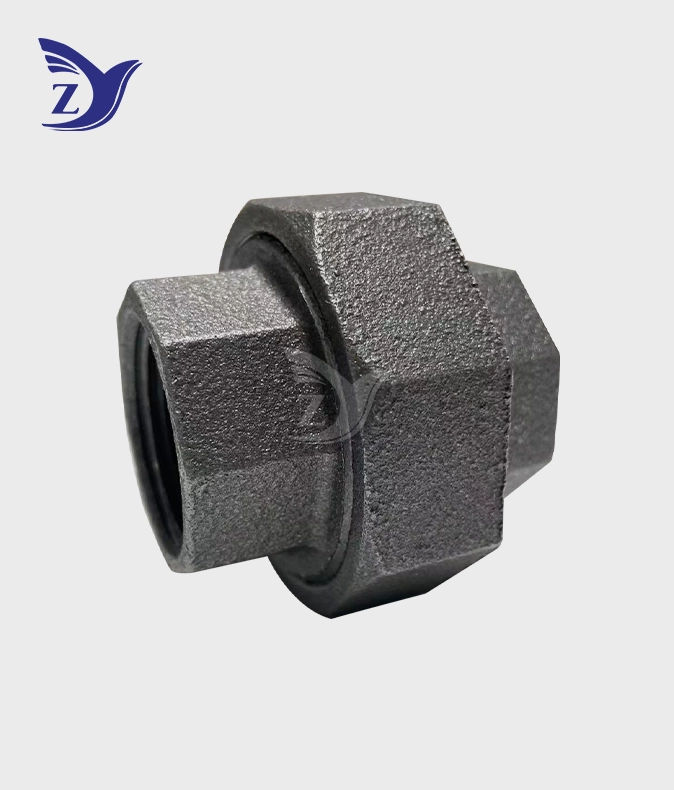
NPT Black Union 340 Pipe Fittings
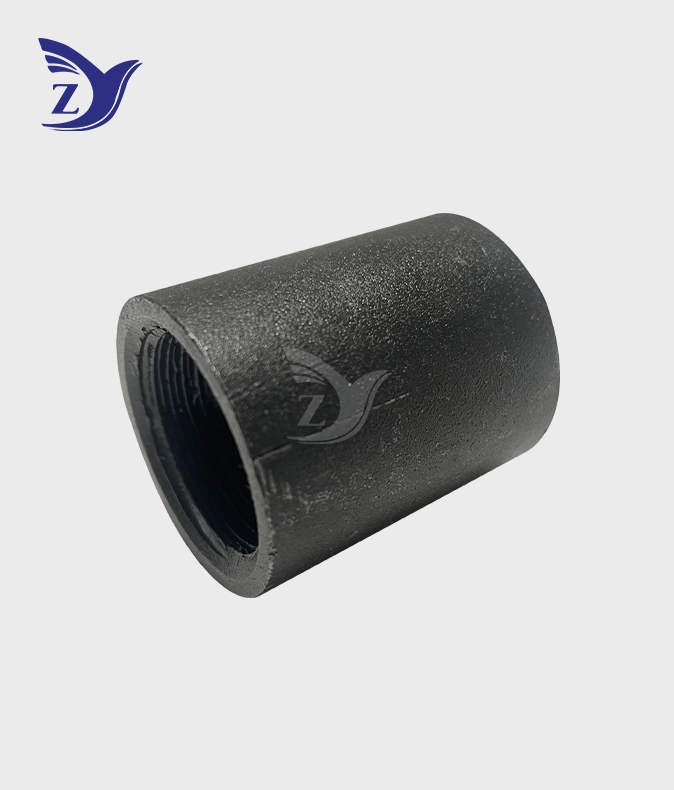
Carbon Steel Full Threaded Coupling Fittings Black Oxide Treated
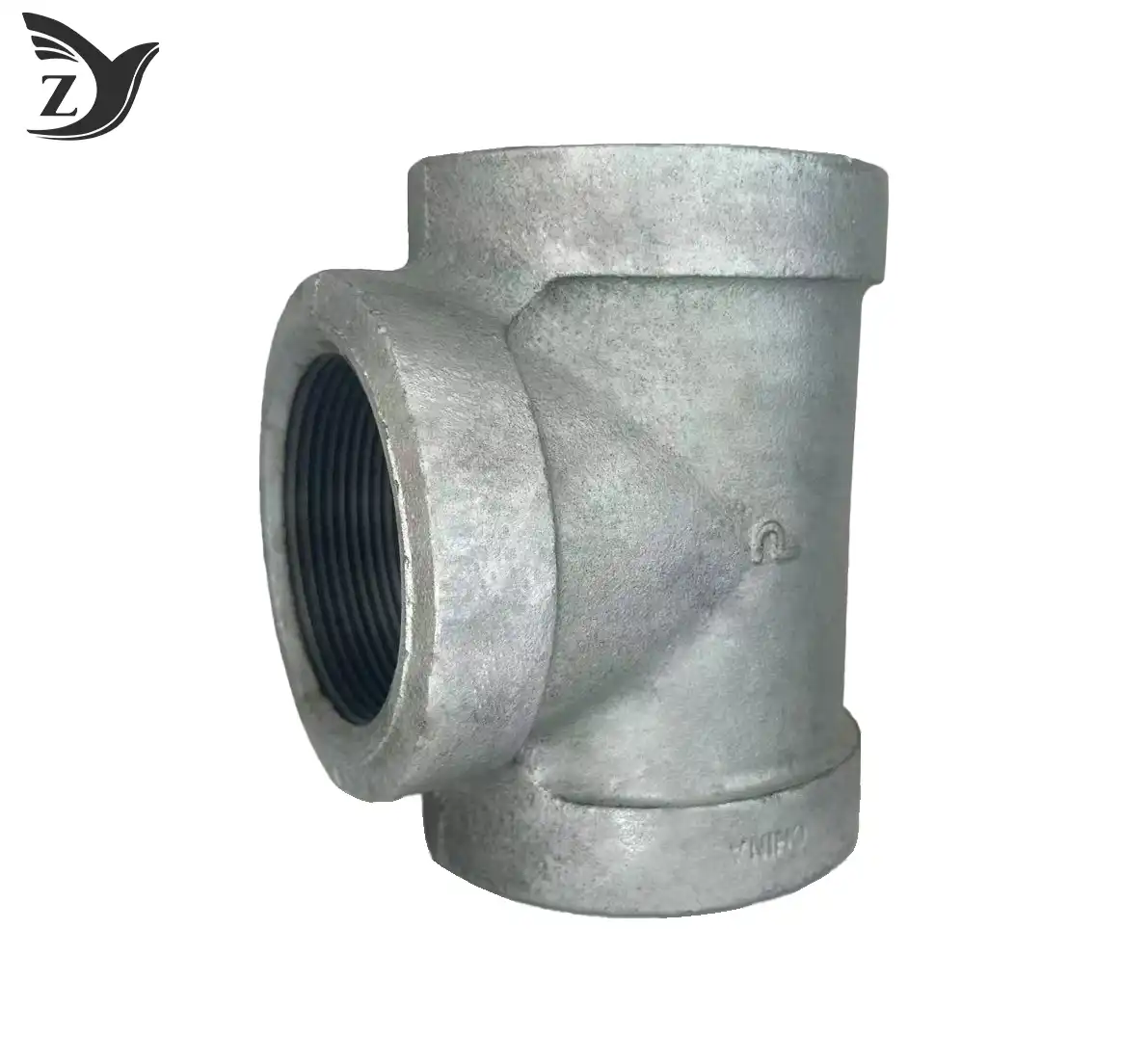
Class 300 Hot Dipped Galvanized Malleable Iron Equal Tee
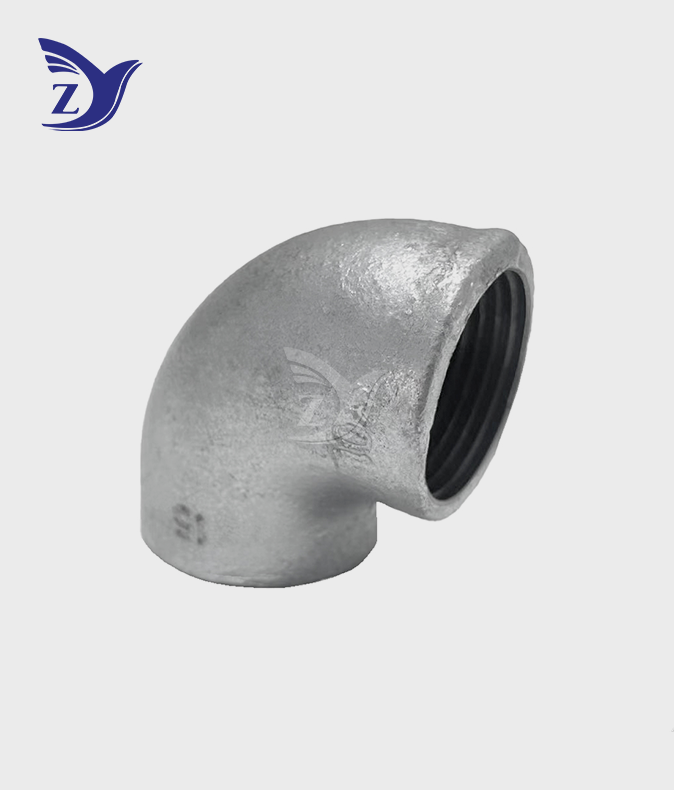
No Hub Hot Dip Galvanized 90° Elbow Pipe Fitting
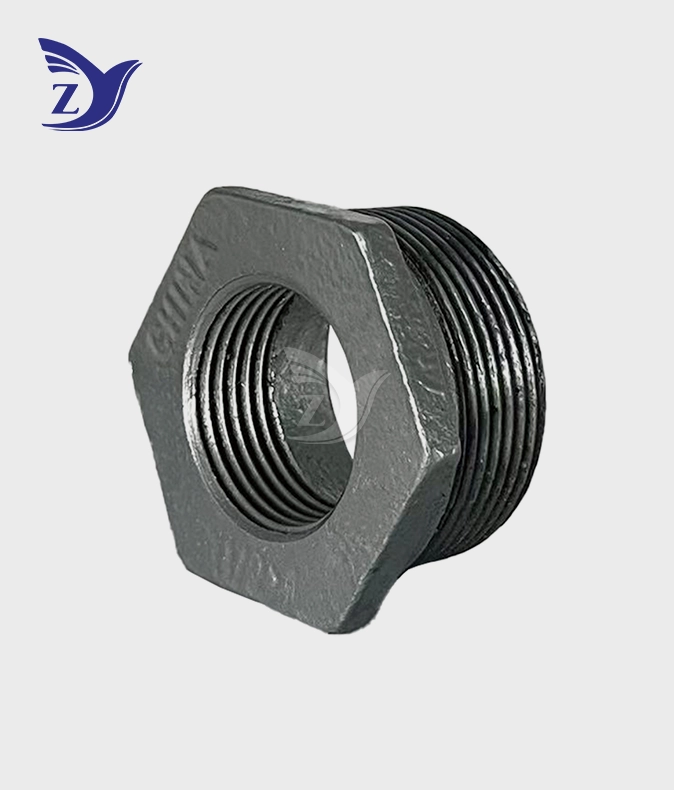
NPT Galvanized Bushing Pipe Fittings
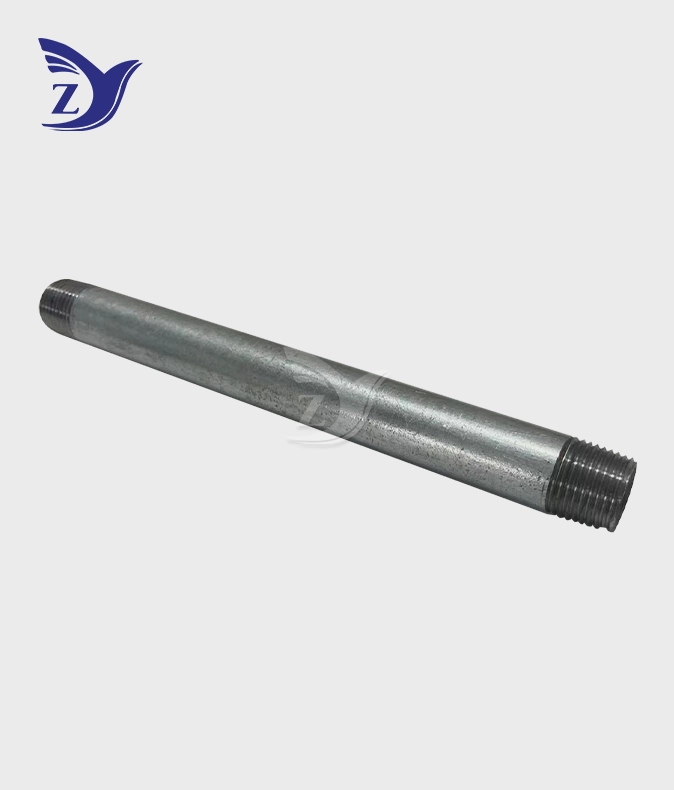
Carbon Steel Pipe Male Threaded Fittings Hot Dip Galvanized
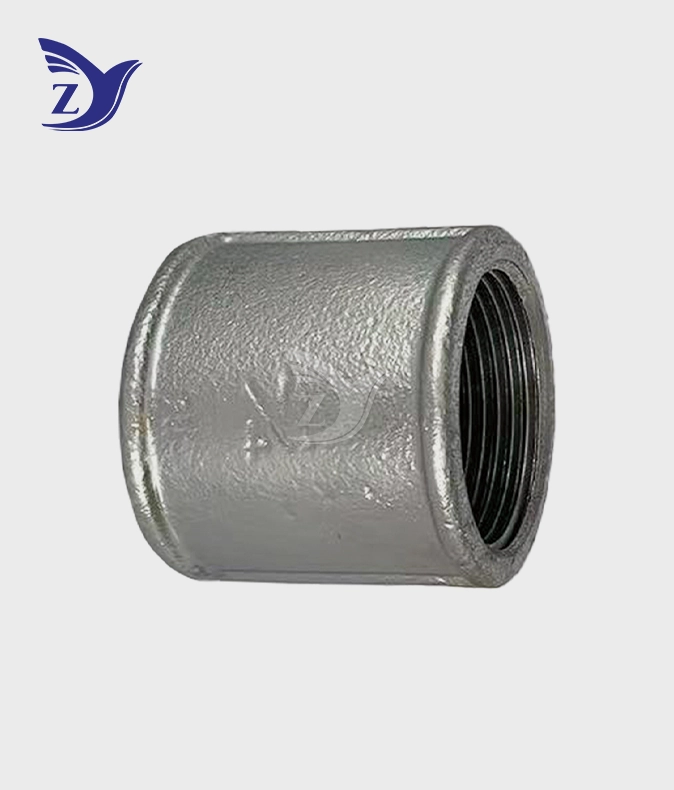
NPT Round Face Galvanized Round Edge Coupling Pipe Fittings
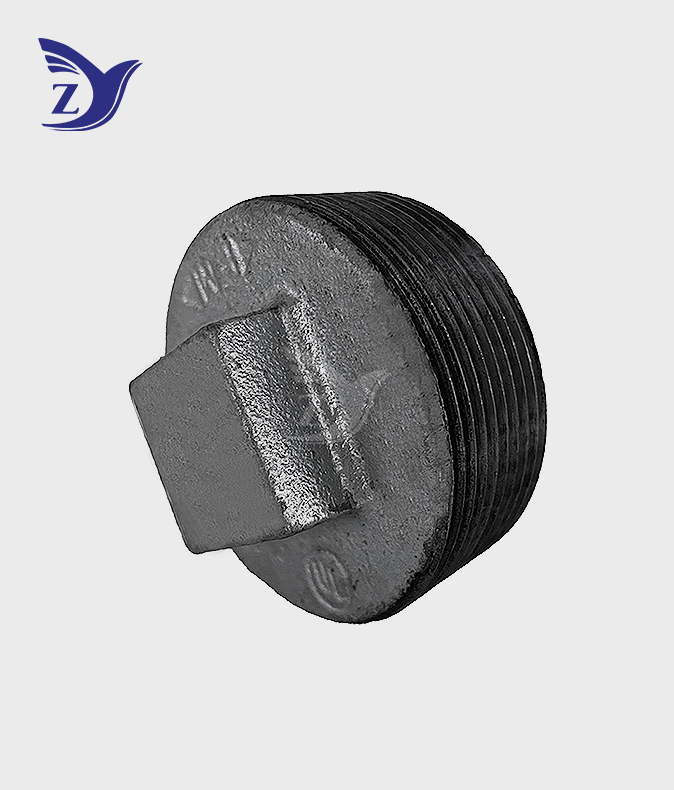
NPT Galvanized Non-Flanged Pipe Plug Pipe Fittings