
Apr 16, 2026
Does galvanized union 342 pipe fitting support NPT or BSPT threads?
It is possible for galvanized union 342 pipe fittings to work with both NPT (National Pipe Taper) and BSPT (British Standard Pipe Taper) thread standards, based on the needs of the making process and the area. These removable industrial pipe fittings have precision-threaded designs that meet international standards. They can be used to connect water and gas pipelines in a number of different ways. The 342-style malleable union has a conical brass-to-iron seat mechanism that works well with both threading systems and seals well, but buyers need to make sure their provider offers the right thread type before they buy.
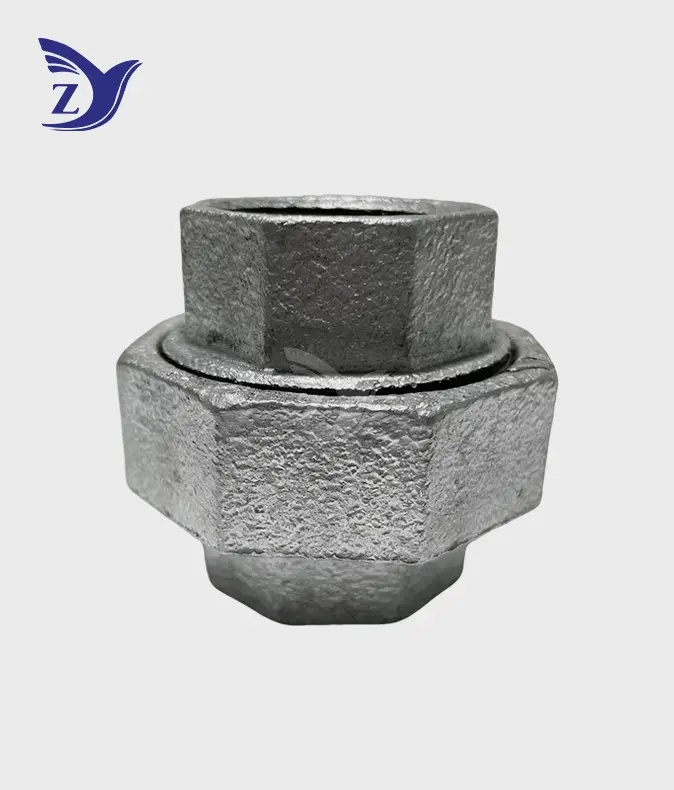
Understanding Threads in Galvanized Union 342 Pipe Fittings
The way threads are set up on malleable steel joints directly affects how well they work with current pipelines. Knowing the main differences between NPT and BSPT systems helps buying teams avoid mistakes that could damage the quality of the installation.
NPT Thread Characteristics in Union Fittings
NPT threads are most common in commercial settings in North America. They have a side angle of 60 degrees and a taper of 1 degree 47 minutes, which meets ASME B1.20.1 standards. When these tapered threads contact, they cause mechanical interference that makes a seal that is pressure-tight and gets even stronger as system pressure builds up. When NPT threads are used to make union 342 fittings, they usually come in male-female configurations that can join straight to valves, pumps, and other equipment without the need for adapters. Precision cutting is needed for NPT threads to make sure that the sizes are accurate within very small ranges. This is important for making gastight connections in steam lines and compressed air systems. Hot-dipped galvanized coats are put on after the threading process to protect the thread profile and keep the gaps needed for proper engagement.
BSPT Thread Standards and Applications
Following ISO 7-1 guidelines, BSPT threads have a 55-degree side angle and a 1:16 taper ratio, which makes them connect differently than NPT systems. BSPT threading is common in markets in Europe, Asia, and the Middle East. It can be found on galvanized unions that serve foreign building projects and factories that make things to sell. Because the thread angle is shorter, the way sealing materials are distributed in the thread valleys is different, so they need to be installed differently than NPT connections. Union connections made for BSPT uses go through the same strict galvanization processes, but their thread pitches are different, which means they can't be used with NPT parts. Buyers who are in charge of managing multinational projects need to be very clear about their BSPT standards, since looking at finished fittings can't reliably tell the difference between the two types of threads.
Identifying Thread Types Before Installation
To find out if a galvanized union 342 pipe fittings has NPT or BSPT threads, you need to do more than just look at the supplier's paperwork. Thread pitch tools are the most accurate way to find things in the field because they measure threads per inch (NPT) instead of threads per inch with metric versions (BSPT). A 1-inch NPT fitting has 11.5 threads per inch, while a 1-inch BSPT fitting has only 11 threads per inch. This is a small difference that becomes very important during installation. Using calipers to measure dimensions can confirm thread angles, but this method needs precise tools and trained workers. Using color-coding or permanent marking systems that take away the need for guesswork during installation is helpful for procurement teams that handle goods from multiple sources. If the paperwork isn't clear, asking makers for approved test results or dimensional inspection certificates is the only way to be sure before placing large orders.
Material Specifications and Advantages of Galvanized Union 342 Pipe Fittings
What kind of materials union fittings are made of and how they are treated on the outside decide how well they work in harsh industrial settings where rust, changing pressures, and heat stress test how reliable the parts are.
Malleable Iron Foundation for Strength and Ductility
galvanized union 342 pipe fittings are made of blackheart malleable iron that meets ASTM A197 standards. This type of iron has better mechanical qualities than gray iron casts. The annealing process changes brittle white iron into a ferritic matrix with scattered carbon nodules. This makes the iron more flexible so it can handle shock loads and shaking, which can happen in pump installations and compressor systems. Tensile strength is usually higher than 300 MPa, and stretch rates stay between 6 and 10 percent. This means that fittings can handle installation pressures without breaking. This choice of material is especially useful in situations where parts need to be put together and taken apart many times. The thread's reliability relies on the base metal's ability to handle torque without deforming. The structure that can be shaped also makes it easier to cut threads, which helps achieve the precise measurements needed for reliable binding.
Hot-Dip Galvanization for Extended Service Life
Following the steps in ASTM A153, the galvanization method for union 342 fittings immerses finished parts in molten zinc pools that form metal bonds that are thicker than 86 micrometers. This covering acts as a sacrifice for protection, corroding more slowly to protect the iron underneath, even if scratches on the surface show the base metal. Field performance studies show that properly galvanized fittings keep their structural integrity for twenty years in outdoor applications, which is a lot longer than coated or untreated options. The zinc layer stops water from getting through in damp places and can handle changes in pH that happen in water systems and process lines in factories. Galvanization covers thread valleys and union seat surfaces, but too thick of a covering can get in the way of measurement standards. High-quality makers find the right balance by controlling immersion times and inspecting after galvanizing.
Conical Seat Design for Superior Sealing
The unique thing about 342-style unions is that they have a precisely-ground cylindrical seat shape, with a brass face that fits against the iron body. This metal-to-metal contact makes a leak-proof seal that doesn't need thread sealants. It works reliably at pressures up to PN25 (25 bar) in water service and 150 PSI in full steam service. The brass part stops electrolytic welding that can happen between iron surfaces that are heated and cooled many times, so unions can be separated even after years of use. Unlike flat-seat designs that depend on gasket compression, the conical shape can handle small pipe misalignment while still keeping the integrity of the seal. This is helpful for setups in the field where perfect alignment is hard to achieve. The seat design can also handle temperature changes from -20°C to 300°C, based on the material used for the seat. This means that these unions can be used for both heating and cooling water systems.
Installation and Maintenance of Galvanized Union 342 Pipe Fittings
When you install union fittings correctly, you get the most out of their performance benefits and avoid making common mistakes that weaken the system.
Pre-Installation Thread Preparation
Before putting the joint together, make sure that both the fitting and pipe threads are thoroughly checked. Taking off the protection caps right before use keeps the threads from getting damaged while they are being stored or transported. Cross-threading, holes, or too much galvanization buildup that might stop proper contact should be seen visually. Using a wire brush to clean thread surfaces gets rid of free zinc particles, dirt, and oxidation without hurting the protected layer. When pipe threads are cut on-site, they need to be deburred to get rid of any sharp edges that could damage the galvanization or make leak tracks. Gas-tight connections can be made by using the right thread sealer, which is usually PTFE tape or approved pipe dope, on the male threads. However, the conical seat itself seals without any extra materials. If you know which areas need sealant, you won't put too much on, which could contaminate process fluids or stop the parts from fitting properly.
Assembly Techniques for Leak-Free Performance
There is a three-step process for installing galvanized union 342 pipe fittings that makes sure they are properly tightened and that the threads don't get damaged. To start, the union parts are hand-threaded together until resistance shows that the taper is connecting. This usually takes three to four full turns. When you use two pipe wrenches, one to hold the pipe in place and the other to turn the union nut, you can control how much force is applied without twisting the pipes that are attached. You should keep tightening until the brass seat makes firm contact, which can be seen by the higher rotating resistance rather than by counting thread turns. If you tighten it too much, the soft brass face can deform or the pliable iron body can crack. If you tighten it too little, gaps form that let air leak out. Any mistakes made during installation can be easily and cheaply fixed by testing the connections at full working pressure before they are insulated or buried.
Maintenance Protocols for Extended Service
Union service lives are extended by regular inspections, and unexpected breakdowns that stop activities are avoided. Visual checks should be done every three months to record any zinc covering damage, paying special attention to areas where water builds up or chemicals are exposed. If you notice white rust early, you can apply protective coatings before the rusting gets to the base metal. When unions that serve important systems are taken apart once a year, the conical seat surfaces can be checked for wear, pitting, or deposits that make binding difficult. Cleaning chairs without using rough materials brings back their closing ability without taking away the protection galvanization. It is cheaper to replace unions that have thread wear, seat damage, or a lot of rust than to try to fix them, because fixing them could cause the fittings to fail suddenly under pressure. Keeping detailed maintenance logs helps you find trouble spots where the environment speeds up wear and tear, which helps you decide what safety steps to take or what materials to improve.
Conclusion
It's important for industrial plumbing systems that galvanized union 342 pipe fittings can be detached easily, don't rust, and close well so they work well for a long time. Knowing that these valves can work with both NPT and BSPT threads, even though each unit only has one standard, helps you avoid buying mistakes that can damage installs. Hot-dip galvanization, accurate conical seating, and malleable iron strength all work together to improve performance in water distribution, gas transfer, fire protection, and HVAC uses. To do buying right, you need to be very clear about the thread standards, make sure the maker can do what they say they can do, and build relationships with suppliers that help you meet project deadlines and quality standards. B2B buyers can be sure that the galvanized union 342 fittings they choose will meet all of their needs while also being the most cost-effective and reliable by using the technical information and finding methods in this guide.
Partner with Zhiyuan Malleable Steel for Thread-Compatible Union Solutions
Because Zhiyuan Malleable Steel has been casting for over 26 years, they can make galvanized union 342 pipe fittings with exact NPT or BSPT threading to fit your project needs. Our 50,000-square-meter factory in Shanxi Province has eight medium-frequency electric furnaces and follows strict ISO 9001 quality control standards throughout production to make sure that the dimensions are correct and the galvanization standards meet ASTM requirements. With an annual capacity of 30,000 tons and more than 1,000 product specs, we can meet both standard stocking needs and OEM design needs for one-of-a-kind uses. Before production starts, our engineering team gives technical advice to make sure that the threads will work together. Our double-layer cardboard packing keeps fittings safe while they are shipped internationally. You can email q1236800000@gmail.com to get examples, talk about bulk prices, or set up a factory visit to see how committed we are to providing fire protection, city infrastructure, and industrial piping projects with reliable malleable steel pipe fittings.
FAQ
Can I visually identify whether a galvanized union has NPT or BSPT threads?
- You can’t reliably tell by eye: NPT (60°) vs. BSPT (55°) thread angles are too similar to distinguish visually.
- Appearance isn’t enough: Pitch and taper look very close, so visual inspection alone isn’t reliable.
- Test fitting isn’t recommended: Trying to screw parts together can cause binding or damage.
- Best methods:
- Check markings (on the fitting or packaging)
- Use a thread gauge or measuring tools
What pressure ratings apply to galvanized union 342 fittings in steam service?
Most standard malleable iron unions are Class 150, rated at 300 PSI for water, oil, or gas at room temperature. For steam, however, allowable pressure is reduced due to high-temperature material weakening. Most manufacturers rate Union 342 at 150 PSI for saturated steam, suitable for process and low-pressure heating systems. Its brass cylindrical seat handles thermal expansion better than iron‑to‑iron designs, maintaining a strong seal under temperature changes. For superheated steam or higher temperatures, better materials or alternative connections are required. Always verify the specific manufacturer’s rating, as casting quality and seat materials affect pressure limits.
Should I apply thread sealant to the union's conical seat surfaces?
A properly fitted conical brass-to-iron seat forms a metal-to-metal seal that requires no extra sealant. Tape or pipe dope on the seat surfaces will prevent full contact and cause leaks.
However, the threaded areas—union nut threads and pipe threads entering the union body—do need sealant to prevent leakage. Apply PTFE tape or approved thread sealant to male pipe and union nut threads in the direction of tightening.
Many fitting errors come from confusing sealed threads with seating surfaces.
References
- American Society of Mechanical Engineers. "ASME B1.20.1: Pipe Threads, General Purpose (Inch)." ASME Standards, 2013.
- ASTM International. "ASTM A197: Standard Specification for Cupola Malleable Iron." Annual Book of ASTM Standards, 2019.
- ASTM International. "ASTM A153: Standard Specification for Zinc Coating (Hot-Dip) on Iron and Steel Hardware." Materials Standards, 2016.
- International Organization for Standardization. "ISO 7-1: Pipe Threads Where Pressure-Tight Joints Are Made on the Threads." ISO Technical Standards, 2018.
- National Fire Protection Association. "NFPA 13: Standard for the Installation of Sprinkler Systems." Fire Protection Code Requirements, 2022.
- British Standards Institution. "BS EN 10242: Threaded Pipe Fittings in Malleable Cast Iron." European Standards for Pipe Fittings, 2020.
Online Message
YOU MAY LIKE
High quality furniture manufacturer
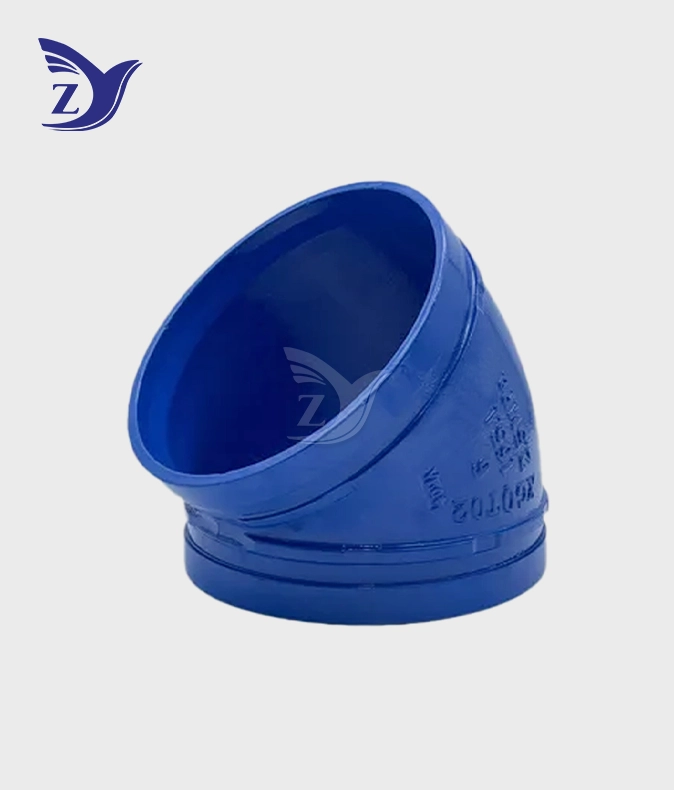
Water Grooved 22.5-degree grooved elbow
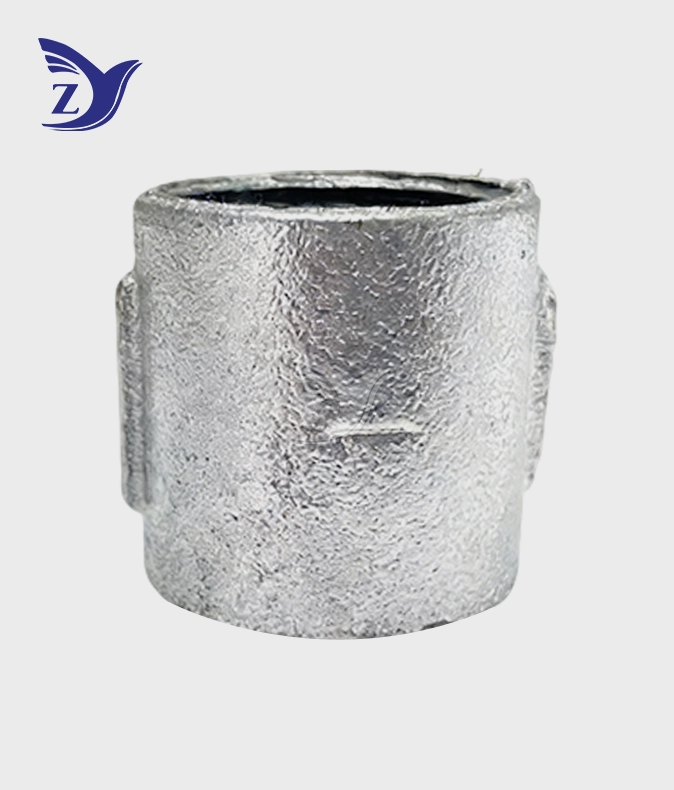
No Hub Hot Dip Galvanized Coupling Pipe Fitting
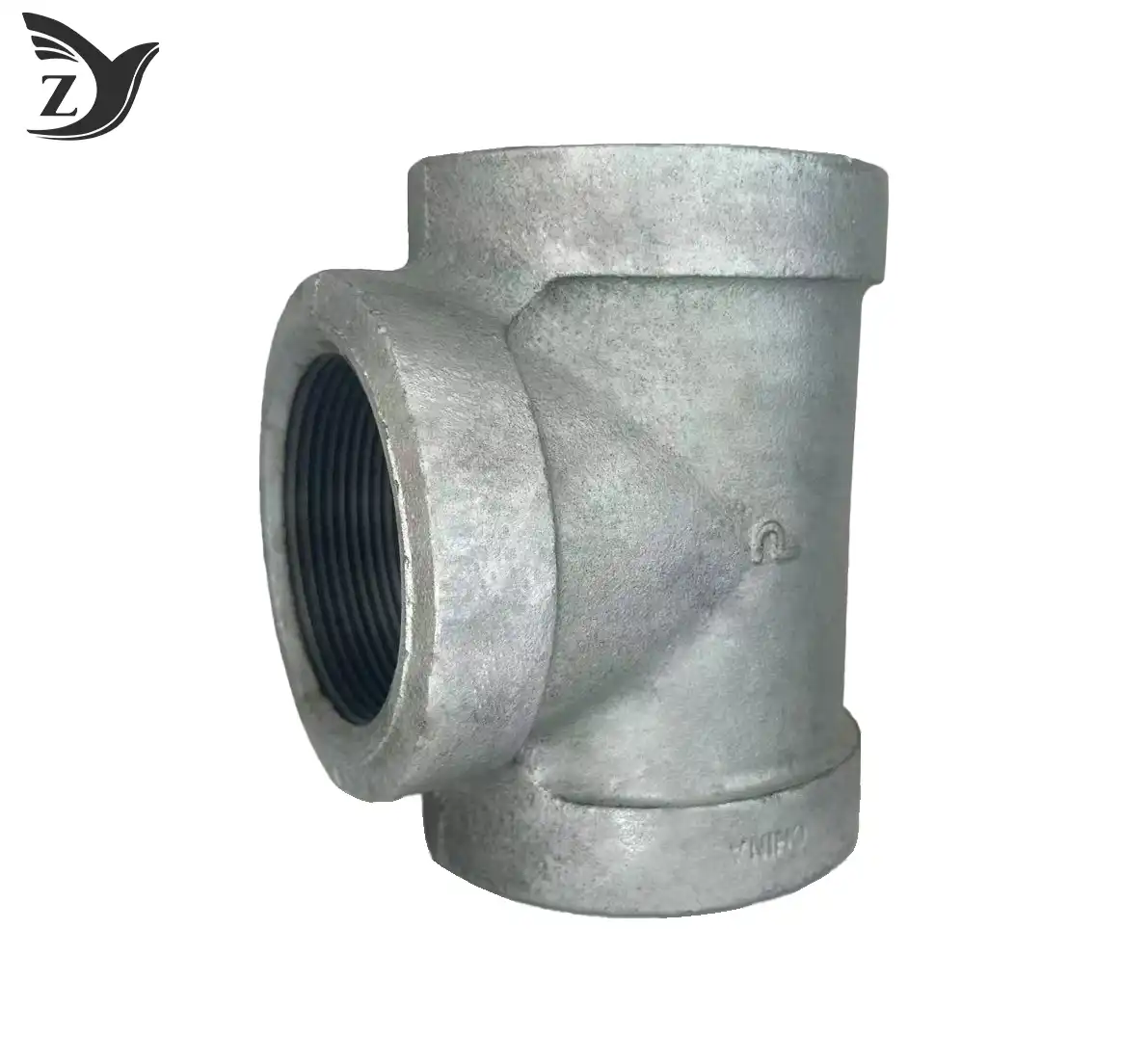
Class 300 Hot Dipped Galvanized Malleable Iron Equal Tee
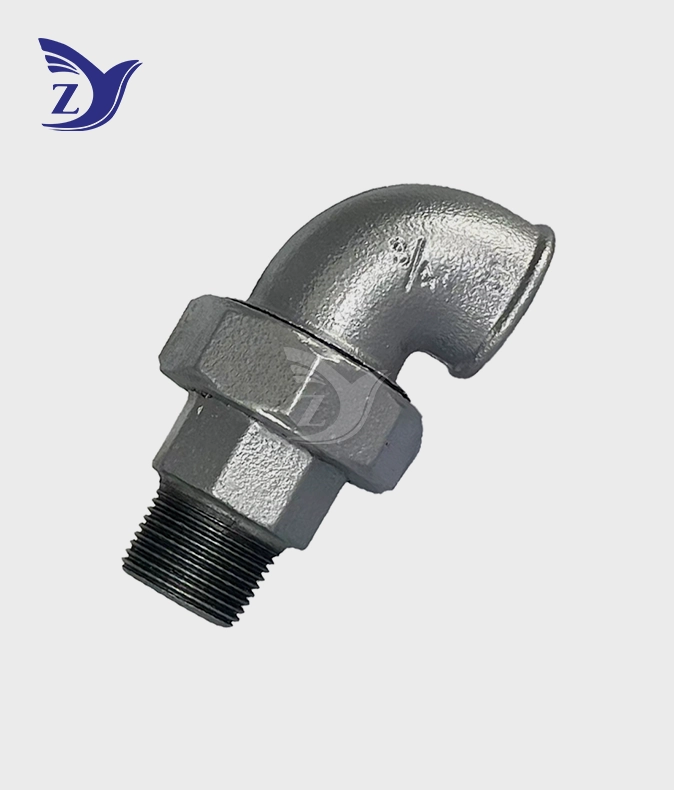
NPT Galvanized Union Elbow Threaded Pipe Fittings with Male and Female Ends
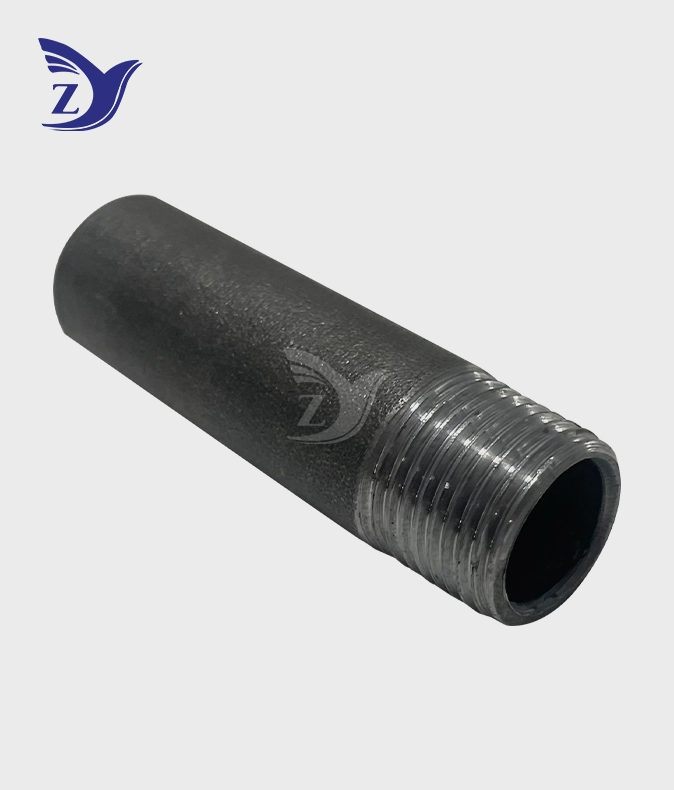
Carbon Steel Pipe Male Threaded Fittings Sand Blasted
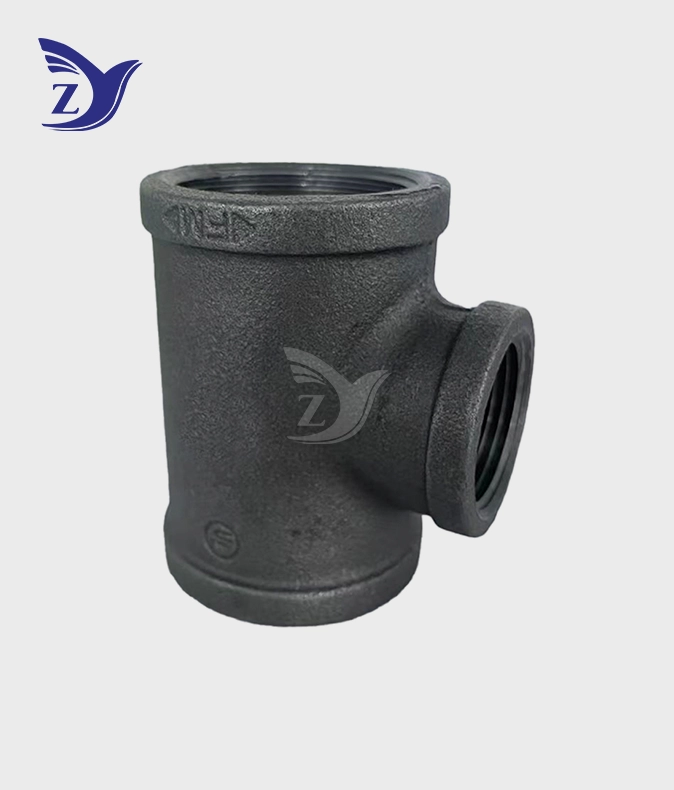
NPT Black Square Face Reducing Tee Pipe Fittings
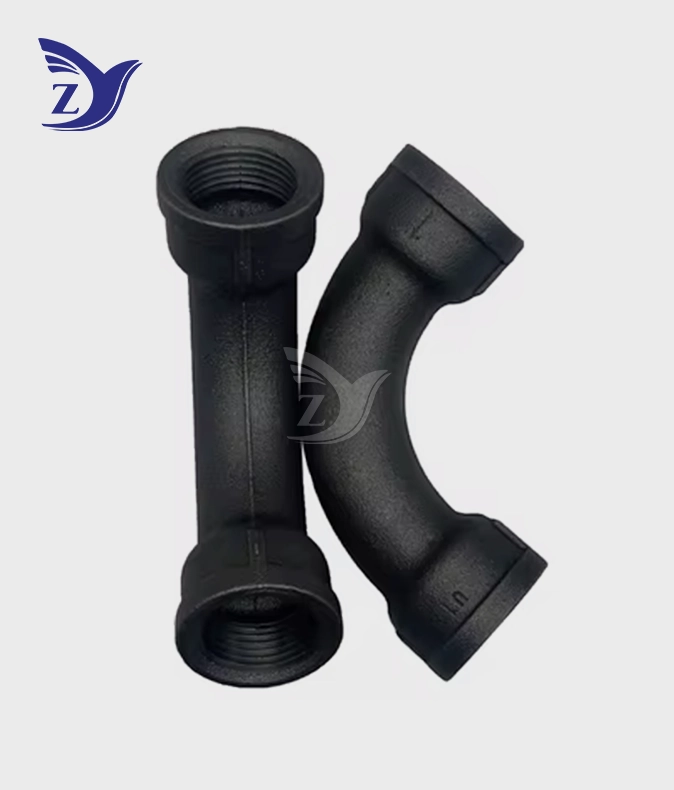
BSPT Black FxF 90° Long Bend Malleable Iron Pipe FittingsFittings
BSPT Black Male Nipple Pipe Fittings