
Apr 21, 2026
Do I need a dielectric union for brass to galvanized?
To stop galvanic rusting, you probably need a dielectric union to connect brass pipes to coated steel pipes. When two different metals come into touch with an electrolyte like water, this electrochemical process happens, speeding up the breakdown. Direct links between brass and galvanized metal produce a galvanic cell that weakens the system over time, even though galvanized union 340 pipe fittings are very strong and corrosion-resistant on their own. With a shielding barrier, dielectric unions stop this electrical path. This protects your investment and makes sure you follow plumbing rules in most places in the United States.
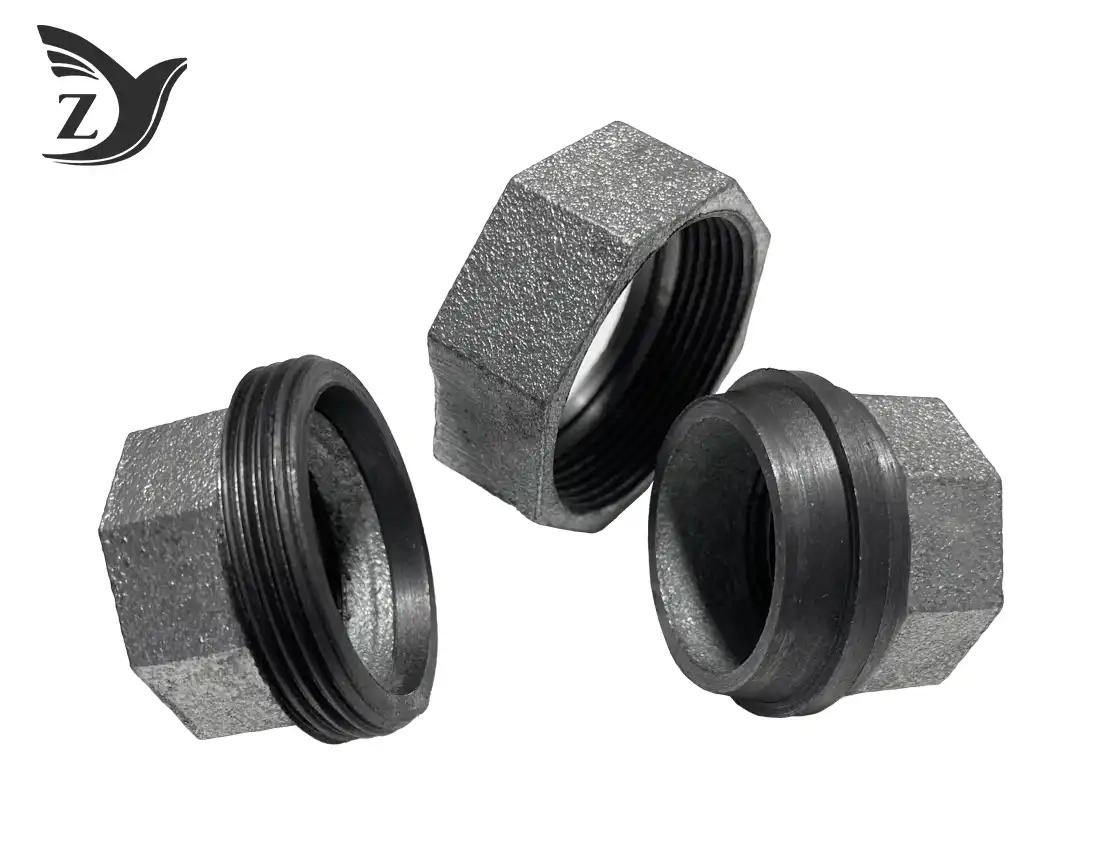
Understanding Dielectric Unions and Their Role in Brass-to-Galvanized Connections
What Is a Dielectric Union?
A dielectric union is a special kind of threaded union that has a plastic or rubber washer and sleeve piece that doesn't pass electricity between two metal parts. This design literally separates metals that are not the same while keeping the cover tight. There are three parts to the union: a metal end, a galvanized steel end, and an insulation shield in the middle. This arrangement stops electricity from moving through it while still letting fluids pass.
The Science Behind Galvanic Corrosion
When two metals with different electrochemical potentials touch in a conductive liquid, galvanic rusting takes place. Copper and zinc are found in brass, while galvanized steel has an iron body with a zinc layer to protect it. The more anodic material, which is usually the zinc layer on galvanized steel, gives up its life to protect the more noble brass when water runs through these joined metals. This process leads to pitting, leaking, and eventually the loss of the system. With their dissolved salts and low conductivity, municipal water sources speed up this degradation a lot.
Industry Standards and Code Requirements
In many situations, the International Plumbing Code and the Uniform Plumbing Code require dielectric separation for metal links that are not the same. Building inspectors always make sure that water heater systems are properly isolated. This is because galvanized supply lines are often connected to metal valves. Dielectric isolation is useful for fire safety systems, HVAC setups, and public water delivery networks. Compliance not only keeps your equipment safe, but it also protects your guarantee and your assets from damage.
In addition to following the rules, dielectric unions make systems last longer in a measurable way. Studies in engineering show that brass-to-galvanized connections that are properly separated can last 20 to 30 years, while straight connections usually break after 5 to 10 years. Because they last longer, building projects, city engineering firms, and industrial facilities can save money on upkeep costs, avoid having to fix things in an emergency, and run more smoothly.
Comparing Brass to Galvanized Fittings: Dielectric Union vs. Direct Connection
Material Property Comparison
For drinkable water systems, brass fittings are the best at resisting corrosion because they keep the inside areas smooth, which stops scaling and biological growth. When made correctly, the copper-zinc metal doesn't dezincify, but cheaper brass types can break down in harsh water chemicals. Galvanized union 340 pipe fitting is stronger and more resistant to pressure than brass. It can handle installation loads and outside forces better. The zinc covering protects against rust for a short time, but as soon as it is broken, the iron underneath quickly oxidizes.
When these things touch each other directly, the difference in their electrical potential makes a galvanic cell. The difference in voltage causes current to flow through the water, which speeds up rust at the connection point. When galvanized coats break down, they leave behind white rust layers that eventually turn into leaks. This wear and tear is mostly found at the threads, where mechanical forces already weaken the zinc layer when the bolts are tightened.
Protective Role of Dielectric Unions
By adding a non-conductive buffer, dielectric unions stop galvanic interaction. The plastic or rubber seal stops the flow of electrons between the metals and keeps the flow of hydraulics going. Electrically, the insulating cover divides the threaded connections, making sure that there is no link at all. In most city water systems, this easy change raises the life of the junction from 5 to 7 years to 25 to 30 years.
The cost of installing dielectric joints is very small compared to the cost of replacing a system that has failed due to rust. At retail, a standard dielectric union costs between $8 and $15. On the other hand, emergency pipe repairs cost between $300 and $800 per event, which includes work, materials, and system downtime. This good cost-benefit ratio is known by project managers in the building, city engineering, and industrial sectors.
Real-World Case Study: Municipal Water System Retrofit
As part of a regular upgrade, a medium-sized local water authority in the Northeast switched from straight brass-to-galvanized connections to dielectric unions throughout a pumping station from the 1980s. After only eight years, the original straight connections were severely corroded, and multiple tiny leaks meant that they had to be fixed right away. After installing dielectric unions correctly, the system worked without any leaks for over fifteen years before it needed to be replaced. This cut down on repair calls by 75% and the costs that come with them by about $42,000 a year.
Integrators who work with fire safety say the same things happen when they connect brass fire department links to steel standpipe systems. Dielectric isolation keeps these important safety connections from rusting, which makes sure the system is ready for situations. Building rules are requiring this security more and more because they know that corrosion can cause life safety systems to fail.
Procurement Considerations for Galvanized Union 340 and Dielectric Unions
Supplier Certification and Quality Assurance
If you choose certified providers, you can be sure that the products you get will meet foreign standards and project requirements. Reputable makers keep ISO 9001 quality management systems that keep records of how materials are tracked, how production is controlled, and how tests are done. UL (Underwriters Laboratories), FM (Factory Mutual), and CE (European Conformity) certifications show that safety and performance claims have been checked by outside groups.
For malleable iron unions, quality control steps include trying the seal's integrity with pneumatic pressure at 0.6 MPa, checking the thread's dimensions with precision ring and plug gauges, and checking the coating's thickness with magnetic tools to make sure it's adequate. The pitch, angle, and length of the contact must all meet the requirements set by ASME B1.20.1 (NPT) or ISO 7-1 (BSPT). The conical seat angle in 340-series unions needs to be checked optically to make sure that the parts fit together correctly.
Zhiyuan Malleable Steel meets strict quality standards by checking all of its products thoroughly at many stages of production. Before they package their products, they check each batch's dimensions, put it under pressure, and check the coating's thickness. This attention to detail keeps things from breaking down in the field and cuts down on guarantee claims.
Strategic Purchasing for Cost Optimization
Large-scale building projects, wholesalers, and dealers can save a lot of money by buying in bulk. When you buy more than 1,000 units in bulk, you can usually get 15–25% off the small-quantity price. Annual supply deals with committed number tiers make sure that prices are stable and that priority is given when there are problems in the supply chain.
When planning projects and keeping track of supplies, lead times play a role. Standard steel unions in common sizes (1/2" to 2" NPT) can be shipped within days, but larger or more custom shapes may take 2 to 4 weeks to make. By predicting project streams and setting safety stock levels, procurement experts find the right balance between the costs of keeping inventory and the risks of running out of it.
When serving foreign markets or specific uses, the ability to customize is important. OEM and ODM services can handle different fitting standards, pressure levels that aren't standard, and special finishing needs. Suppliers who give expert help during the development of specifications add value above and beyond just providing parts; they act as engineering partners instead of just selling goods.
Ensuring Compatibility and Specification Compliance
Mismatches between parts and current equipment can be very expensive. Detailed specification sheets keep this from happening. Before sending out buy orders, make sure that the thread type, size, pressure class, and material suitability are all correct. Because the taper angles and pitches are different, mixing NPT and BSPT threads leads to leaks and early failure. Pressure values must meet or go beyond the working conditions of the system, with enough room for error.
Things to think about when buying galvanized union 340 pipe fittings include chemical compatibility, which goes beyond base materials and includes thread seals and galvanization coats. Certain types of water are very bad for zinc coats and need extra safety or different materials. Even though they cost more, some industrial processes may need stainless steel or other rare metals. These choices are based on material safety data sheets and chemical protection charts.
Documents needed for controlled industries include mill test reports that prove the make-up of the material, pressure test results that show performance standards, and measurement inspection reports that prove the product meets the requirements. Keeping these records meets the needs of auditors and makes it easier to file insurance claims when they're needed.
Conclusion
Connecting brass to galvanized pipes without dielectric unions can cause rust to start too soon, fixes that cost a lot of money, and even code violations. The electrochemical contact between these different metals speeds up the breakdown at link points, which makes the system less safe and reliable. When properly installed and paired with dielectric isolation, properly designed galvanized union 340 pipe fittings provide years of leak-free service in HVAC, fire protection, water supply, and gas distribution. Investing in high-quality parts from approved makers and following best practices for installation saves key assets and makes sure that regulations are followed and operations run smoothly.
Partner with Zhiyuan Malleable Steel for Reliable Piping Solutions
Since 2006, Zhiyuan Malleable Steel has been making precision-engineered pipe fittings for building companies, city services, plumbing wholesalers, and manufacturing facilities all over the world. Our galvanized union 340 pipe fittings are made of high-strength, malleable iron and are hot-dip galvanized over 86 microns to make them completely resistant to rust. Threading choices for NPT and BSPT make sure that they work with metal and galvanized systems all over the world. We are a reliable provider that can make up to 30,000 tons of parts a year and has ISO 9001, UL, FM, and CE certifications. We offer high-quality parts and full expert support. Email our tech team at q1236800000@gmail.com to talk about the needs of your project and ask for examples. We use double-layer packaging to protect shipments while they are being shipped internationally, and we keep a lot of stock so that we can send basic products within two hours for immediate needs.
FAQs
When can I skip using a dielectric union?
You don't need to use dielectric unions to join metals that are the same or if the system design already includes other ways to keep electricity from flowing. Connections made of the same metal, like brass to brass or galvanized to galvanized, don't form galvanic cells that need to be separated. Plastic pipe systems that only use metal adapters at equipment links might not need dielectric unions if the plastic parts are enough to keep the electricity from flowing. But unless there are special reasons not to, most plumbing codes require dielectric separation at metal changes that are not the same. Talking to local building officials makes sure you understand the rules in your area.
How long do most dielectric unions last?
When put correctly, dielectric unions in water systems for homes and businesses usually last 20 to 30 years before they need to be replaced. Service life relies on the type of water, the temperature at which it is used, how often the pressure changes, and how well it was installed. Aggressive water with a lot of salt or very low or high pH levels speeds up the breakdown of insulating parts, limiting their useful life to 10 to 15 years. Based on the results of regular inspections, parts used in industrial settings where chemicals are present or where temperatures are high may need to be replaced more often.
Can I use galvanized unions for natural gas lines?
When properly designed and fitted, galvanized malleable iron unions that are approved for gas service can safely handle natural gas distribution. Check that the fittings have the right pressure ratings and gas service approvals. Many makers mark their goods as "WOG" (Water-Oil-Gas) approved. Thread lubricants must be rated for gas; never use PTFE tape or substances that are only made for water service. Local gas laws say what materials can be used and how they should be installed. These rules are more important than general plumbing rules, so make sure you are following the rules set by your utility company and your area's government before you start.
References
- ASTM International. (2017). ASTM A197: Standard Specification for Cupola Malleable Iron. West Conshohocken, PA: ASTM International.
- ASME Standards Committee. (2019). ASME B1.20.1: Pipe Threads, General Purpose (Inch). New York, NY: American Society of Mechanical Engineers.
- International Code Council. (2021). International Plumbing Code. Country Club Hills, IL: International Code Council.
- ASTM International. (2016). ASTM A153: Standard Specification for Zinc Coating (Hot-Dip) on Iron and Steel Hardware. West Conshohocken, PA: ASTM International.
- Revie, R.W., & Uhlig, H.H. (2008). Corrosion and Corrosion Control: An Introduction to Corrosion Science and Engineering (4th ed.). Hoboken, NJ: John Wiley & Sons.
- National Fire Protection Association. (2022). NFPA 13: Standard for the Installation of Sprinkler Systems. Quincy, MA: National Fire Protection Association.
Online Message
YOU MAY LIKE
High quality furniture manufacturer
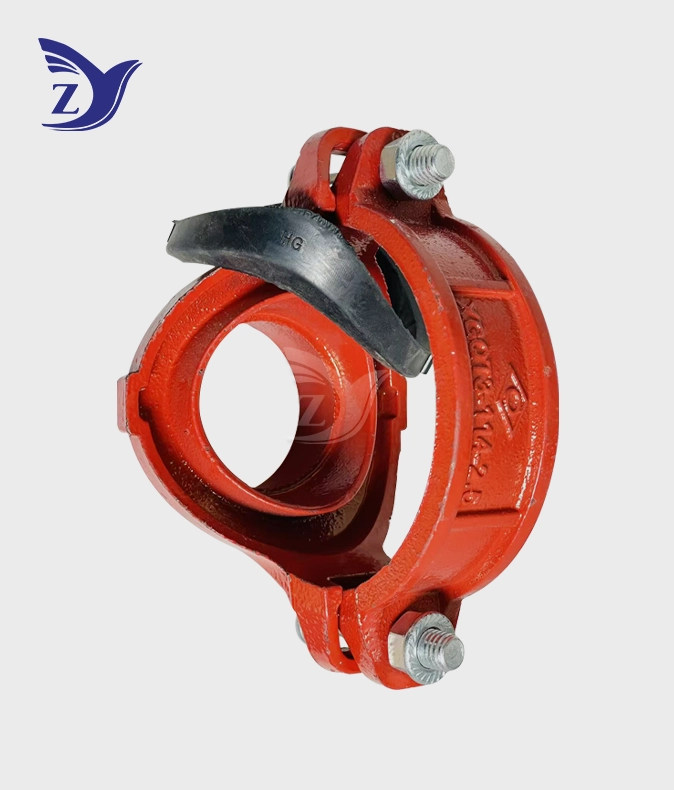
Fire Grooved Mechanical Tee
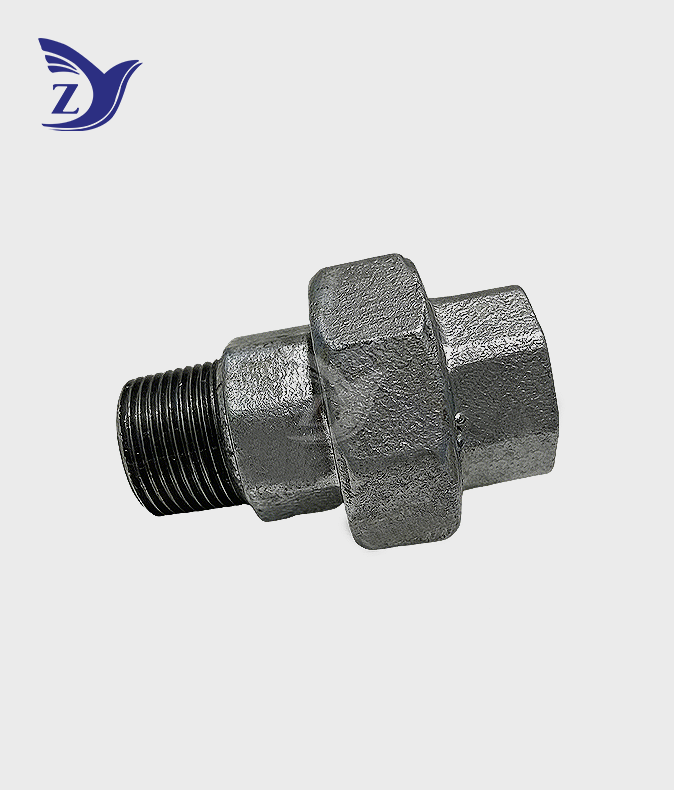
NPT Galvanized Male Female Threaded Union 343 Pipe Fittings
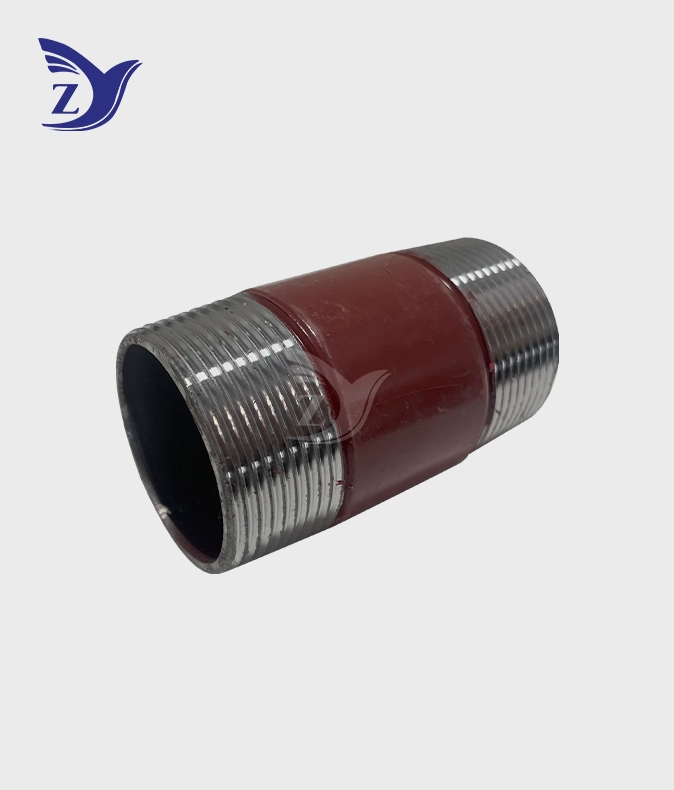
Carbon Steel Pipe Male Threaded Fittings Red Coated
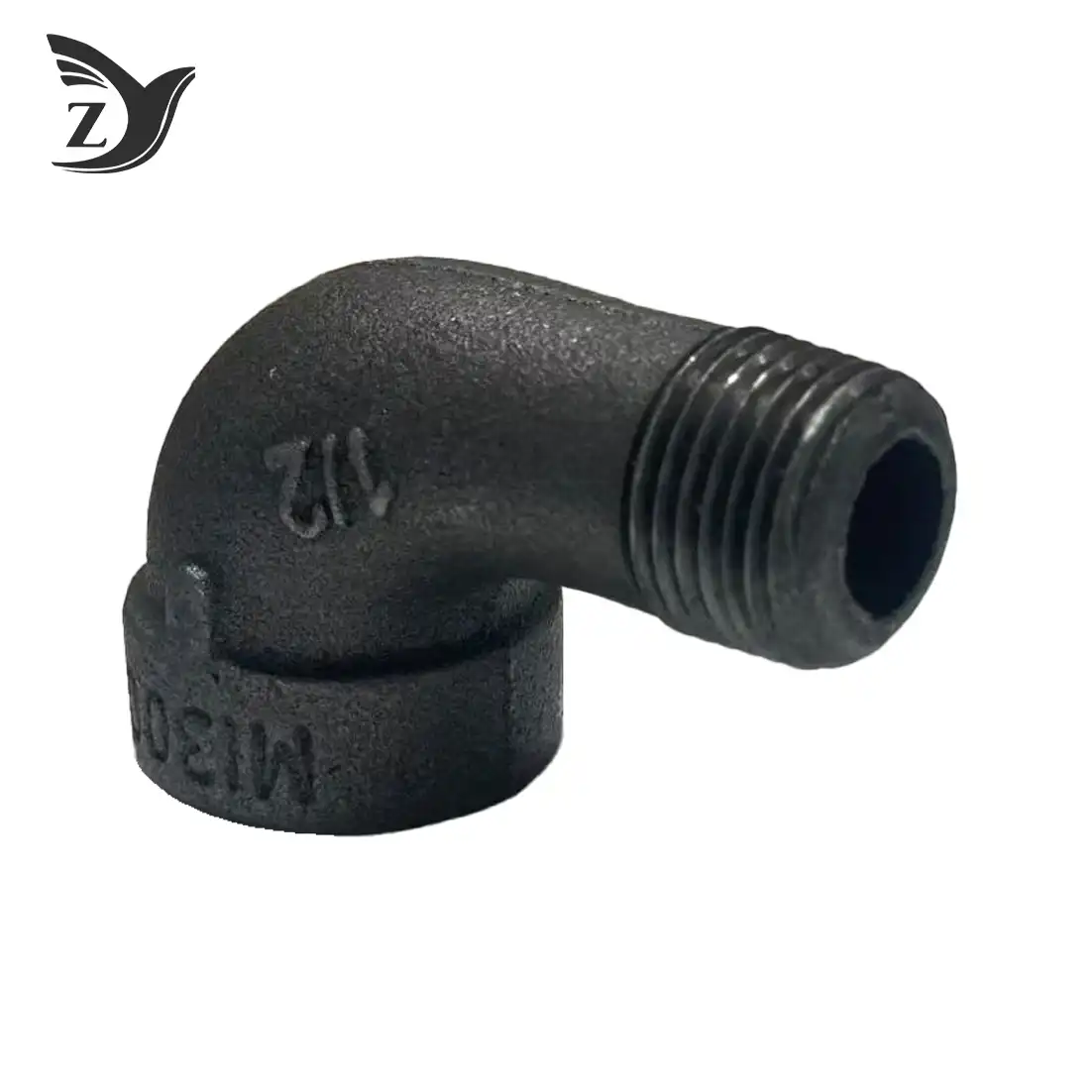
300# Black Threaded 90° Elbow, Male & Female
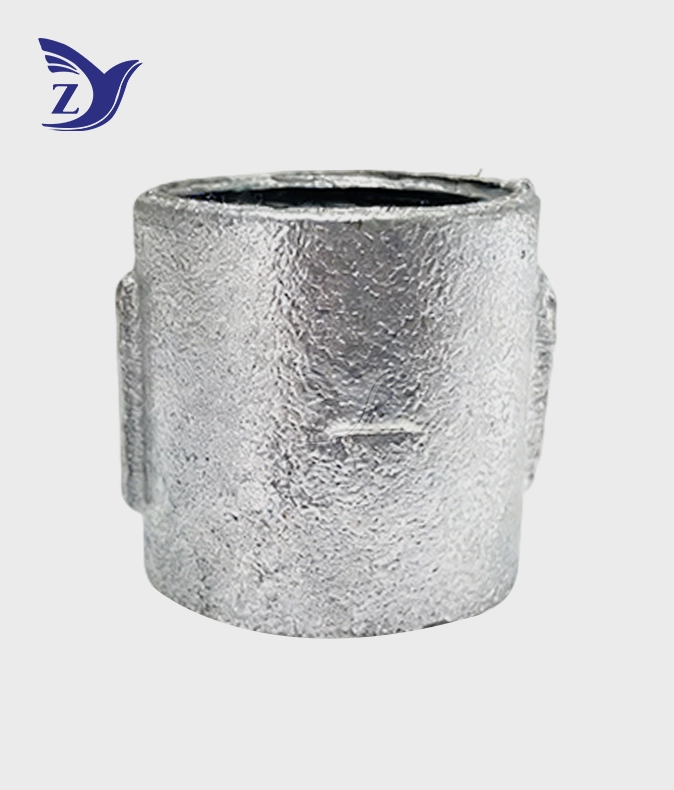
No Hub Electro Galvanized Coupling Pipe Fitting
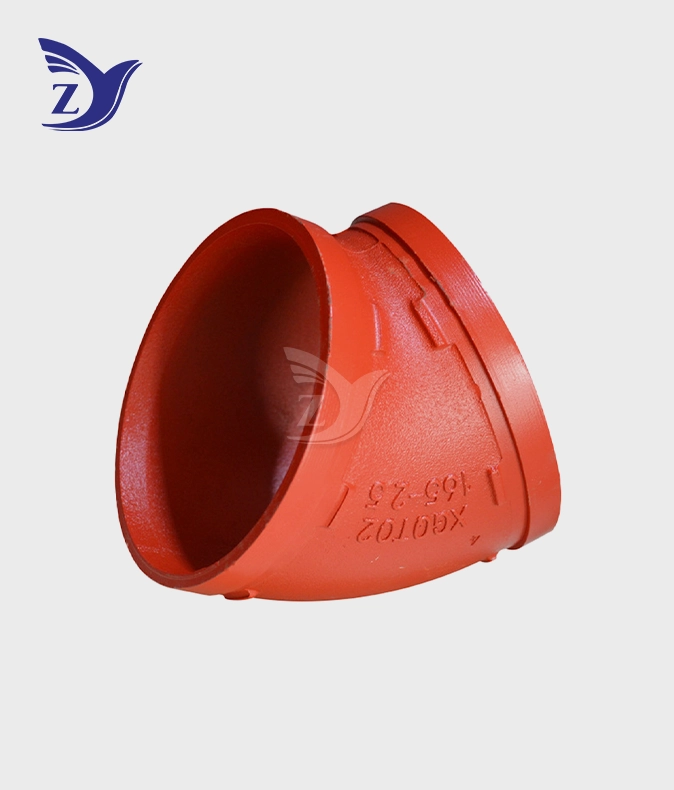
Fire Grooved 45° Elbow
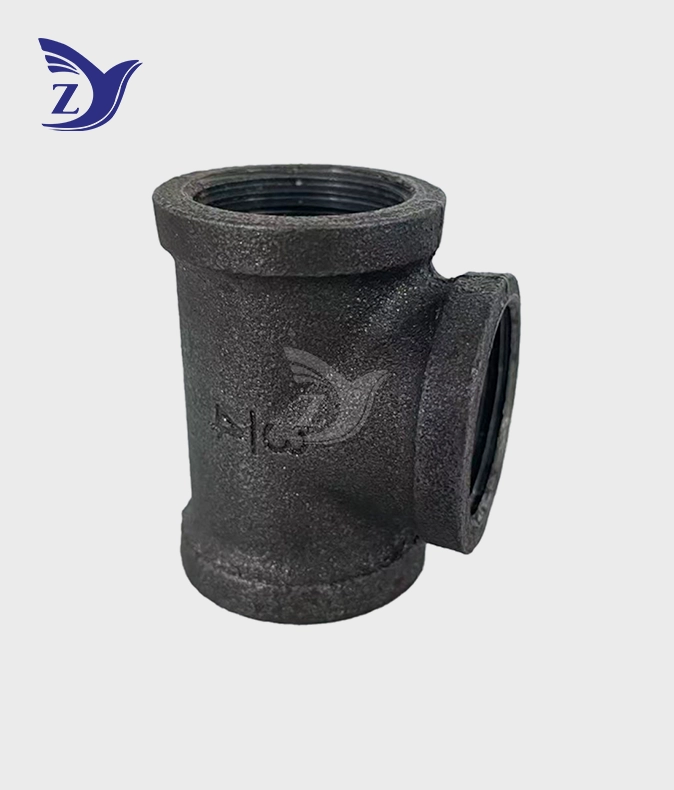
NPT Black Square Face Straight Tee Pipe Fittings
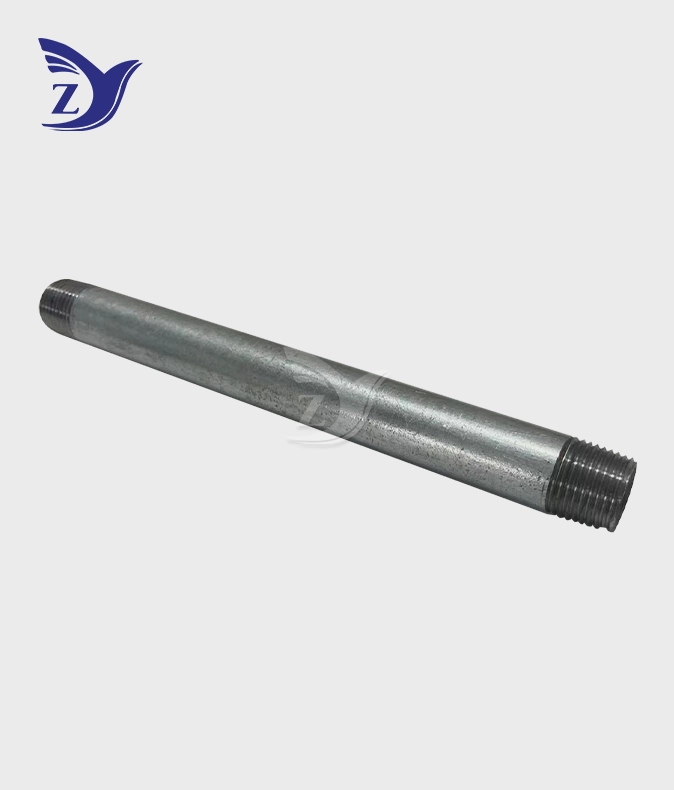
Carbon Steel Pipe Male Threaded Fittings Hot Dip Galvanized