
May 29, 2026
Do black malleable iron bushings rust?
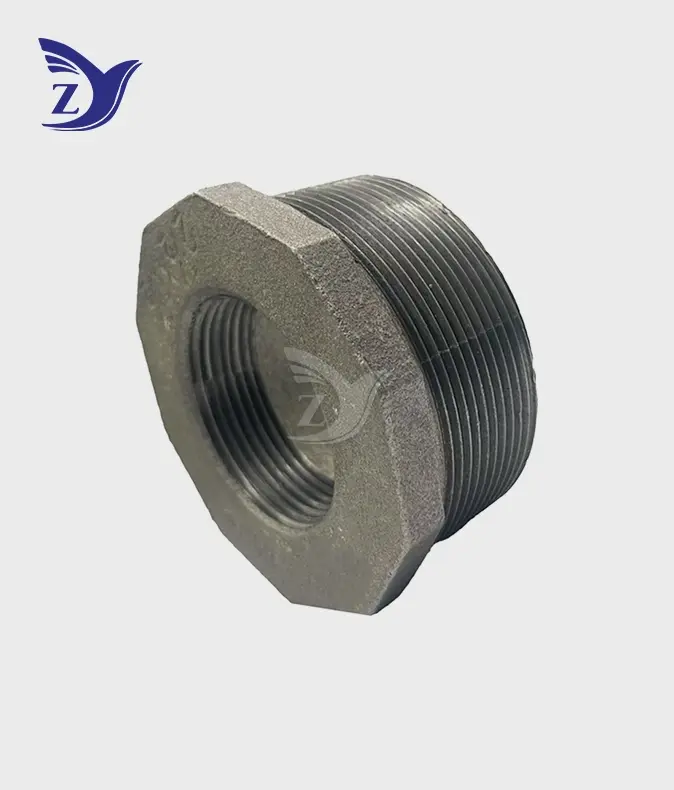
Black malleable iron bushings can rust in some situations, especially if they are left out in wet, humid, or acidic places for too long without being protected. The material is heated to make it more flexible and strong, but because it is mostly iron, it is naturally prone to rust. The "black" finish, which is usually a thin layer of oil or black oxide, is not as resistant to rust as zinc options. But with the right surface treatments, regular upkeep, and smart installation methods, rust can be kept to a minimum. This makes these bushings reliable for use in steam, gas, and oil uses in many different industry sectors.
Understanding Black Malleable Iron Bushings and Rust Formation
What Are Black Malleable Iron Bushings?
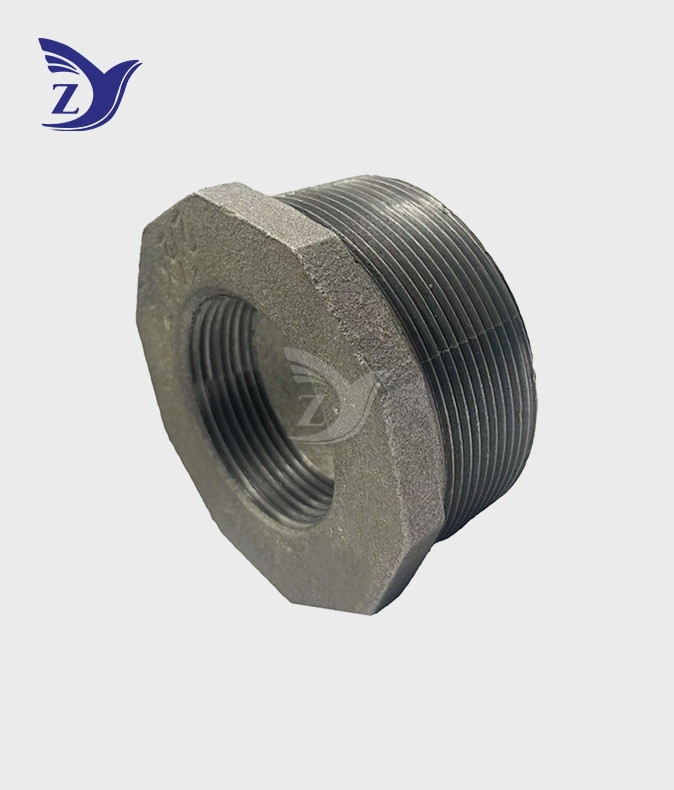
Black malleable iron bushings are pipe fittings made from annealed white cast iron that have been heated for a long time. Iron carbides, which are rigid, change into graphite granules during this process. This makes a material that is very flexible and resistant to impact. In contrast to regular gray cast iron, malleable iron can handle vibrational stress and changes in temperature without breaking. The curved threads on these bushings are either NPT (National Pipe Taper) or BSPT (British Standard Pipe Taper). They are made to connect pipes of different sizes while keeping the seals tight. The "black" color refers to the non-galvanized surface finish, which is usually covered with bituminous paint or oil that stops rust.
In industries, these parts are used in fire defense systems, natural gas delivery networks, and steam heating systems. Because they can handle temperatures and pressures up to 300°C and 300 psi, they are essential in harsh settings. Standards for manufacturing, such as ASTM A197 and EN 10242, make sure that the quality is always the same. The minimum tensile strength should be 330 MPa, and the stretch rate should be more than 8%.
How Rust Forms on Iron-Based Components
An electrical process known as oxidation makes rust. Iron atoms lose electrons and bond with oxygen molecules to make iron oxide, which is widely known as rust, when they come into contact with water and oxygen at the same time. When fluids like saltwater or industrial chemicals are present, this process speeds up. Variations in temperature speed up the process by making metal surfaces condense, which is perfect for rusting.
The microstructure of malleable iron is made up of tempered carbon crystals in a ferrite framework. Even though this arrangement is better from a technical point of view, the iron inside is still likely to rust. Corrosive substances can get into new metal through surface flaws like scratches, dents, or broken coats. This starts the rusting process. Environmental factors like high humidity (above 60%), touch with acidic substances, or coming into contact with metals that are not the same through galvanic action speed up the breakdown process even more.
Do Black Malleable Iron Bushings Rust?
Environmental Factors Influencing Corrosion
Several external factors have a direct effect on how quickly black malleable iron bushings rust. Coastal sites are exposed to salty air that acts as a strong refrigerant and makes rust much more likely. Chemical processes in factories can subject bushings to acidic vapors or alkaline solutions that damage protection layers. Soil wetness and mineral content vary a lot in underground systems. Soils that are high in clay hold water longer than soils that are low in clay.
Changes in temperature are another problem. Every day, cycles of warmth and cooling make metal surfaces condense, especially in pipe systems that aren't protected. When you use steam above 140°F, protective layers can wear off, leaving bare metal. When installed outside, freeze-thaw cycles put stress on the structure of the material and allow water to get in. When choosing parts that will last for a long time, procurement teams must take these site-specific factors into account.
Surface Treatment Effectiveness
The usual black oxide covering doesn't do much to stop corrosion; it's mostly just there to protect against damage during shipping and not for long-term protection. This very thin layer is only a few microns thick and goes away quickly when chemicals or mechanical stress are applied. Corrosion engineering studies show that iron that is flexible and is in a humid climate will rust within weeks if it is not cleaned.
Better safety methods make service life much longer. Hot-dip galvanizing puts on a thick coat of zinc that corrodes before the base metal. This protects the metal for decades in normal conditions. When you use epoxy powder coats, you make walls that keep water and chemicals out. Nickel or chrome electroplating makes things look nice and keeps them from rusting. Each treatment method has different costs and uses that buying workers have to think about and compare to the needs of the business.
Material Comparison with Alternatives
When you compare black malleable iron bushings to other materials, you can see that each has its own pros and cons. While stainless steel bushings are better at resisting rust, they are three to five times more expensive and can't be used for large-scale installs. Bronze fittings don't rust in salt water, but they don't have the pressure values needed for high-pressure steam uses. Standard cast iron is less expensive, but it breaks easily when it hits something, which can be dangerous in places where vibrations are common.
Galvanized steel protects well against rust at a modest cost premium, but zinc coats flake off at high temperatures, contaminating valve seats and regulators. Because of this, black malleable iron bushings are the best choice for gas and steam systems, even though they rust easily. Knowing these things about the material lets you make smart design choices that balance performance needs with price limits.
Maintenance and Protection Strategies to Prevent Rust
Installation Best Practices
The best way to stop rust is to use the right fitting methods. Thread seals with rust inhibitors protect thread surfaces that aren't being used and make sure connections don't leak. When you put PTFE tape and pipe dope together, you get a double seal that can handle temperature growth. Stress cracks that turn into rusting places can be avoided by not using too much force. Instead of over-tightening, which hurts both the threads and the coating, installers should use regulated tools to apply even pressure.
Positioning is very important. Black malleable iron bushings put in places that don't drain well or are low where condensation builds up faster than those put in places with good air flow. Sloping pipe systems keep water from pooling, which extends the life of parts. When temperatures change, insulating pipes stops mist from forming. Over years of use, these seemingly small design choices have a big effect on upkeep costs and how well the system works.
Routine Inspection Protocols
Setting up regular check plans helps find corrosion early, when it's still cost-effective to fix it. Every six months, a visual inspection can find surface rust, covering wear, or water buildup. Inspectors should take pictures of their finds and write them down so that progress can be tracked. Ultrasonic thickness testing measures wall loss in important situations, giving numbers that help decide when to replace things.
Thermal imaging can find secret moisture problems behind insulation or in wall spaces that can't be seen with the naked eye. Vibration analysis can find links that are coming loose because threads are getting weaker from rust. These preventative tracking methods change the way maintenance is done from replacing things when they break down to stepping in before they do. This cuts down on unexpected failures and the costs that come with them.
Protective Coatings and Treatments
Adding extra security after placement greatly increases the service life. Here are some tried-and-true ways that repair teams keep black malleable iron bushings safe:
Cold galvanizing sprays give zinc-rich coats to parts that have already been put or that need to be fixed in the field. These aerosols chemically stick to clean metal surfaces and provide protection that is similar to hot-dip galvanizing. For this to work, the surface needs to be properly prepared. Existing rust needs to be wire-brushed off, and oils or other contaminants need to be removed using a solvent.
Maintenance coats made of epoxy make strong shields against chemicals and water. Two-part mixtures harden into layers that can't be broken through and can handle high and low temperatures. Industrial-grade models stay strong at temperatures above 200°C, making them good for use in steam systems. Regular reapplication every three to five years keeps the protection going.
Chemical substances that protect metal surfaces from corrosion are added to pipe systems during corrosion inhibitor treatments. In closed-loop heating systems, where the same fluid flows all the time, these additives work especially well. Monitoring concentration levels through regular testing makes sure that the whole system is always protected.
These safety measures work together to deal with the complex nature of rusting. They create multiple layers of defense that greatly lower the rate of rust formation and increase the useful life of the system.
Real-World Case Studies: Rust Resistance in Action
Industrial Steam System Success
In a 150-psi steam distribution system, a factory in the Midwest switched from galvanizing bushings to black malleable iron bushings. At temperatures close to 170°F, the zinc coats were flaking off, letting dirt into the steam traps and control valves. The building ran without any problems for five years after moving to black malleable iron and using extra cold galvanizing spray during installation. Regular annual inspections caught small amounts of surface rust early, which allowed for targeted coating replacement before the damage got worse. This proactive method increased system reliability and cut the cost of valve repair by 40%.
Natural Gas Distribution Network
Due to salt air exposure, a regional gas company that serves coastal towns had to deal with faster corrosion in their black malleable iron bushings. Adding better surface treatments, like epoxy powder covering over black malleable iron, made the average life of a component go from eight years to over fifteen years. The utility set up moisture tracking at key intersections and used the data to correctly guess when the pipes would need to be replaced. Improvements to storage protocols, such as climate-controlled warehouses that keep humidity below 50%, kept extra goods from rusting. These tactics worked together to cut down on emergency fixes by 60% and make customer service more consistent.
Common Pitfalls and Solutions
Improper keeping is a common failure cause that can be avoided. If you leave black malleable iron bushings outside without protecting them, they will rust on the surface before you can install them, which will shorten their life from the start. Facilities that set up specialized indoor storage with desiccant humidity control got rid of all pre-installation rust. When you use thread types that aren't meant to work together, like NPT bushings in BSPT systems or vice versa, you create leaky seals where water can get in and speed up localized rust. Costly field corrections are avoided by using thread verification methods during receiving checks.
Conclusion
Black malleable iron bushings have great mechanical qualities and are a cost-effective choice for industrial piping uses. However, because they rust easily, they need to be carefully specified and maintained. By learning about the electrochemical processes that cause corrosion, identifying external risk factors, and taking protective steps, these parts can last for decades. Professionals in procurement check sources based on their licenses, production capabilities, and quality assurance methods to find parts that are affordable at first but will work well in the long run. Real-world examples show that proactive maintenance, the right surface treatments, and the right way to install black malleable iron bushings can stop rust from forming. This makes them a good choice for harsh industrial settings as long as they are specified and maintained correctly.
FAQ
Can black malleable iron bushings be used outdoors?
If you take the right safety precautions, black malleable iron bushings can be used outside. The normal black oxide covering doesn't protect well enough from the weather, so it rusts after a few months. For use outside, the surface needs to be improved with hot-dip galvanizing, epoxy coats, or regular application of chemicals that stop rust. Service life is greatly increased by installing things in protected areas or inside protective structures. Because salt air corrodes things, coastal areas need stronger defense.
What is the typical service life before rust becomes problematic?
Service life changes a lot depending on the environment and the safety steps that are taken. For three to five years, indoor installs in climate-controlled rooms with a normal black oxide coating usually have very little rust. Rust can be seen in a few weeks to a few months after being outside without extra protection. Black malleable iron bushings that are properly welded or epoxy-coated will last fifteen to twenty years in normal conditions. In most industrial setups, regular maintenance checks and reapplication of protective coatings make things last forever.
Are customization options available for enhanced rust protection?
Manufacturers offer a range of customization choices to help with different types of rust. Custom surface treatments can include heavy zinc electroplating for coastal settings, nickel plating for looks, or special epoxy mixtures that are resistant to certain chemicals. Some sellers offer coatings that prevent rust that are already applied, or they pack items with vapor-phase corrosion inhibitors that can be kept for a long time. Talking to skilled suppliers about application-specific needs makes sure that the right protection methods are used for each set of operating conditions.
Partner with Zhiyuan Malleable Steel for Superior Black Malleable Iron Bushings
Zhiyuan Malleable Steel has been making black malleable iron bushings for over 20 years and is a reliable company that serves industrial markets around the world. Our parts that meet ASTM A197 go through strict quality checks to make sure that every production batch has the same mechanical traits and measurements. We keep a lot of stock ready to ship right away, and we can also customize the surface treatments, from basic black oxide to advanced epoxy coatings, to meet your unique needs for corrosion protection. Because we can be an original equipment manufacturer (OEM), we can handle large orders and offer reasonable price that benefits strategic procurement partnerships. Technical support teams help you choose the right specifications, get your parts installed, and come up with the best upkeep procedures, so your parts work at their best throughout their entire lives. Email our buying experts at q1236800000@gmail.com to talk about the needs of your project and get thorough quotes. Discover why top industrial operators choose Zhiyuan Malleable Steel as their go-to provider of black malleable iron bushings for dependable, affordable piping solutions by visiting zymalleablepipefitting.com and exploring our full product line.
References
- Davis, J.R. (2006). Corrosion of Weldments. ASM International Materials Park, Ohio.
- American Society for Testing and Materials. (2019). ASTM A197: Standard Specification for Cupola Malleable Iron. West Conshohocken, Pennsylvania.
- Jones, D.A. (1996). Principles and Prevention of Corrosion, 2nd Edition. Prentice Hall, Upper Saddle River, New Jersey.
- British Standards Institution. (2000). BS EN 10242: Threaded Pipe Fittings in Malleable Cast Iron. London, United Kingdom.
- Revie, R.W. and Uhlig, H.H. (2008). Corrosion and Corrosion Control: An Introduction to Corrosion Science and Engineering, 4th Edition. John Wiley & Sons, Hoboken, New Jersey.
- National Association of Corrosion Engineers. (2015). Corrosion Control in the Oil and Gas Industry. Gulf Professional Publishing, Houston, Texas.
Online Message
YOU MAY LIKE
High quality furniture manufacturer
No Hub Electro Galvanized 90° Elbow Pipe Fitting
Water Grooved 22.5-degree grooved elbow
NPT Black Union Class 300 Pipe Fittings
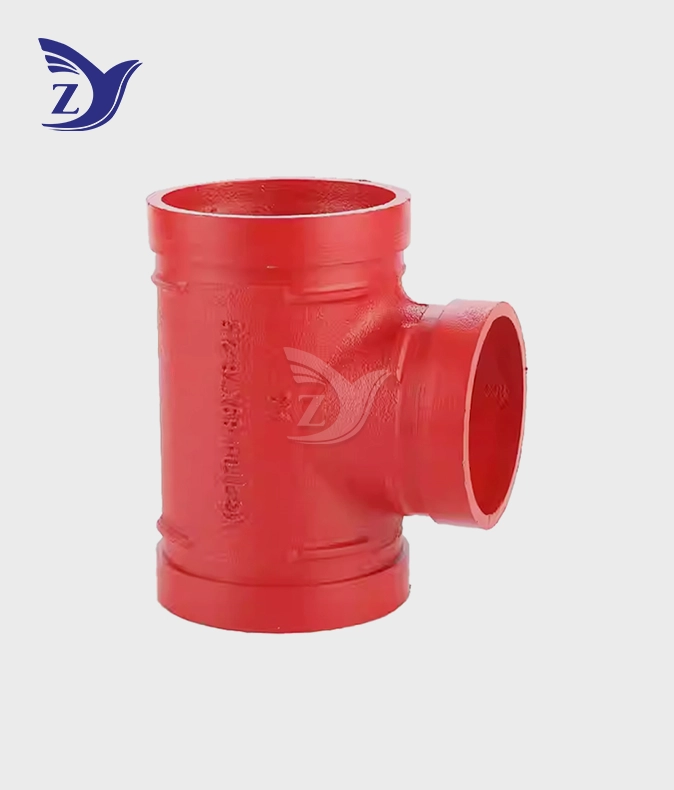
Fire Grooved Reducing Tee
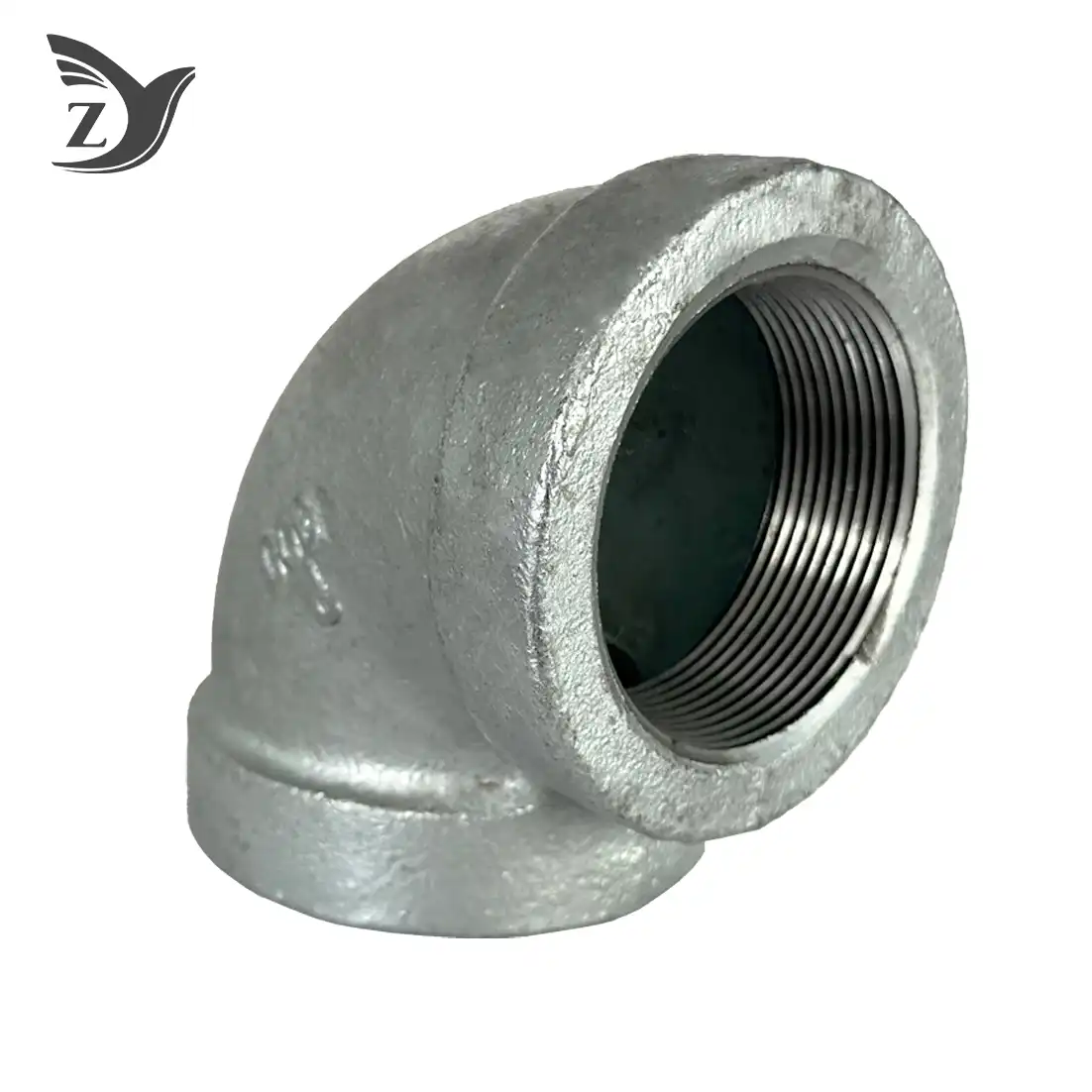
Class 300 Galvanized 90 Degree Malleable Iron Elbow
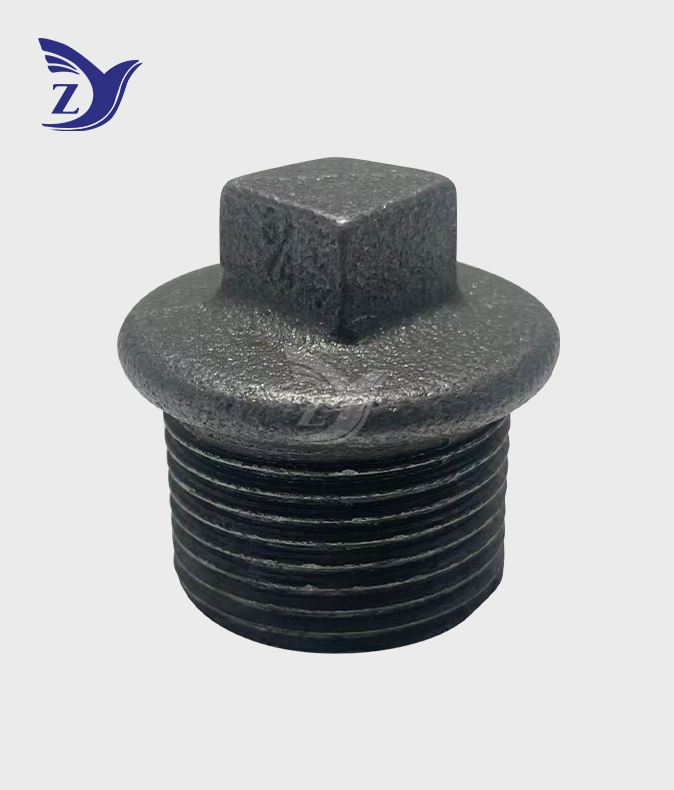
NPT Black Flanged Plug Pipe Fittings
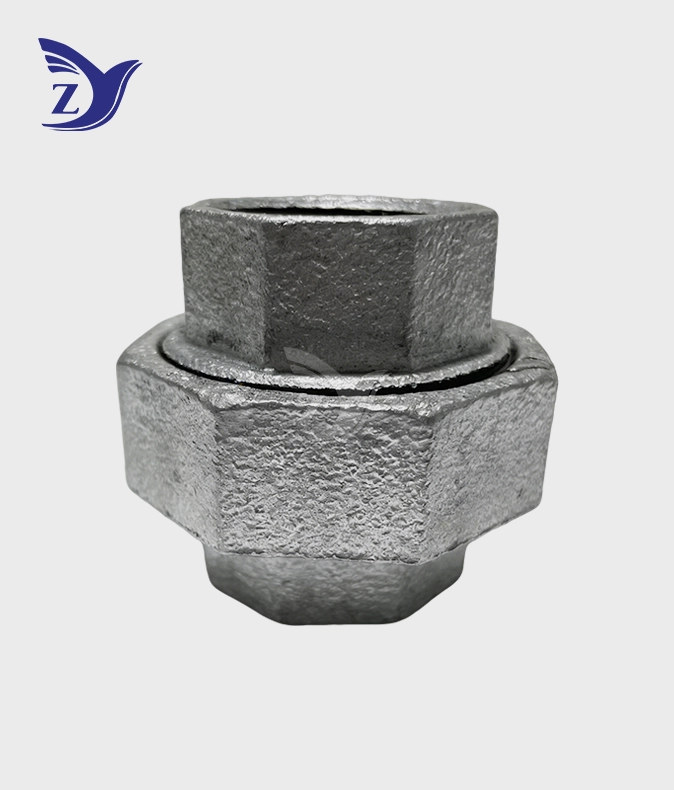
NPT Galvanized Union 342 Pipe Fittings
BSPT Black Malleable Iron Bushing