
Jul 31, 2026
Do 90 degree elbows reduce water pressure?
90-degree elbows do lower water pressure, but how much depends on the fitting you choose and how well it's made. When a pipe system's direction changes, it causes turbulence, which means energy loss and small drops in pressure. When water runs through a normal 90-degree elbow, it has to quickly change direction. This makes the pipe walls rub against each other and the flow pattern get messed up inside the pipe. But this loss is kept to a minimum by choosing a well-designed hot-dip galvanized round edge BSPT 90° elbow with a smooth inner finish and a strengthened round edge design. The round edge lowers mechanical stress and flow resistance, and the precise threading that meets BSPT standards makes sure that there are no leaks and that the system stays efficient for decades.
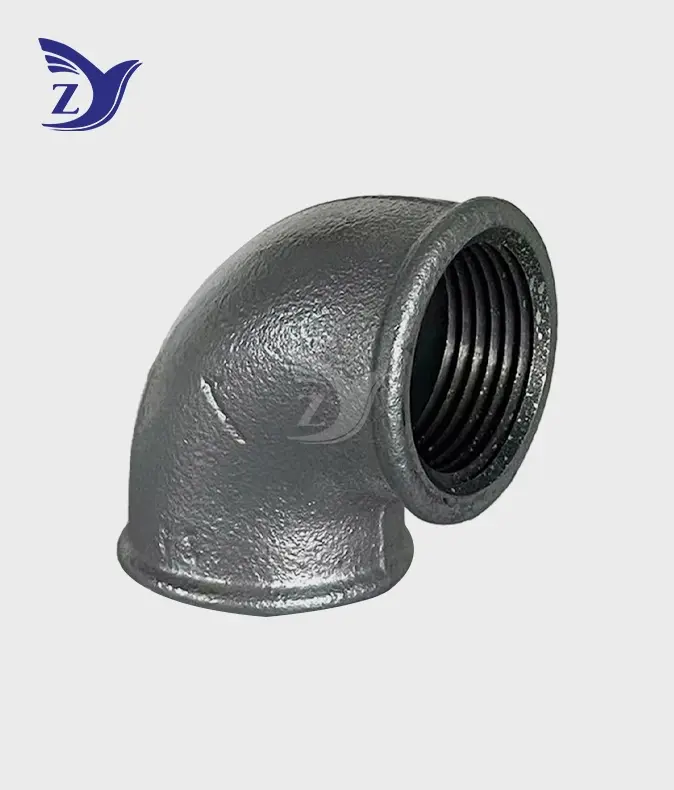
Pressure Loss in 90 Degree Elbows
How 90 Degree Elbows Create Pressure Drops
When fluid moves through straight sections of pipe, it stays in a laminar flow, which means it doesn't lose much energy. When the flow line hits a 90-degree bend, it gets narrower on the inside and wider on the outside, which makes secondary currents and swirls. This turbulence changes kinetic energy into heat, which causes what engineers call "minor losses" or "fitting losses." The size of this drop in pressure is measured by a loss coefficient (K-factor), which is different for each elbow based on its internal shape, surface roughness, and radius of curve.
Key Factors Affecting Pressure Loss in BSPT 90° Elbows
The British Standard Pipe Taper threading system has a 55° thread angle and a 1:16 taper, which changes how well it seals and how the fluid flows inside. Several parts of the design have a direct effect on how much pressure you lose:
Elbow Curvature: An elbow with a long radius (1.5 times the nominal diameter) creates a lot less turbulent flow than one with a short radius. Round edge BSPT elbows have strengthened sides that make the inside smoother during the casting process. This makes sudden changes in direction less likely.
Surface Roughness: The surface on the inside of bendable iron parts is very important. When applied correctly, hot-dip galvanized coatings make a zinc-iron alloy layer that is pretty smooth. This layer reduces frictional drag compared to alternatives that aren't coated or aren't finished well.
Material Properties: ASTM A197 or EN 1562 Grade EN-GJMB-350-10 malleable iron gives you the flexibility you need to make smooth internal pathways. This substance has a minimum tensile strength of 350 MPa and a 10% extension, which means it stays the same size even when the pressure changes.
Thread Sealing Quality: BSPT threads use metal-to-metal contact and taper interference to make a seal. When threads are cut correctly, they don't need as much sealer, which can stick out into the flow path and make it rougher.
Comparative Analysis: BSPT vs. NPT vs. BSPP
When procurement specialists know about thread standards, they can choose hot-dip galvanized round edge BSPT 90° elbows that keep pressure in while also being easy to install. BSPT uses a 55° thread angle, while NPT uses a 60° thread angle. This means that they can't be used together, even though their stated sizes are the same. The British Standard Pipe Parallel (BSPP) calls for an O-ring or bonded seal washer, which adds more places where leaks could happen. The tapered shape of the BSPT makes a better seal through thread contact alone, so the flow stays efficient without any covers sticking out and blocking the stream. Different internal shapes of these thread types can change pressure loss by 5–15% in the same flow conditions. This makes choosing the right thread a very important engineering decision.
Benefits of Hot-Dip Galvanized Round Edge BSPT 90° Elbows
Superior Corrosion Resistance and Longevity
During hot-dip galvanizing, the bendable iron fitting is put into molten zinc at a temperature of about 450°C. This creates a strong link between the base metal and the protected coating. This process makes several layers of zinc-iron alloy with a total coating mass of over 500g/m² (70+ microns), which protects for decades in damp and outdoor places. The cathodic protection system means that if the layer gets scratched, the zinc around it will corrode to protect the iron below. Because they last so long, these valves are essential in places like fire safety systems, local water supply networks, and petrochemical plants where the cost of replacing parts is much higher than the cost of buying new ones.
Material Specifications and BSPT Standards Compliance
Making hot-dip galvanized round edge BSPT 90° elbows that meet ASTM A153/A153M or EN 10242 standards makes sure that the quality is the same from one production batch to the next. When compared to cast iron, the malleable iron base is more resistant to pressure, so it doesn't break easily during installation in cold weather. ISO 7-1 standards are followed by BSPT threading, which ensures accurate measurements in global supply chains. Class 150 fittings must comply to the dimensions set out in ASME B16.3 and can withstand pressures of up to 300 PSI for water, oil and gas uses and 150 PSI for saturated steam at temperatures ranging from -20°F to 150°F.
Round Edge Design Impact on Flow Efficiency
The round edge, which is also known as "beaded reinforcement," does two things: it keeps the structure strong and works well with water. In terms of structure, this strengthened rim stops bell-mouthing during cycles of thermal expansion and can handle more installation power without the threads deforming. It makes the hydraulic transfer between the fitting body and the threaded link smoother, so there aren't as many sudden changes in diameter that cause turbulence. This design can handle the water hammer effect during activation tests in fire suppression systems, keeping the seal's integrity while keeping the flow capacity that could mean the difference between the system meeting code and failing.
Identifying and Selecting the Right BSPT 90° Elbow for Your Needs
Visual and Measurement Techniques for BSPT Threads
Correctly identifying threads stops mistakes during installation that cost a lot of money and stops pressure loss from parts that don't work together. Unlike parallel BSPP threads, BSPT threads taper the same amount all the way along their length. You can check the 55° angle and find the pitch per inch with a thread pitch gauge. One unit of diameter loss is equal to sixteen units of thread length. This is what the 1:16 taper rate means. BSPT threads look a little like cones, and if you try to thread them all the way onto a parallel pipe, you will run into trouble because the taper will catch.
BSPT Standards and Pressure Ratings Explained
The hot-dip galvanized round edge BSPT 90° elbow is made up of British Standard pipe threads with the letters "R" for external taper and "Rc" for internal taper. These fittings usually have Class 150 ratings, which means they can handle up to 150 PSI of pressure for steam service and higher pressures for fluids that don't compress. The round edge BSPT 90° elbow has extra material thickness where stress is concentrated. This makes it able to handle pressure spikes that happen in water systems and industrial process lines. Engineers can choose parts that meet safety standards without over-engineering and raising project costs when they know about these scores.
Comparing BSPT with NPT and BSPP Variations
Which thread type to use depends on the standards in your area, how you like to seal things, and how you handle maintenance. North American markets are mostly made up of NPT, which has similar tapered closing to BSPT but still can't be used together because the thread shape is different. BSPP needs more closing parts, which adds to the time it takes to put together and creates possible leak points. BSPT strikes a mix between being able to self-seal through taper interference and being widely used in markets in Europe, Asia, and the Middle East. Modern BSPT elbows have two threads that can be used to redirect pipes at a 90° angle. This lets contractors change systems between foreign jobs without having to keep separate supplies.
Industry-Specific Recommendations
Companies that work in fire protection engineering benefit from BSPT fittings because they can keep the pressure stability during system tests and real fires. The precision-threaded, hot-dipped galvanized design keeps corrosion from happening even when water sits in dry pipe systems for years. Construction and civic engineering projects like how well it works with the infrastructure that is already in place in areas that use British Standard standards. Plumbing wholesalers find that keeping high-strength, anti-rust, and malleable iron fittings in stock cuts down on warranty claims and improves the reputation of the distributor. Utilities that provide water and gas depend on the round-edge 90° bend's secure pipe connection to keep underground installations from needing as many maintenance calls.
Conclusion
Knowing how pressure changes in pipe systems helps you make better design choices that balance short-term costs with long-term performance. Even though 90-degree elbows naturally cause small pressure drops, these effects can be kept to a minimum by using well-designed fittings such as the corrosion-resistant dual-threaded 90° pipe redirection components. When you put together hot-dip galvanizing to protect the environment, round edge design to keep the structure strong, and precision BSPT threading to make connections that don't leak, you get reliable performance in even the toughest situations. When you're in charge of fire safety networks, city infrastructure, or industrial process lines, choosing high-quality fittings from approved makers will save you money on upkeep costs and make the system last longer. The pressure efficiency that comes from choosing the right components is kept up by using the right fitting methods and doing regular upkeep.
FAQs
Can I connect a BSPT 90° elbow to an NPT pipe?
No, these thread standards don't work together even though they look like they would. NPT has a thread angle of 60°, while BSPT has a thread angle of 55°. Due to the different pitches (except for 1/2" and 3/4" sizes), pressing them together hurts the threads and makes leak tracks. Always check the thread type before buying it to avoid having to make expensive changes in the field.
Why choose hot-dip galvanized over electro-galvanized fittings?
Hot-dip galvanizing bonds metals together with a zinc coating that is 5–10 times thicker than electro-galvanizing. This gives the metals protection for decades outside. Electro-galvanized finishes work well indoors and in dry places, but they break down quickly when they come in contact with water or changes in temperature. The money spent on hot-dip galvanizing pays off because the product lasts longer and needs to be replaced less often.
What does the round edge design indicate about quality?
The round edge (beaded reinforcement) shows that the fitting is made to handle more installation torque and internal pressure than plain rim options. This part of the design can handle pressures up to 150 psi and keeps the material from cracking during the thermal expansion cycles that happen a lot in steam and hot water applications.
Partner with Zhiyuan Malleable Steel for Reliable Pipeline Solutions
With high-quality hot-dip galvanized round edge BSPT 90° elbow fittings made to international standards, Zhiyuan Malleable Steel is available to assist you with your job. With a production capacity of 30,000 tonnes per year and 26 years of casting research and development, we can consistently meet the needs of both large construction projects and ongoing distribution needs. Our ISO 9001 quality management system makes sure that all of our products are the same size and made of the same material. Our CE, UL, and FM certifications show that we are committed to quality. Whether you need standard fittings delivered within two hours from stock or OEM/ODM solutions made just for your purpose, our expert team can help you with everything from the specification process to installation. Our industrial-grade male-female 90° elbows come with full paperwork, such as material certificates and pressure test results, and we'll replace any products that don't work right. Our clear pricing, flexible minimum order quantities, and reliable delivery schedules that keep projects on track are things that procurement managers really like. Get in touch with us at q1236800000@gmail.com to talk about your needs and find out why top fire safety companies, city engineers, and plumbing wholesalers choose Zhiyuan Malleable Steel as their hot-dip galvanized round edge BSPT 90° elbow supplier. You can look at our whole line of products at zymalleablepipefitting.com and ask for technical details that are specific to your needs.
References
- American Society of Mechanical Engineers. ASME B16.3 Standard for Malleable Iron Threaded Fittings: Classes 150 and 300. New York: ASME International, 2016.
- British Standards Institution. ISO 7-1:1994 Pipe Threads Where Pressure-Tight Joints Are Made on the Threads — Part 1: Dimensions, Tolerances and Designation. London: BSI Group, 1994.
- ASTM International. ASTM A153/A153M-16a Standard Specification for Zinc Coating (Hot-Dip) on Iron and Steel Hardware. West Conshohocken: ASTM, 2016.
- Crane Company Technical Paper. Flow of Fluids Through Valves, Fittings, and Pipe. Crane Co., 2018.
- National Fire Protection Association. NFPA 13: Standard for the Installation of Sprinkler Systems. Quincy: NFPA, 2022.
- European Committee for Standardization. EN 10242:1994 Threaded Pipe Fittings in Malleable Cast Iron. Brussels: CEN, 1994.
Online Message