
Apr 28, 2026
Cross Pipe Fitting Dimensions
When we talk about cross pipe fitting dimensions, we're talking about the exact sizes that four-way junction fits use to connect different tubes in industrial systems. Some of these measurements are the thread size, the outlet diameter, the face width, and the total length. These are important factors that decide performance and compatibility. There are many types of cross pipe fittings, but square face galvanized square edge cross pipe fittings stand out because of their stronger shape and zinc coating, which makes them very resistant to rust in harsh conditions.
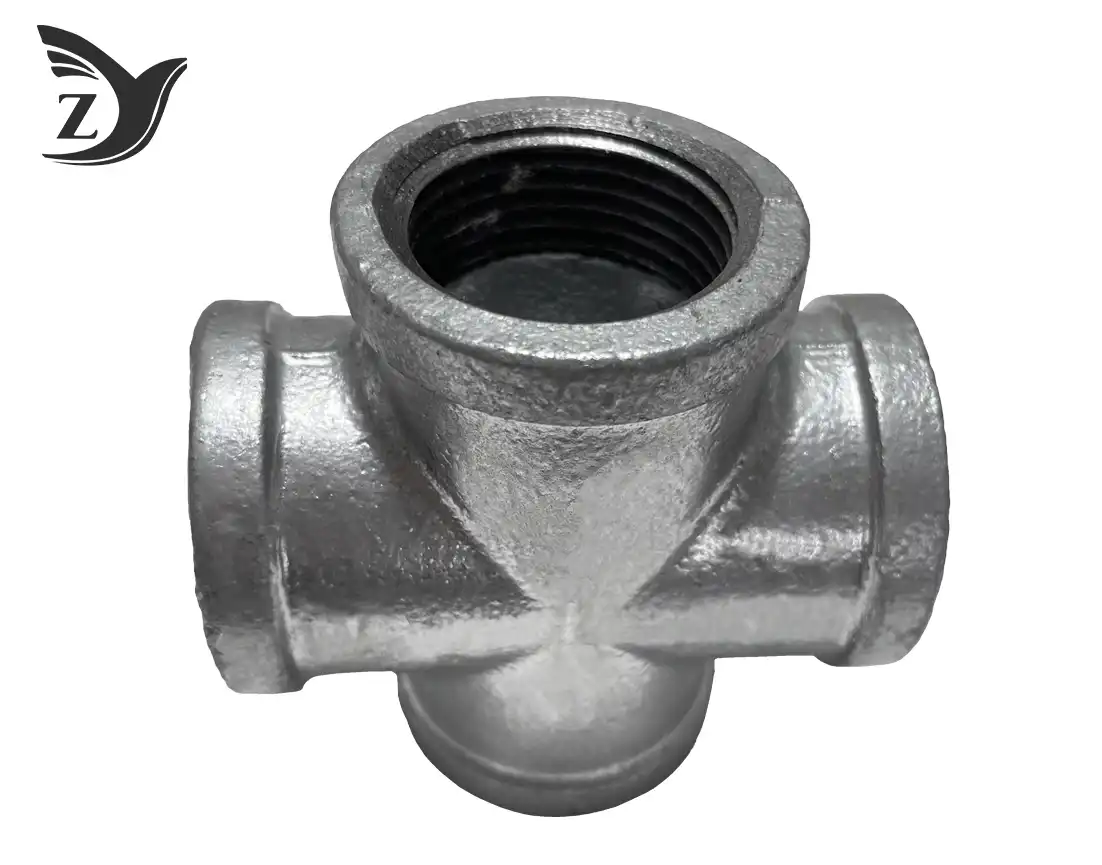
Cross Pipe Fitting Dimensions and Types
There are a number of measurement factors for cross pipe fittings that affect how they work in piping systems. The main dimensions are standard pipe size (usually between 1/4" and 6" in industrial settings), thread type (NPT or BSPT), face-to-face length, and exit spacing. To keep pressure ratings, stop leaks, and make sure flow is distributed properly, these readings must line up perfectly with the pipes that link them.
Standard Dimensional Ranges and Industry Norms
When made for the North American market, industrial cross fittings usually meet ASME B16.3 standards for Class 150 pressure levels. These standards set the size limits for threaded malleable iron fittings. 1/2", 3/4", 1", 1-1/4", 1-1/2", and 2" standard lengths are all sizes that are often used in plumbing and fire safety systems. From the center of the fitting to the edge of each outlet, the center-to-face measurement is different for each size but is usually between 1 inch and 3 inches for larger industrial fittings. These standard dimensions make sure that parts from different makers can be used together and that they can work with current infrastructure.
Square Face vs. Beveled Edge Design Characteristics
The term "square face" refers to the flat, straight surface at each fitting exit. This is different from standard beaded fittings, which have features that are rounded or beveled. This difference in shape makes the surface area bigger for the wrench to grip during installation. This makes it less likely that the fitting will bend under high power loads. Additionally, square face galvanized square edge cross pipe fittings have reinforced collar bands that add about 15 to 20 percent more material mass around each exit. This makes them more resistant to radial stress and stops cracks from forming during heat cycles. Because they have better structural stability, they work especially well in systems where pressure changes or machines vibrate a lot.
Material Properties and Galvanization Thickness
Accurate measurements and good materials go hand in hand to decide how well something fits. High-grade malleable iron that meets ASTM A197 standards has a tensile strength of more than 40,000 psi and is flexible enough to handle heat shock. The galvanization process adds a protected zinc layer that is usually 85 to 100 microns thick. This is thicker than the minimum coating mass of 500g/m² that ASTM A153 calls for. This temporary zinc layer keeps the iron base below from oxidizing, so the dimensions stay stable over decades of use. The thickness of the coating directly affects its resistance to rust. Heavier galvanization offers longer protection in settings with a lot of moisture or strong chemicals.
Benefits and Applications of Square Face Galvanized Square Edge Cross Pipe Fittings
There are specific benefits to square face galvanized square edge cross pipe fittings that make them useful for industrial plumbing projects. Their new ways of designing things and the way the materials work together make systems last longer, install more easily, and have lower total costs of ownership.
Enhanced Corrosion Resistance for Harsh Environments
During the hot-dip galvanization process, zinc and iron form a strong metallic bond, which forms multiple layers of zinc-iron alloy that don't flake or peel. This safety is very useful in places where there is a lot of wetness, chemical vapors, or temperature changes. When compared to black iron options, fire protection systems that use these fittings in pump houses or outdoor hydrant setups need a lot less upkeep. The zinc layer protects against chlorine and mineral deposits, so municipal water treatment plants can keep their flow rates and pressure ratings for longer periods of time.
Installation Efficiency and Cost-Effectiveness
When compared to parts that need to be carefully oriented, the uniform square shape makes alignment easier during assembly, cutting installation time by 20–30%. Plumbers like the bigger wrench flats because they keep the wrench from slipping and damaging the fitting while it's being tightened. This feature of the design is especially useful in tight areas where it's hard to get to and put tools accurately. Galvanized fittings have a longer service life—usually 25 to 30 years in normal industrial settings—which means they provide a better return on investment, even though they cost a little more up front than bare options.
Industry-Specific Applications and Performance
Fire protection engineering firms use these 4-way threaded fittings to connect branches of sprinkler systems, where leak-free performance and effective flow distribution are essential. Because they are compatible with both NPT and BSPT threading, they can be used with both American and international pipe standards. This makes them useful for a wide range of building jobs that need different kinds of tools. In petrochemical plants, the high-strength, malleable iron can handle process fluid pressures of up to 300 psi at room temperature, and the strong chemicals can't damage the corrosion-proof galvanized finish. These fittings are used to connect branch lines in municipal gas distribution networks. The anti-rust qualities keep gas streams clean and the system's integrity even when temperatures change with the seasons.
Water supply businesses like the precision-threaded design because it makes metal-to-metal seals without the need for extra sealants in many situations. The industrial-grade construction makes it easy to split pipes in complicated distribution systems. This makes it easier to add to the network and do upkeep. Real-life installs in industrial HVAC systems show that matching the dimensions correctly lowers joint stress, which lowers the chance of fitting failure during system startup and operating cycling.
How to Choose the Right Dimensions for Your Cross Pipe Fittings?
To choose the right measurements, you have to look at a lot of project factors at the same time. Technical needs, system limitations, and long-term performance goals are all taken into account during the decision-making process.
Evaluating Project Requirements and System Parameters
To start, write down all of your system's standard pipe sizes. This is important because the dimensions of the cross fittings must exactly match the widths of the pipes that connect them. The system pressure classification determines the material grade. Class 150 fittings can handle up to 300 psi of pressure, while heavy-duty versions can handle higher pressures. Both material choice and coating needs are affected by things in the environment, such as the range of temperatures, the amount of corrosive substances present, and the amount of UV rays present. For fire safety systems to work, parts must meet UL or FM approval standards. These standards say how much room there is for error in measurements and how much pressure must be applied. When cities work on water projects, they have to think about the speed of the flow and the effects of water hammer, which can cause pressure spikes that need strong fittings.
Dimensional Tolerances and Mechanical Stress Considerations
Leak resistance and joint strength are directly related to the length of the thread contact. Depending on the size of the pipe, NPT threads need at least 3.5 to 6 full thread turns to close properly. The face-to-face measurement affects the fitting's ability to handle the linked pipe's thermal expansion—not enough space can cause compressive stress that breaks fittings or splits joints. When planning distribution systems with a lot of parts close together, make sure there is enough space around each outlet for workers to use the right torque without any problems. An study of mechanical stress should look at both static and dynamic loads. Static loads come from things like pipe weight and fluid pressure. Dynamic loads come from things like vibration, temperature cycle, and changes in operation.
Comparing Square Face to Round Face Alternatives
Round face fittings with beaded ends are lighter and cost less to make, so they can be used in low-pressure home uses. However, their lighter collars are more likely to break if they are over-tightened, and their wrench engagement areas are smaller. In industrial settings where installation crews may use power tools and higher pressure values, square face galvanized square edge cross pipe fittings work best. The reinforced shape keeps the dimensions correct even when the fitting is stressed, which protects the threads and stops leaks. When maintenance needs to be done on something that needs to be taken apart and put back together again and again, square face fittings are the best choice because they are strong enough to handle many removal and reinstallation processes without breaking down.
Standard and Custom Sizing Options
Standard cross fittings come in standard sizes ranging from 1/4" to 4" and have threads that are either NPT or BSPT. They can meet most industrial pipe needs. For specific uses involving non-standard pipe schedules, strange flow distribution patterns, or integration with old equipment that uses thread specs that are no longer used, custom measurements are needed. If you want unique sizes, you should give your provider specific information like the thread type, nominal size, pressure grade, face-to-face measurements, and material certifications. Custom parts usually have lead times that are 4 to 8 weeks longer than standard product supply. Getting suppliers involved early in the planning stages of a project keeps it on schedule.
Conclusion
Square face galvanized square edge cross pipe fittings dimensions are more than just technical specs; they determine how reliable a system is, how well it is installed, and how well it works over time in harsh industrial settings. These fittings combine precise dimensions with corrosion-resistant construction, providing solutions that meet strict requirements in fire protection, municipal infrastructure, petrochemical processing, and commercial construction. Procurement professionals can improve project outcomes while keeping total cost of ownership low by learning about dimensional standards, choosing the right sizes based on system parameters, and working with quality-focused manufacturers. Investing in precision-engineered fittings with proper dimensional matching and protective coatings pays off in the form of lower maintenance, longer service life, and higher system safety.
Partner with Zhiyuan Malleable Steel for Your Cross Fitting Requirements
Zhiyuan Malleable Steel brings over 26 years of specialized expertise in manufacturing precision-engineered cross pipe fittings that meet the exacting demands of industrial, municipal, and fire protection applications. Our square face galvanized square edge cross pipe fittings supplier capabilities include complete dimensional customization, with annual production capacity reaching 30,000 tons across more than 1,000 product specifications. Every fitting undergoes rigorous quality control conforming to ISO 9001 standards, with CE, UL, and FM certifications ensuring compliance with international specifications. We maintain substantial inventory enabling standard product delivery within two hours for urgent project requirements, while our ODM/OEM services support custom dimensions tailored to your unique system parameters. As a leading manufacturer, our technical team provides expert dimensional consultation to optimize fitting selection for your specific pressure, temperature, and environmental conditions. Contact us at q1236800000@gmail.com to discuss your project requirements and request a competitive quote backed by our commitment to dimensional precision, corrosion-resistant construction, and reliable delivery performance.
FAQ
What are the key dimensional differences between square face and round face cross pipe fittings?
When compared to round face designs with beaded edges, square face galvanized square edge cross pipe fittings have reinforced collar bands with flat, perpendicular outlet faces that provide 15-20% more material mass. This extra material increases structural strength and provides wider wrench engagement surfaces. Round face fittings, on the other hand, have contoured, rounded outlet profiles that reduce material usage and weight. The difference in dimensions affects the installation torque capacity, resistance to deformation under stress, and suitability for high-pressure or heavy-duty applications.
How do fitting dimensions influence corrosion resistance in galvanized cross fittings?
Wall thickness and collar reinforcement determine the amount of base material that can stick to the zinc coating. Thicker sections keep their galvanization longer as the sacrificial zinc layer wears away. Thread engagement areas that are the right size make sure that the coating covers critical sealing zones. Face width affects the uniformity of the coating; wider square faces have larger surface areas that resist damage during handling and installation than narrow beaded edges.
Can manufacturers provide custom dimensions for specialized pipeline applications?
Reputable manufacturers offer ODM and OEM services to make non-standard sizes that meet the needs of a specific project. Custom options include changing the thread types or outlet spacing, making the walls thicker for higher pressure ratings, or specifying a special galvanization process. The minimum order quantity for custom sizes is usually between 500 and 1,000 pieces, and lead times are 6 to 8 weeks longer than for standard products. This means that suppliers need to be involved early on in the planning stages of the project.
References
- American Society of Mechanical Engineers. (2022). ASME B16.3: Malleable Iron Threaded Fittings - Classes 150 and 300. New York: ASME Press.
- ASTM International. (2021). ASTM A197/A197M: Standard Specification for Cupola Malleable Iron. West Conshohocken, PA: ASTM International.
- ASTM International. (2020). ASTM A153/A153M: Standard Specification for Zinc Coating (Hot-Dip) on Iron and Steel Hardware. West Conshohocken, PA: ASTM International.
- National Fire Protection Association. (2022). NFPA 13: Standard for the Installation of Sprinkler Systems. Quincy, MA: NFPA.
- British Standards Institution. (2019). BS EN 10242: Threaded Pipe Fittings in Malleable Cast Iron. London: BSI Standards Publication.
- International Organization for Standardization. (2020). ISO 7-1: Pipe Threads Where Pressure-Tight Joints Are Made on the Threads - Part 1: Dimensions, Tolerances and Designation. Geneva: ISO.
Online Message
YOU MAY LIKE
High quality furniture manufacturer
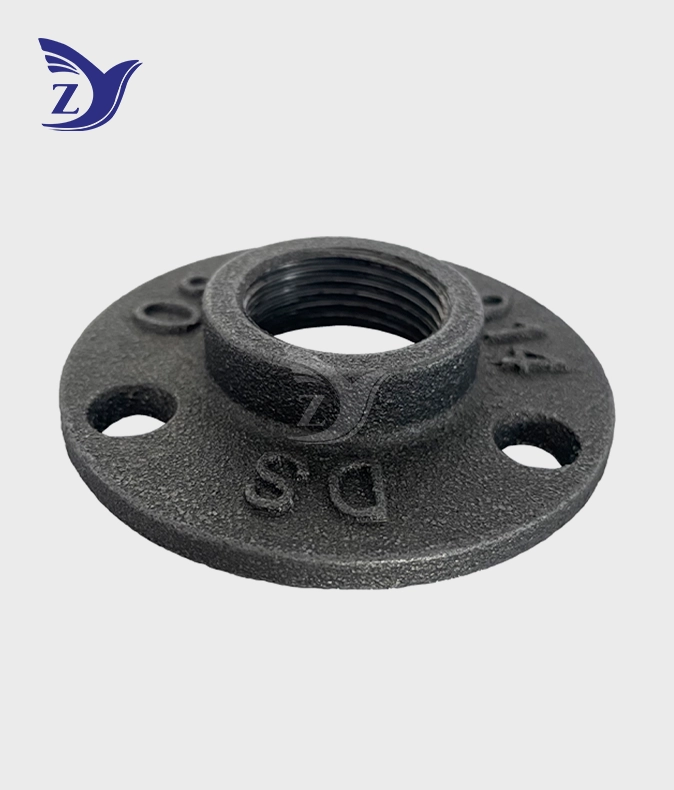
NPT Black Flange Pipe Fittings
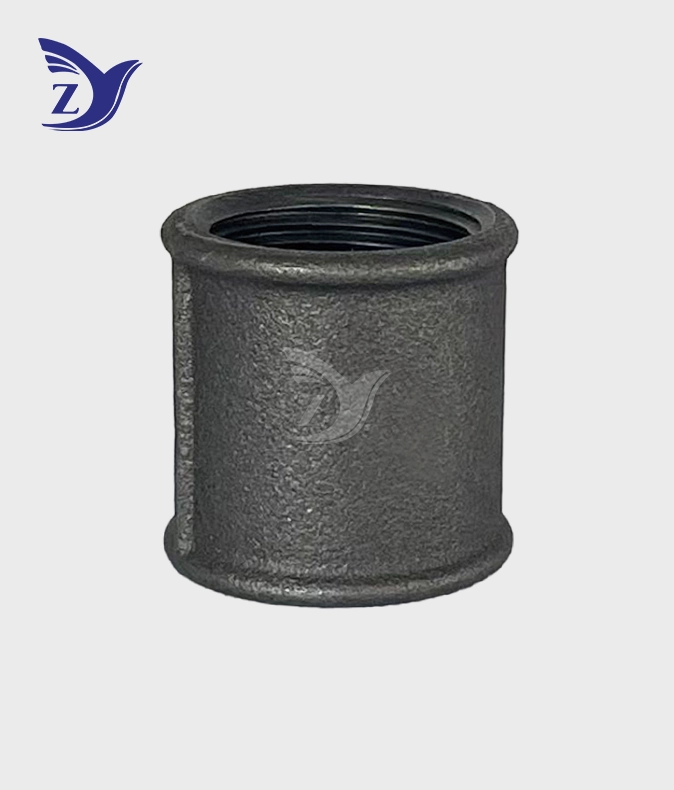
NPT Black Round Face Coupling Pipe Fittings
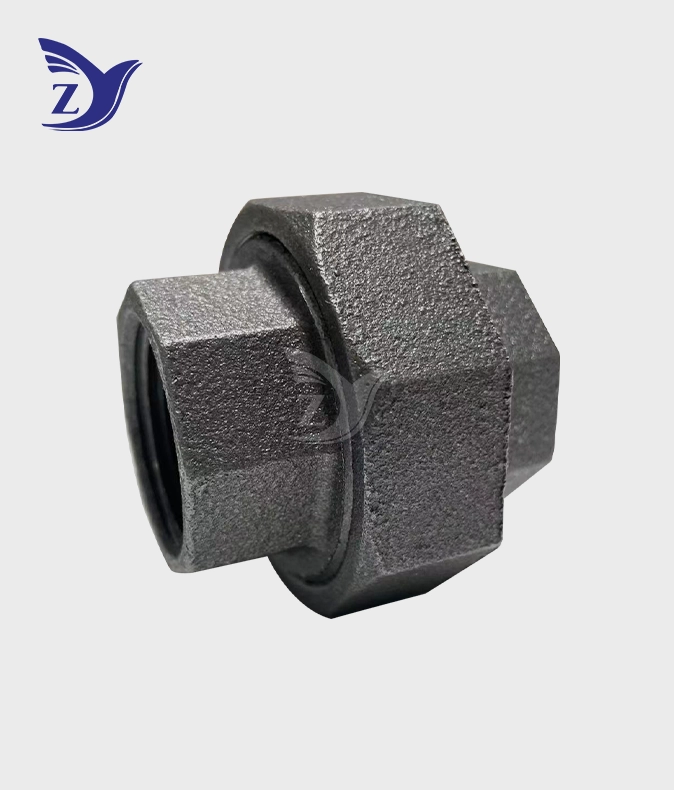
NPT Black Union 342 Pipe Fittings
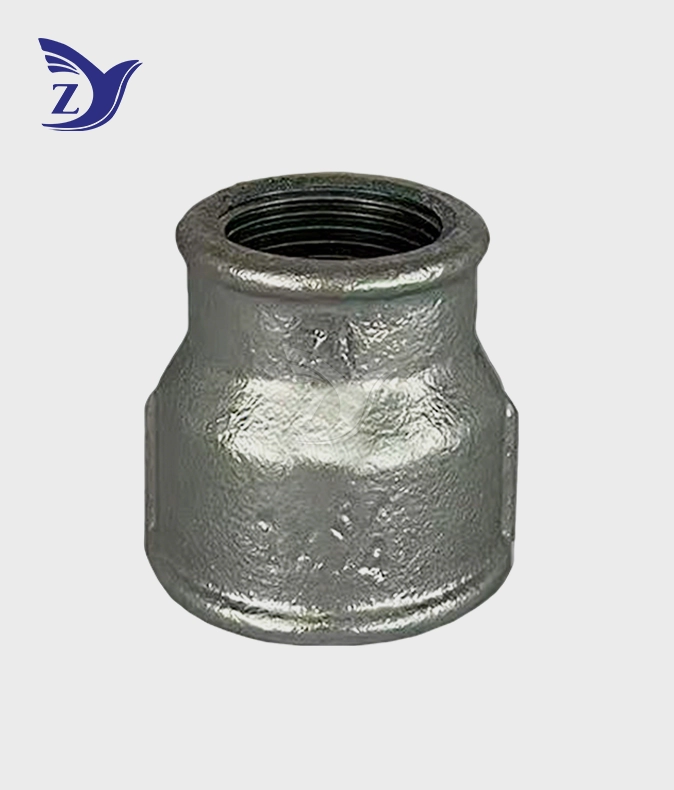
BSPT Round Face Galvanized Round Edge Reducing Coupling Pipe Fittings
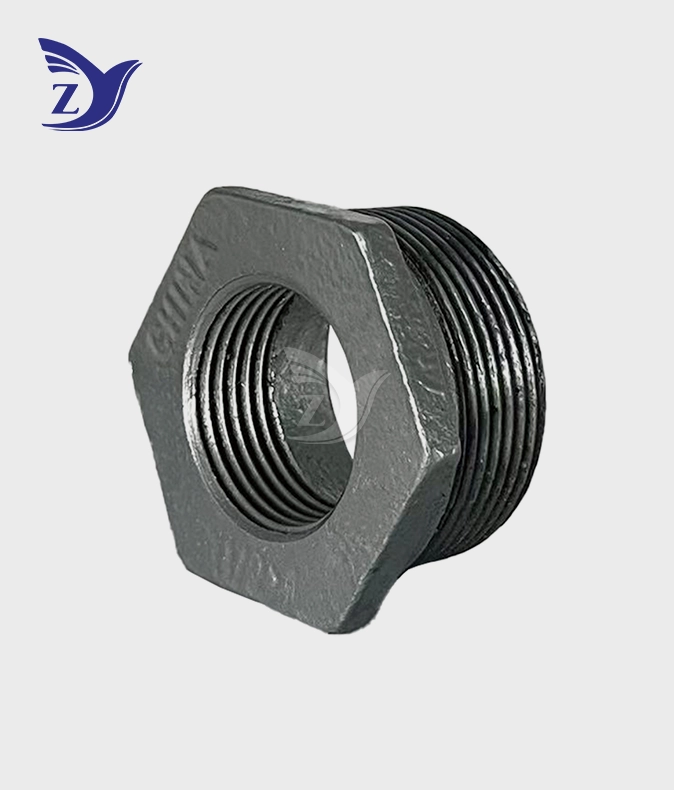
NPT Galvanized Bushing Pipe Fittings
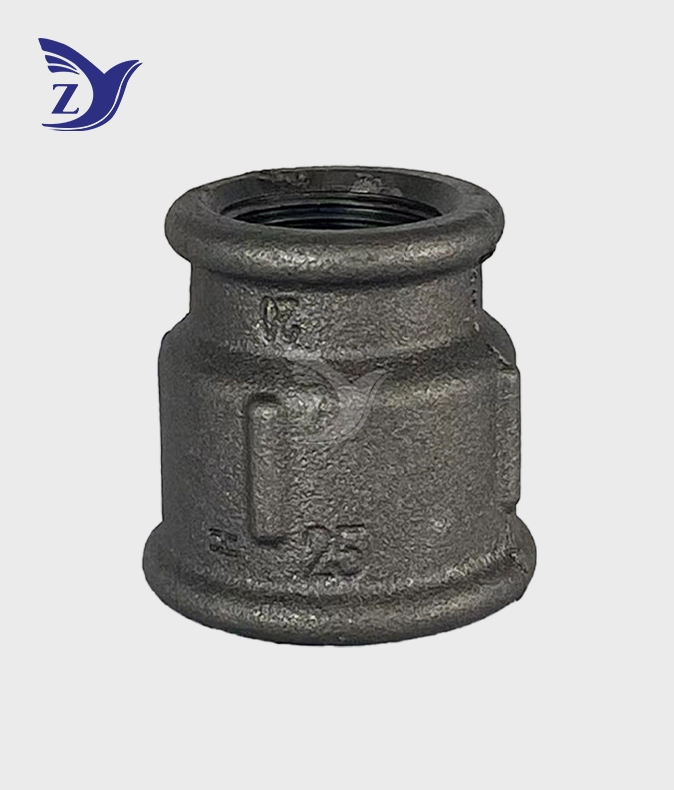
NPT Black Round Face Reducing Coupling Pipe Fittings
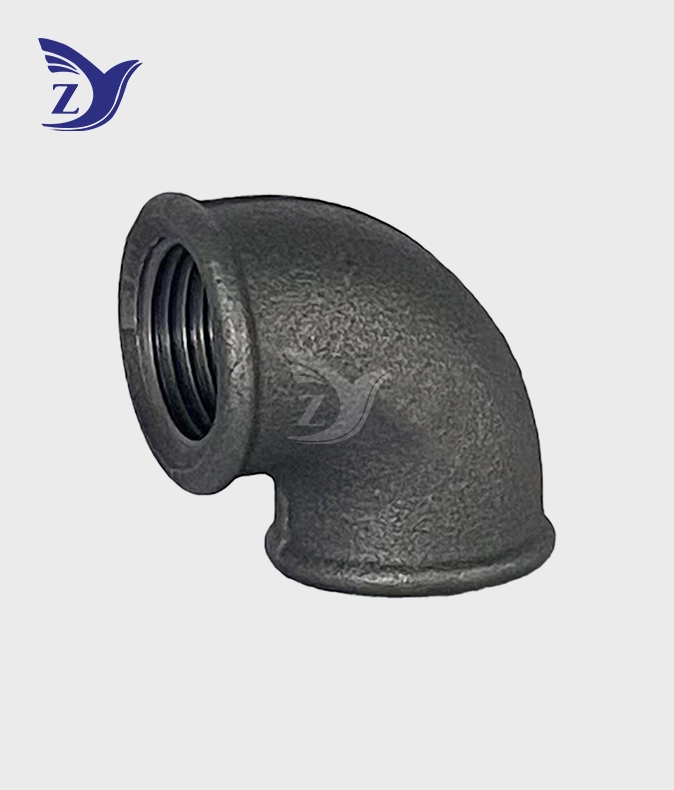
NPT Black Round Face 90° Elbow Pipe Fittings
Fire Grooved Blind Flange