
May 7, 2026
Comparing galvanized male female threaded union 343 vs 341 pipe fittings
It is very important to know the structural and functional differences between galvanized male female threaded union 343 pipe fittings and their 341 cousins when making your choice. The 343 union has a flat seat that needs a gasket seal. It combines male and female threads into a single small unit, so there is no need for extra nipple connections. The 341 union, on the other hand, usually has a metal-to-metal conical seat design that lets it be taken apart many times without having to change the gasket and still offers the same pressure values. These industrial-grade connections are both made from ASTM A197 malleable iron and have hot-dip galvanization that is more than 70 microns thick. They can handle pressures up to Class 150 or PN25 standards for water, gas, and industrial fluids.
There is more than just a catalog number difference between these two types of fittings. Engineers at water treatment plants need unions that can handle high humidity without rusting too quickly. Gas delivery companies need parts that don't break when the temperature changes. Manufacturing plants need parts that make maintaining equipment easier and reduce downtime.
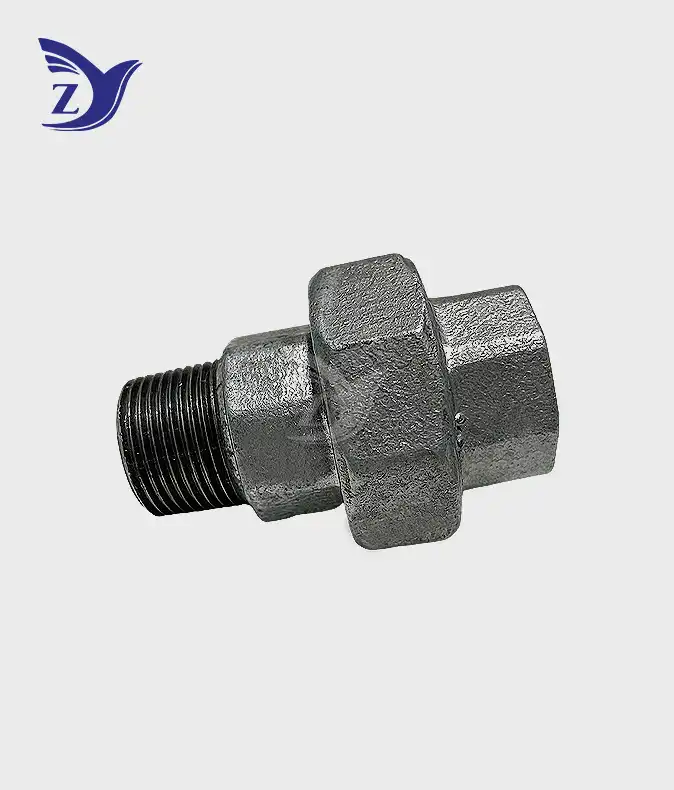
Detailed Comparison: Galvanized Male Female Threaded Union 343 vs 341
The main difference between 343 and 341 unions is how their closing mechanisms are made. This difference in structure affects how to install galvanized male female threaded union 343 pipe fittings, how often they need to be maintained, and whether they are suitable for certain working circumstances. When buying teams know about these differences, they can match fitting traits with project requirements instead of making generic choices.
Sealing Interface Design
For links to be leak-proof, the 343 arrangement uses a flat seat contact that needs a gasket. This form has a flat sealing surface that is parallel to the pipe line. When the parts are put together, the union nut presses a fiber, rubber, or PTFE gasket against these flat surfaces. This seals the parts together without touching metal to metal. The type of fluid and temperature range affect the choice of gasket. Fiber is good for water systems below 120 degrees Celsius, while PTFE is needed for chemical interaction in industrial process lines.
The 341 union, on the other hand, has a metal-to-metal cylindrical seat with a spherical or tapered surface cut into both halves of the union body. When the union nut is tightened, these perfectly machined sides press against each other, making a seal between the irons. This method gets rid of the need for gaskets, which lowers the upkeep inventory needed and stops seal damage caused by gasket wear. The conical shape also makes it self-centering, which makes alignment easier during installation. This is especially helpful when there is limited access and direct confirmation is hard.
Pressure Ratings and Structural Integrity
According to ASME B16.3 standards, both types usually have Class 150 pressure ratings, which means they can handle up to 300 psi of pressure at temperatures ranging from -20 to 150 degrees Fahrenheit. Ratings are lowered to 150 psi for full steam uses to account for changes in material properties caused by temperature. Fittings made to European standards have the number PN25, which means they can handle 25 bar of working pressure at room temperature and 20 bar of pressure between 120 and 300 degrees Celsius.
The mechanical weakness that comes with welded nipple joints is taken care of by the combined male end construction in both designs. In traditional setups, separate nipples are often soldered to flanges. This makes heat-affected areas that can crack. By casting the male thread into the union body, makers create a single piece with a uniform grain structure all over. This makes the structure more resistant to wear under cyclic loading conditions that are common in pumping systems and situations where heat expands.
Installation Complexity and Tooling Requirements
For 343 flat seat unions to be installed correctly, the gaskets need to be placed correctly and the tension needs to be even. To stop edge extrusion that leads to leaks, technicians must make sure the seal fits concentrically within the union hole. Different types of gaskets need different torque specs. For example, fiber gaskets need more compression than durable rubber types. This variety requires skilled workers who know how to put things together correctly, but the process is still easy for plumbing teams with a lot of experience.
The 341 conical seat shape makes fitting easier because you don't have to handle the gasket. Installers put thread sealer on the male threads, then put the union nut on and tighten it until the conical sides fit together tightly. The metal-to-metal interface lets experienced workers get the right tightness without torque tools in many cases because it gives them tactile feedback as the surfaces connect. In field installations where exact torque measurement tools might not be available, this feature comes in handy. However, for important applications, it is still best to check.
Installation and Maintenance Best Practices for Galvanized Threaded Unions
Using the right installation methods has a direct effect on how well the galvanized male female threaded union 343 pipe fittings work and how reliable the system is. Threaded connections can only handle the pressure that is rated for them when they are put together according to set steps that take into account the features of the material and the way it seals. Follow these steps because they are recommended by experts and have been used in thousands of setups.
Thread Preparation and Sealant Application
Before putting the parts together, check the threads for galvanization growth that could stop them from engaging properly. Post-galvanization thread chasing gets rid of extra zinc from the thread roots while keeping the coating on the thread crests and sides intact. This step is especially important for NPT threads because the main seal is made by taper interference. Zinc buildup in thread valleys stops full engagement, which lowers thread contact and threatens the integrity of the seal.
Which thread sealer to use varies on the type of fluid and the temperature where it will be used. PTFE tape is still commonly used in water and air systems. It is put on in the direction of thread spin to keep it from coming off during assembly. Pipe dope materials are better at sealing than paste-type sealants in gas uses where regulations require them to stop leaks. Only seal the male threads; leave the first two threads closest to the pipe clean to keep dirt from getting into the system. This method also makes dismantling easier in the future because it keeps the sealer from setting up in the threads of the union nuts.
Tightening Procedures and Torque Specifications
To get the right tightness without putting too much stress on parts, you need to understand how mechanics work. For NPT threads, tighten by hand until the resistance becomes noticeable. Then, use tools to add two or three more turns. This rule of thumb means that for one-inch fits, the force should be between 50 and 80 foot-pounds, increasing proportionally with size. Too much twisting can break the female part because the threads are tapered. This is especially true when putting brass or aluminum bolts into joints made of malleable iron.
Union nuts want things to be handled differently. Tighten the nut on the 343 flat seat unions until the gasket compression hits the thickness stated by the maker. This usually means lowering the gasket height by twenty to thirty percent. Over-compression weakens the seal, which leads to extrusion and failing before its time. For 341 conical seat styles, tighten until the metal surfaces grip tightly, then turn the wrench one more quarter turn. The conical contact gives a mechanical edge that turns torque into closing force, so tightening too much isn't needed and could damage the machined surfaces.
Procurement Considerations: Choosing Between 343 and 341 Pipe Fittings
To choose the right galvanized male female threaded union 343 pipe fittings setup, you need to look at more than just the basic specs. When making a purchase choice, it's important to weigh the original costs against the long-term costs, and make sure that the new equipment will work with the old equipment and be easy to maintain. This organized method avoids costly mistakes when fitting features don't match up with the needs of the application.
Application-Specific Selection Criteria
Fluid properties have a big impact on how well a shape fits. Either way works well for water systems below 120 degrees Celsius, but 343 flat seat designs with fiber seals are cheaper for fixed installations. Gas delivery networks like 341 conical seat unions because gasket leakage could lead to dangerous buildups and safety rules require metal-sealed connections. For 343 unions in chemical process lines, it's important to carefully choose the gasket material, or 341 metal-to-metal designs must be used only when suitable gasket materials are not available.
Changes in operating pressures and temperatures also play a role in making choices. When there is a lot of temperature cycles in a system, 341 unions are helpful because the different expansions of the iron body and gasket material can damage flat seat seals. The metal-to-metal contact lets heat move through it without affecting efficiency. On the other hand, systems with stable temperatures and mild pressures work well with either design, so cost should be the main issue in choice.
Supplier Evaluation and Quality Verification
Certification from the manufacturer gives you peace of mind that the product is up to par. ISO 9001 quality control systems show that a company is dedicated to using consistent output methods. Product-specific licenses, such as UL or FM approval for fire protection uses, show that parts have been tested and found to meet strict safety standards. The CE mark shows that a product meets European safety standards, which is important for projects that need to follow foreign rules or serve export markets.
Protocols for dimensional checking and pressure tests should be used to check the quality of the goods being bought. Reliable sources, such as Zhiyuan Malleable Steel, test castings with pneumatics at 80 to 100 psi to find flaws before they are shipped. Using accurate plug and ring gauges to check the thread proves that it is NPT or BSPT within the allowed tolerances. Preece testing checks the uniformity and adhesion of the zinc covering during galvanization. This stops early corrosion failures that threaten the stability of the system.
Conclusion
To tell the difference between the galvanized male female threaded union 343 pipe fittings and 341 designs, you need to look at how they close, how they are installed, and how well they work in different situations. The 343 flat seat design with gasket sealing is more cost-effective and easier to get. It's good for long-term installs with stable working conditions. The 341 conical metal-to-metal design is easy to maintain and doesn't need gaskets to work. It's perfect for systems that need to be taken apart often or that are used in tough settings. These valves are both made from ASTM A197 malleable iron and have been hot-dip galvanized to make them resistant to rust. They can be used with water, gas, and industrial fluids. It's important to make sure that the characteristics of the goods you're buying match the needs of your operations and that you evaluate sellers based on their certifications, quality control methods, and supply chain skills that support project schedules and performance standards.
FAQs
What's the basic difference between 343 and 341 steel unions?
The galvanized male female threaded union 343 pipe fittings have a flat closing face that needs a fiber, rubber, or PTFE cover pressed between two flat surfaces to stop leaks. The 341 design uses a conical metal-to-metal seat with polished tapered surfaces that meet directly under the pressure of the union nut. This eliminates the need for a gasket and allows the assembly to be taken apart many times without having to change the seal.
Can I switch between NPT and BSPT threaded unions?
No, the different side angles make it impossible for NPT and BSPT threads to close properly. The flanks of an NPT are 60 degrees, while the sides of a BSPT are 55 degrees. Both use 1:16 tapers, but the shape doesn't match up, so leak paths are made. To make sure compatibility and pressure stability, you should always choose a thread standard that matches the current piping.
What kind of joint works best for uses that use high-temperature steam?
When steam temperatures are above 120 degrees Celsius, the 341 conical seat union works better. In 343 unions, gasket materials break down over time when temperatures stay high, making them less resilient and opening up paths for leaks. The metal-to-metal seal in 341 designs stays strong over a bigger range of temperatures without worrying about material breakdown.
How often should inspections of steel pipes happen?
How often you inspect depends on how exposed you are to the surroundings. Installations outside or in corrosive environments need to be checked for zinc covering decline once a year. In climate-controlled indoor settings, inspections may be done more often, usually every three to five years, to fit in with other upkeep tasks. Any rust coloring that you can see means that the galvanization is broken and needs to be replaced right away.
Partner with Zhiyuan Malleable Steel for Reliable Galvanized Union Solutions
Zhiyuan Malleable Steel offers industrial-grade galvanized male female threaded union 343 pipe fittings. They have been making for 26 years and are ISO 9001 certified. Our Taigu factory can handle 30,000 tons of goods every year and has more than 1,000 specs ready to ship right away. We use quality control methods like pneumatic testing and thread measuring to make sure that the dimensions meet ANSI/ASME B1.20.1 and ISO 7/1 standards. Our fittings are made of malleable iron that meets ASTM A197 standards and has been hot-dip galvanized over 70 microns thick. They are resistant to corrosion and have a strong structure for fire safety, local water and gas distribution, and industry uses. Many building companies, distributors, and original equipment makers (OEM) trust us as a provider. We can make changes to our products, have CE and UL certifications, and offer replacement guarantees to protect your purchase investment. Email our team at q1236800000@gmail.com to talk about the details of your project, get technical documentation, or place a large order. Our reasonable prices and reliable logistics network serve markets around the world.
References
American Society of Mechanical Engineers. (2022). ASME B16.3: Malleable Iron Threaded Fittings, Classes 150 and 300. New York: ASME Press.
ASTM International. (2021). ASTM A197/A197M: Standard Specification for Cupola Malleable Iron. West Conshohocken: ASTM International Standards Organization.
International Organization for Standardization. (2020). ISO 7/1: Pipe Threads Where Pressure-Tight Joints Are Made on the Threads, Part 1: Dimensions, Tolerances and Designation. Geneva: ISO Publications.
McAllister, Eugene W. (2019). Pipeline Rules of Thumb Handbook: A Manual of Quick, Accurate Solutions to Everyday Pipeline Engineering Problems. Eighth Edition. Houston: Gulf Professional Publishing.
Nayyar, Mohinder L. (2018). Piping Handbook. Eighth Edition. New York: McGraw-Hill Education Professional.
Smith, Peter R. (2020). Piping Materials Guide. Second Edition. Oxford: Butterworth-Heinemann Technical Books.
Online Message
YOU MAY LIKE
High quality furniture manufacturer
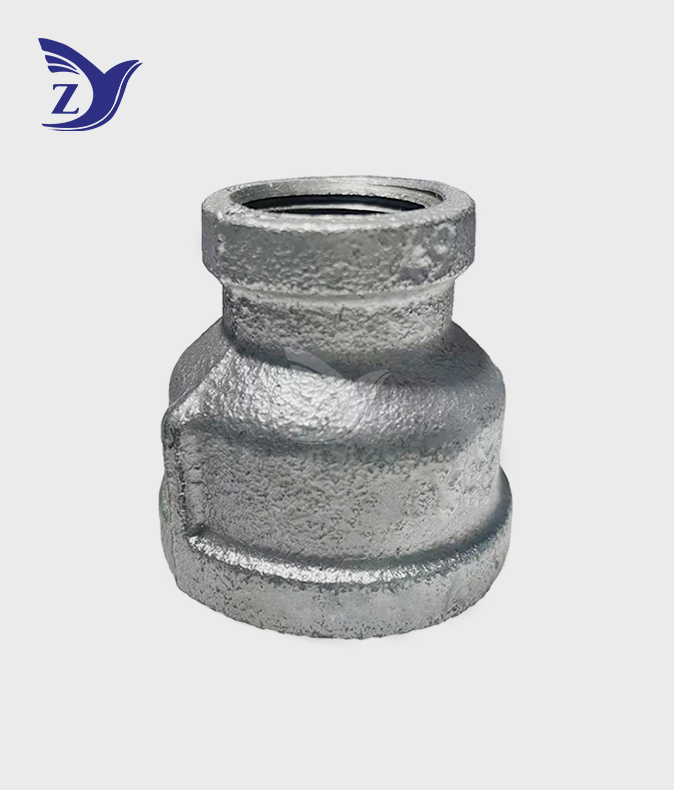
BSPT Square Face Galvanized Square Edge Reducing Coupling Pipe Fittings
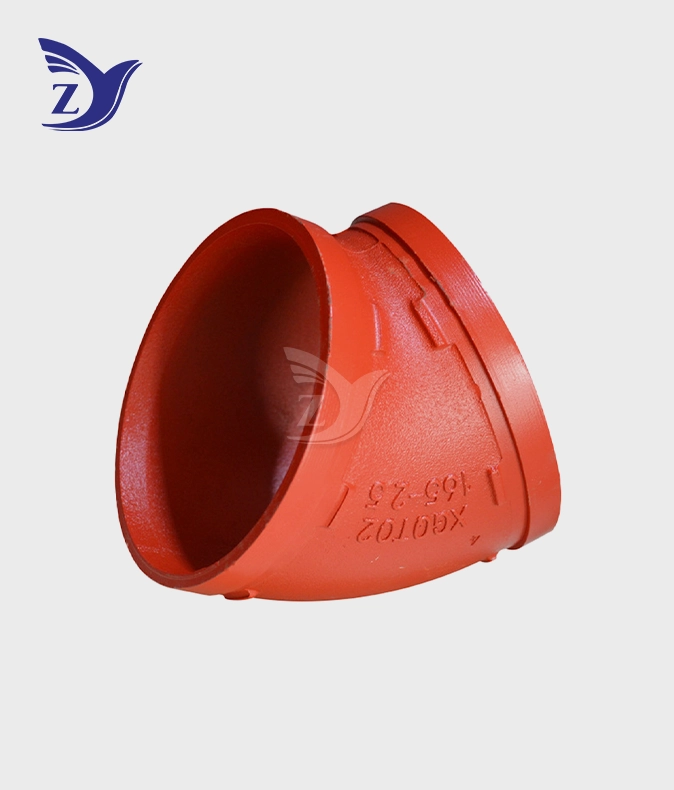
Fire Grooved 45° Elbow
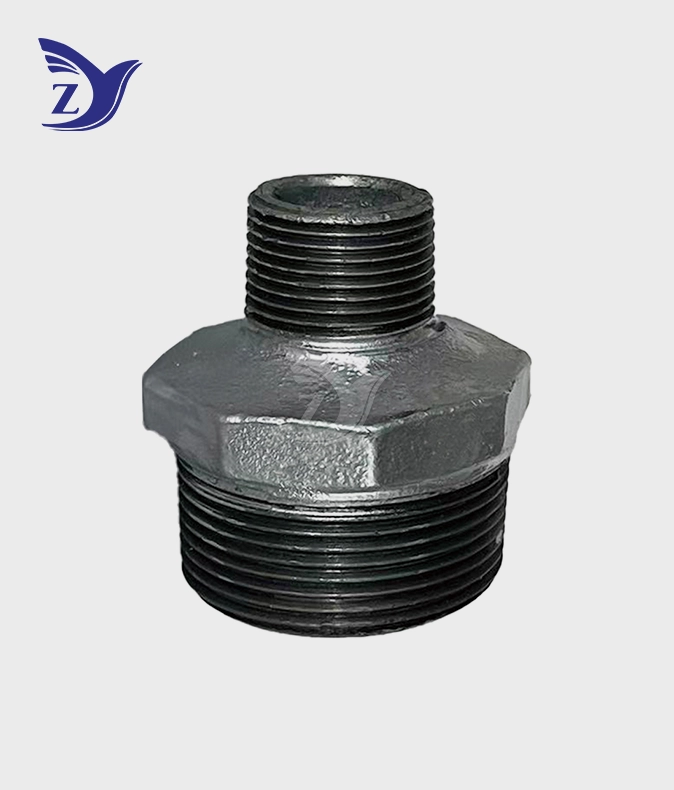
NPT Galvanized Reducing Male Nipple Pipe Fittings
Fire Grooved Blind Flange
Water Grooved 22.5-degree grooved elbow
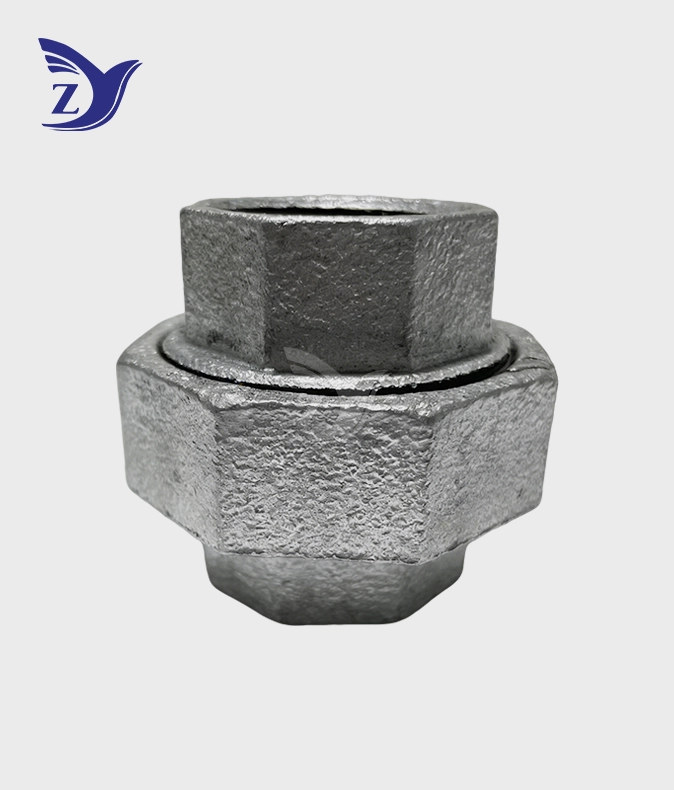
NPT Galvanized Union 342 Pipe Fittings
Black Malleable Iron Coupling Class 300
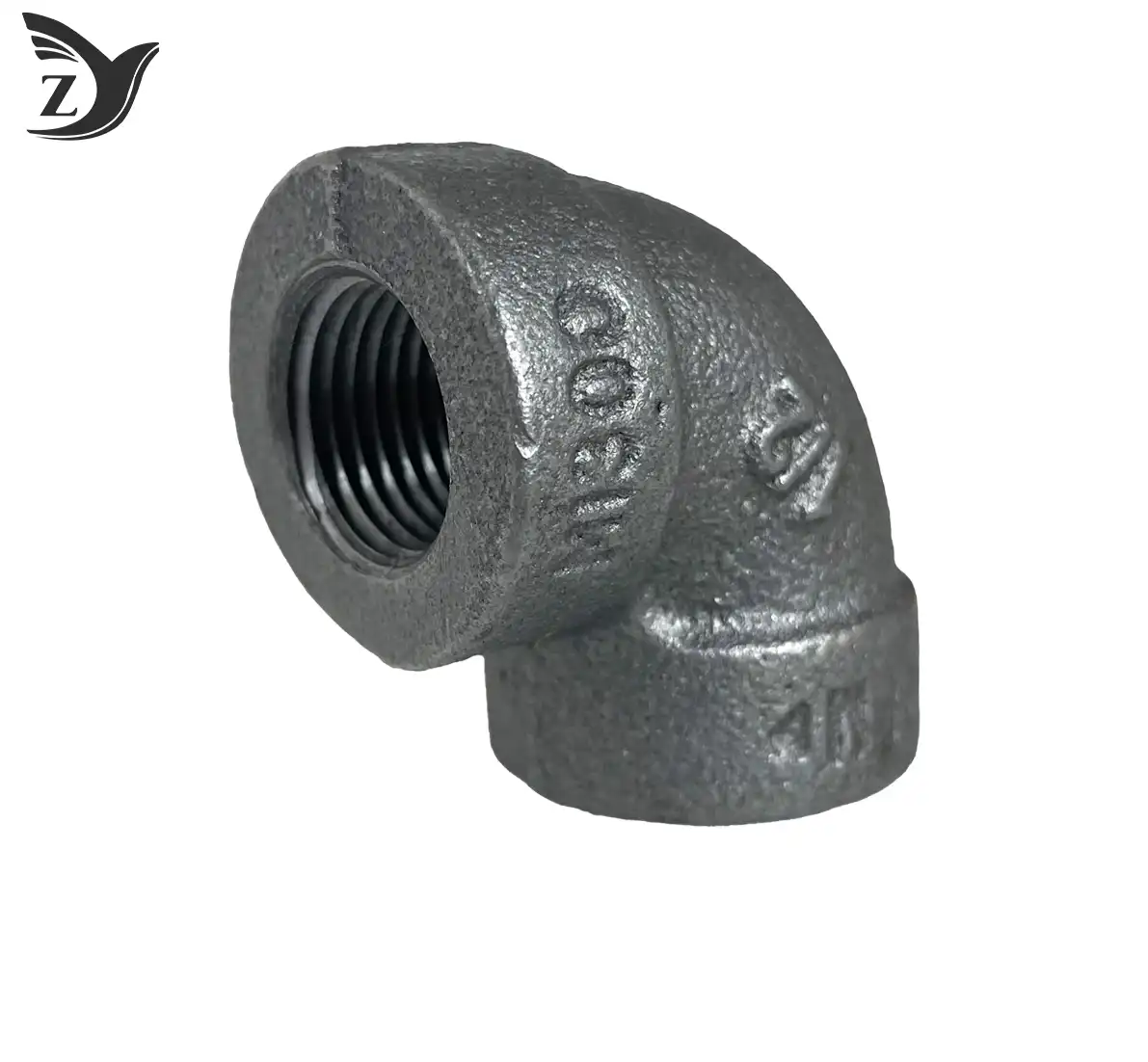
300LB Black Malleable Iron 90 Degree Elbow Pipe Fitting