
Mar 25, 2026
Choosing The Right Galvanized Bushing Pipe Fittings For Pipe Size Reduction
You need to know a lot about the technical specs and material properties of galvanized bushing pipe fittings in order to get the best system performance when you use them to reduce pipe size. These specialized industrial parts are necessary to make connections that don't leak and keep the structure strong when pipes of different sizes are smoothly joined together. Their zinc covering makes them very resistant to rust, which makes them great for tough environments where they need to last a long time.
Understanding Galvanized Bushing Pipe Fittings
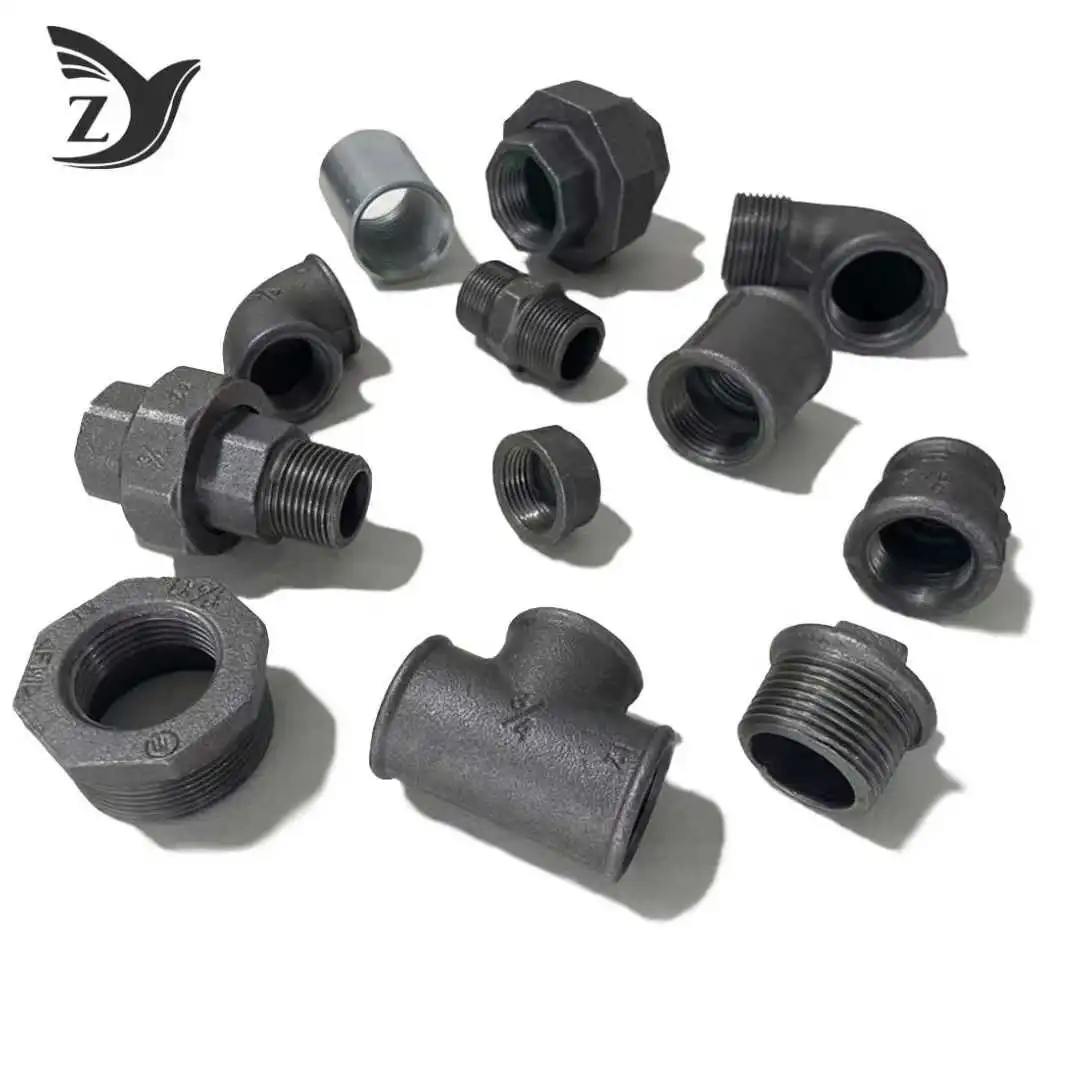
Various industries rely on galvanized bushing pipe fittings, which are high-tech engineering solutions for a variety of piping problems. The distinctive design of these parts is based on their treatment with hot-dip galvanization techniques, which coat them in protective zinc, after which they are constructed from malleable iron or carbon steel.
Technical Construction and Materials
The production process starts with high-quality malleable iron that meets the requirements of ASTM A197. This iron has a minimum elongation property of 5% and an excellent tensile strength of 40,000 psi. Coating thicknesses of 70-85 microns are produced by immersing the fittings in molten zinc at temperatures reaching 840°F during the galvanization process, which creates a metallurgical bond. In comparison to untreated alternatives, this protective coating greatly increases service life by avoiding oxidation and acting as a sacrificial anode.
Thread Standards and Compatibility
These days, bushings may support a wide variety of threading systems, such as the 60-degree flank angles used by the National Pipe Taper (NPT) and the 55-degree Whitworth thread geometry used by the British Standard Pipe Taper (BSPT). While BSPT threads are in accordance with ISO 7-1 standards, NPT threads are in accordance with ANSI/ASME B1.20.1 standards. In many cases, these threading systems may replace gaskets with adequate sealing via metal-to-metal contact, all while keeping pressure integrity intact under harsh operating circumstances.
Functional Design Features
The hexagonal head shape ensures that internal female threads are not compromised when applying torque during installation. When operating in tight quarters, when regular wrenches may potentially harm nearby components, this ingenious feature comes in handy. Overall system efficiency is improved and pressure losses at the fitting connection are reduced thanks to the concentric reduction design, which preserves flow characteristics while minimizing turbulence.
Key Criteria for Choosing the Right Galvanized Bushing Pipe Fittings
There are many technical and practical factors that affect how well the system works and how long galvanized bushing pipe fitting lasts. These factors must be carefully thought through when selecting the right parts. Experts in building and buying have to think about things like natural factors, making sure the measurements are correct, and making sure the materials will work together when they have to choose between choices.
Thread Standard Matching and Dimensional Accuracy
Precise thread matching guarantees leak-proof connections throughout the system's operating life and avoids installation problems. Thread deformation causes interference fits in NPT threads, which necessitates the use of sealant for best performance. Because the tapered profile is responsible for sealing BSPT connections, precise dimensions are required to achieve the required pressure ratings. Installation delays and possible safety risks may be avoided by comparing the thread pitch, main diameter, and taper parameters to the requirements of the system.
Material Properties and Environmental Suitability
The right way to apply galvanized coats can make them last 500 hours or more of salt spray tests, which meets or beats the ASTM B117 standards for defense against rust in the atmosphere. The normal working temperature range for most industrial uses is between -20°F and 350°F. This includes HVAC systems, fire safety networks, and process pipe setups. Testing a product for chemical compatibility makes sure that it will always work successfully where it is used, no matter what kind of fluids or weather are there.
Pressure Ratings and Safety Factors
In water, oil, and gas applications, standard Class 150 fittings can withstand working pressures up to 300 psi, whereas Class 300 variations are designed to handle greater pressures. Pressure surges, thermal expansion, and cyclical loading conditions are all part of routine operations and must be taken into consideration when safety factor calculations are performed. Pressure ratings with suitable safety margins are provided by galvanized bushing pipe fittings made to ASME B16.14 standards, which are used in industrial applications.
Installation and Maintenance of Galvanized Bushing Pipe Fittings
The efficiency and longevity of galvanized bushing pipe fittings in industrial settings are strongly correlated with the methods of installation and maintenance that are carried out correctly. In order to keep systems running smoothly and avoid failures that might harm them, it is important to know what is considered best practice.
Installation Procedures and Best Practices
Before beginning installation, make sure the male and female threads are free of dirt and damage that might compromise the sealing. Before threads are ready for use, they are cleaned with wire brushes and sealed with thread sealants that are rated for the service conditions, such as pipe dope or PTFE tape. Application torque should be 15-30 foot-pounds, as specified by the manufacturer; this range is subject to change based on thread type and fitting size.
The hexagonal shape allows for exact engagement of the wrench without the risk of thread breakage or fitting body distortion caused by over-tightening. To avoid disrupting service and keep workers safe, installation in live systems must be carefully planned. Preventing stress concentration at the fitting connection—which might cause premature failure under heat cycling or vibration conditions—is achieved by properly supporting nearby pipes.
Maintenance Strategies and Inspection Protocols
It is important to visually check for corrosion symptoms, examine the thread quality, and discover leaks around connection points as part of your regular inspection program. The galvanized coating will inevitably acquire a protective patina over time, but if you see any extreme scaling or white rust, it might be a sign of coating failure that needs treatment. In order to avoid leaks, preventative maintenance involves doing things like keeping fittings dry and clean, fixing damaged areas with touch-up coatings, and keeping an eye on system pressure changes.
Thread damage, coating loss (more than 50% of surface area), or stress cracking around the hexagonal head region are all indications that the part needs to be replaced. The best replacement intervals are determined by real service circumstances, not by arbitrary time periods, and warranty claims may be better supported by documentation of maintenance operations.
Procuring Galvanized Bushing Pipe Fittings: Best Practices for B2B Clients
In order to guarantee the timely delivery of compliance items, effective procurement strategies prioritize supplier qualification, quality assurance, and logistical efficiency. Streamlining the buying process without sacrificing quality is possible via establishing connections with dependable producers.
Supplier Evaluation and Quality Assurance
Checking a galvanized bushing pipe fitting supplier's production capacity, quality certificates, and conformity with applicable industry standards are the first steps in the evaluation process. Quality management system certifications like ISO 9001 show dedication to quality control, while product certifications like UL, FM, or CE mark show that the product complies with performance and safety standards. Evaluating a manufacturer's ability to produce a product or service guarantees that they can fulfill order quantities and deadlines without lowering quality.
Standardized testing techniques for coating thickness measurement, dimensional verification, and inbound inspection processes should all be part of quality control procedures. Product performance, packaging specifications, and defect resolution processes are all laid out in detail in supplier quality agreements. Improved price, priority scheduling, and technical assistance are just a few of the ways that long-term collaborations with competent suppliers may boost the efficiency of procurement as a whole.
Logistics and Inventory Management
Optimal inventory management strikes a compromise between carrying costs and stockout risks, which is especially important for mission-critical applications where the costs of downtime outweigh the investment in inventory. Consolidating with defined dimensions and threads into common inventory items helps reduce total inventory investment while retaining availability for urgent needs. These products serve various uses and are designed to be standardized.
Considerations like as transportation methods, customs restrictions, and quality control processes may add time to the lead times of international procurement. Consolidation with adjacent product lines optimizes transportation efficiency, while container optimization minimizes per-unit shipping costs for big orders. In order to facilitate customs clearance and quality verification processes, imported items must have the necessary documentation, which includes material certifications, statements on the place of origin, and compliance declarations.
Conclusion
When choosing the right galvanized bushing pipe fittings, it's important to think about how the system will operate and how long it will last, as well as any relevant environmental factors and operational needs. The combination of zinc corrosion protection and malleable iron strength makes it cost-effective for large-scale installations while providing dependable service across different industrial applications. Supporting overall system dependability and safety goals for critical infrastructure applications, proper installation procedures and maintenance protocols improve service life and reduce operational interruptions.
Partner with Zhiyuan Malleable Steel for Premium Galvanized Bushing Solutions
Zhiyuan Malleable Steel delivers exceptional galvanized bushing pipe fittings backed by 18 years of manufacturing expertise and ISO 9001 quality assurance. Our comprehensive product range includes NPT/BSPT compatible fittings, precision-threaded adapters, and custom solutions designed for demanding industrial applications. With an annual production capacity of 30,000 tons and over 1,000 product specifications, we serve as your trusted galvanized bushing pipe fittings supplier for projects requiring reliable performance and competitive pricing. Contact q1236800000@gmail.com today to discuss your specific requirements and discover how our CE, UL, and FM certified products can optimize your piping system performance.
FAQ
What size combinations are available for galvanized bushing pipe fittings?
Standard size combinations range from 1/8" to 4" with common reductions including 1"x3/4", 3/4"x1/2", and 2"x1-1/2". Custom size combinations can be manufactured to meet specific application requirements, particularly for specialized industrial installations requiring non-standard dimensional configurations.
How do NPT and BSPT threading systems affect fitting selection?
NPT threading creates sealing through thread interference and requires sealant application, while BSPT relies on the tapered profile for metal-to-metal sealing. Thread compatibility verification prevents installation problems and ensures proper pressure ratings are maintained throughout the system operational life.
What maintenance schedule should be followed for galvanized fittings?
Visual inspections every six months identify coating deterioration or thread damage requiring attention. Annual pressure testing verifies system integrity, while detailed inspections every two years assess coating condition and replacement requirements based on service environment severity and operational demands.
References
1. American Society of Mechanical Engineers. "Pipe Threads, General Purpose (Inch)." ASME B1.20.1-2019. New York: ASME Press, 2019.
2. ASTM International. "Standard Specification for Zinc Coating (Hot-Dip) on Iron and Steel Hardware." ASTM A153/A153M-16a. West Conshohocken: ASTM International, 2016.
3. British Standards Institution. "Pipe Threads for Tubes and Fittings Where Pressure-Tight Joints Are Made on the Threads." ISO 7-1:1994. London: BSI Group, 1994.
4. American Society of Mechanical Engineers. "Ferrous Pipe Plugs, Bushings, and Locknuts with Pipe Threads." ASME B16.14-2013. New York: ASME Press, 2013.
5. National Fire Protection Association. "Standard for the Installation of Sprinkler Systems." NFPA 13-2019. Quincy: NFPA, 2019.
6. American Water Works Association. "Steel Pipe Design and Installation." AWWA Manual M11, Fifth Edition. Denver: AWWA Press, 2017.
Online Message
YOU MAY LIKE
High quality furniture manufacturer
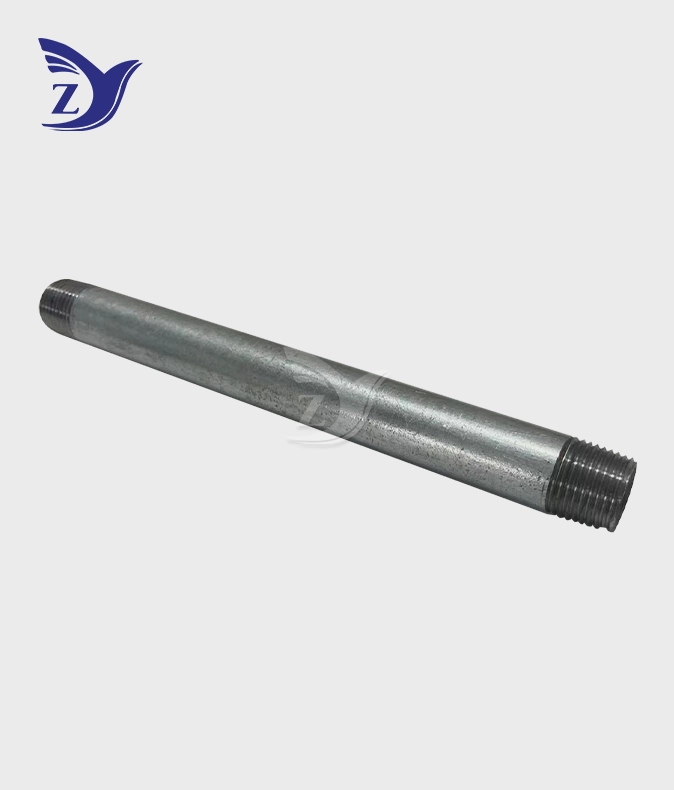
Carbon Steel Pipe Male Threaded Fittings Hot Dip Galvanized
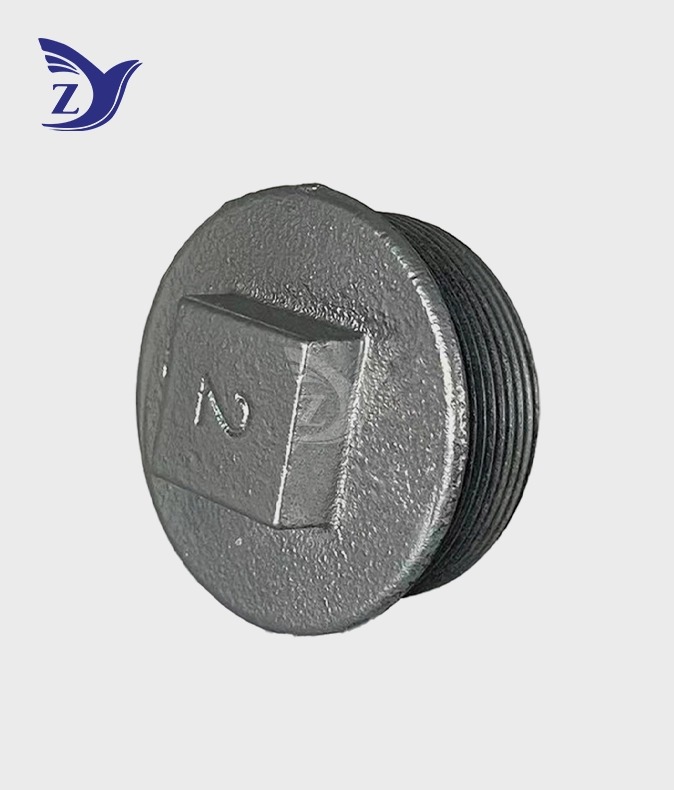
NPT Galvanized Flanged Pipe Plug Pipe Fittings
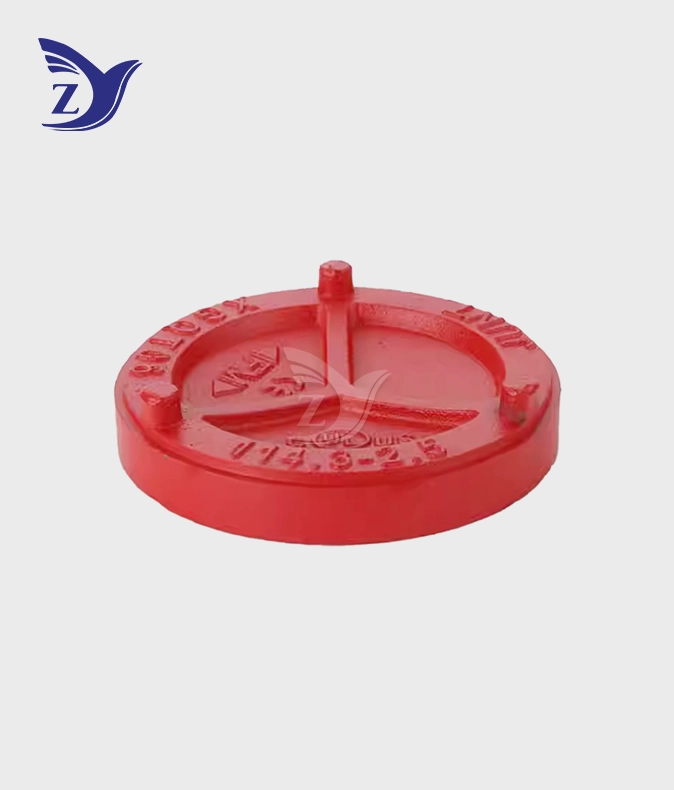
Fire Grooved Blind Flange
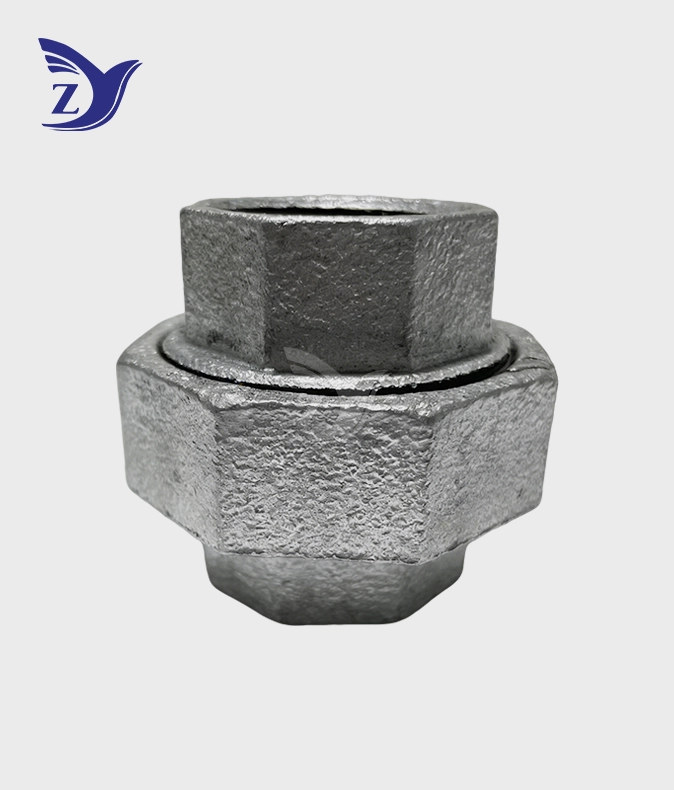
NPT Galvanized Union 342 Pipe Fittings
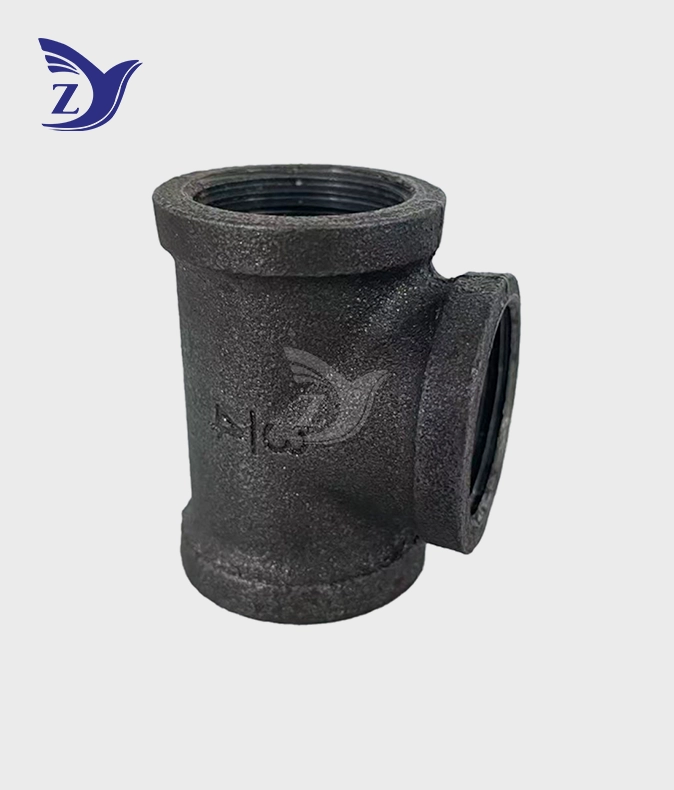
NPT Black Square Face Straight Tee Pipe Fittings
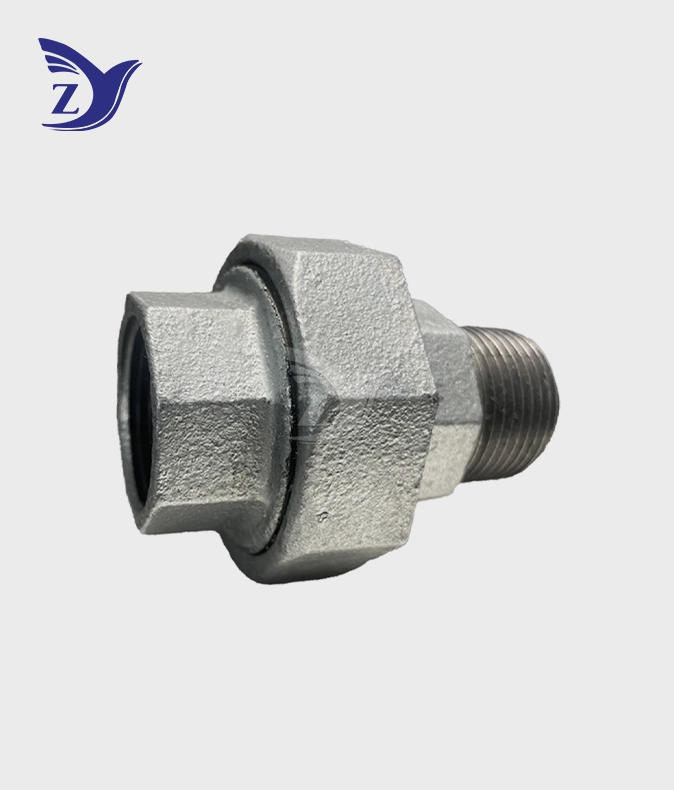
NPT Galvanized Male Female Threaded Union 331 Pipe Fittings
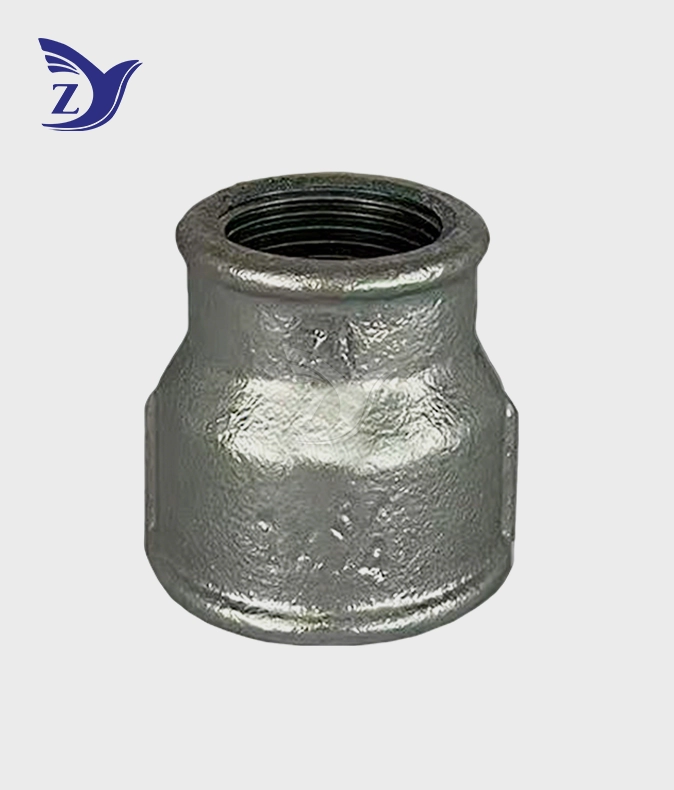
BSPT Round Face Galvanized Round Edge Reducing Coupling Pipe Fittings
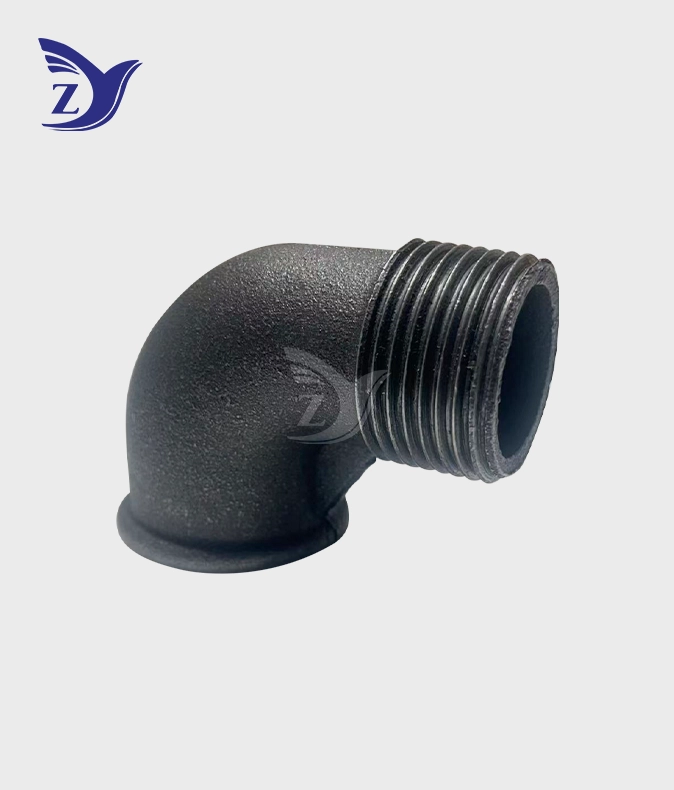
NPT Black Round Face Male-Female 90° Elbow Pipe Fittings