
Mar 25, 2026
Can you put a galvanized pipe cap on pvc?
Galvanized pipe caps may be used on PVC pipes with the right adaptor fittings and threaded connectors. Using threaded PVC adapters or transition fittings that are compatible with galvanized pipe cap pipe fittings is essential. Although these two materials have distinct functions in pipe systems, it is important to know that they are compatible with each other so that connections for industrial gas, water, and HVAC applications may be made reliably and securely.
on all the industrial procurement managers, engineers, and distributors out there, here is the definitive reference on galvanized pipe caps and how they work with PVC pipes. For pipe systems to be dependable and affordable, it is essential to understand how these materials interact with each other. The information is designed to help B2B stakeholders make educated purchase choices, optimize system performance, and minimize maintenance difficulties. It focuses on practical compatibility, installation recommendations, and procurement tactics.
Galvanized Pipe Caps and Their Compatibility with PVC Pipes
What Are Galvanized Pipe Caps?
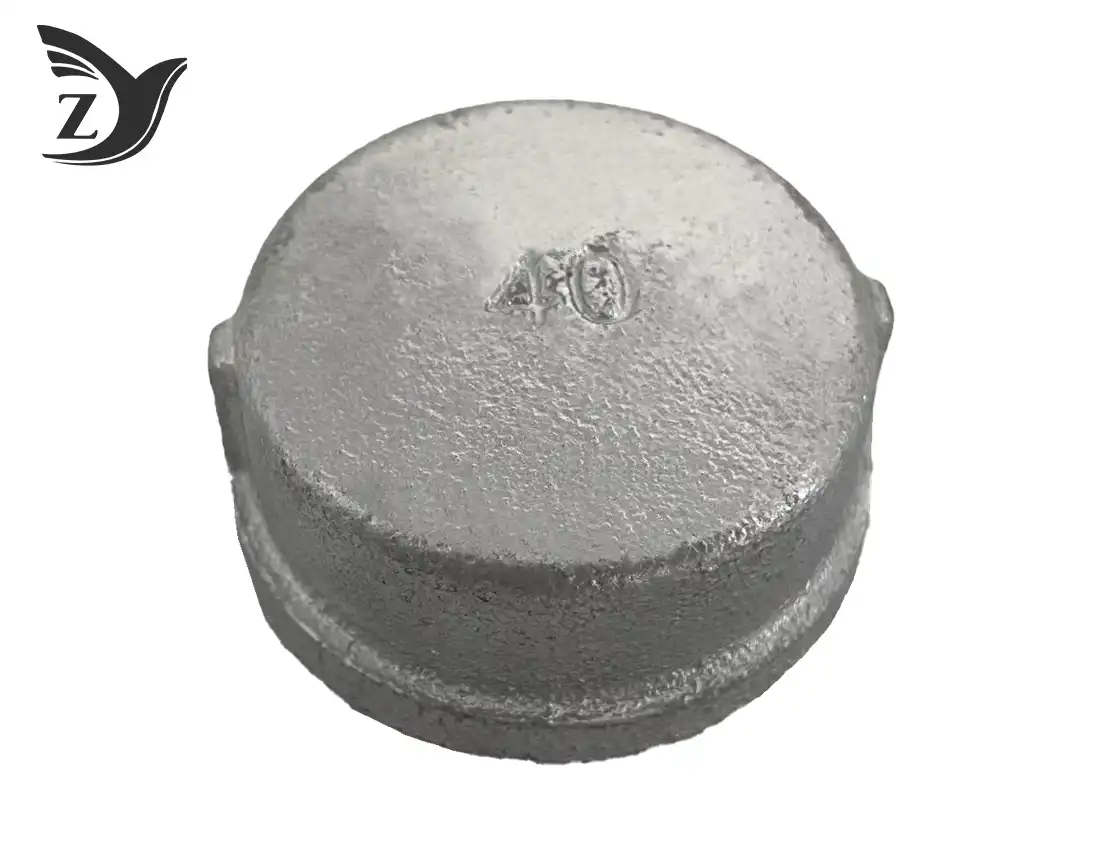
To finish off pipes used to transmit gas or liquid, manufacturers create specialized components called galvanized pipe caps. Fittings made of high-grade malleable iron that meet ASTM A197 requirements have internal threads that follow either the National Pipe Taper (NPT) or the British Standard Pipe Taper (BSPT) standards. As a sacrificial anode to prevent corrosion, the hot-dip zinc coating is a protective barrier that is created during the galvanization process.
Precision threading with specified taper ratios is an important part of the production process. NPT threads have a 60-degree angle with a 1:16 taper, whereas BSPT threads have a 55-degree Whitworth thread angle. Class 150 pressure ratings can withstand temperatures up to 300 PSI, and these galvanized pipe cap pipe fittings are subjected to stringent quality control measures to ensure they fulfill these standards.
PVC Pipe Characteristics and Material Properties
Lightweight, chemically resistant, and inexpensive, PVC (Polyvinyl Chloride) pipes have several benefits. Plastic vinyl chloride (PVC) pipes are resistant to the majority of acids, alkalis, and salts, and they keep their dimensions even when exposed to temperature changes. Because of its very smooth inner surfaces, this material reduces friction losses in fluid transport systems and has great flow properties.
In contrast to metal pipes, PVC has unique mechanical characteristics. When coupled with metal fasteners, the joint's integrity is compromised because to the drastically different coefficient of thermal expansion. Without the right transition fittings, it might be difficult to directly attach PVC pipes to galvanized caps since these pipes usually use solvent welding or mechanical joints instead of threaded connections.
Technical Feasibility of Mixed-Material Connections
To successfully attach galvanized pipe cap pipe fittings to PVC pipes, one must be familiar with the basic distinctions in joining techniques. Chemical bonding or compression fittings are the main methods used by PVC systems, in contrast to galvanized fittings that depend on threaded connections for sealing. The answer is to use transition fittings or threaded PVC adapters to link the two different ways.
A threaded PVC adapter is threaded onto the PVC pipe using conventional solvent welding procedures; this is the technical method. The internal threading of the galvanized cap may be threaded via this adapter, which offers male or female threads. Thread sealant, when applied correctly, prevents connections from leaking and accounts for variations in thermal expansion between materials.
Installation and Maintenance of Galvanized Pipe Caps on PVC Systems
Step-by-Step Installation Guidelines
Choosing and preparing the right materials is the first step to a successful installation. To fit your galvanized cap's pipe diameter and thread specifications, choose threaded PVC adapters. Thoroughly remove any dirt or manufacturing residues from all connecting surfaces to ensure the joint is completely clean.
Many important stages are included in the installation procedure. After properly priming the pipe end and adapter socket with PVC, apply solvent cement. To make sure the pipe and adapter bond properly, insert it using a quarter-turn motion while holding firmly for 30 seconds. Be sure to wait for the specified amount of time to cure before installing the cap, as per the manufacturer's instructions.
Insert the galvanized pipe cap pipe fitting into the PVC adapter and secure it using thread sealant or PTFE tape made for thread sealing. First, tighten by hand; then, with extreme caution to avoid damaging the PVC threads, finish by tightening with a pipe wrench. As the fitting is tightened, the tapered thread design forms a seal between the metals, guaranteeing a leak-proof termination.
Maintenance Best Practices for Mixed-Material Systems
Protocols for routine inspections aid in the detection of possible problems before they escalate into expensive crises. Check for corrosion, mechanical stress, or leaks at any connections. The zone of transition between materials is quite vulnerable to heat stress, so be sure to inspect it thoroughly.
As part of routine preventative maintenance, threaded connections should be tightened from time to time, particularly when the weather changes. Galvanized steel and PVC expand at different rates, which may cause connections to weaken over time. The PVC adapter threads and the plastic substance are both susceptible to stress cracking, so be careful not to apply too much force.
In systems with a combination of materials, maintaining chemical compatibility is a constant challenge. Even while galvanized coatings are resistant to most solvents, certain strong compounds may speed up the dissolving of zinc. Make sure the chemical concentrations and pH levels of the system don't go above what's considered safe for PVC and galvanized items.
Procurement Considerations: Buying Galvanized Pipe Caps for PVC Systems
Sizing and Specification Requirements
The correct fit and optimal functioning of the system depend on precise sizing. Galvanized caps are offered in both NPT and BSPT variants for typical pipe diameters ranging from 1/8" to 6". Preventing expensive procurement mistakes requires knowledge of the distinction between nominal pipe size and real dimensions. ANSI/ASME B1.20.1 is followed by NPT fittings, whereas ISO 7-1 is followed by BSPT fittings.
Installing software without compatibility problems is possible thanks to thread specification checking. The interference fit sealing is achieved by use of NPT threads, which have a 60-degree angle and a taper of 1/16" per inch. BSPT threads have a distinct pitch specification and a 55-degree Whitworth profile, which are otherwise similar. Connection failure or leaking under pressure may occur when thread types are mixed.
Supplier Evaluation and Quality Standards
Manufacturers with a good reputation will have certificates that show their products are consistently high-quality. Seek for accreditation from an ISO 9001 quality management system, which guarantees thorough quality control at every stage of production. Extra certifications that attest to conformity with particular regional or application requirements include CE, UL, or FM clearance.
Customization possibilities and delivery performance are affected by manufacturing capabilities. Reputable vendors always have plenty of the basics in stock and can accommodate reasonable requests for custom orders. Volumes of yearly output, specifications of manufacturing equipment, and qualifications of technical personnel are all measures of production capacity.
Every galvanized pipe cap pipe fitting supplier has their own unique method of quality control. Pressure testing, dimensional verification, and coating thickness measurement are all part of the thorough testing processes used by premium manufacturers. Following these steps will lessen the likelihood of issues during field installations and guarantee consistent product performance.
Cost Analysis and Value Optimization
Including the entire cost of ownership in procurement cost analysis goes beyond just looking at unit price. The total cost of a project includes not only the initial purchase price but also shipping fees, inventory carrying charges, and installation expenditures. Although there are typically substantial savings per unit when buying in bulk, it is important to accurately predict future demand to prevent having too much inventory on hand.
Factors that affect the total cost of ownership include the frequency of replacement, the expense of maintenance, and the cost of system downtime. Despite being more expensive initially, higher-quality galvanized pipe cap pipe fittings with thicker coatings and precise manufacture usually provide greater value in the long run. To measure the advantages of risk reduction, document the details of the supplier's warranty and replacement policies.
Industry Applications and Case Studies: Galvanized Pipe Caps on PVC in Practice
Municipal Water Distribution Systems
Combining galvanized service connections with PVC distribution mains is a common mixed-material system used by municipal water providers. Using galvanized fittings for longevity at important connection points, this system takes use of PVC's cost benefits for long lines. There is a perfect harmony between the combination's effect on system cost and dependability.
Integrating galvanized caps with PVC infrastructure was successfully shown in a recent municipal project in the southern United States. To terminate potential extension locations, the water authority erected more than 2,000 service connections with threaded PVC adapters and galvanized covers. After three years of use, there were no leaks and very little maintenance needs, according to the inspection.
Industrial Compressed Air Systems
The smooth internal surface and corrosion resistance of PVC pipe make it a typical choice for compressed air distribution in manufacturing plants. Galvanized caps are perfect for system terminations since connection points need mechanical strength that PVC can't provide. The combination manages changes in pressure and maintains air quality at a certain level.
By replacing the old compressed air system with PVC mains and galvanized termination fittings, one car assembly facility was able to save a lot of money. The installation maintained pressure ratings up to 150 PSI throughout the building while reducing initial expenditures by 35% compared to all-steel construction.
Chemical Processing Applications
Striking a balance between chemical compatibility and mechanical constraints is a particular problem for chemical processing plants. For systems that need access for frequent maintenance, galvanized pipe cap pipe fittings provide a sturdy termination, and PVC piping is effective with many process chemicals. Chemical resistance and operational flexibility are both met by this combination.
This method was effectively used by a producer of specialized chemicals for their cooling water system, which supplies water to various manufacturing units. The chemical compatibility was maintained throughout the 15-year service life of the mixed-material design, which made system reconfiguration straightforward throughout plant expansions.
Conclusion
When correctly connected, galvanized pipe cap pipe fittings and PVC pipes provide functional solutions for a wide range of industrial uses. Knowing the material's qualities, selecting the right transition fittings, and sticking to the installation protocol are all crucial for a successful outcome. When used together, they provide dependable and safe performance for commercial, industrial, and municipal applications at a reasonable price. These mixed-material systems work well over the long run thanks to meticulous supplier selection and quality monitoring.
Contact Zhiyuan Malleable Steel for Premium Galvanized Pipe Cap Solutions
Zhiyuan Malleable Steel specializes in manufacturing high-quality galvanized pipe cap pipe fittings designed for reliable performance in mixed-material piping systems. Our NPT and BSPT compatible caps feature precision threading and hot-dip galvanized coatings that exceed industry standards for corrosion resistance and durability. With 26 years of experience and ISO 9001 certification, we deliver consistent quality and competitive pricing for bulk orders. Contact our technical team at q1236800000@gmail.com to discuss your specific requirements and discover why leading galvanized pipe cap pipe fittings suppliers choose Zhiyuan for their critical applications.
FAQ
Can galvanized caps damage PVC pipes during installation?
Proper installation techniques prevent damage to PVC pipes when using galvanized caps. The key is using appropriate transition fittings and avoiding over-torquing during assembly. PVC adapters distribute stress evenly while threaded connections accommodate the mechanical requirements of galvanized fittings.
What thread sealant works best for galvanized cap connections?
PTFE tape or pipe thread compound designed for mixed-material applications provides optimal sealing performance. Apply sealant to male threads only, wrapping PTFE tape in the direction of thread engagement. Avoid excessive sealant that might contaminate the system or interfere with proper thread engagement.
How do I measure PVC pipes for galvanized cap compatibility?
Measure the outside diameter of the PVC pipe and match it to standard pipe size charts. PVC pipes use nominal sizing that corresponds to inside diameter, while fittings are sized by outside diameter. Use proper measuring tools and consult manufacturer specifications to ensure accurate sizing.
What pressure ratings apply to mixed PVC-galvanized systems?
System pressure ratings depend on the weakest component in the assembly. Standard PVC pipes handle pressures up to 200 PSI, while galvanized caps typically support 300 PSI or higher. The threaded PVC adapter often becomes the limiting factor, requiring careful specification review for high-pressure applications.
References
1. American Society of Mechanical Engineers. "ASME B1.20.1 - Pipe Threads, General Purpose (Inch)." New York: ASME Press, 2019.
2. ASTM International. "ASTM A197 - Standard Specification for Cupola Malleable Iron." West Conshohocken: ASTM International, 2018.
3. International Organization for Standardization. "ISO 7-1:2022 Pipe threads where pressure-tight joints are made on the threads." Geneva: ISO, 2022.
4. National Association of Pipe Coating Applicators. "Hot-Dip Galvanizing for Corrosion Protection: A Specifier's Guide." Houston: NAPCA Publications, 2020.
5. Plastic Pipe Institute. "PVC Pipe Design and Installation Manual." Irving: PPI Technical Report, 2021.
6. Water Environment Federation. "Mixed Materials in Water Distribution Systems: Best Practices and Compatibility Guidelines." Alexandria: WEF Press, 2019.
Online Message
YOU MAY LIKE
High quality furniture manufacturer
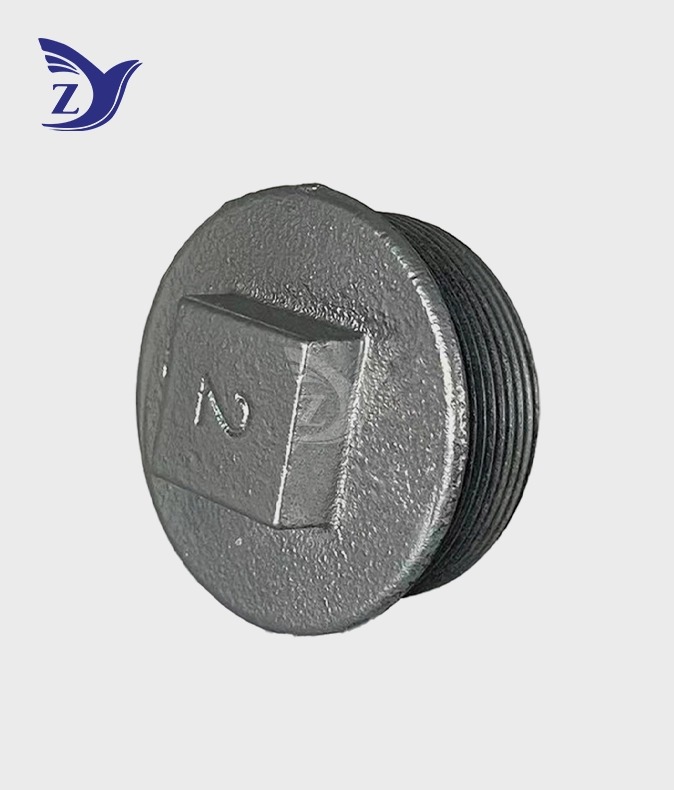
NPT Galvanized Flanged Pipe Plug Pipe Fittings
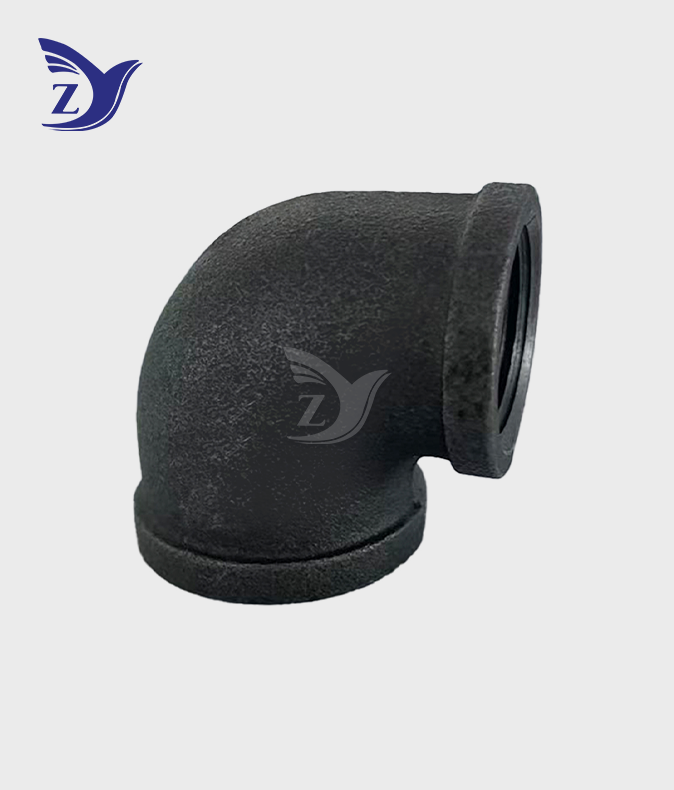
NPT Black Square Edge Reducing 90° Elbow
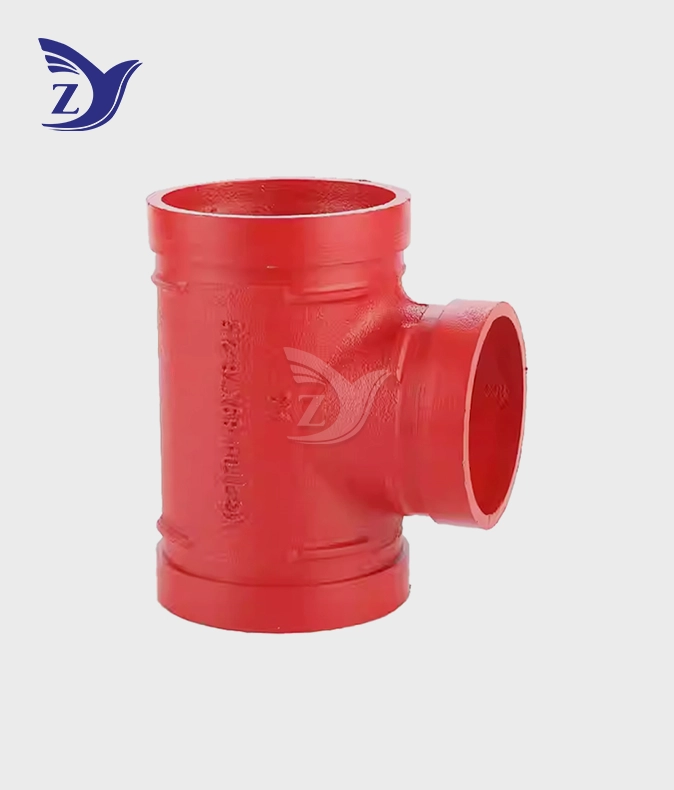
Fire Grooved Reducing Tee
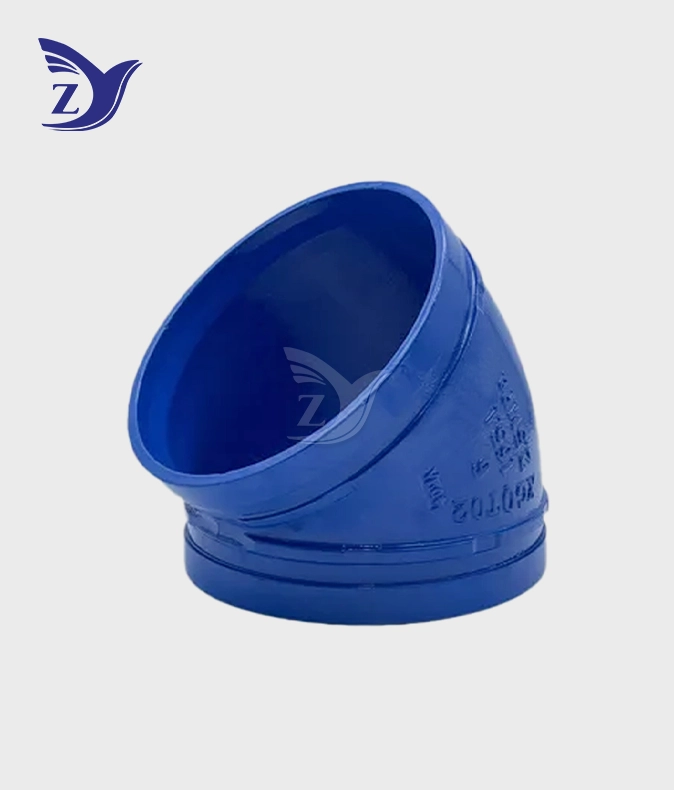
Water Grooved 22.5-degree grooved elbow
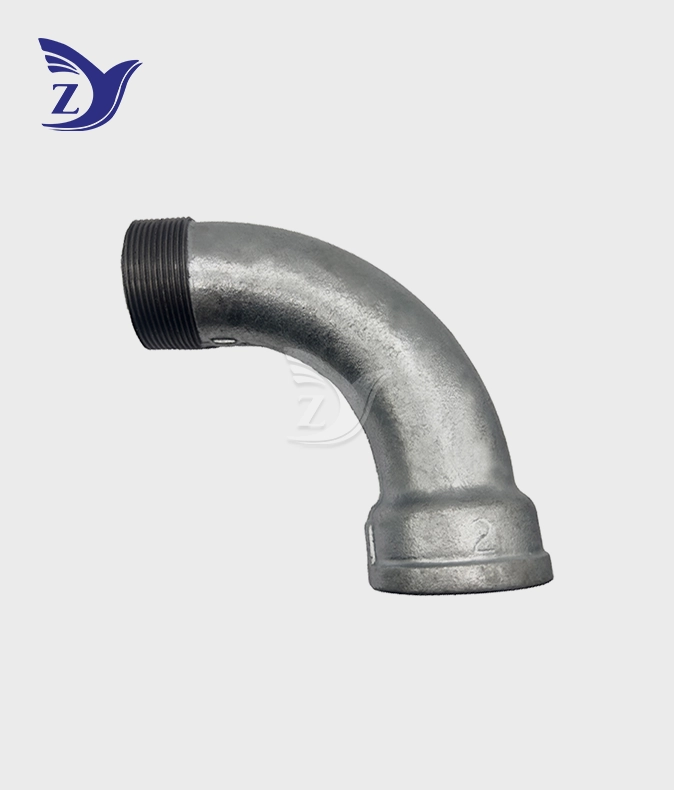
NPT Galvanized Male Female 90° Long Radius Elbow Pipe Fittings
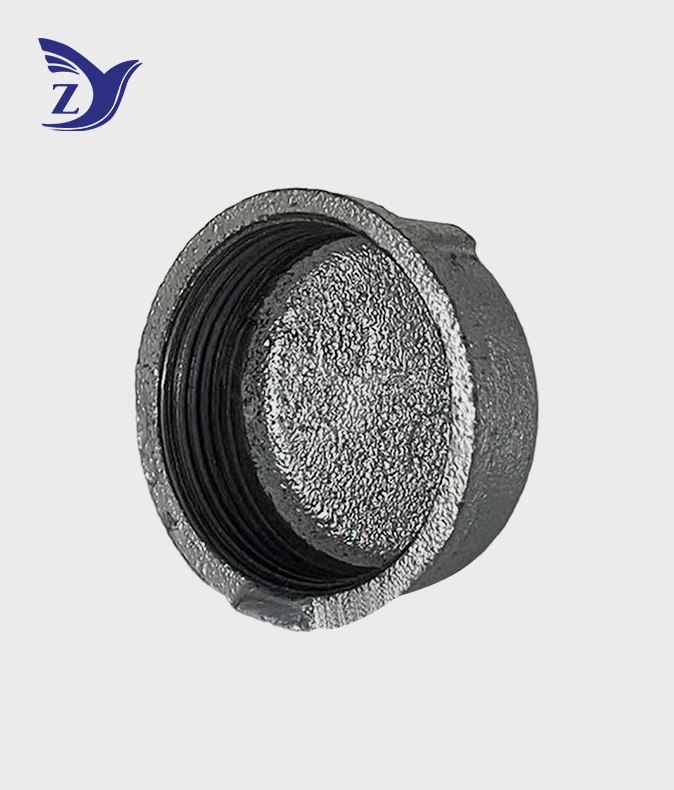
NPT Galvanized Pipe Cap Pipe Fittings
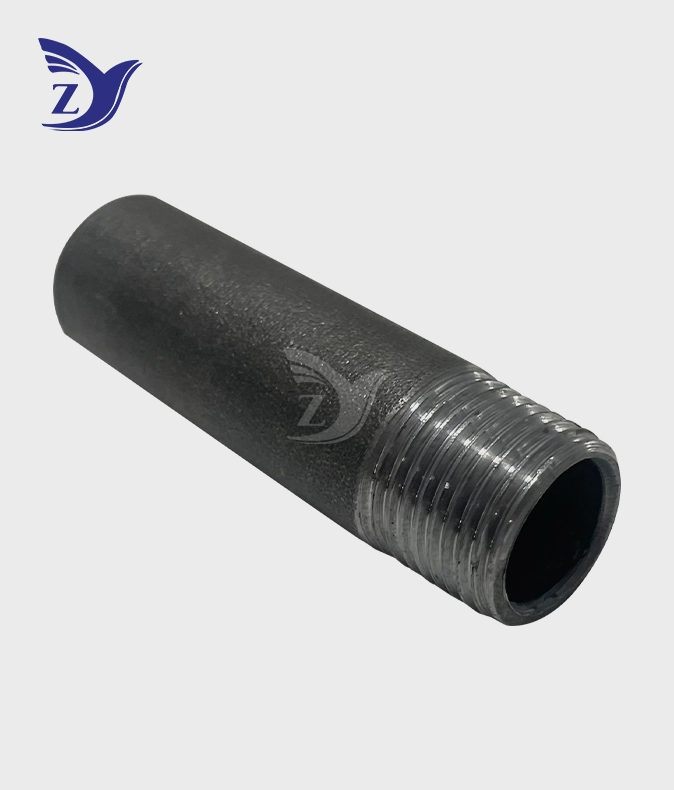
Carbon Steel Pipe Male Threaded Fittings Sand Blasted
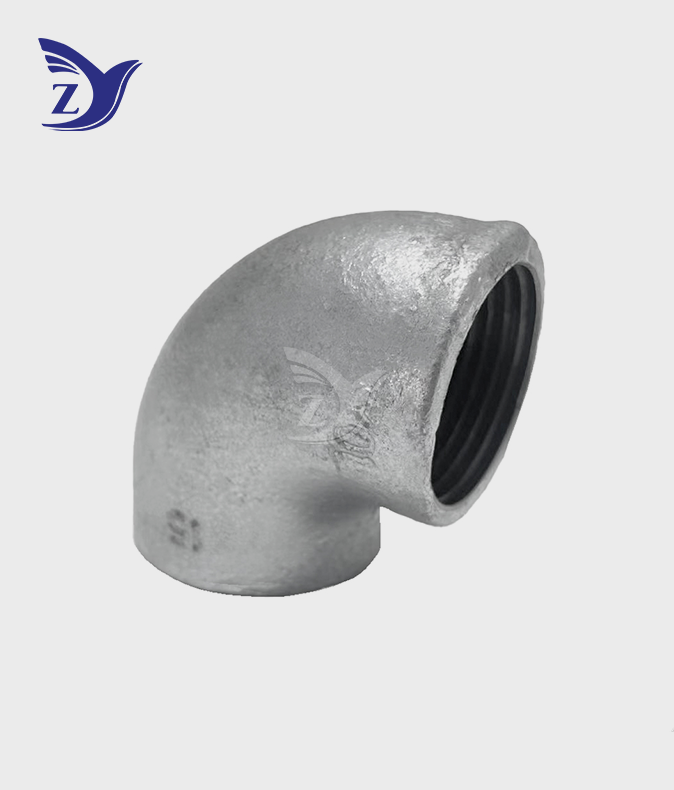
No Hub Electro Galvanized 90° Elbow Pipe Fitting