
Apr 29, 2026
Can cross pipe fittings be galvanized?
You can definitely pickle cross pipe fittings, and this process makes them work much better in harsh industrial settings. Galvanization is the process of hot-dip immersing bendable iron parts in zinc to cover them with a protective layer. This layer protects against corrosion from water, chemicals, and the air. square face galvanized square edge cross pipe fittings are a unique type of product in this line. They have strengthened square-edged bands at each exit that make the structure stronger and make it easier to use a wrench when installing them. These four-way connections are designed to send water, gas, or oil across multiple pipeline branches without rusting in wet or outdoor environments. This makes them essential for fire safety systems, city water networks, and industrial process piping.


Galvanized Cross Pipe Fittings
What Makes Galvanized Cross Fittings Unique?
When four different pipe sections meet at right angles, they form galvanized cross pipe fittings. These allow for complex routing designs to be made in small areas. These 4-way threaded fittings are different from regular tees or elbows because they let flow go in more than one direction at the same time. The galvanization process sets them apart from black iron options by adding a zinc covering that is metallurgically bonded and about 85 microns thick, which meets ASTM A153 standards. This protective layer rusts faster than the iron below it, making the fittings last twenty to thirty years longer than fittings that haven't been treated.
The flat, strengthened collar that goes around each threaded hole is what the "square face" shape refers to. This geometric feature sets it apart from versions that are beaded or smooth. It also adds mass to the connection points to protect against hoop stress during pipe assembly. Engineers choose this setup when projects need more torque resistance or when heavy-duty wrenches will be used during installation and could bend weaker bead designs.
Material Composition and Standards Compliance
Our cross fittings are made from blackheart malleable cast iron that meets the requirements of ASTM A197. This standard says that the metal must have a minimum tensile strength of 40,000 psi and a stretch of 10%. This mix of materials is flexible enough to handle cycles of heat expansion without cracking, which is a frequent way for brittle gray iron options to break. The base metal is carefully poured and then heated to over 850°C for annealing. This changes the rigid carbon structures into nodular graphite forms that make the metal more flexible.
Depending on the market they are going after, thread shapes follow either NPT (National Pipe Taper per ASME B1.20.1) or BSPT (British Standard Pipe Taper per ISO 7-1) rules. NPT threads have a 60-degree angle and a 1°47' taper, which makes interference fits that close without extra compounds in many situations. A 55-degree Whitworth profile with a 1:16 taper ratio is used by BSPT. This profile is popular in installs in Europe and Asia. Both types of threading are carefully cut to keep the dimensions within ±0.05mm. This makes sure that the links are leak-proof at temperatures up to 300 psi.
Corrosion Resistance Through Hot-Dip Galvanization
At our plant, the galvanizing process uses electric heating ovens that protect the environment by reducing emissions and keeping the zinc bath temperature between 445°C and 465°C. Fittings that have been cleaned are fully submerged for controlled amounts of time. This lets the molten zinc form an alloy layer with the iron base, which forms a metal link. Electroplating, on the other hand, makes coats that are thinner, less lasting, and more likely to flake off when mechanical stress is applied.
Independent lab tests show that hot-dipped galvanized fittings don't develop red rust for 15 to 25 years in industry settings and up to 50 years in country settings, according to information from the American Galvanizers Association. The zinc layer fixes small scratches on its own through galvanic action, in which zinc molecules move to cover iron that is visible. This passive safety feature is especially useful in fire sprinkler systems where parts are hidden behind walls for decades without being able to be serviced.
Comparison: Galvanized vs Other Cross Pipe Fittings
Material Performance Analysis
When you first buy them, black steel cross fittings are usually 20–30% less expensive than square face galvanized square edge cross pipe fitting. This makes them a good choice for projects with limited funds. Uncoated iron, on the other hand, rusts quickly when it comes in contact with water, so it needs to be painted or wrapped in protective materials that cost more to install and keep up. We have seen examples of outdoor fire hydrant setups where black steel fittings corroded through within 5–7 years, requiring a full system repair. Galvanized options, on the other hand, last 20 years or more.
Stainless steel valves are better at resisting corrosion in harsh settings, such as chemical processing plants or places where saltwater is present. Grade 316 stainless steel is more resistant to pitting and crevice rust than zinc coats, but it costs three to four times as much as galvanized iron that can be shaped. The lighter weight of stainless steel—about 10% lighter—rarely makes up for the higher price, unless the lower weight has a direct effect on the estimates for structural loads. Galvanized pipes offer the best value for money when it comes to most water, gas, and heating distribution systems.
PVC and CPVC plastic fittings don't rust at all, but they can't handle high temperatures or high pressures. Most plastic crosses can only handle temps up to 60°F (140°C) and pressures below 150 psi, which is too low for steam lines or high-pressure industrial processes. Plastic also breaks down when exposed to UV light, so outdoor projects need to be buried or enclosed to protect them. We use high-strength, anti-rust, pliable iron that can withstand temperatures up to 400°F and pressures above 300 psi. It also stays the same size over decades of thermal cycles.
Square Edge Versus Round Bead Configurations
When installing things with a lot of torque, the difference in function between square edge and standard beaded forms is very important. With square face designs, the collar's surface area grows by about 15 to 20 percent. This spreads the wrench's force over larger areas that don't bend. This is very important when putting together fittings with a width of 2 inches or more, where the installation force can reach 150 to 200 foot-pounds. When these kinds of forces act on beaded fittings, the rim can sometimes get crushed, which makes thread contact worse and creates leak paths.
Round bead designs work well in situations where parts need to be taken apart often because their smooth surfaces keep connections from galling when they go through repeated make-break cycles. Maintenance workers in water treatment plants like this feature when they are fixing filter or valve systems. But fixed installs in fire sprinkler systems, city mains, or industrial process lines—which make up more than 70% of cross fitting uses—benefit more from the stronger structure that square edges offer.
Why Choose Square Face Galvanized Cross Pipe Fittings?
Performance Advantages in Critical Applications
Fire safety systems need parts that won't break even after decades of not being used and then being quickly activated in an emergency. We test our square face galvanized square edge cross pipe fittings with salt spray for 500 hours according to ASTM B117. This is like exposing them to the elements for 15 years or more without any breakthrough rust. This makes sure that sprinkler networks keep working even with little upkeep, saving people and property when seconds count. Because of the dependability link, insurance companies are increasingly requiring galvanized parts to qualify sites for lower premiums.
Soil chemistry changes, stray electrical currents, and yearly temperature changes all pose unique problems for municipal water delivery networks. A mid-sized utility company in the Midwest found that replacing fittings was 63% less frequent after switching from black steel to galvanized standards for their 450-mile system. Over the course of eight years, the costs avoided due to less digging, traffic control, and service delays added up to more than $1.2 million. This proved that the 25% higher starting investment in corrosion-resistant materials was worth it.
Malleable iron building is used in petrochemical factories and power plants for industrial processes that need high strength. Fabricated steel fittings have gaps that are prone to wear breaking, but our cast cross fittings have a uniform metallurgical structure and don't have any stress risers. This monolithic integrity can handle the repeated loads of pressure, sudden changes in temperature, and vibrations that happen in tough industrial settings where broken parts cause expensive production stops.
Manufacturer Expertise and Support Infrastructure
Shanxi Taigu Zhiyuan Malleable Steel Co., Ltd. has been making and fitting pipes for 26 years, so every product we send out is made with that experience in mind. Our engineering team is made up of 38 technical experts who work to make sure that the casting parameters, heat treatment processes, and quality control routines are always at their best so that the products we make are always the same. With this level of knowledge, we can troubleshoot installation problems from afar, suggest the best fittings for each job, and provide technical paperwork that meets the requirements of regulatory clearance processes.
Our factory has 156 precision machining centers, 8 medium-frequency electric ovens for exact temperature control during melting, and 2 natural gas annealing kilns for even heat treatment. Thread tolerances are kept within microns by these machines. This vertical integration gets rid of quality variations in processes that are outsourced, so buying teams can be sure that every package meets their needs. Fittings are protected during foreign shipping by double-layer cardboard packing. This keeps damage claims to less than 0.1% of units shipped, which is much lower than the industry average of about 2% to 3%.
Global B2B buyers benefit from our well-established export processes, which cover things like paperwork, following customs rules, and making the best use of containers. We regularly send goods to markets in North America, Europe, and Asia, and we know how to deal with the rules that make exporting hard for people who haven't done it before. With ISO, CE, UL, and FM certifications, our goods can be used in a wide range of places. This means that buyers don't have to deal with multiple sellers for different regions. This one-stop feature speeds up the buying process and lowers the cost of administration.
Conclusion
For commercial water, gas, and heating distribution systems, galvanized cross pipe fittings offer the best mix of efficiency, longevity, and cost-effectiveness. We make square face galvanized square edge cross pipe fittings that use modern hot-dip galvanizing and tried-and-true malleable iron metallurgy to last for decades in harsh settings without any repairs. Our precision-threaded, corrosion-resistant 4-way connectors give the dependability that engineering teams need and procurement professionals value, whether you're selecting parts for fire protection networks, public infrastructure, or process piping. Standardized fitting, stronger construction, and full certifications are some of the technical benefits that directly lead to lower lifetime costs and higher system safety. With an annual capacity of 30,000 tons and flexible order numbers, we can help with projects of any size with the quality and speed that set top providers in our field apart.
Partner with Zhiyuan Malleable Steel for Reliable Industrial Pipe Solutions
If you need industrial-grade square face galvanized square edge cross pipe fittings, Zhiyuan Malleable Steel has them. They are made to last in the toughest environments. Our ISO 9001-certified production processes, thorough quality testing, and quick response times to customer service are the gold standards that procurement experts depend on. We get rid of the supply chain uncertainties that cause project timelines to slip by sending standard items the same day and making changes to meet unique needs. We have faith in every part that leaves our 50,000-square-meter building, as shown by our policy for replacing broken products and our technical support infrastructure.
We are a reliable company that makes square face galvanized square edge cross pipe fittings for fire protection companies, local utilities, and commercial clients all over North America. We know how important quality parts are for keeping systems safe and running smoothly. Feel free to email our engineering team at q1236800000@gmail.com for technical details, large order prices, or help choosing the best fittings for your needs. Find out why top builders and dealers choose Zhiyuan for precision-threaded pipe fittings that don't rust and protect infrastructure investments.
FAQs
Are galvanized cross fittings safe for potable water systems?
If the zinc coatings on hot-dip galvanized valves meet NSF/ANSI 61 standards for drinking water system components, then they can be used with drinkable water. In pH-neutral water, the zinc layer stays steady and only releases small amounts that are well below what is considered safe for health. Many city water departments use zinc fittings for distribution mains because they have been safe for decades.
How long do galvanized cross fittings last in outdoor installations?
Service life depends on the surroundings. In cities, it's usually 15–25 years, but in the country, it can be 50 years or more. Living near the coast where salt air is present shortens life spans to 10 to 15 years. Regular checks that show the zinc covering is wearing down allow for preventative maintenance to be done before the base starts to corrode, which often extends the useful life beyond what was originally planned.
Can I verify galvanization quality before installation?
Yes, measuring the thickness of the covering with magnetic scales shows that it meets the minimum standards set by ASTM A153, which are 85 microns. A close look should show a uniform gray coloring with no bare spots, too many runs, or flux residue. Reliable providers give mill test results that show how much the coating weighs per square meter. This makes it possible to track down problems with performance during service.
References
- American Galvanizers Association. "Performance and Longevity of Hot-Dip Galvanized Steel in Various Environments." Technical Report Series, 2021.
- ASTM International. "ASTM A197: Standard Specification for Cupola Malleable Iron." Annual Book of ASTM Standards, Volume 01.02, 2023.
- National Fire Protection Association. "NFPA 13: Standard for the Installation of Sprinkler Systems - Requirements for Pipe and Fittings." 2022 Edition.
- Porter, Frank C. "Corrosion Resistance of Zinc and Zinc Alloys." CRC Press, 2019.
- American Society of Mechanical Engineers. "ASME B16.3: Malleable Iron Threaded Fittings - Classes 150 and 300." 2020 Revision.
- International Organization for Standardization. "ISO 49: Malleable Cast Iron Fittings Threaded to ISO 7-1." Technical Committee ISO/TC 5, 2018.
Online Message
YOU MAY LIKE
High quality furniture manufacturer
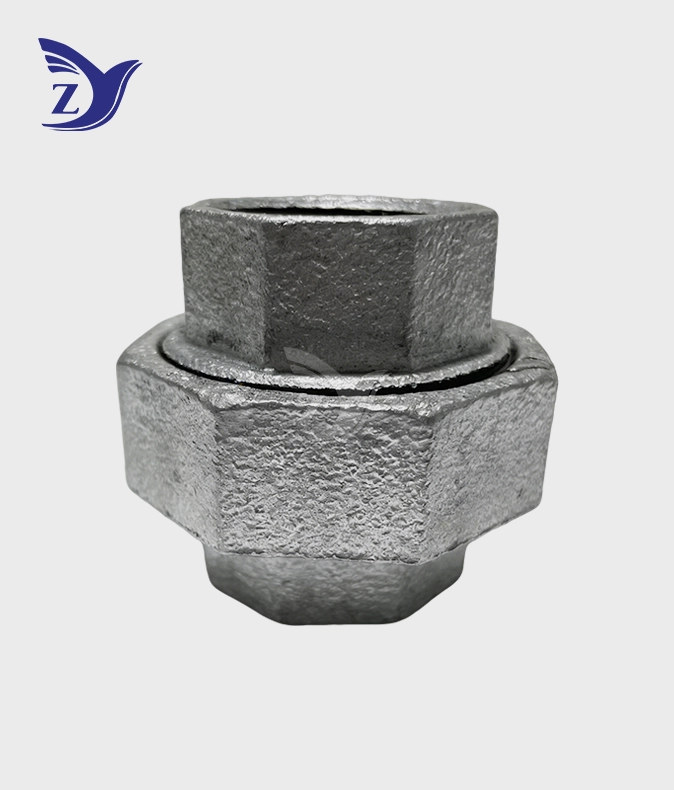
NPT Galvanized Union 342 Pipe Fittings
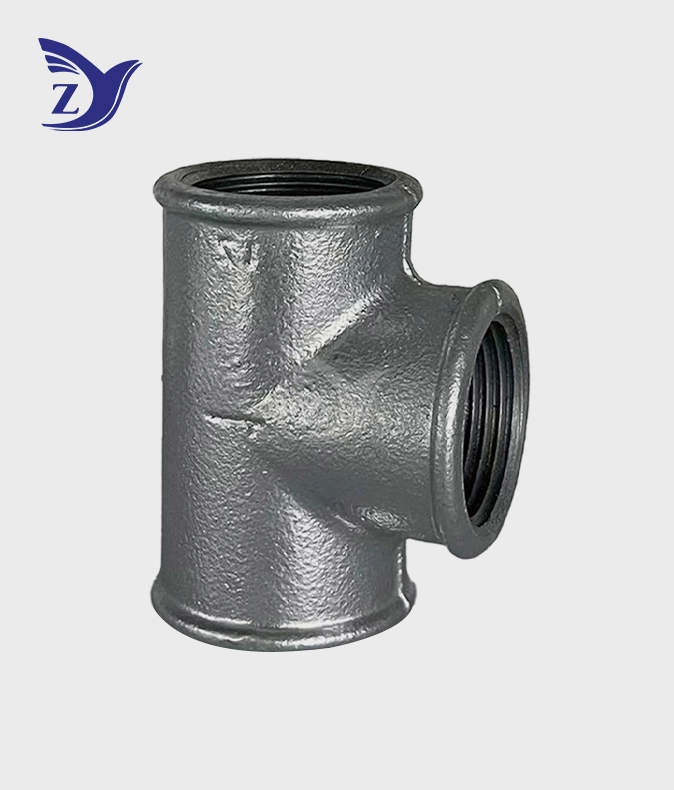
NPT Round Face Galvanized Round Edge Straight Tee Pipe Fittings
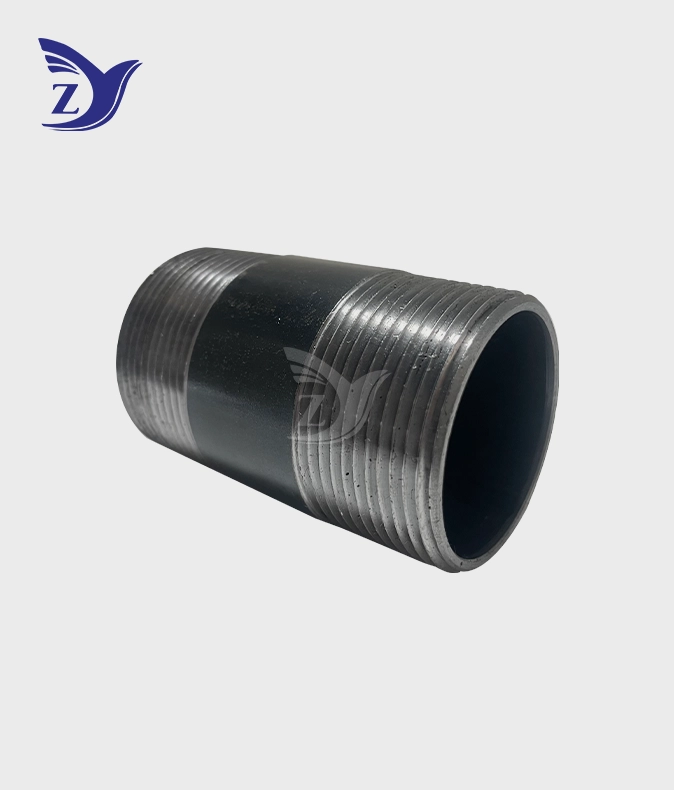
Double Male Thread Oil Tubing
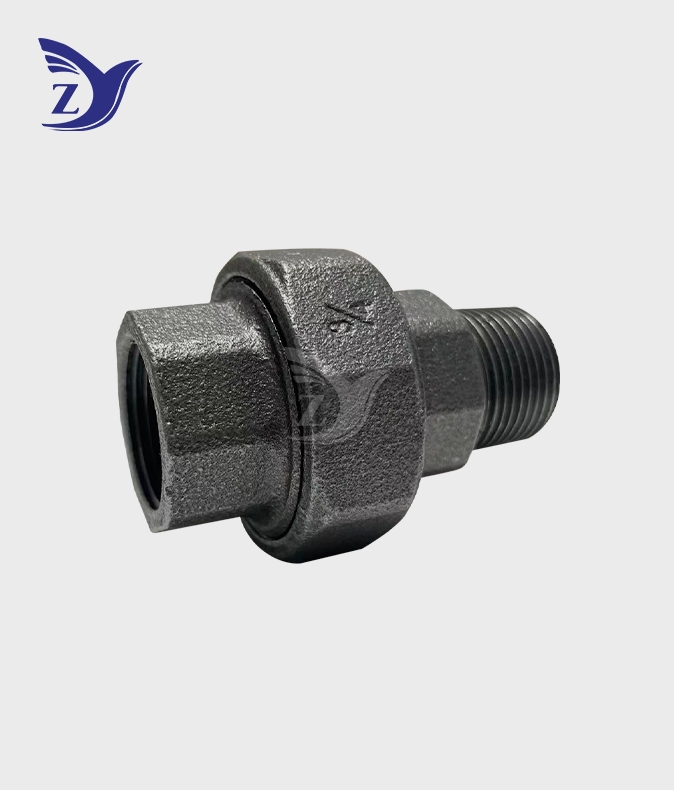
NPT Black Male-Female Union 331 Pipe Fittings
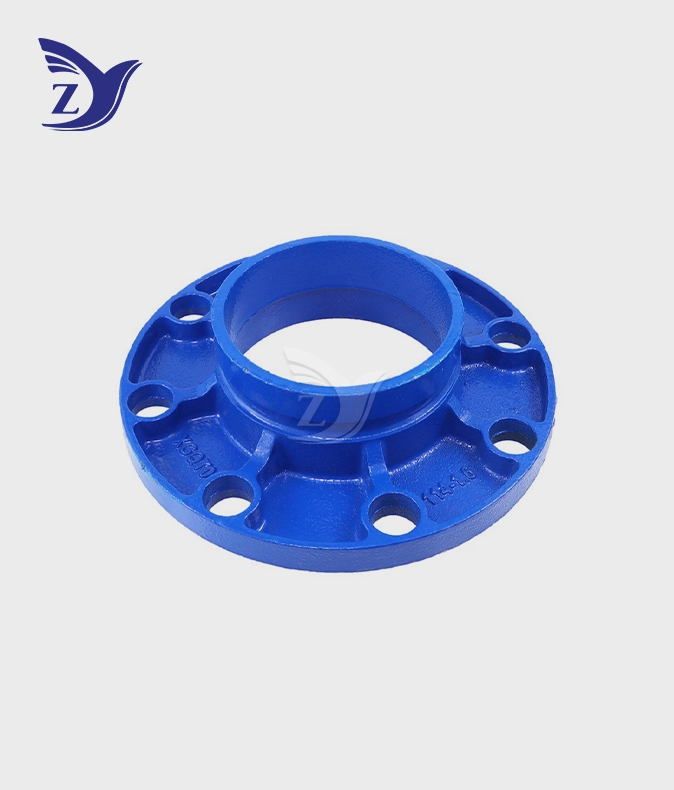
Water Grooved Flange
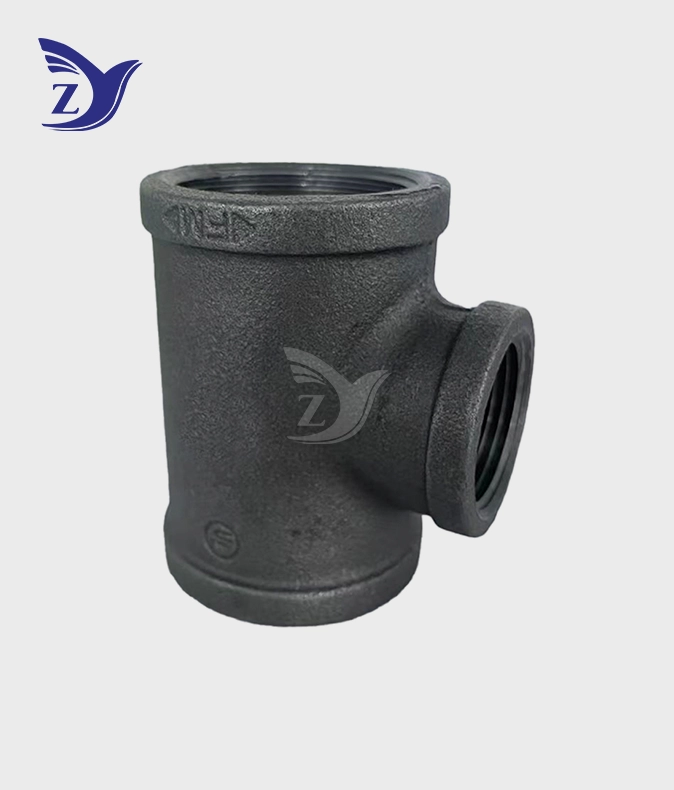
NPT Black Square Face Reducing Tee Pipe Fittings
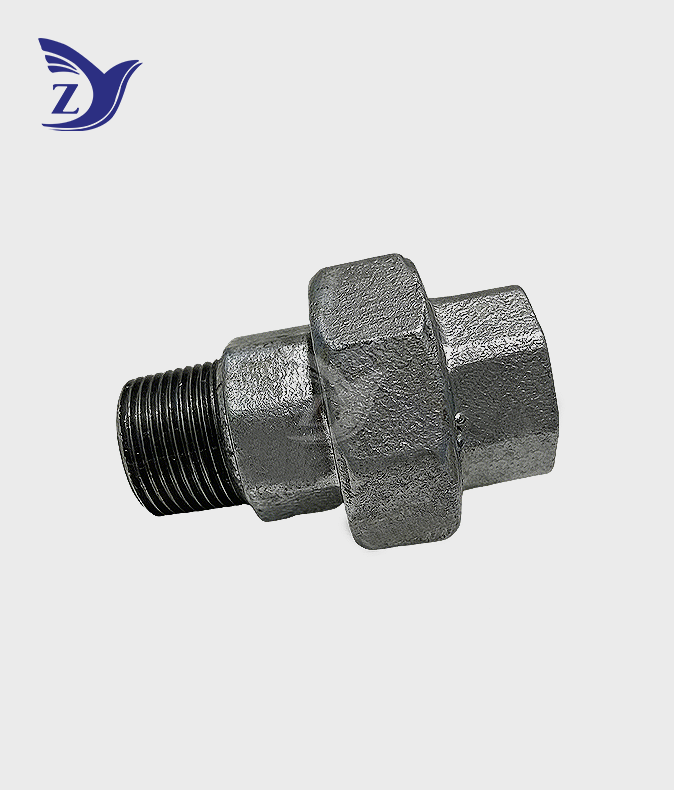
NPT Galvanized Male Female Threaded Union 343 Pipe Fittings
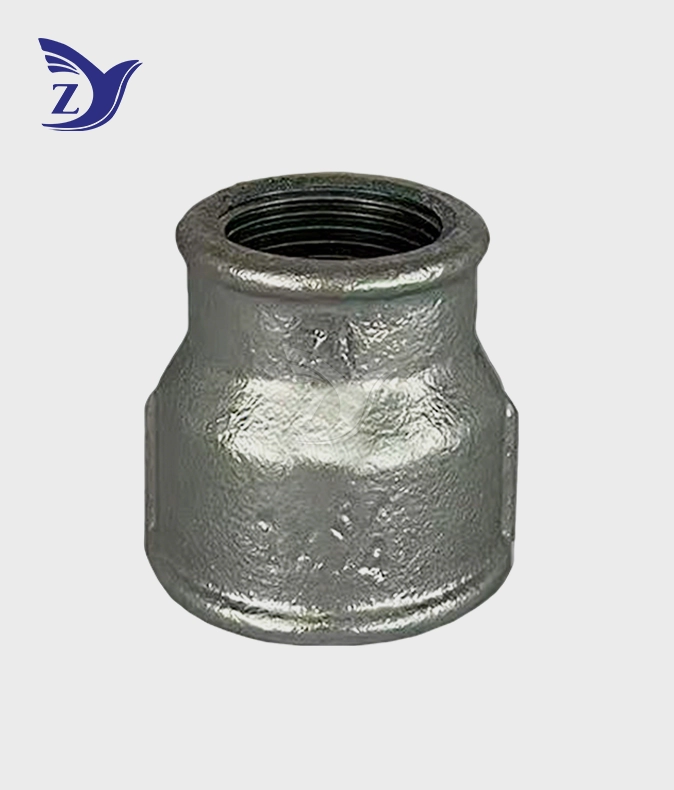
BSPT Round Face Galvanized Round Edge Reducing Coupling Pipe Fittings