
May 30, 2026
Can black malleable iron bushings be welded?
Welding is possible with black malleable iron bushings, but it needs special skills and close attention to metallurgical issues. People used to think that these industrial parts were hard to weld because of the way the materials were structured. But new welding techniques, such as preheating protocols, choosing the right filler material, and controlling the cooling rate, have made welding possible for repairs and modifications. It is still important to understand the heat-affected areas and possible structural changes in order to get a strong weld without affecting the bushing's natural mechanical qualities.
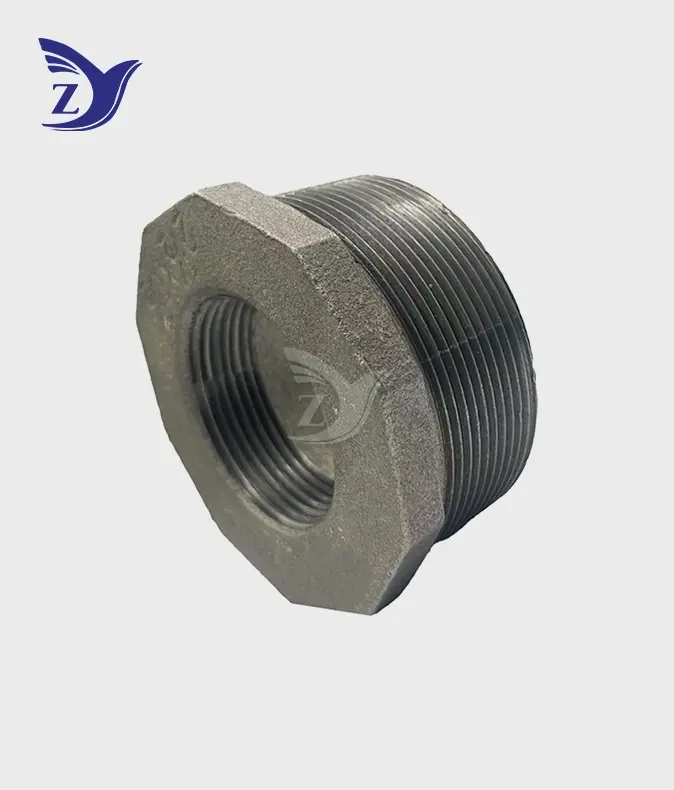
Can Black Malleable Iron Bushings Be Welded?
Metallurgical Factors Affecting Weldability
It is important to understand how black malleable iron bushings behave under extreme heat in order to be able to weld them. When welding uses fast thermal cycles, the heat-affected zone can go through some re-formation of the carefully treated structure. If cooling rates are too high, iron carbides may revert to brittle forms in certain areas, making the area next to the weld bead hard and likely to crack.
Carbon content is very important because the normal 2.0–2.6% carbon in black malleable iron bushings can move toward weld zones when heated, which could turn into brittle martensite when it cools quickly. It's possible for the graphite lumps that give the base material its toughness to break down and move around randomly around the fusion zone. Differential growth of the liquid weld pool and the material around it can cause thermal stresses that can start tiny cracks that spread under service loads. Hydrogen absorption during welding adds to the dangers because even small amounts can cause stiffened areas to crack later on.
Suitable Welding Methods and Techniques
Different ways of welding show different levels of success with black malleable iron bushings. One good way is to use nickel-based electrodes for shielded metal arc welding (SMAC). Nickel filling materials keep the metal flexible and stop hard carbides from forming. The nickel element makes a buffer zone that can handle thermal loads better than electrodes with the same amount of iron would.
Gas Metal Arc Welding (MIG) lets you precisely control the heat, which is good for thin-walled bushings. However, because it cools quickly, you need to prepare it first. TIG (tungsten inert gas) welding has great arc control for cosmetic fixes, but the user needs to be very skilled to handle the small area of heat that is affected. Oxyacetylene welding is slower, but it heats and cools more slowly, which better protects the flexible structure. This makes it perfect for critical structural fixes where strength retention is more important than speed.
For each method, different setting changes are needed. The wattage choices need to find a balance between too much heat input and entry depth. The speed of travel affects the shape of the beads and how fast they cool. Electrode positions affect how well a fusion works and how much splatter there is. Compositions of shielding gases stop oxidation and keep the spark stable.
Best Practices for Welding Malleable Iron Bushings
For welding to go well, strict planning and performance rules must be followed. Preheating the whole bushing to 200–315°C greatly lowers thermal shock and slows down the rate of cooling, which stops the martensitic change. This step can't be skipped for parts that are bigger than 6 mm or that are used in important situations. Getting the surface ready means getting rid of all the paint, oil, rust, and other contaminants by wire brushing or chemical cleaning. This is necessary because any leftover material can cause the weld to crack or become porous.
Choosing nickel-iron or pure nickel filler rods keeps the flexibility while reducing carbon diffusion problems. When the nickel level is above 55%, white iron doesn't form in the fusion zone. Instead of weaving designs, welders should use stringer beads to put down thin layers that keep heat from building up and let stress relax between passes.
Controlling cooling after the weld is just as important as preheating it. Putting warming blankets over finished welds or burying them in warm sand or lime slows the cooling down so much that it takes hours instead of minutes. This managed cooling keeps the microstructure where it needs to be and removes any remaining stresses. Post-weld annealing cycles can help with some important repairs because they recover the original properties of the material. However, you need to be able to get to a furnace and think about the cost of the repair when making your choice.
Maintenance and Installation Guidelines Related to Welding
When to Choose Welding Over Replacement
Finding types of damage that can be fixed with welding increases the speed of upkeep and lowers costs. Welding is often necessary to fix localized wear grooves, small cracks that aren't in critical areas, and the need to restore dimensions in black malleable-iron bushings. External thread damage from over-torquing or cross-threading can be fixed by buildup welding and then recutting the thread. Through targeted weld fixes, black malleable iron bushings with intact bores but damaged flanges or mounting features can get back to working order.
It's not a good idea to weld when cracks spread through load-bearing areas, when corrosion has worn down the material's thickness by more than 40%, or when repeated heat cycling has changed the microstructure. Multiple fixes in the past show systemic issues that welding can't fix, such as bad fitting, misalignment, or not enough greasing. When it comes to fire suppression or pressure tanks, bushings that support important safety functions should be replaced so that there are no questions about the weld's durability in an emergency.
Installation Practices That Minimize Welding Needs
When installed correctly, black malleable iron bushings last longer and need to be fixed much less often. Using dial markers to check for alignment makes sure that the fixing is circular, which stops edge loading and early wear patterns. Maintaining the manufacturer's tolerances—usually within 0.002" for precision applications—spreads the load evenly across the bearing surfaces. Enough lubrication during installation and at regular maintenance intervals forms protective films that reduce metal-to-metal contact and heat production.
Using calibrated torque wrenches instead of impact tools to install things keeps the clamping forces even and prevents thread damage and stress concentrations that cause cracks. Thread sealants that work with the system media stop leaks without overtightening. Rigid piping systems have thermal expansion allowances that allow for changes in size without putting stress on the black malleable iron bushings.
These basic installation steps make sure that bushings last as long as they're supposed to without breaking down before they're supposed to. Paying attention to these details up front cuts down on emergency repairs and unplanned downtime, moving maintenance toward planned schedules instead of welding fixes when they go wrong. Writing down installation parameters and keeping track of performance history shows where design changes might stop failures more effectively than repeated repairs.
Conclusion
Welding black malleable iron bushings represents a viable maintenance strategy when executed with proper techniques, though success depends on understanding metallurgical behaviors and implementing rigorous protocols. The annealed microstructure requires careful heat management through preheating, appropriate filler selection, and controlled cooling to prevent brittle zone formation. Compared to alternative materials, black malleable iron bushings offers moderate weldability at competitive costs, making repairs economically attractive for higher-value components. Installation quality and preventive maintenance substantially reduce welding needs by extending operational life. Procurement decisions should consider weld repairability alongside initial specifications, partnering with suppliers offering technical support and quality certifications. Weighing repair costs against replacement expenses requires analyzing component value, labor rates, and downtime impacts to determine optimal strategies for specific operational contexts.
FAQ
What welding method works best for malleable iron bushings?
Shielded Metal Arc Welding with nickel-based electrodes usually gives the best results for black malleable iron bushings. The nickel filler stops hard carbides from forming and handles thermal stresses well. Oxy-acetylene welding is great for critical repairs where keeping the structure malleable is most important, while TIG welding is best for cosmetic applications that need precise bead control.
Does welding affect the corrosion resistance of black malleable iron bushings?
Welding can damage the protective black finish, leaving bare metal in areas that have been heated. Adding rust-preventative coatings to the surface after welding restores the corrosion protection. Nickel filler materials often have better corrosion resistance than base black malleable iron bushings, which could lead to better performance in weld zones if they are properly protected.
Is welding more cost-effective than replacing damaged bushings?
The cost-effectiveness depends on the value of the black malleable iron bushings, the wage rate, and the amount of downtime. Welding is usually the best option for parts that cost more than $50 to replace or when delays in getting them cause operations to stop. Cheap, easily accessible bushings should be replaced. When labor costs are high, replacement is the best option, but when wages are low, repair is the best option.
Partner with Zhiyuan Malleable Steel for Premium Bushing Solutions
Zhiyuan Malleable Steel is a reliable source for black malleable iron bushings. We make parts that are designed to last and be easily fixed with welding in a wide range of demanding industrial settings. Our factory follows ASTM A197 standards and has all the necessary quality certifications to make sure that the material properties stay the same so that maintenance work goes smoothly when welding is needed. We can also make solutions that are specific to your needs, such as thread configurations that are reinforced to increase service life and lower the number of repairs that are needed.
We offer factory-direct prices that don't include markups for distributors and keep bulk rates that are competitive and good for your budgets. Quick logistics support makes sure that deliveries happen on time and don't interfere with your production schedules, so you don't have to worry about running out of stock. Our engineering team can help you with planning your maintenance and managing your assets, whether you need standard sizes for immediate shipment or custom specifications for specific uses. Contact us at q1236800000@gmail.com or check out our full range of products at zymalleablepipefitting.com to learn more about how our dedication to quality and service excellence can improve your operations with little downtime.
References
- American Society for Testing and Materials. (2019). ASTM A197: Standard Specification for Cupola Malleable Iron. West Conshohocken, PA: ASTM International.
- Lincoln Electric Company. (2020). Welding Malleable Iron: Procedures and Best Practices. Cleveland, OH: Lincoln Electric Welding Technology Institute.
- Campbell, J. S. (2018). Metallurgical Principles of Welding Cast and Malleable Irons. Materials Science and Engineering Journal, 45(3), 234-251.
- American Welding Society. (2021). Welding Handbook Volume 4: Materials and Applications—Part 2. Miami, FL: AWS Publications.
- Machinery's Handbook Editorial Staff. (2020). Cast Iron and Malleable Iron Properties and Welding Considerations (30th ed.). New York: Industrial Press.
- Heine, R. W., Loper, C. R., & Rosenthal, P. C. (2017). Principles of Metal Casting: Malleable Iron Production and Repair Welding. New York: McGraw-Hill Technical Publications.
Online Message
YOU MAY LIKE
High quality furniture manufacturer
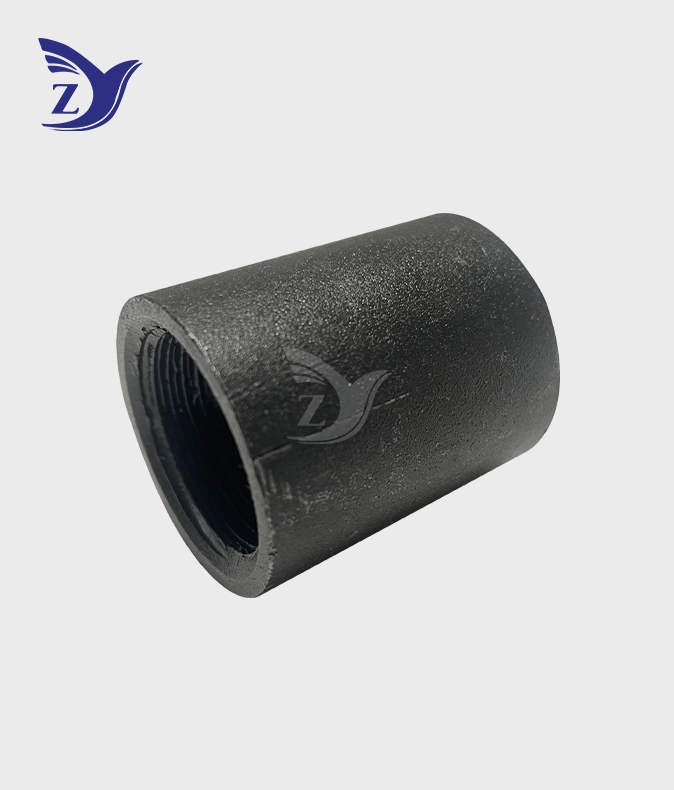
Carbon Steel Full Threaded Coupling Fittings Black Oxide Treated
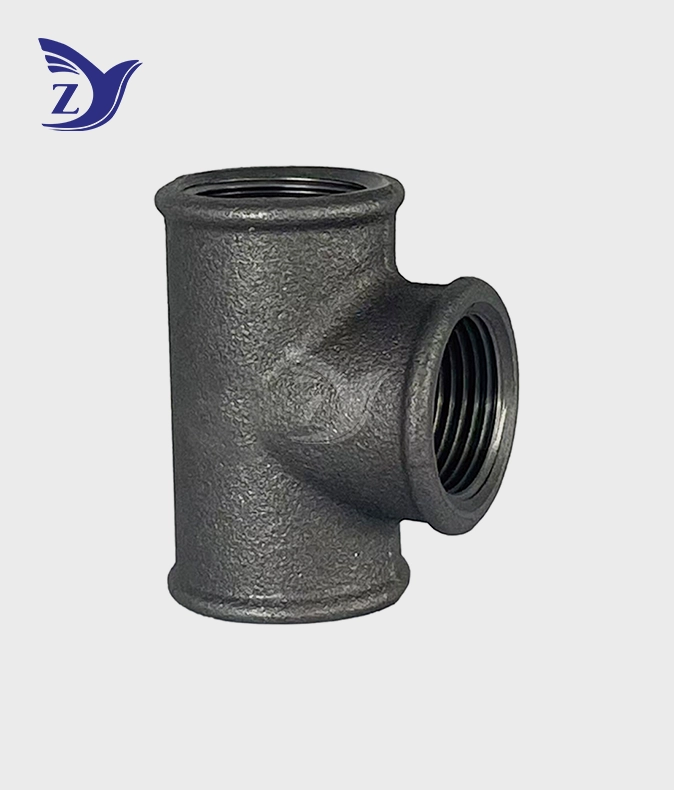
NPT Black Round Face Straight Tee Pipe Fittings
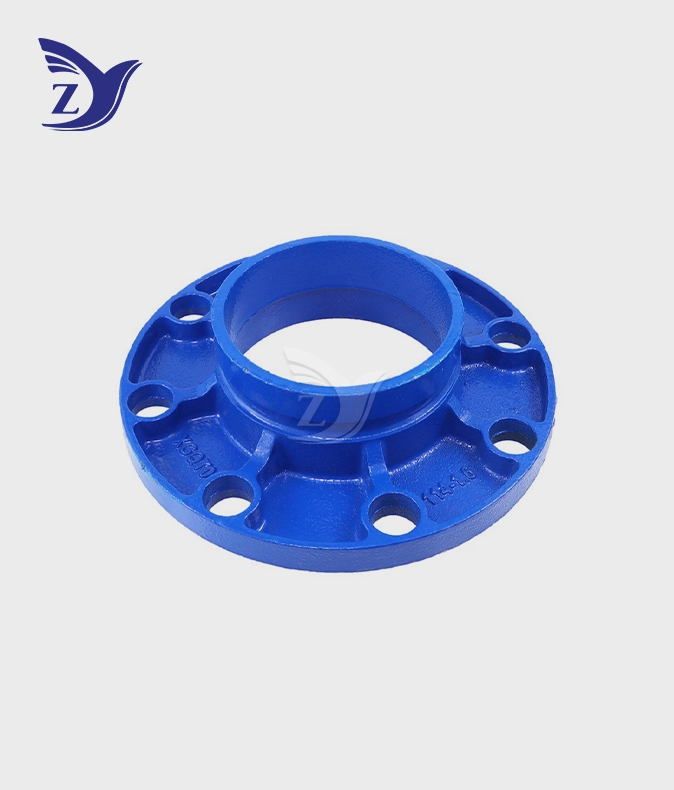
Water Grooved Flange
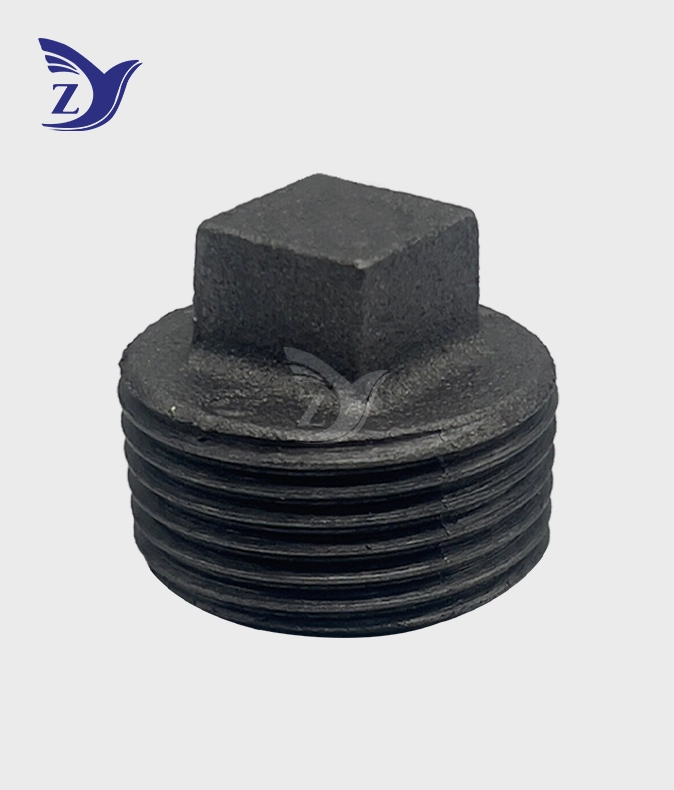
NPT. Black Flangeless Plug Pipe Fittings
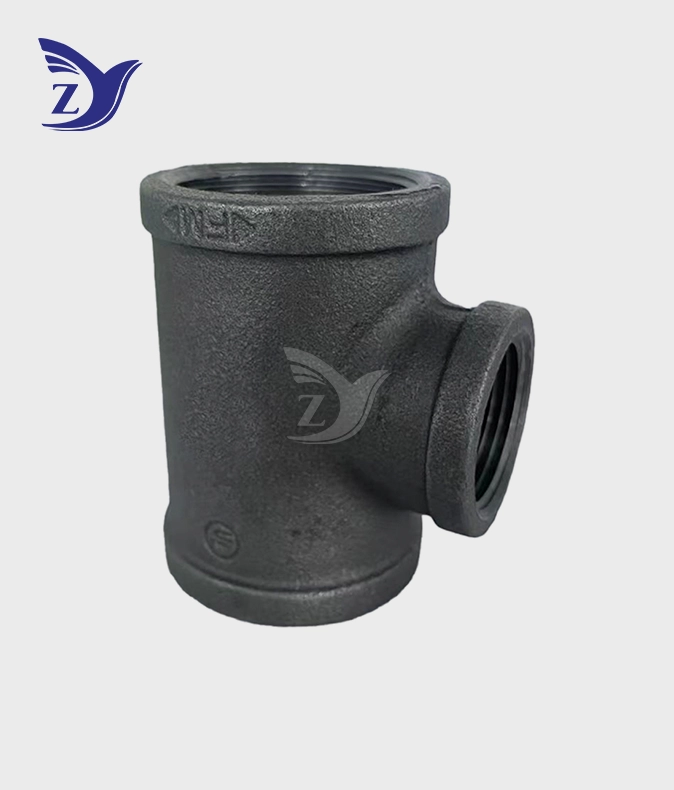
NPT Black Square Face Reducing Tee Pipe Fittings
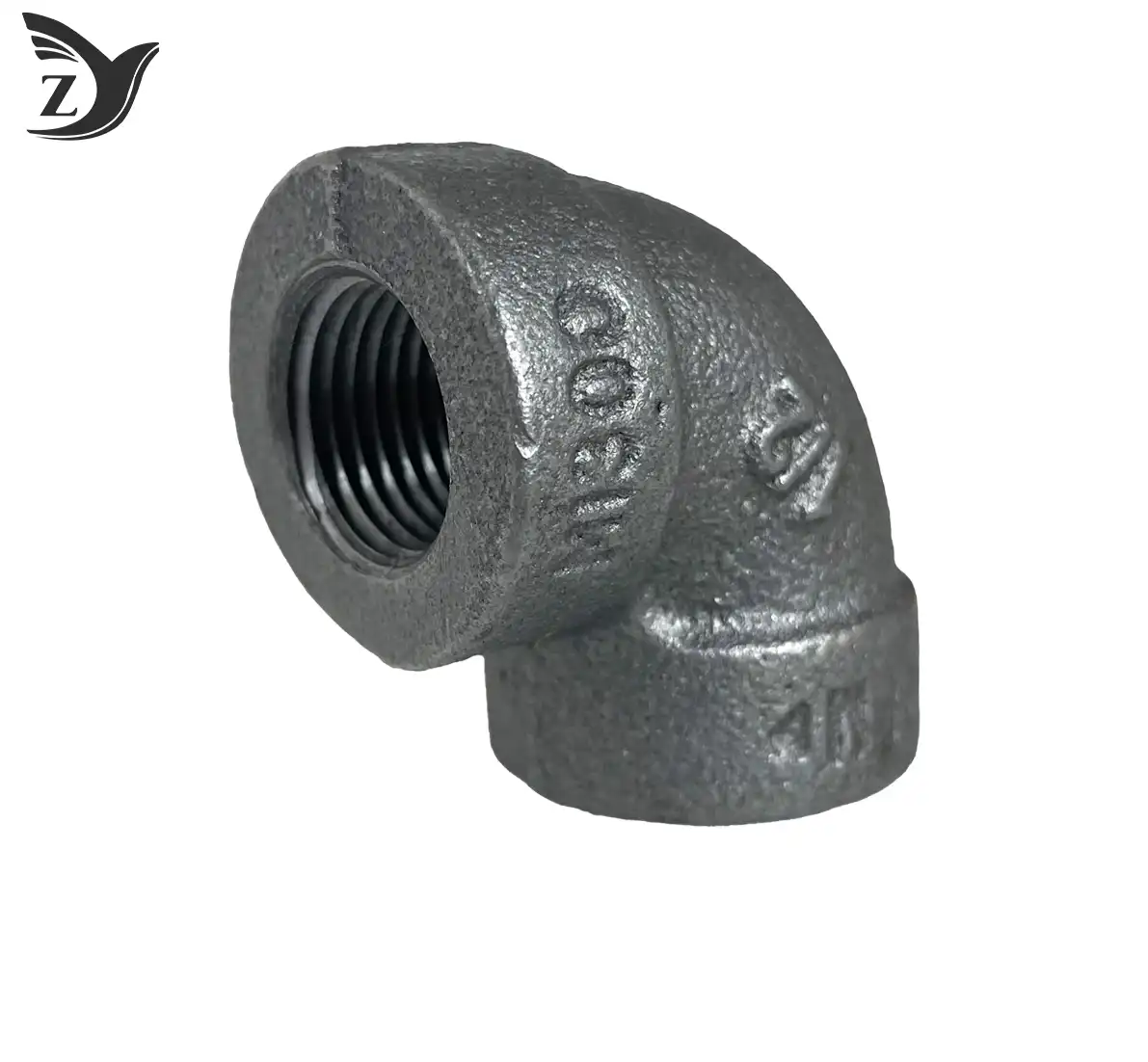
300LB Black Malleable Iron 90 Degree Elbow Pipe Fitting
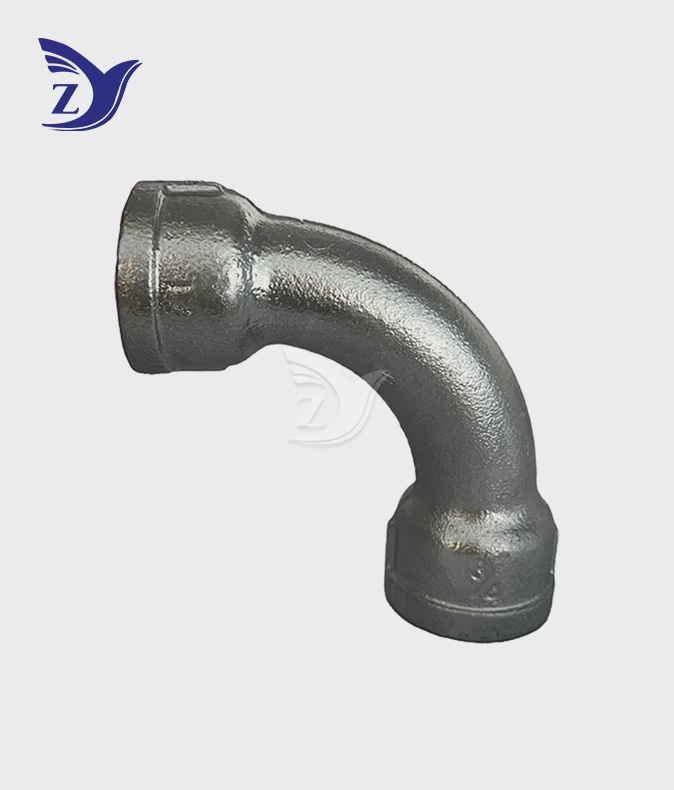
NPT Galvanized Female-Female 90° Long Radius Elbow Pipe Fittings
Fire Grooved 90° Elbow