
Sep 9, 2026
Best Malleable Black Iron Fittings for Residential Plumbing
When it comes to reliable residential plumbing, malleable black iron fittings remain one of the most trusted choices among engineers, procurement managers, and contractors. Manufactured through an annealing process that transforms brittle white iron into a ductile, impact-resistant material, these fittings deliver consistent pressure performance across water, gas, and heating systems. This guide walks through everything procurem
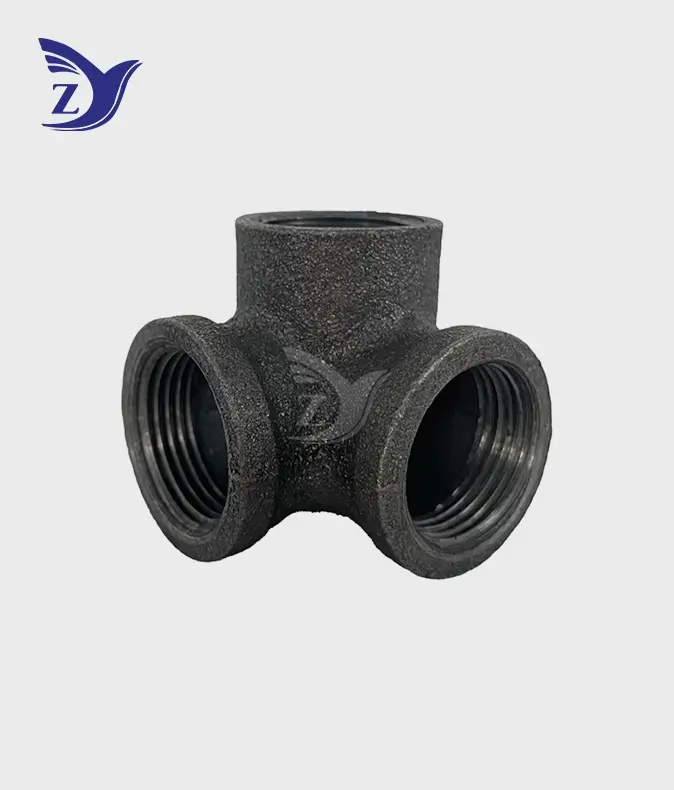
ent professionals need to know — from material selection and installation standards to supplier evaluation and bulk purchasing strategy — so your next project runs on time, on budget, and on spec.
Understanding Malleable Black Iron Fittings
What Makes Them Different from Other Pipe Fittings
According to ISO 49 standards, malleable black iron fittings go through a controlled heat-treatment cycle that makes their expansion capacity much higher, usually above 6%. They are different from gray cast iron, which breaks when it is stressed mechanically, because they can be bent. The black finish on the surface, which is made of iron oxide or a bituminous layer, stops rusting in places that don't contain water, like gas and steam lines. When compared to PVC, these joints can handle higher temperatures. They are better for natural gas distribution than galvanized options because zinc flakes can come off and clog equipment further downstream over time.
Core Technical Properties Worth Knowing
Grade 300-06 malleable iron usually has a tensile strength of more than 300 MPa, and normal Class 150 fittings can handle up to 300 psi WOG (Water, Oil, Gas) at room temperature. When choosing fittings for home heating loops or gas supply lines where pressure changes often, these numbers are important.
How to Select the Right Fittings for Your Projects
When working on infrastructure or private plumbing projects, procurement workers always have to deal with the same problem: hundreds of different fitting types, different thread standards, and suppliers that can't always meet their needs. An organized screening method takes away the need to guess.
Before you place a large order, here are the main things you should think about:
- Thread standard compatibility: BSPT (55° thread angle) and NPT (60° thread angle) can't be used instead of each other. When you mix them, you damage the threads and cause spiral leakage, which is an expensive mistake for big orders. Before you buy, you should always check the thread standard listed on engineering plans.
- Pressure rating alignment: Class 150 fittings are usually needed for gas and water supply lines in homes. Class 300 standards may be needed for heating systems that use steam or water that is very hot. Check the rated working pressure against the highest pressure that your system can handle.
- Certification verification: Look for ISO 9001 quality management certification, material test reports, and measurements that meet ASTM A197 or EN 10242 standards. These papers will keep your project safe during owner acceptance reviews and inspections by a third party.
- Size range coverage: Many types of fittings are needed at the same time in large residential developments. If a supplier has more than 1,000 specifications, there is no chance of missing specs in the middle of a job.
Once you're sure of these details, check to see if the supplier's production capacity fits the number of items you expect to buy. One of the main reasons projects get behind plan is when your buying timeline doesn't match up with the manufacturer's lead time.
Installation Best Practices
Avoiding the Most Common Threading Mistakes
Joint leaks in systems made of malleable black iron fittings are most often caused by threads that are not engaged properly. Before they can be put together, pipe threads must be clean, free of burrs, and cut to the right depth. To keep the inside of the pipe bore clean, only put PTFE tape or a certified pipe thread compound on the male thread and never on the female end.
For example, when fitting an NPT square face galvanized 90° square edge elbow, tighten it by hand first to make sure it is lined up correctly, then use a wrench to add force in controlled steps. If you over-torque a 1/2-inch fitting past 25 ft-lb, the fitting body can crack, even if the iron is flexible. Before the system goes live, a pressure test at 1.5 times the standard working pressure after installation makes sure that the joints are still solid.
Sealing and Pressure Testing Protocol
Once everything is put together, try the system with air or a harmless gas instead of water for the first time. This makes it easier to find leaks by brushing soapy water along the joints. Write down the test results and keep them as part of your quality acceptance package.
Top Suppliers for Residential Plumbing Projects
Anvil International and Mueller Industries are well-known names that have been serving the North American home plumbing market for a long time. They offer large catalogs and regional storage. Chinese manufacturers have become competitive options for B2B buyers looking to source goods around the world, especially for Belt and Road infrastructure projects or large-scale domestic developments. They offer similar technical specs at a better price per ton.
Shanxi Taigu Zhiyuan Malleable Steel Co., Ltd. was established in 2006 and is based in Taigu District, Jinzhong City, Shanxi Province. It is one of the most important companies in the region for making malleable black iron fittings. The building is 50,000 square meters, has more than 500 employees, including 38 technical staff, and can make 30,000 tons of products each year, meeting more than 1,000 different specifications.
The company sells a variety of galvanized fittings in different shapes and sizes. These include NPT square face galvanized 90° reducing elbows, BSPT square face galvanized straight tee fittings, NPT square face galvanized 45° square edge elbows, and NPT square face galvanized reducing tees. Eight SN KGDX-35003T medium-frequency electric furnaces, two 100-ton natural gas heating kilns, an environmentally friendly galvanizing furnace, and 156 machine units help with production. ISO 9001 standards are used for quality control, and certificates such as CE, UL, and FM are provided. Products that are broken are replaced, and things that are normally in stock are sent out within two hours. You can see the whole collection at zymalleablepipefitting.com.
Procurement Strategies for Bulk Purchasing
More than just unit price determines how well bulk purchases work. Actual value is based on the total landed cost, which includes freight, import duties, packaging, and the risk of lead time. Here are the things that buying teams with a lot of knowledge put first:
- Tiered pricing structures: Suppliers who can make a lot of goods, like Zhiyuan Malleable Steel, which can make 30,000 tons of steel a year, can offer big discounts on large orders. Ask for a tiered price schedule instead of a single unit price every time.
- Packaging quality: Double-layer cardboard packaging lowers the number of damaged items that get lost in transportation, which directly lowers the cost of returns and replacements for big packages. It's a good idea to make sure of this difference before signing a supply deal.
- ODM/OEM capability: Suppliers with in-house tech help are needed for projects with non-standard requirements. Early on in the qualification process, make sure you know how to customize non-catalog items and how long the lead time is.
- Delivery commitment documentation: Request written delivery schedules that are linked to production goals as part of your delivery promise paperwork. For major projects where fitting delivery affects the critical path, a vague lead-time estimate is not acceptable.
It is possible for procurement teams to build a supply chain that works well throughout more than just the original order for these reasons.
Conclusion
It takes more than looking at a price list to choose the right threaded pipe fittings for water jobs in homes or on public buildings. In a well-structured buying choice, the material grade, thread standard, pressure rating, supplier capacity, and shipping trustworthiness are all given the same amount of weight. If you buy malleable black iron fittings from a reputable, high-capacity manufacturer and install them according to standard threading and sealing procedures, they will last for decades with little upkeep. The information in this guide gives buying teams a useful framework for making that choice.
FAQ
1. What industry standards must malleable iron pipe fittings meet for residential plumbing?
In the United States, fittings used in home water systems must usually meet ASTM A197 for malleable iron material, ASME B16.3 for size and pressure ratings, and ASME B1.20.1 for NPT thread standards. ISO 49 or EN 10242 may also be used in projects that need to meet foreign standards.
2. How does corrosion resistance compare between black iron and galvanized fittings?
Black iron fittings have an oxide or bituminous coating that works well with gas and steam systems. However, over time, they will oxidize if they come into contact with oxygenated water. A zinc layer on galvanized fittings makes them last longer in water distribution applications. Galvanized is usually the best choice for devices that handle drinkable water.
3. Can these fittings be customized for non-standard project specifications?
Yes. Companies that offer ODM and OEM services, like Zhiyuan Malleable Steel, can make parts with specific sizes, thread patterns, or finishes by using engineering models as a guide. During the qualification stage, make sure you know the minimum order amounts and wait times for tools.
Partner with Zhiyuan Malleable Steel for Your Next Bulk Order
Zhiyuan Malleable Steel delivers verified malleable black iron fittings across 1,000+ specifications, backed by ISO 9001, CE, UL, and FM certifications. As a trusted malleable black iron fittings manufacturer with 30,000 tons of annual capacity, we support bulk orders, custom engineering, and on-time delivery. Reach our technical team at q1236800000@gmail.com.
References
1. Malleable Iron Fittings — Technical Overview. Anvil International Product Engineering Guide, 2022.
2. Thread Standards for Pipe Fittings: NPT vs. BSPT.
3. Supply Chain Risk in Construction Materials Procurement. Engineering Procurement Construction (EPC) Industry Report, McKinsey & Company, 2021.
4. Pipe Fitting Installation and Pressure Testing Requirements. International Plumbing Code (IPC), International Code Council, 2021.
5. ISO 9001:2015 Quality Management Systems — Requirements. International Organization for Standardization, 2015.
6. Total Cost of Ownership in Industrial Procurement: A Framework for B2B Buyers. Harvard Business Review, 2020.
Online Message