
May 11, 2026
Benefits of hot-dip galvanized round edge 90° elbows for corrosion resistance
When it comes to making industrial pipe systems last longer, the hot-dip galvanized round edge 90° elbow is one of the best parts you can use. This unique fitting protects against rust and lasts a long time, which is why it is needed for fire safety networks, public water systems, and industrial gas pipes. The hot-dip galvanizing process makes a zinc covering that is mechanically bonded and works as a protective shield. The reinforced round edge design keeps the metal from breaking during installation and use, which solves important problems that procurement professionals face today.
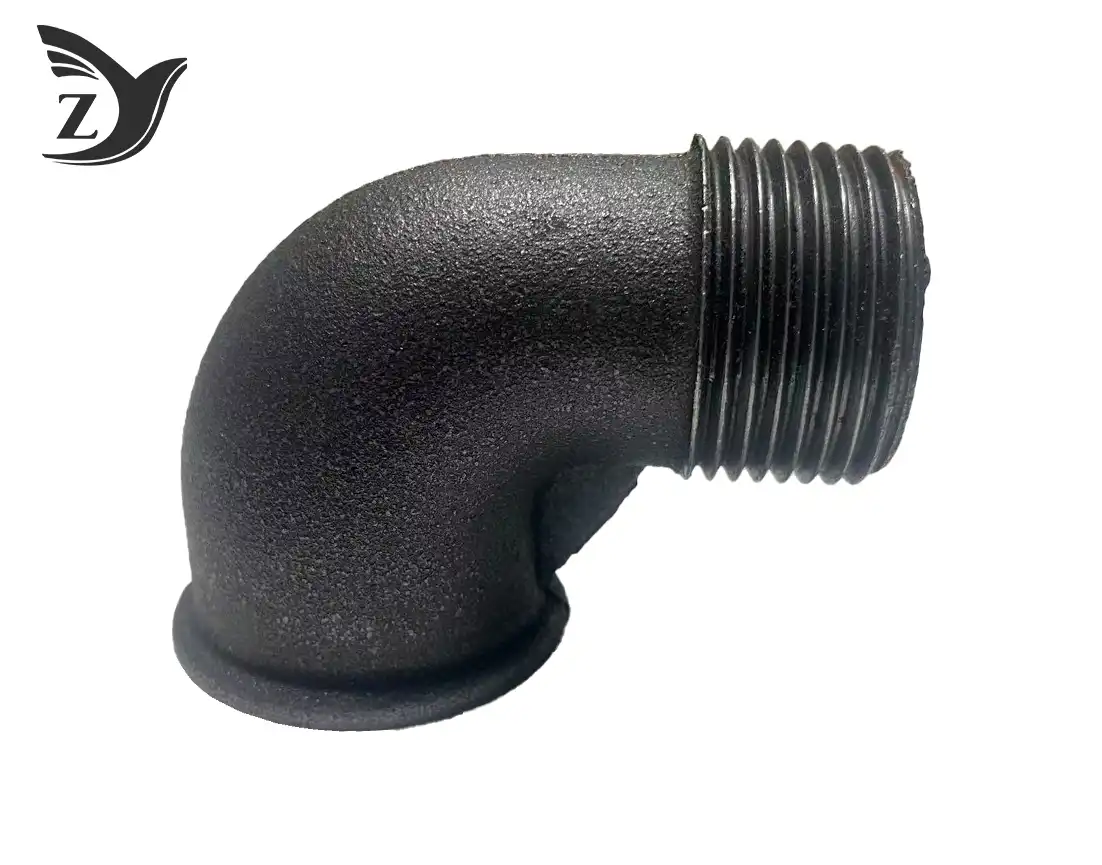
Core Benefits of Hot-Dip Galvanized Round Edge 90° Elbows for Corrosion Resistance
Superior Protection Against Environmental Degradation
The way zinc reacts with electricity makes these connections resistant to rust. When zinc is exposed to air and water, it corrodes faster than the iron underneath, giving up its own protection to keep the iron safe. This galvanic protection keeps working even if the covering gets a few small scratches or other damage while it's being put on. Independent tests show that hot-dip galvanized round edge 90° elbows can last 50 years or more in normal weather conditions without corroding much, while black steel that isn't protected can only last 5 to 10 years.
Marine settings and sites near the coast are especially tough because salt spray speeds up rust rates by a huge amount. Ions of chloride can't get through these elbows because they have a thick zinc covering. The zinc layer stays stable across the pH ranges found in most water treatment and process uses, which is also good for industrial sites that deal with chemical exposure. Fire protection companies that build outdoor sprinkler systems have seen upkeep costs drop by more than 60% when they choose galvanized fittings over black steel ones.
Extended Service Life and Reduced Maintenance Costs
Lifecycle cost study always favors zinc fittings, even though they cost more at first. Every 8 to 12 years, a local water authority has to replace corroded black steel elbows. This costs money for the materials, the work, the time the system is down, and the water damage that could happen from leaks. If you switch to hot-dip galvanized parts that last 40 to 50 years, you won't have to repair them as often. The round edge support makes it even more reliable by stopping mechanical failures that usually happen before rust gets bad.
Here are the main ways that these fittings help the economy:
Reduced Replacement Frequency: The long-lasting zinc finish stops the corrosion-related failures that force parts to be replaced too soon in tough settings. Engineering records from power plants show that hot-dip galvanized round edge 90° elbows have been used successfully for more than 30 years in cooling water systems where steel that wasn't protected would have failed in just ten years.
Lower Inspection Costs: Because galvanized systems break down more slowly and reliably, repair teams can wait longer between inspections. The zinc coating's state makes it easy to see how much service life is left, unlike painted surfaces that may hide rust until they fail catastrophically.
Minimized System Downtime: Unplanned system downtime for emergency fixes costs factories thousands of dollars an hour in lost work. Choosing high-reliability parts like galvanized elbows lowers the chance of sudden breakdowns that require system shutdowns. This is especially helpful in industries that use continuous processes.
These benefits make it a great deal for wholesalers and building companies that are in charge of many projects. The reliability factor is very important for sites that are far away and hard to reach for upkeep. The longer service times that these valves offer are especially helpful for offshore platforms, rural water systems, and mechanical installations on roofs.
Performance Advantages in Extreme Conditions
Changing temperatures can be hard on pipe systems because they cause things to expand, contract, and condense. Hot-dip galvanized round edge 90° elbows keep their protective structure from -20°F to 150°F (-29°C to 65°C), which is a wide range that covers most commercial uses. The metal link between zinc and iron keeps the coating from coming apart during thermal cycles, which is a typical way for mechanically applied coatings to fail. Steam condenser systems, which go through many heating and cooling cycles, show how useful this steadiness is by working without leaks for decades.
Technical Comparison and Decision Criteria for B2B Procurement
Galvanized Versus Alternative Materials
People who work in procurement often compare hot-dip galvanized round edge 90° elbow to covered carbon steel and stainless steel. Fittings made of stainless steel don't rust and cost three to five times more than coated ones. For uses where protecting against rust is important but money is tight, coated parts are the best value. In normal water service settings, the performance gap gets much smaller, and both materials last for many decades.
Black steel that has been coated with cement or powder is often 20 to 30 percent less expensive at first than painted steel of the same size. But the stability of the coating relies only on how well the surface is prepared and how evenly it is applied. Any breaks (gaps) in the layer, scratches from handling, or damage from threading processes can all lead to rust starting points. When it comes to real-world installs, where perfection is hard to maintain, the fact that galvanized protection can fix itself means that zinc keeps covering even damaged areas.
Round Edge Versus Plain Edge Design
The beaded (round edge) form meets certain technical needs that make it a good choice for tough situations. For tapered threads to seal properly during fitting, techs must apply a lot of pressure. With plain edge fittings, this stress is concentrated around the hole, causing hoop stress that can break the casting. The round edge spreads these forces over a bigger cross-section, which lets the right amount of tightening happen without breaking the mechanism.
Because of how fluids move, round edges are also better for building. The strengthened collar keeps its round shape under pressure, which reduces the amount of turbulent flow at the elbow joint. The difference in flow efficiency isn't very big between fits on their own, but when you add up the effects of hundreds of direction changes in large systems, you can see them. When designing an HVAC system for a pressure-sensitive purpose, beaded elbows are often used to get the best performance while keeping the structure strong.
Evaluating Supplier Certifications and Quality
Certifications show that the standard of the making and the materials used are acceptable to a third party. If a supplier has ISO 9001 certification, it means they have written quality control methods that cover the whole production process. When pipe fittings come into the U.S. market, UL and FM (Factory Mutual) labels show that the goods meet safety standards for certain uses, like fire protection systems. The CE mark means that the product meets European standards for health, safety, and the environment.
In addition to credentials, buyers should look at how well a maker can test and how much they can make. Suppliers who use more than one medium-frequency electric kiln with controlled melting methods make materials with more regular qualities than smaller businesses. Being able to give mill test results, physical inspection data, and measures of coating thickness shows that you care about quality. Companies like Zhiyuan Malleable Steel, which can make 30,000 tons of steel every year and has been in business for decades, offer supply chain stability that smaller sellers can't match.
Procurement Insights and How to Source Hot-Dip Galvanized Round Edge 90° Elbows
Understanding Market Pricing Dynamics
Prices for fittings are affected by the costs of raw materials like zinc and iron ore, which change based on world supply and demand. Most of the time, galvanized parts cost 30 to 50 percent more than similar black steel products but a lot less than similar stainless steel products. Most industrial uses are covered by sizes ranging from 1/2-inch to 6 inches in diameter, and prices go up or down nearly proportionally to weight. When you buy in bulk, you can save money because of economies of scale. Usually, orders of 1,000 pieces or more get savings of 10 to 20 percent.
Lead times depend on the details of the order and the amount of stock that the seller has on hand. Standard NPT fitting sizes are often kept in stock and can be shipped right away. On the other hand, BSPT configurations or custom sizes may need 4 to 8 weeks to be made. Building ties with providers and keeping a lot of inventory on hand helps project managers keep their schedules on track. Companies that offer customization can change standard goods to fit specific needs, but they usually have minimum order amounts for custom work.
Navigating International Sourcing and Compliance
When buyers go abroad, they have to deal with different quality standards and approval needs. Hot-dip galvanized round edge 90° elbows that are going to be used for fire safety in the U.S. need to be approved by FM or listed by UL. On European markets, EN 1562 material guidelines and EN 10242 galvanize requirements are often given. Reliable foreign suppliers know about these changes and can provide the right paperwork.
Some logistics issues to think about are shipping methods, import taxes, and coordinating deliveries. Large orders can be shipped cheaply by container, and the trip from Asia to the U.S. takes 4 to 6 weeks. Air freight speeds up arrival to one to two weeks, but it costs a lot more. Working with companies who know how to ship, like Zhiyuan Malleable Steel, which has been doing business abroad for a long time, makes customs clearance easier and makes sure that all the right paperwork is filled out.
Building Strategic Supplier Relationships
Developing relationships with dependable makers is an important part of successful procurement that goes beyond simple purchases. Communication responsiveness, professional help availability, and the ability to adapt to changing project needs are all important relationship factors. Suppliers who give engineering help can help you choose the best products for your needs, which could save you money or make your goods work better.
When quality stays the same across multiple orders, it's easier to trust that the supplier is making good products. Risk can be reduced by asking for samples to try and evaluate before making big purchases. Suppliers who are ready to give tours of their factories and process documents show that they are honest, which is a sign of trust. Manufacturers who care about quality protect buyers from major problems by offering new guarantees for broken items.
Conclusion
Hot-dip galvanized round edge 90° elbow protect against rust very well and are very reliable for industrial pipe systems in a wide range of situations. For better performance in harsh settings and longer life, fittings with a sacrificial zinc covering, strengthened beaded design, and precision-threaded connections are better than others. The people who work in procurement can improve the performance of their products by learning about the technical specs, fitting needs, and buying strategies for these parts. As infrastructure projects focus more on making things last longer and requiring less upkeep, galvanized malleable iron fittings are a tried-and-true option backed by decades of field performance data and ongoing manufacturing innovation.
FAQs
Why do hot-dip galvanized elbows resist corrosion better than coated alternatives?
When you hot-dip galvanize something, the zinc and iron base form a metallurgical link that forms multiple protective layers that can't come off. A coating that is 70 to 100 microns thick is much thicker than painted or powder-coated finishes. Even if it gets scratched, the galvanized surface protects open areas from starting to rust, which is something that mechanical coats can't do.
Are these fittings suitable for acidic or marine environments?
Fittings that are galvanized work well in most industry settings and some naval settings. Typical water and earth conditions cover a pH range of about 6 to 12. The zinc coating can handle these circumstances. Marine environments with a lot of salt spray may need extra safety steps, but coated parts still perform much better than steel that isn't protected. Chemical process uses should check to see if they are compatible with the chemicals they will be working with.
How can I verify supplier quality and certification?
You should ask for copies of the ISO 9001 quality management certification and any application-specific approvals, such as UL, FM, or CE marks that are important to your market. Ask for mill test results that list the materials used and how thick the layer is. Reliable providers offer data on dimensional inspections and can set up tests by a third party if needed. Tours of factories are a great way to learn about how to control the quality of production.
Partner with Zhiyuan Malleable Steel for Superior Galvanized Fittings
With high-quality hot-dip galvanized round edge 90° elbow manufactured to international standards, Zhiyuan Malleable Steel is prepared to assist you with your buying needs. We have been making for 26 years and can make 30,000 tons of steel each year, so we can reliably serve projects of any size. We keep a large stock of NPT and BSPT setups in standard sizes, which lets us send quickly—often within two hours for in-stock items. With UL, FM, and CE certifications along with ISO 9001 certification, you can be sure that the quality will always meet the highest standards.
We know how important it is for structures to be strong and not rust because we make hot-dip galvanized round edge 90° elbows for fire protection companies, city contractors, and industry facilities all over the world. Our expert team can help you figure out the best solutions for your needs, whether you need standard goods or OEM configurations that are made just for you. Our double-layer cardboard packaging keeps your investment safe while it's being shipped, and our policy for replacing broken products shows that we care about making our customers happy.
Contact our expert team at q1236800000@gmail.com to discuss your requirements, request technical specifications, or arrange sample evaluation. Visit zymalleablepipefitting.com to explore our complete product portfolio and discover how our malleable iron pipe fittings can enhance your project's performance and longevity. We welcome the opportunity to become your trusted supplier for corrosion-resistant piping components.
References
- American Society for Testing and Materials. "ASTM A153/A153M: Standard Specification for Zinc Coating (Hot-Dip) on Iron and Steel Hardware." ASTM International, West Conshohocken, PA, 2021.
- American Society of Mechanical Engineers. "ASME B16.3: Malleable Iron Threaded Fittings, Classes 150 and 300." ASME Standards Committee, New York, NY, 2020.
- Porter, Frank C. "Corrosion Resistance of Zinc and Zinc Alloys." CRC Press, Boca Raton, FL, 1994.
- Townsend, H.E. "Continuous Hot-Dip Coatings." ASM Handbook Volume 13A: Corrosion Fundamentals, Testing, and Protection. ASM International, Materials Park, OH, 2003.
- British Standards Institution. "BS EN 10242: Threaded Pipe Fittings in Malleable Cast Iron." BSI Standards Publication, London, UK, 2018.
- National Association of Pipe Coating Applicators. "Field Guide to Pipeline Coating Systems Performance and Longevity." NAPCA Technical Publication Series, Houston, TX, 2019.
Online Message
YOU MAY LIKE
High quality furniture manufacturer
NPT Black Flanged Plug Pipe Fittings
Fire Grooved Reducing Tee
NPT Black Square Face Male-Female 90° Elbow Pipe Fittings
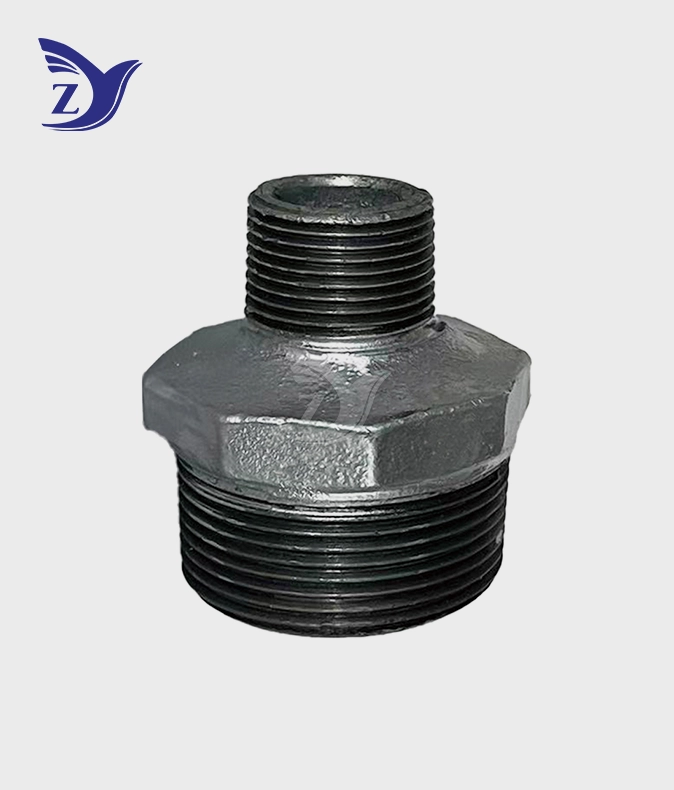
NPT Galvanized Reducing Male Nipple Pipe Fittings
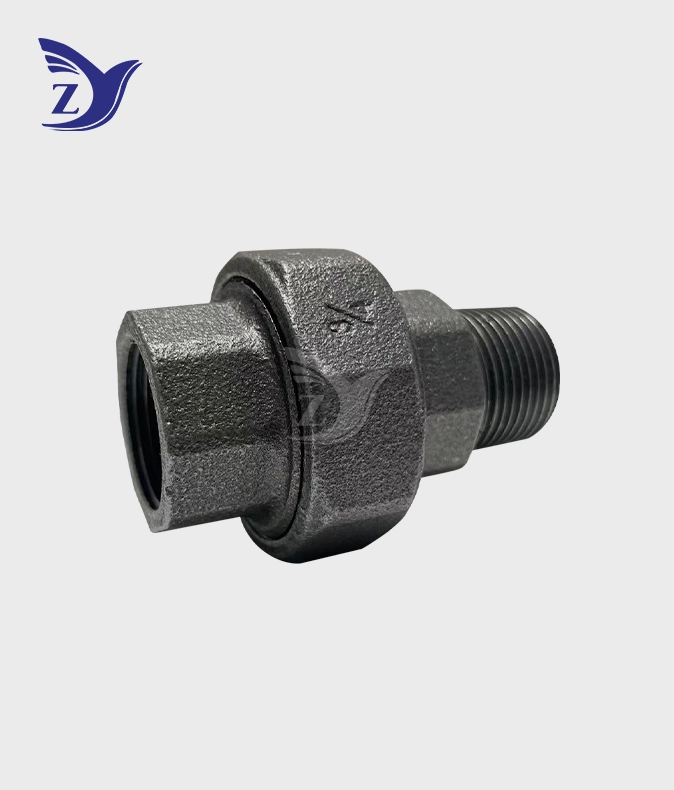
NPT Black Male-Female Union 343 Pipe Fittings
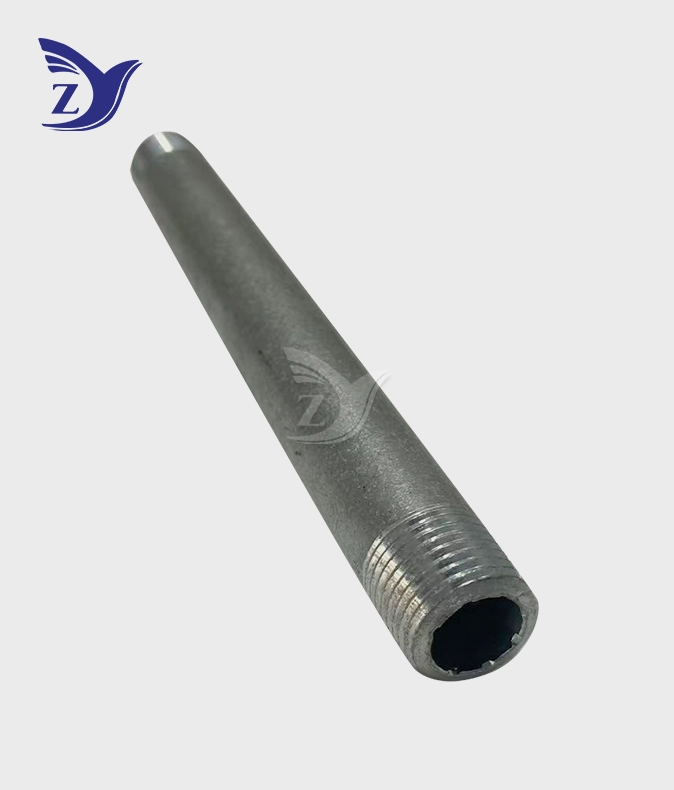
Carbon Steel Pipe Male Threaded Fittings Electro Galvanized
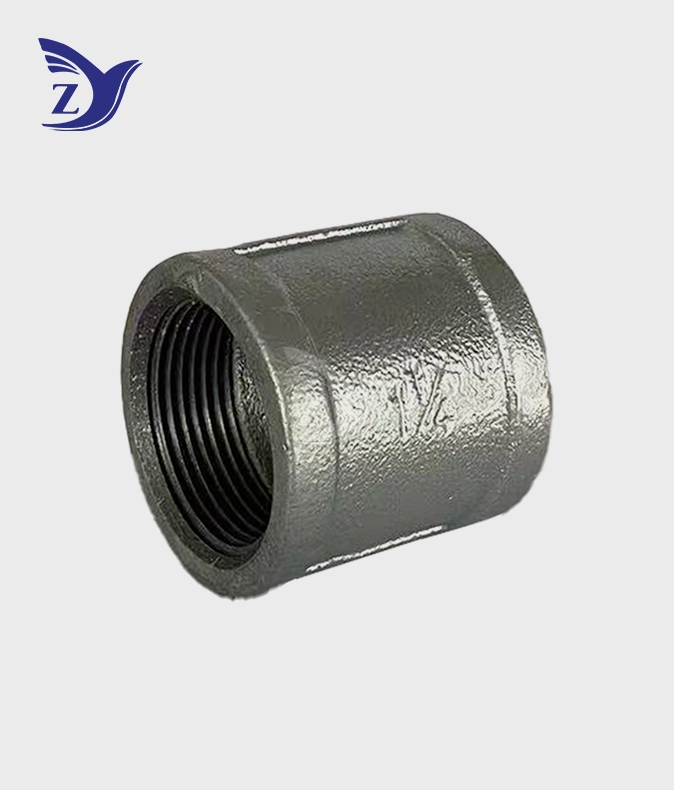
BSPT Square Face Galvanized Square Edge Coupling Pipe Fittings
NPT Black Union 340 Pipe Fittings