
Jul 13, 2026
All You Need to Know About NPT Galvanized 342 Union Malleable Iron Pipe Fittings
NPT galvanized union 342 pipe fittings are a specific type of removable pipe connectors made from malleable iron. They are easy to tell apart because they have a brass-to-iron seat design that keeps the joint from seizing up while they are being taken apart. Precision National Pipe Taper threading and a hot-dip galvanized finish make these industrial-grade fittings necessary for water, gas, and HVAC systems that need to be accessed regularly for upkeep. The "342" number refers to the brass ring insert that makes a better, more corrosion-resistant seal than regular iron-to-iron unions. This solves important problems in fire safety systems, public plumbing, and industrial process piping, where dependability and ease of use are key to success.
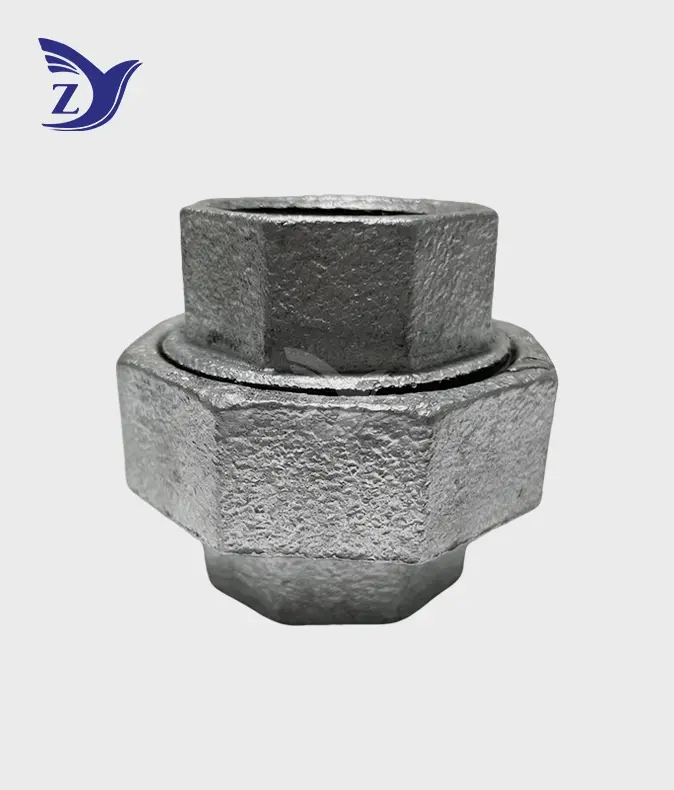
NPT Galvanized 342 Union Malleable Iron Pipe Fittings
The idea behind NPT galvanized union 342 pipe fittings was to solve a major problem in the industry: how to make pipeline breakpoints that can still be used after years of use. Traditional iron-to-iron welds often corrode together, which means they have to be taken apart in damaging ways that damage the structures around them. This problem is solved by the 342 union's designed brass seat contact.
What Makes the 342 Configuration Unique
The main difference between the unions in Figure 342 and Figure 340 is the type of material used for the seats. Inside the female end, the closing surface against the male iron face is made by a precisely ground brass ring. This matching of metals that are not the same stops galvanic welding, which happens when two identical metals slowly join at the molecular level when they are under pressure and moisture. The brass insert doesn't respond with anything, even in damp places where iron chairs would rust and stick together forever.
The body is made of malleable iron, especially black heart malleable iron with a ferritic texture. In this casting method, white cast iron is heated in controlled atmospheres. This changes the rigid carbon structures into nodular forms that make the iron flexible without lowering its strength. The final product is better at handling mechanical shock and shaking than gray iron options, which are important in pump rooms and when installing mechanical equipment.
Technical Specifications and Standards Compliance
Every measurement and performance trait is controlled by manufacturing standards. The union sizes, tolerances, and pressure values are set by ASME B16.39, and the qualities of malleable iron are set by ASTM A197. The NPT galvanized union 342 pipe fitting is made according to ASME B1.20.1 standards and has a 1°47' taper angle that makes an interference fit seal when put together correctly.
Pressure values usually meet Class 150 standards, which means 300 psi of service for water, oil, and gas at room temperature and 150 psi of full steam. At higher temperatures, these numbers become less accurate. The highest temperature at which they can be used continuously is 350°F to 400°F, based on the limitations of the thread sealant. There are sizes available from 1/4 inch to 6 inches in nominal pipe sizes, which is more than enough for most industry and business uses.
Zinc coatings that meet ASTM A153 standards are used in the hot-dip galvanization process. The normal covering weight is at least 610 grams per square meter. This is thicker than 86 micrometers, so it acts as a sacrifice for security because the zinc rusts faster than the base iron. This makes it last longer than twenty years in normal weather circumstances.
Primary Application Contexts
Fire protection system designers depend on these unions to be in key places in sprinkler networks. Building rules often say that connection places must be easy to get to in case changes need to be made or testing equipment needs to be attached. The galvanized finish protects against the corrosion that happens inside dry pipe systems when water sits still, and the brass seat makes it possible to take the system apart for changes decades after it was installed.
NPT galvanized union 342 pipe fittings are used in pump discharge lines and filtering pipes at municipal water treatment plants. Maintenance windows are cut from hours to minutes when pumps or instruments can be taken out without cutting parts of pipe. Enhanced corrosion protection is especially helpful for sites near the coast, where salty air would quickly wear down areas that aren't galvanized.
These unions are what HVAC workers use to connect boilers and distribute cold water. When temperatures rise, rigid links are put under a lot of stress. However, the brass-to-iron seat can handle different rates of growth better than materials that are solid. This stops the tiny moves that weaken seals over time in systems that go through daily temperature changes.
Benefits and Performance of NPT Galvanized 342 Union Pipe Fittings
Operational benefits go beyond simple link functions; they affect the total cost of ownership figures that determine purchases. By using lifecycle value analysis to understand these performance traits, tech teams can defend higher starting costs.
Corrosion Resistance and Longevity
The zinc covering protects against damage and acts as a sacrifice anode. When small damage to the covering reveals the base metal, the zinc around it corrodes first, leaving behind zinc salts that seal the hole. This ability to fix itself makes galvanized fittings different from painted or treated ones, where any crack speeds up localized failure.
Testing against black iron shows that it has measurable benefits. According to ASTM B117, rapid salt spray testing shows that galvanized unions keep their structural integrity for more than 1,000 hours, while black iron shows a lot of material loss in just 200 hours. In industrial settings, field setups usually last longer than 25 years, while black iron versions need to be replaced every 8 to 12 years in the same conditions.
The metal seat adds another layer of protection against corrosion at the important sealing contact. Brass metals don't dezincify and stay the same size in pH ranges from 6.5 to 8.5, which is the range of pH values found in potable water and industrial fluids. This steadiness makes sure that the seal works even if the iron body around it oxidizes slightly on the outside.
Maintenance Accessibility
Being able to disassemble something directly leads to lower downtime costs. Think about a city pump station where the pump has to be taken out to change the seal. When welded or threaded connections don't have unions, workers have to drain large sections of pipes, cut pipes, make repairs, re-thread or weld connections, test the pressure, and fill the systems back up. This process takes at least six to eight hours of work.
By putting NPT galvanized union 342 pipe fittings in key spots, the same repair window can be cut down to less than 90 minutes. The brass seat stops the "frozen joint" problem that often happens with figure 340 unions, which happens when techs have to use heat, impact tools, or cutting to fix the problem, which is not what the union was meant to do. These time savings are repeated by facilities that do regular maintenance every three months, which adds up to cost savings over the lifetime of the asset.
Cost-Effectiveness Analysis
Because of the cost of materials, galvanized 342 unions are slightly more expensive than black iron unions but much less expensive than stainless steel options. When compared to all-iron building, the brass seat adds about 15 to 20 percent to the cost of production. However, this investment stops the total link loss that happens when iron chairs corrode together.
Stainless steel joints don't rust, but they cost three to four times as much as other materials. When hundreds of unions are installed across process systems in industrial sites, the difference in cost gets big. Galvanized 342 unions work 85–90% as well as stainless steel ones but cost only 40% as much. They are the best deal for moderate corrosion conditions.
In the real world, petroleum plants checked the reliability of connections made from different materials every five years. 32% of the places where black iron pipes were put needed work because they were corroding. This went down to 7% when 342 unions were galvanized, and most of the fixes were for damage to the finish on the outside rather than problems with how they worked. Stainless joints only had a 3% intervention rate, which shows that the extra cost is rarely worth it unless the climate is very harsh chemically.
Installation Guide for NPT Galvanized 342 Union Pipe Fittings
Using the right construction method has a direct effect on the system's long-term dependability and trustworthiness. These steps are in line with best practices in the business and protect the galvanized layer that stops corrosion.
Pre-Installation Preparation
Check all of the parts before putting them together. The quality of the thread affects how well the lock works, so check both the male and female threads for damage, cross-threading, or other foreign objects. Sometimes manufacturing burrs stay on the thread crests. Use a wire brush to remove these instead of files, which could change the thread profiles. The brass seat should fit snugly and flush inside the female end, with no gaps or movement that could show that it wasn't installed correctly during production.
Instead of physically testing the fit, use pipe thread testers to make sure the sizes are compatible. Working gauges NPT L1 and L2 make sure that the thread sizes meet ASME standards. The male thread should be hand-tightened into the gauge until it is within one turn of the mark. Threads that move too freely or get stuck too soon are out of range and need to be replaced before they can be installed.
Remove cutting grease, metal shavings, and rust products from the ends of the pipes by cleaning them well. If contaminants get stuck in the threads, they make the sealer less effective and may even score the brass seat during assembly. Before adding thread sealants, use a clean solvent and let it evaporate all the way. Any remaining water will stop the sealants from sticking properly.
Assembly Techniques and Torque Specifications
Which thread sealer to use varies on how the thread will be used. For water and air service, PTFE tape is still the most popular choice. It is wrapped three to four times, clockwise (viewed from the pipe end), so the layers meet. To keep stuff from getting into the pipe opening and contaminating parts or instruments further down the line, start the tape one thread back from the end.
Pipe dope formulas are better for uses that handle gas and have a lot of vibration. Only cover the male threads with a thin, even layer; avoid the first thread again to keep the hole clean. Modern pipe dopes have PTFE particles mixed in with carrier substances that smooth out thread flaws and keep things moving smoothly during assembly.
Tighten the link by hand until you feel strong resistance, which means the taper threads are properly engaged. This usually happens three to four turns after finger-tight. Use tools to finish the assembly, making sure to place them correctly so as not to damage the zinc coating. Place one wrench on the hex flats of the union body and the other on the pipe or fitting that needs to be joined. Never place either wrench on a threaded section, as tool marks can damage the finish.
Specifications for torque depend on the size, but as a general rule, for sizes up to 1 inch, add 1 to 2 turns on top of hand-tight, and for sizes above 1 inch, add 2 to 3 turns. When you over-tighten, the threads get twisted and the pliable iron body may crack. When you under-tighten, there are holes that let leaks happen even when sealant is present. It is recommended that the brass seat be pressed down equally. This will create a metal-to-metal seal that PTFE tape or pipe dope should not replace.
Common Installation Challenges
Cross-threading happens when the first threads are engaged at the wrong angles. Because the NPT galvanized union 342 pipe fitting shape is tapered, this is a big problem because the mismatch gets worse with each turn. To avoid this, you need to carefully align the union while hand-starting and make sure it turns easily without binding. If you run into pushback in the first two turns, you should back out and start over instead of pushing the assembly together.
Corrosion starts where coating harm from bad tool use happens. Pipe tools with sharp teeth can damage coating, so they should never be used on finished surfaces. When standard wrenches need to grip the body, use smooth-jaw wrenches or put protective wrapping around it. Touch-up coating fixes with zinc-rich paint take care of small damage right away, stopping moisture from getting in and causing rust that weakens the surrounding coating.
Temperature affects when to put something. When you put unions on hot pipes, the threads get bigger, and then they get smaller as they cool down. This may make links less secure that seemed tight when they were first installed when they were warm. Let the pipes cool down to room temperature before tightening them all the way, or plan to do it again after the first thermal cycle if your working schedule doesn't allow for cooling before installation.
Conclusion
In conclusion, NPT galvanized union 342 pipe fittings are important for industrial plumbing systems because they are made with a brass-seated design that keeps the joints from seizing up and keeps the seals tight for decades of use. These fittings are perfect for fire protection, city water systems, and industrial process pipe that needs to be easy to reach for upkeep because they are made of malleable iron, are galvanized to protect against corrosion, and have precision NPT threading. The success of the selection process relies on how well the pressure rates, environmental conditions, and fluid compatibility match the needs of the application. Buying strategies should weigh unit costs against the total lifecycle value, which includes how well the installation works and how reliable it is over time. Supply chain stability for important building projects is achieved by working with qualified manufacturers who offer full expert support, enough output capacity, and quality systems that have been proven to work.
FAQs
What are the benefits of 342 unions over models in Figure 340?
With 342 unions, the brass-to-iron seat design stops the rust bonding that often happens with 340 types that use iron-to-iron seats. This difference in design makes it possible to disassemble the part reliably, even after years of use in damp places, and the brass contact seals better across temperature changes.
Is it okay for galvanized joints to link to black iron pipes?
Mixing galvanized and black iron parts in wet systems speeds up galvanic rusting at connection points where different coats meet, even though the parts are physically compatible. This electrochemical process breaks down the zinc coating near the joints, which means it won't last as long as regular material systems.
How can I be sure that the quality my sources offer is real?
Ask for material test results that show they meet ASTM A197 standards, coating thickness readings that meet ASTM A153 standards, and pressure test certificates that show they were tested pneumatically at the recommended pressures. Manufacturers with a good reputation give a lot of paperwork, like measurement reports and approvals from outside certification bodies, such as FM or UL ratings.
What temperatures do these parts not work in?
Iron bodies that can be shaped can survive temperatures up to 400°F, but their usefulness is limited by the type of thread sealant used and the amount of pressure lost at high temps. Class 150 unions keep their full pressure ratings up to about 150°F. At higher temperatures, ASME B16.39 rules say that the ratings must be lowered gradually.
Partner with Zhiyuan Malleable Steel for Your Pipe Fitting Requirements
Zhiyuan Malleable Steel has been casting for 26 years and can make 30,000 tons of threaded unions every year for fire protection contractors, local engineering firms, and industrial site managers who need reliable unions. The factory we work in in Shanxi Province follows ISO 9001 quality standards and makes galvanized 342 bendable unions that have CE, UL, and FM certifications and meet the strictest project requirements. We keep a lot of stock on hand, so we can send standard sizes in just two hours. Our ODM/OEM services also let us create personalized solutions for unique uses. Your investment is protected by a full guarantee and a policy for replacing any defects. Technical support teams are also available to help you choose the right specifications and install the product. Email our team at q1236800000@gmail.com to talk about your project needs, get full specifications, or get bulk prices for an upcoming purchase. You can look at our whole selection of products at zymalleablepipefitting.com and learn why top builders choose Zhiyuan as their preferred NPT galvanized union 342 pipe fittings supplier.
References
American Society of Mechanical Engineers. (2018). Pipe Unions and Malleable Iron Threaded Fittings: ASME B16.39. New York: ASME Standards.
ASTM International. (2019). Standard Specification for Cupola Malleable Iron: ASTM A197/A197M. West Conshohocken: ASTM International.
ASTM International. (2020). Standard Specification for Zinc Coating (Hot-Dip) on Iron and Steel Hardware: ASTM A153/A153M. West Conshohocken: ASTM International.
National Fire Protection Association. (2021). Installation of Sprinkler Systems: NFPA 13. Quincy: National Fire Protection Association.
Stewart, H. and Morrison, J. (2017). Piping Systems Manual: Design, Installation and Maintenance Practices. New York: McGraw-Hill Professional.
Woodson, R. (2016). Plumbing Installation and Repair: Professional Techniques for Commercial and Residential Applications. New York: McGraw-Hill Education.
Online Message