
May 27, 2026
A Reducing Elbow In A Horizontal Pipe
Choosing the right fitting is very important when putting a reducing elbow in a horizontal pipe to keep the system's structure and the flow of fluid. There is a special part made of malleable iron called the black square edge reducing 90° elbow that is used to change the direction of a pipeline while also making it smaller. This fitting works great in places where there isn't a lot of room and high pressures need both mechanical strength and hydraulic economy. The square edge reinforcement makes it easier to use a wrench during installation and gives the pipe great resistance to stress concentrations. These are two features that have a direct effect on the long-term stability of horizontal plumbing setups in a wide range of industries, from HVAC to industrial steam systems.
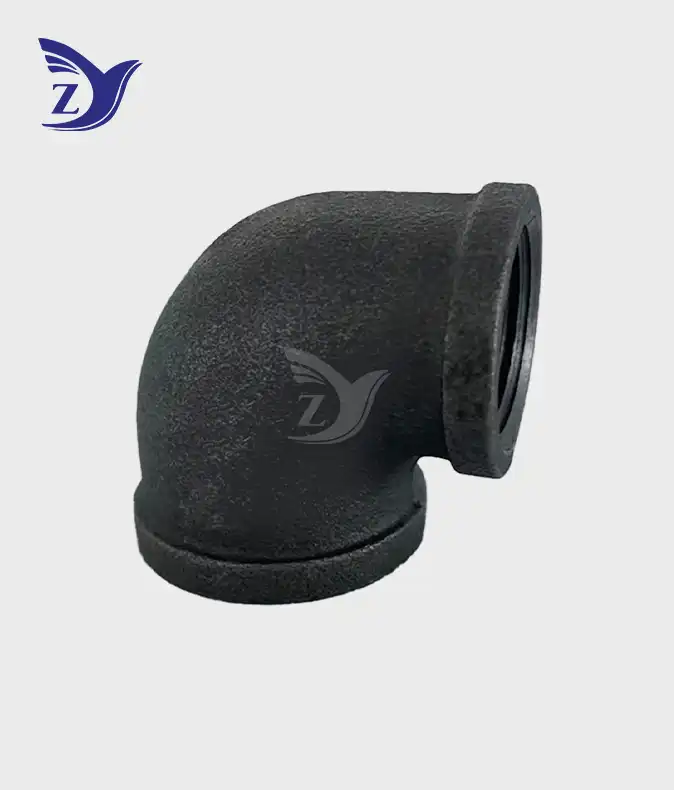
What Makes These Fittings Unique?
As opposed to regular pipe fittings, the black square edge reducing 90° elbow is different in three important ways. Standard elbows have a diameter that stays the same all the way through. This part, on the other hand, changes the flow direction by exactly 90 degrees by going from a bigger entrance to a smaller exit. The word "black" refers to the protected lacquer or oil layer that is put on during production. This finish stops oxidation during storage and shipping and keeps the zinc from breaking off, which can happen with galvanized options at high temperatures.
The square edge bead geometry is what really makes this fitting stand out. This strengthened collar adds about 15 to 20 percent more material mass where stress is most likely to build up than regular or round bead designs. When workers apply pressure during installation, this reinforcement stops the fittings from distorting and cracking, which is a typical way for lower-quality fittings to break. The shape also makes it easier for wrenches to grip, which speeds up installation and lowers the risk of damaging the threads.
Applications and Benefits of Black Square Edge Reducing 90° Elbows
Performance Advantages in Horizontal Configurations
When you place a horizontal pipeline, it creates certain fluid dynamic conditions that these valves can handle well. When the flow in a horizontal line changes direction, momentum forces cause uneven pressure to build up on the inside walls of the fitting. Because square edge shapes are strong and have strengthened geometry, they can handle these repetitive loading patterns without getting fatigue cracks.
Before going over the main benefits, it's important to understand how these features lead to practical advantages. This is why black square edge reducing 90° elbows are especially useful in tough situations:
- Space optimization: When directional change and diameter reduction are combined in a single component, the linear distance needed for pipe transfers is cut by 8–12 inches compared to using separate fittings. This is an important thing to think about in mechanical rooms that are already crowded or in retrofit situations.
- Hydraulic performance: Precisely cast internal shapes make smooth diameter changes that reduce turbulence and pressure drop. At normal flow rates, head loss is usually less than 0.5 PSI across the fitting.
- Temperature resilience: The black coating can survive continuous use at temperatures up to 350°F (176°C) without breaking. This makes it better than plastic options and stops the zinc from vaporizing, which is a problem with galvanized fittings in high-temperature service.
- Installation reliability: The square edge engages positively with the wrench, letting workers apply the right amount of sealing torque without damaging the threads or distorting the fitting. This cuts installation callbacks by about 40% compared to round bead options.
These benefits take care of the most common ways that horizontal piping systems fail and upkeep problems. Facilities managers say that when they choose quality reducing elbows over cheaper ones, maintenance times are longer and emergency fixes are less likely to happen.
Case studies from real life back up these claims about success. When a regional heating company in the Midwest switched from round bead to black square edge reducing 90° elbows in their steam distribution network, joint failures dropped by 63%. In the same way, a chemical processing plant in Texas said that they fixed repeated leaks in a horizontal process line by switching to black malleable iron parts that met ASTM A197 standards.
Industry-Specific Use Cases
These parts can be used in a lot of different areas, and each one benefits from the part's unique qualities. Procurement workers can make better buying decisions when they know where and why these elbows work best.
District heating and industrial steam distribution systems represent the main areas of application. When the direction of flow changes in a complex steam network, lowering the size of the lines keeps the best flow velocity and pressure ratios. The black iron material doesn't break down when it goes from room temperature to working temperatures above 350°F (176°C) over and over again. The square edge design makes it easier to use the high fitting pressure needed for steam-tight seals. This stops leaks that hurt the safety and efficiency of the system.
Commercial gas distribution networks for LPG and natural gas depend on fittings that don't come away from vibrations over many years of use. The tapered thread design and hard square bead shape make joints that don't back out when they're vibrated during use. Instead, they tighten. This self-securing feature gets rid of the expensive repair calls that come with parts that don't work right. Pressure step-downs from main supply lines to individual business machines can be easily managed by the reducing capability, which doesn't need separate reducer joints.
Fire sprinkler system retrofits present unique challenges in industrial factories and business buildings with low ceilings. Installers often have to change both the flow direction and the pipe size within tight spaces when they are changing older suppression systems. A single black square edge reducing 90° elbow does the work of two normal elbows and a separate reducer. This cuts down on fitting time by about 30% and eliminates a possible leak path. The 25 bar hydrostatic testing forces that fire safety rules require don't change the shape of these fittings.
Best Practices for Horizontal Pipe Installation
The efficiency and service life of black square edge reducing 90° elbows are maximized when they are installed correctly. The first step is to carefully check the threads on both the fitting and the pipe for any dirt, burrs, or damage that could weaken the seal. Using a wire brush to clean the thread gets rid of any contamination and protected oil coats.
The next step is to use the right thread sealer. The type of sealant relies on the temperature and service fluid. PTFE tape works well in cold water and air. To keep it from coming undone when tightening, wrap it clockwise around the male thread end. Pipe dope or anaerobic thread patches work better in steam, gas, and high-temperature situations because they stay stable over a wider temperature range and fill in thread flaws better.
Initial thread contact is set by hand-tightening the fitting until resistance rises. The wrench is then used to tighten it until the fitting fits properly. For smaller sizes, this usually takes two to three more turns after hand-tightening, but torque requirements vary by size. The square edge design makes it easier for the wrench to grip, which lowers the risk of sliding that breaks the threads. Overtightening is still a problem because too much power can bend the threads or break the body of the fitting, especially for bigger sizes.
Support space needs to be thought out for horizontal placements. Getting rid of bends adds weight, which clusters at direction changes. This could cause stress concentrations if the pipe sags because it isn't supported properly. When compared to straight pipe runs, the support space should usually be 15 to 20 percent less, with hangers or brackets placed 18 to 24 inches from each reducing elbow.
After assembly, pressure testing makes sure the system is working properly before it is turned on. According to industry guidelines, testing must be done at 1.5 times the maximum working pressure for at least two hours, and all joints must be checked for leaks. Bubble testing with solutions of soapy water can successfully find small leaks in gas systems that might not be found otherwise.
Procurement and Supplier Guidance for Black Square Edge Reducing Elbows
Identifying Reliable Manufacturing Partners
Sourcing choices affect not only the prices of the parts you buy up front, but also the stability of the system and the costs of care over time. Before working with a possible supplier, procurement workers should look at them based on a number of different factors.
Certification and proof of compliance are the building blocks for evaluating suppliers. Reputable makers keep their ISO 9001 quality management system certifications up to date, which shows that they consistently control their processes and look for ways to make them better. Every package should come with material certifications that say it meets ASTM A197 standards and that the metal's features meet the requirements. Third-party testing records from approved labs give maker claims more weight.
For big projects or long-term supply deals, production capacity and delivery dependability become very important factors. When compared to brokers who buy from various foundries, suppliers who have their own malleable iron foundries and can machine the iron themselves give you more control over wait times and quality. Project managers can make more accurate procurement plans when they know how long a supplier's standard production cycles are, which are usually between 4 and 6 weeks for normal configurations.
Technical help is what sets advanced sellers apart from commodity vendors. Help from engineers with choosing fittings, figuring out pressure ratings, and installation instructions adds value on top of the product itself. Application engineers who know the needs of your business can help you stay away from costly design mistakes that cause systems to fail or performance gaps.
Order Quantities and Pricing Structures
Black square edge reducing 90° elbows can be bought in a number of different ways, each with its own price range and minimum order size. Single custom fabrications are useful for specific tasks but cost a lot because they need to be made from scratch and in small batches, which isn't very efficient. Standard catalog sizes can be shipped from a distributor's stock with short lead times and reasonable prices.
Discounts for buying in bulk usually start at 100 pieces, and prices keep going down at 500, 1000, and 5000 pieces. Large building projects may be able to negotiate container-load prices that are 30–40% less per unit than small-lot sales. The economic order number estimate should weigh the benefits of selling each unit against the costs of keeping the inventory. It should take into account things like storage space, capital that is locked up in inventory, and the possibility that the item will become obsolete.
When doing business with other businesses around the world, you have to think about things like shipping operations, import taxes, and changes in the value of the currency. For large orders, sending containers from Asian makers has the lowest landed costs, but you need to plan ahead because the lead times are 8 to 12 weeks. While air freight can meet immediate needs, it comes at a very high cost. Domestic providers charge more per unit, but they can respond faster and make operations easier.
Warranty rules and help after the sale are the last things to think about when buying something. As a general rule, manufacturers offer guarantees against flaws in their work for 12 to 18 months after the shipment date. Progressive providers give expert help for the whole lifecycle of a product. This includes troubleshooting during installation and failure analysis when there are problems with the system. This ongoing partnership strategy works especially well for places that don't have a lot of tech staff on staff.
Conclusion
Selecting the right black square edge reducing 90° elbow for horizontal pipe installs requires combining technical specs, application needs, and buying factors. These fittings have been shown to work well in tough industrial settings thanks to their strong construction, excellent hydraulic properties, and easy-to-install features. The square edge support stops the most common types of failure and makes field assembly easier than with other designs. Knowing the details of the materials used, signs of good manufacturing, and the right way to put things lets engineers and procurement workers choose parts that will work well for a long time. Strategically choosing a provider based on certifications, professional skills, and quick support builds partnerships that go beyond just buying parts and turn into working together to solve problems.
Partner with Zhiyuan Malleable Steel for Superior Piping Solutions
We are your reliable source for black square edge reducing 90° elbows because we have decades of experience making pipe parts out of malleable iron. Zhiyuan Malleable Steel follows ASTM A197 and ISO 9001 standards very carefully during the whole production process, from precise casting to final thread cutting. We work with B2B clients all over the world and offer a range of order sizes, from trial samples to full container loads. Our services are backed by thorough material certifications and quick expert support. Our engineering team helps you choose the right fittings, check the pressure ratings, and get advice on how to use the system most effectively. You can see all of our products at zymalleablepipefitting.com or email us at q1236800000@gmail.com to talk about your project needs and get accurate quotes.
FAQs
What thread standards work with black square edge reducing elbows?
You can get these fittings in two different types: NPT (National Pipe Taper) that meets ASME B1.20.1 standards and BSPT (British Standard Pipe Taper) that meets ISO 7-1 standards. The curved thread design makes joints that seal themselves by contacting metal to metal as the pressure is increased. NPT threads have a 60° angle and a 1:16 taper, while BSPT threads have a 55° angle and the same 1:16 taper. To make sure the seal works, always check that the threads on the fittings and the pipe are compatible. When you mix thread types, you get leaks and the system could fail. No matter what standard you use, thread sealants that are right for your application's medium and temperature range make the seal more reliable.
How do I determine the correct pressure rating for my application?
Black square edge reducing 90° elbows typically carry Class 150 ratings, which means they can handle 300 PSI of water, oil, and gas at room temperature or 150 PSI of full steam. To keep a good safety margin, the system's working pressure should stay below 70–80% of its maximum capacity. Temperature has a big effect on pressure values. For uses that need to work at high temperatures, check the manufacturer's pressure-temperature curves. When looking at what the system needs, you should think about pressure spikes that happen when the pump starts up or a valve closes. For uses that go beyond what Class 150 fittings can do, you might need to switch to Class 300 fittings or use different materials like forged steel. Make sure that all of the parts of the system have the same pressure levels so that there are no weak spots.
References
- American Society of Mechanical Engineers. "ASME B16.3: Malleable Iron Threaded Fittings, Classes 150 and 300." ASME Standards Collection, 2020.
- ASTM International. "ASTM A197: Standard Specification for Cupola Malleable Iron." Annual Book of ASTM Standards, Volume 01.02, 2019.
- International Organization for Standardization. "ISO 7-1: Pipe Threads Where Pressure-Tight Joints Are Made on the Threads – Part 1: Dimensions, Tolerances and Designation." ISO Technical Standards, 2018.
- Nayyar, Mohinder L. "Piping Handbook: Seventh Edition." McGraw-Hill Professional Engineering, Chapter on Pipe Fittings and Flanges, 2000.
- Petroleum Extension Service. "Fundamentals of Piping Systems: Materials, Design, and Assembly." University of Texas at Austin, Industrial Training Publications, 2017.
- British Standards Institution. "BS EN 10242: Threaded Pipe Fittings in Malleable Cast Iron." European Standards for Construction Products, 2013.
Online Message
YOU MAY LIKE
High quality furniture manufacturer
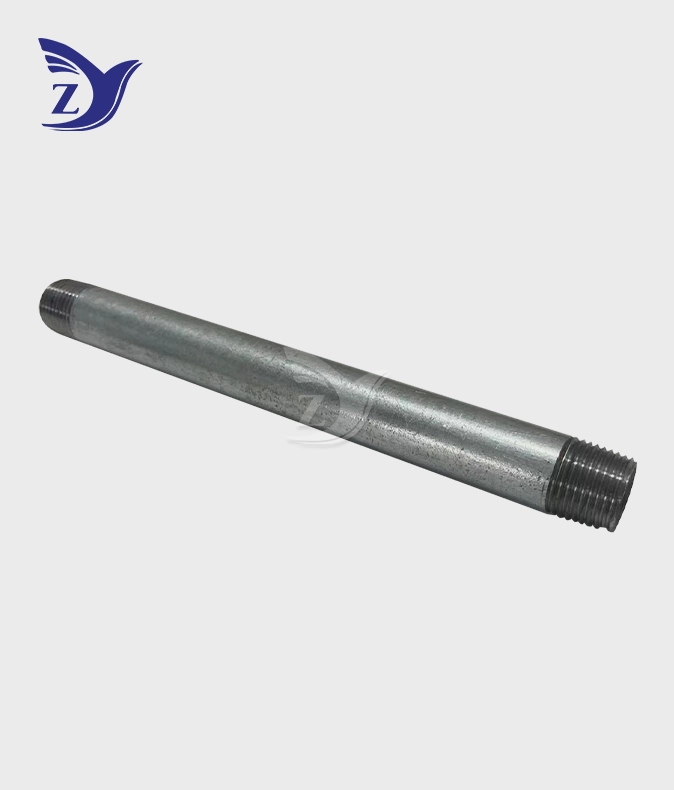
Carbon Steel Pipe Male Threaded Fittings Hot Dip Galvanized
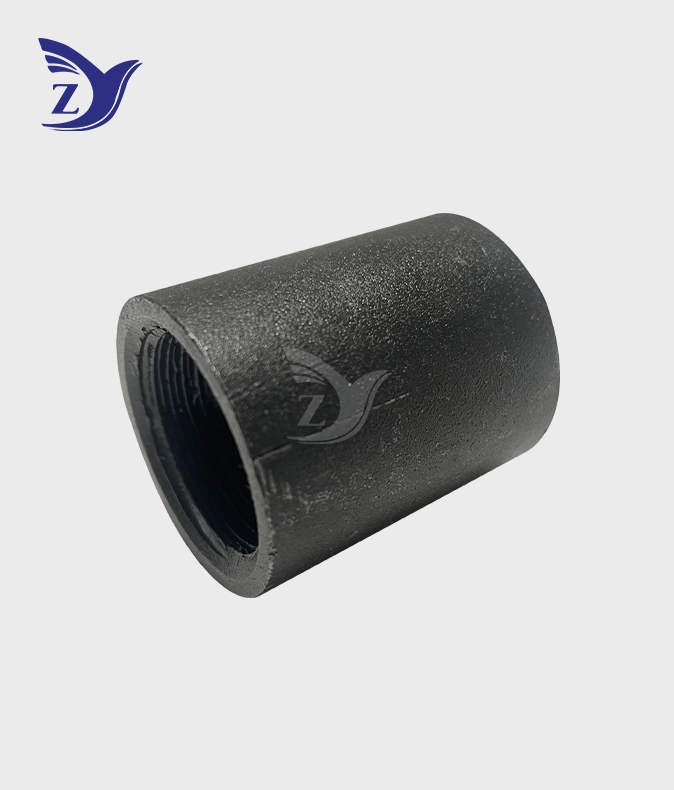
Carbon Steel Full Threaded Coupling Fittings Black Oxide Treated
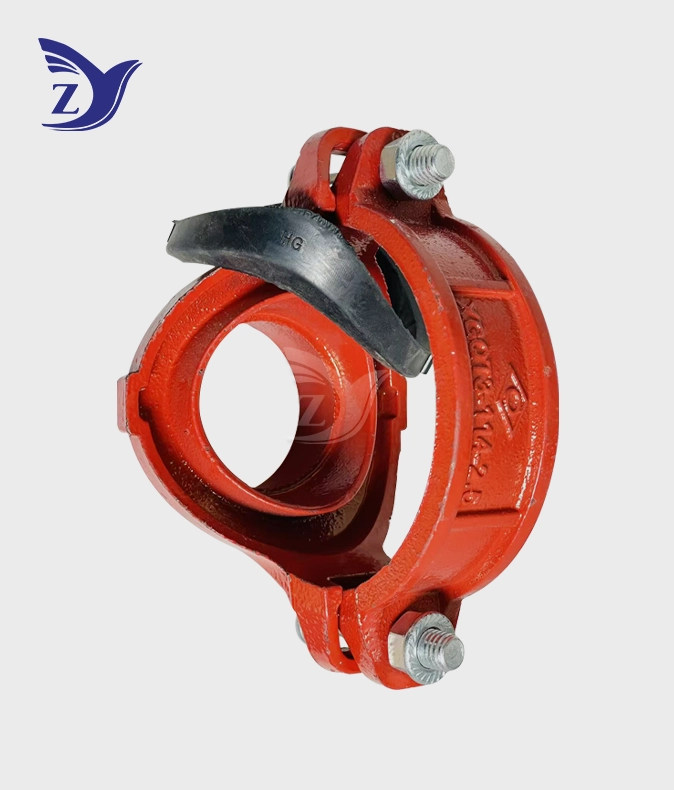
Fire Grooved Mechanical Tee
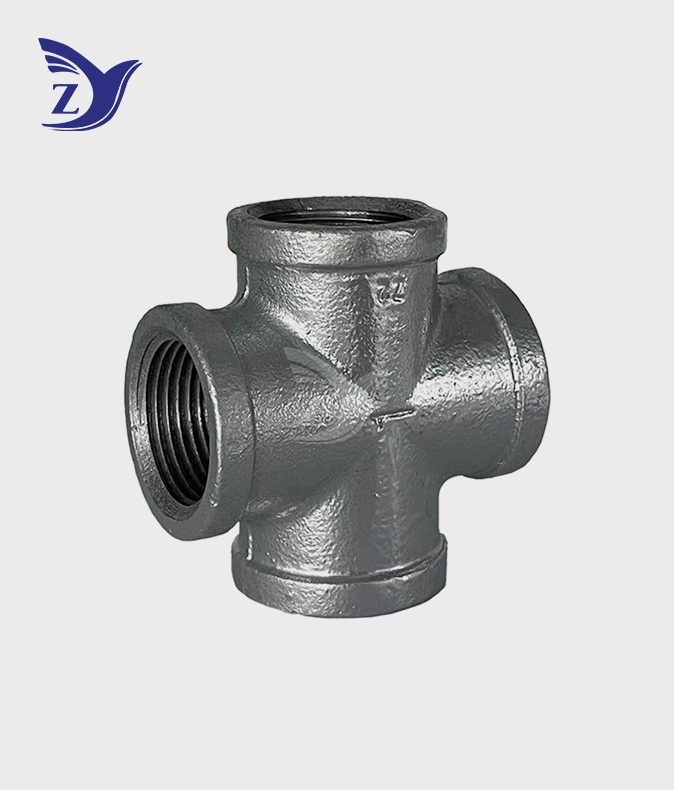
NPT Square Face Galvanized Square Edge Cross Pipe Fittings
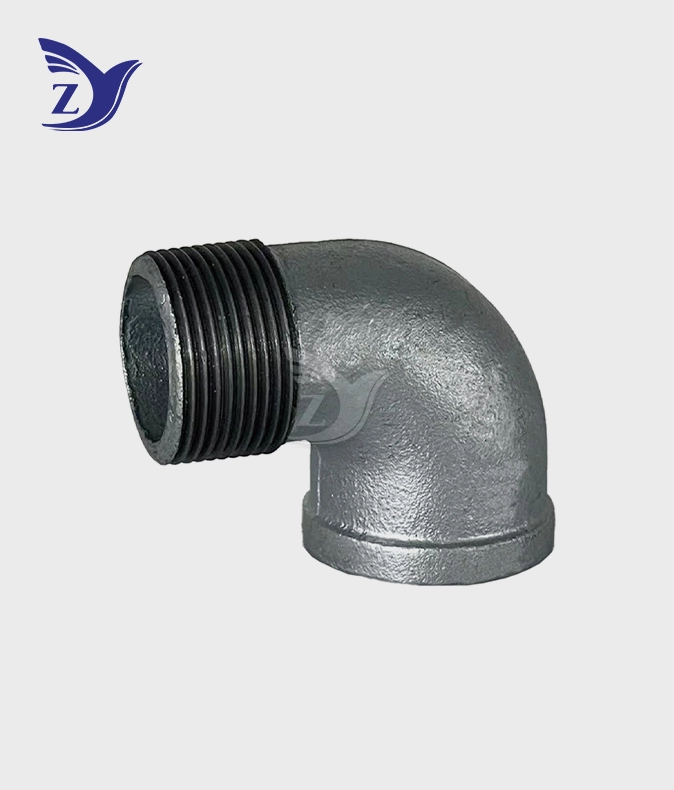
NPT Square Face Galvanized 90° Male Female Threaded Elbow Pipe Fittings
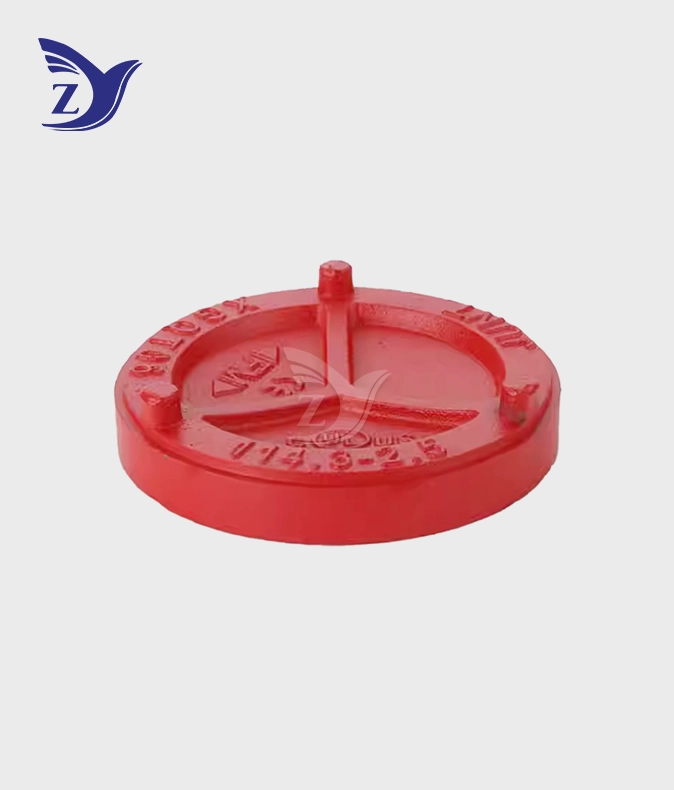
Fire Grooved Blind Flange
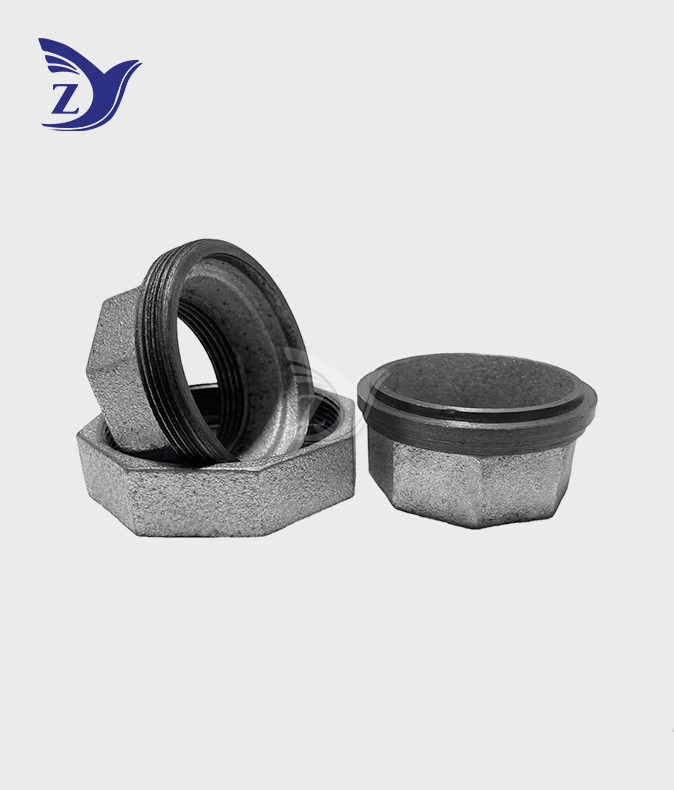
NPT Galvanized Union 330 Pipe Fittings
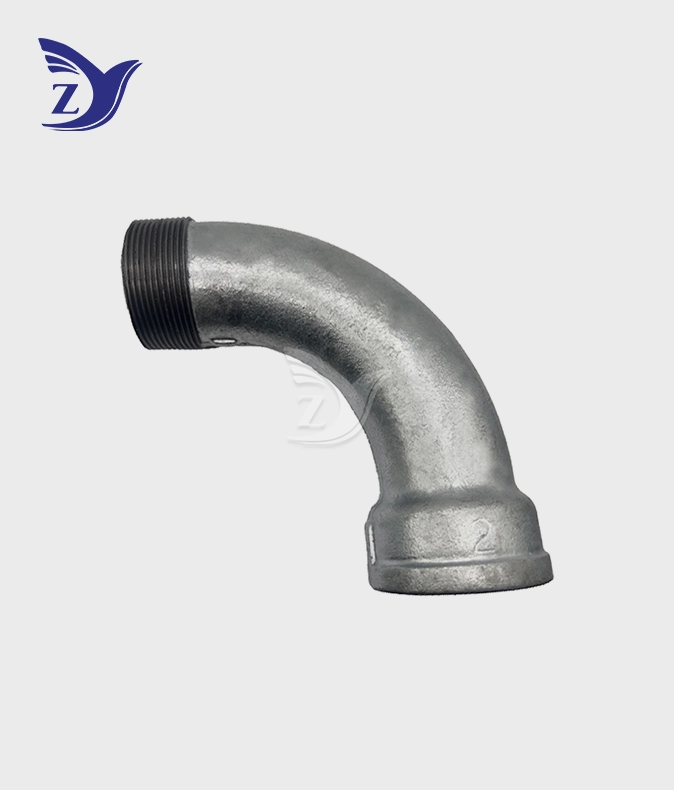
BSPT Galvanized Male Female 90° Long Radius Elbow Pipe Fittings