
Jun 15, 2026
90 Degree Elbow Pipe Fitting Definition
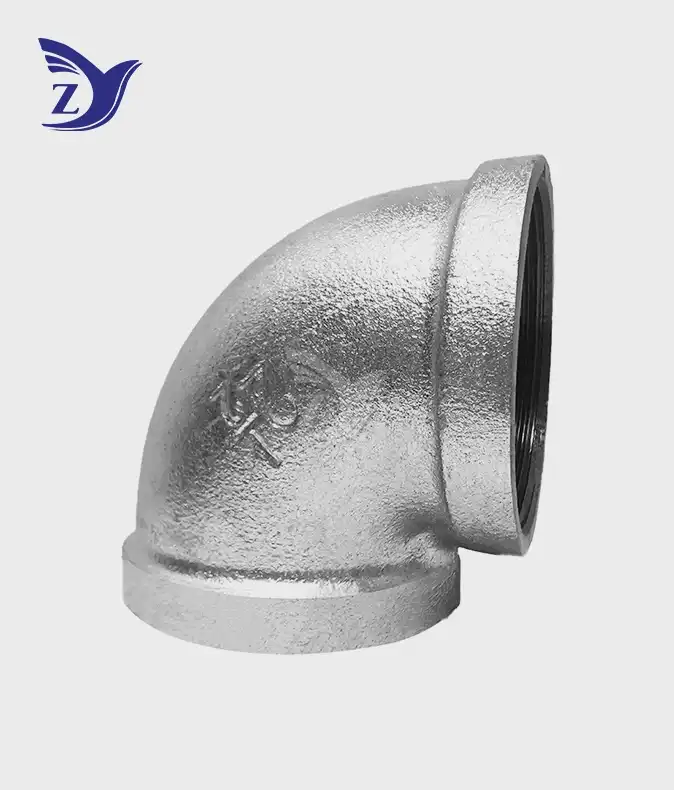
It is very important to know exactly what 90° elbows are made of when selecting square face galvanized 90° square edge elbow pipe fittings for industrial or plumbing uses. A square face galvanized 90° square edge elbow pipe fitting is a special part that is used to turn pipe systems around at right angles while keeping the structure strong and preventing leaks. These fittings are made of malleable iron and have been hot-dip galvanized. They have precision-threaded ends that can be used with either NPT or BSPT standards, and the face has a unique square edge that makes it easier to use a wrench when installing them. The galvanization method gives strong anti-corrosion qualities that are needed to move fluids like water, gas, and industrial fluids through square face galvanized 90° square edge elbow pipe fittings.
Understanding 90 Degree Square Edge Elbow Pipe Fittings
What Makes Square Edge Design Different?
"Square edge" refers to the flat, strengthened rim that goes around the connection point of the fitting. This banded pattern makes more touch surface area than beaded elbows with rounded lips. When installing square face galvanized 90° square edge elbow pipe fittings, pipe wrenches work better against a square edge because they don't slip. This is very helpful when adding the right amount of torque to make sure the threads connect properly. This improvement to the structure also spreads mechanical stress more evenly across the fitting body. This makes it less likely that the hub will break when high installation forces are applied.
Material Composition and Galvanization Process
The basic material for these elbow joints is iron that can be shaped. The casting goes from being brittle white cast iron to a ductile structure that can handle contact and thermal expansion without cracking through controlled heat treatment methods. The hot-dip galvanization bath covers the whole fitting with a thick layer of zinc, which usually goes beyond the normal levels of rust resistance. This temporary zinc layer keeps the iron below from oxidizing, which is especially helpful in damp places, along the coast, or in systems that move acidic fluids.
Thread Standards: NPT and BSPT Compatibility
Thread standards determine how well they close and how well they work with other countries' systems. National Pipe Taper (NPT) threads have an angle of 60 degrees and are still the most common type used in North American markets. The British Standard Pipe Taper (BSPT) uses a 55-degree thread angle, which makes a different way of closing. Both methods use narrowing threads that stick together when they are tightened. This creates a mechanical seal that works well in many situations without the need for extra gaskets. Because the shape is tapered, as the fitting pressure goes up, the threads get tighter, making square face galvanized 90° square edge elbow pipe fittings less likely to leak.
Benefits and Applications of Galvanized Square Face 90° Elbow Fittings
Corrosion Resistance in Demanding Environments
When you hot-dip galvanize something, the zinc and iron make a stronger bond than when they are painted or electroplated. When zinc paint is wet, it oxidizes more quickly and creates a protective patina that stops further rusting. Because of this, square face galvanized 90° square edge elbow pipe fittings are perfect for setups outside, networks of pipes that are buried, and systems where condensation is common. This longevity is especially helpful for fire safety systems because sprinkler lines can stay dry for long amounts of time even when they are exposed to air humidity.
Mechanical Strength for High-Pressure Systems
When you combine the malleable iron base with the reinforced square edge form, you get very high pressure values. In normal setups, these fittings can handle working pressures of up to 300 PSI. Some specifications are rated for higher levels. The flexibility of the material means that when shock loads are applied, the fitting will only slightly bend instead of breaking in a huge way. This is important for safety reasons when systems are moving dangerous materials or working in areas prone to earthquakes.
Industry-Specific Applications
These bends are important for industrial HVAC systems because they let steam, cold water, and refrigerant lines go through complicated equipment rooms with limited space and need to change directions precisely. Because pipes in HVAC systems constantly grow and contract, they need parts that can keep their seals even when the temperature changes. Square face galvanized 90° square edge elbow pipe fittings are used in distribution networks, chlorination systems, and backwash pipes by municipal water treatment facilities because they are resistant to rust and reliable mechanically. These parts are used in petrochemical plants for low-pressure process links, instrument air lines, and utility pipe systems because they are compatible with different industrial fluids.
One major area of application is fire prevention engineering. Fittings for sprinkler systems need to be able to work reliably for decades without any upkeep, not rust from standing water, and not leak at all during emergency flow circumstances. The square edge design makes it easier to install correctly, even in tight ceiling areas where workers can't get to all of their tools.
Installation and Handling Guide for Galvanized Square Edge Elbows
Pre-Installation Preparation
Preparing the threads correctly keeps installation issues from happening and guarantees the seal will last for a long time. Prior to putting square face galvanized 90° square edge elbow pipe fittings together, check the threads for damage from shipping, dirt, or manufacturing flaws. Use a wire brush to clean male threads and get rid of any free zinc bits or other dirt. Choose the right thread sealant, like PTFE tape for water uses or pipe dope made for the fluid being moved. When you use tape, wrap it in the direction of the thread spin so that it doesn't come apart while you're installing it.
Alignment and Torque Application
Before using tools, thread contact should be checked by hand to make sure everything is lined up correctly. Cross-threading breaks the threads on both the fitting and the pipe in a way that can't be fixed, which leads to leaks right away. Place the elbow in the desired position, and then use two wrenches to tighten it. One wrench will hold the pipe piece above it in place, while the other will turn the fitting. The square edge makes it easy to hold on to, but too much force can break the fitting body. Tighten until the resistance you feel when you touch it gets noticeably higher. For NPT connections, this is usually 1.5 to 2 full turns past hand-tight.
Protecting Galvanized Coating During Installation
The zinc layer only stops rusting when it is whole. Pipe blades and threading dies should not be used directly on square face galvanized 90° square edge elbow pipe fittings because they remove the protective layers. If changes need to be made in the field, cover any open areas with zinc-rich paint to make them safe again. When welding close to galvanized fittings, heat can evaporate the zinc layer, leaving holes in the defense against rust. To keep the purity of the galvanization, keep enough space between welding areas or use heat screens.
Maintenance and Inspection Protocols
Visual checks done once a year find early signs of rust before they cause the system to break down. Look for white rust, which is a powdery form of zinc oxide that means rusting is happening. Check for tears at threaded joints, which means the seal is breaking down. Pressure test systems on a regular basis according to the rules that apply. To keep track of service life trends across your building, write down where square face galvanized 90° square edge elbow pipe fittings were installed, when they were installed, and what was found during inspections.
Conclusion
To choose the right square face galvanized 90° square edge elbow pipe fittings, you have to balance performance needs, weather conditions, and buying factors. Because they are made of high-strength, pliable iron, and have precision-engineered threading, square face galvanized elbows have been shown to be reliable in a wide range of situations. The reinforced square edge shape makes fitting easier and improves the strength of the structure. Procurement pros make sure that the parts they buy for their projects don't leak and last for decades by checking the material approvals, dimensional tolerances, and seller references. Square face galvanized 90° square edge elbow pipe fittings are the best choice for water distribution, fire protection, HVAC, and industrial plumbing systems because they are durable, don't cost too much, and work with a lot of different types of pipes.
Partner with a Trusted Square Face Galvanized 90° Square Edge Elbow Pipe Fitting Manufacturer
Since 2006, Zhiyuan Malleable Steel has been providing high-quality square face galvanized 90° square edge elbow pipe fittings to fire protection companies, local building firms, and industrial sites around the world. Our 30,000-ton annual production capacity can handle both big projects that need thousands of parts and smaller orders with unique needs. A lot of quality control checks are done on every square face galvanized 90° square edge elbow pipe fitting. This includes checking the thread size, testing for air leaks, and looking at how the galvanization sticks to the elbow. Our manufacturing methods are backed by ISO 9001, CE, UL, and FM certifications, which means we can promise that the parts we make will meet foreign standards. Our Shanxi facility keeps a wide range of sizes in stock, so normal specs can be delivered within two hours. Email our tech team at q1236800000@gmail.com to talk about the needs of your project, get material certifications, or get bulk prices for your next square face galvanized 90° square edge elbow pipe fittings purchase.
FAQ
How does galvanization protect pipe fittings from corrosion?
Hot-dip galvanization creates a metallurgical bond where zinc and iron atoms intermix at the interface. Zinc primarily oxidizes when it comes in contact with oxygen and water, creating zinc oxide and zinc carbonate layers that stop further processes. Because of this sacrificed defense, the zinc covering rusts instead of the iron underneath. Even if cuts reveal the base metal, the zinc around square face galvanized 90° square edge elbow pipe fittings protects it from corrosion through electrochemical processes, keeping rust from forming in the damaged areas.
What distinguishes square face elbows from beaded designs?
Square face galvanized 90° square edge elbow pipe fittings have a flat, rectangular reinforcement band at the connection hole. This makes it easier to use a wrench and spreads the mechanical stress over a bigger area. Beaded elbows have rounded lips that make it harder to hold a wrench securely and put more stress on fewer contact points. The square edge design can handle more mounting force without the hub cracking, which makes it better for high-pressure systems that need strong sealing.
Can I connect galvanized elbows to stainless steel piping?
When square face galvanized 90° square edge elbow pipe fittings and stainless steel are directly connected, galvanic corrosion cells are made when an electrolyte (water) connects the two different metals. When electric fluids are moved through a system, the galvanized fitting becomes anodic and corrodes faster. When you want to join these materials, use dielectric unions or isolation fits with gaskets and covers that don't conduct electricity. This stops electricity from flowing between metals while keeping the mechanical link strong.
References
1. American Society of Mechanical Engineers. (2021). ASME B16.3: Malleable Iron Threaded Fittings - Classes 150 and 300. New York: ASME Press.
2. ASTM International. (2020). ASTM A153/A153M-20: Standard Specification for Zinc Coating (Hot-Dip) on Iron and Steel Hardware. West Conshohocken: ASTM International.
3. International Organization for Standardization. (2019). ISO 5922: Malleable Cast Iron - Specifications. Geneva: ISO Central Secretariat.
4. National Fire Protection Association. (2022). NFPA 13: Standard for the Installation of Sprinkler Systems. Quincy: NFPA Publications.
5. Smith, J.R., & Thompson, M.L. (2018). Corrosion Resistance of Galvanized Pipe Systems in Municipal Applications. Journal of Materials Engineering and Performance, 27(4), 1842-1856.
6. Williams, D.K. (2020). Threaded Pipe Connection Technology: Design, Installation, and Maintenance. Boston: Industrial Press Incorporated.
Online Message
YOU MAY LIKE
High quality furniture manufacturer
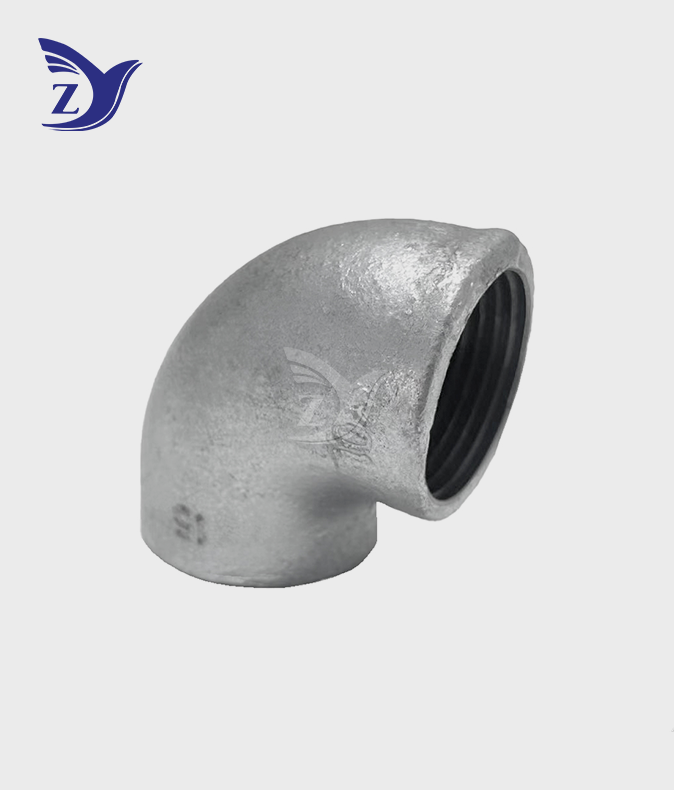
No Hub Hot Dip Galvanized 90° Elbow Pipe Fitting
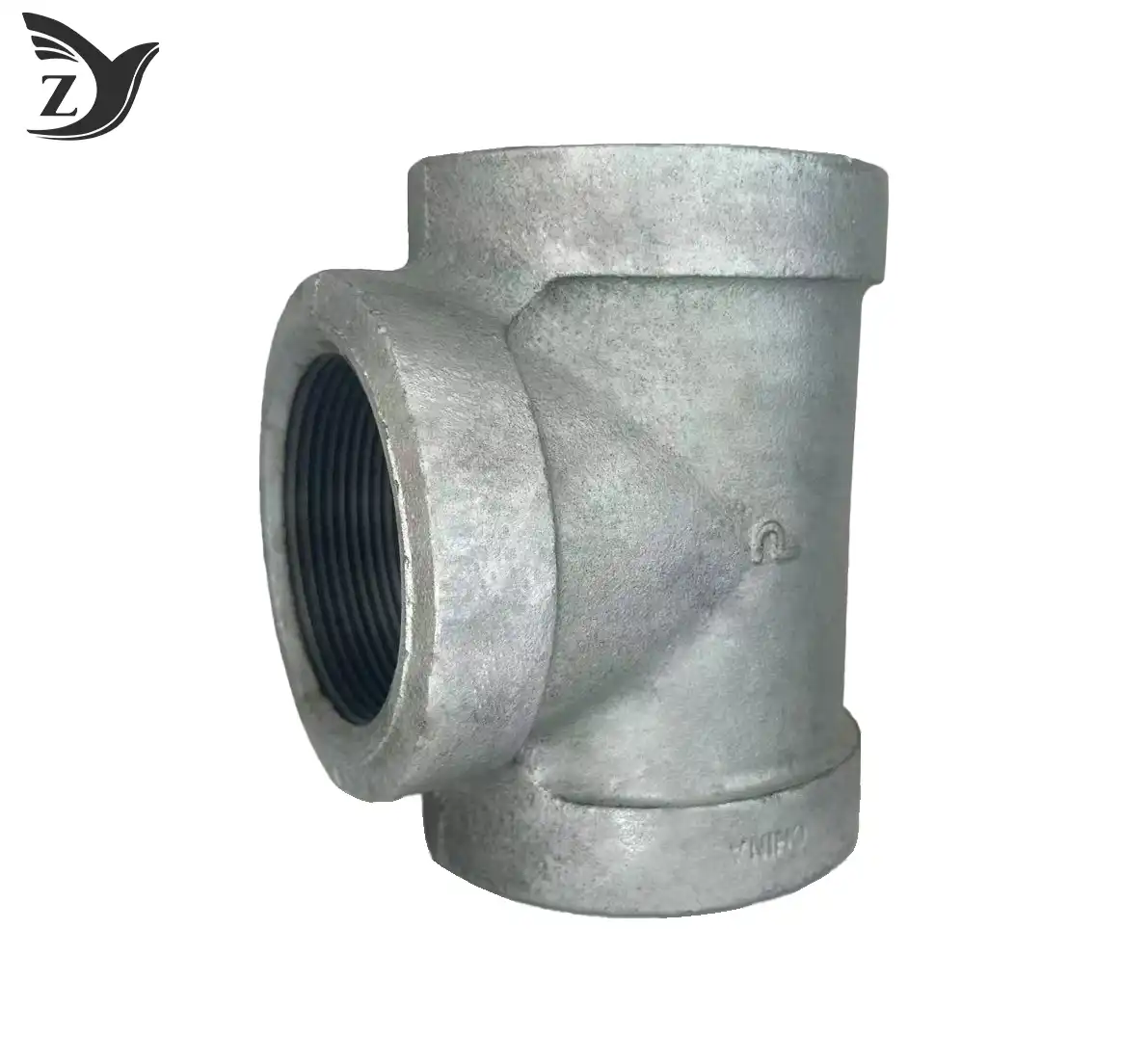
Class 300 Hot Dipped Galvanized Malleable Iron Equal Tee
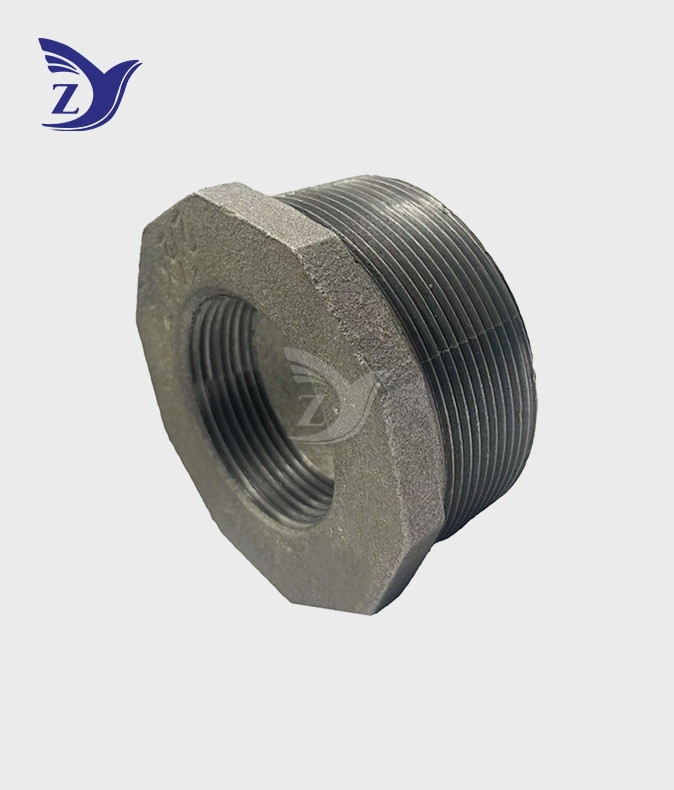
BSPT Black Malleable Iron Bushing
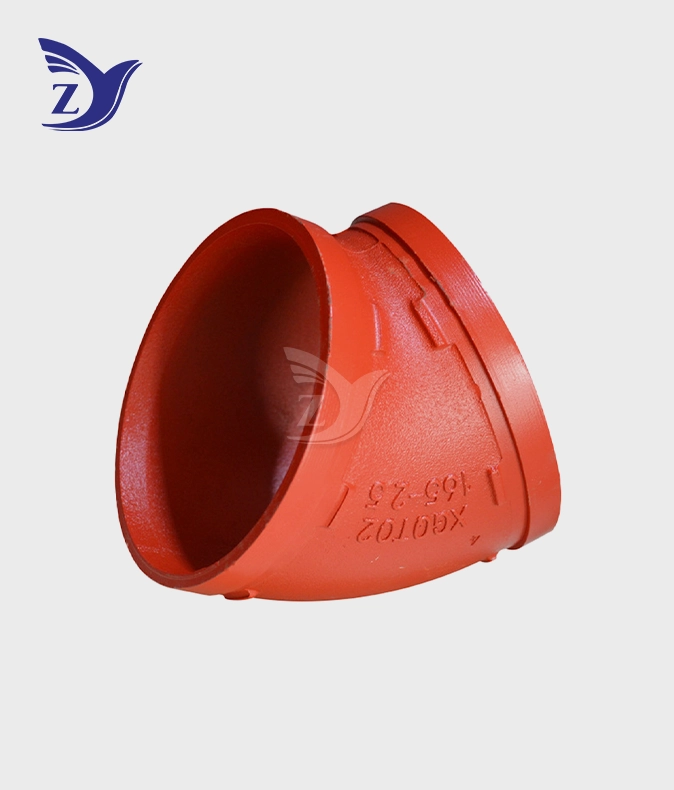
Fire Grooved 45° Elbow
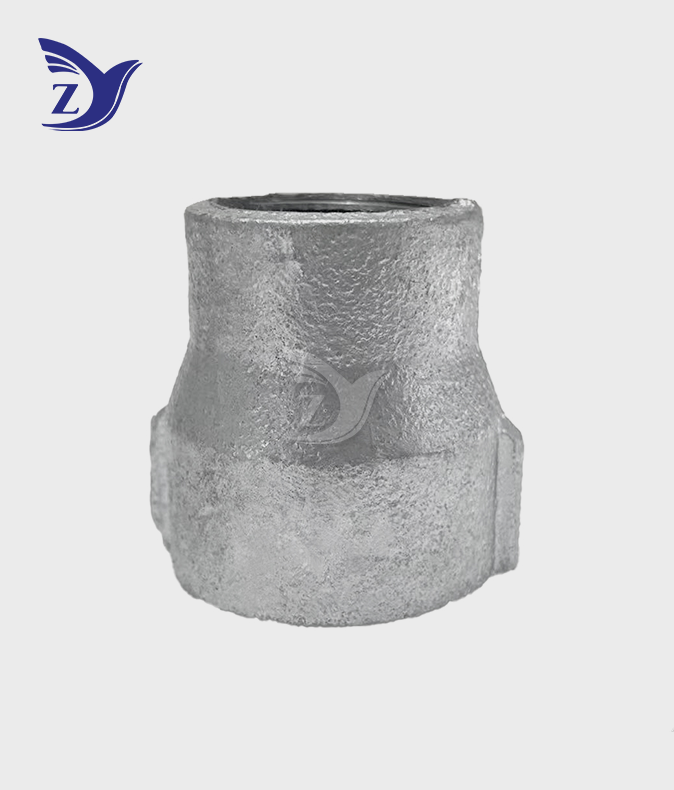
No Hub Electro Galvanized Reducing Coupling Pipe Fitting
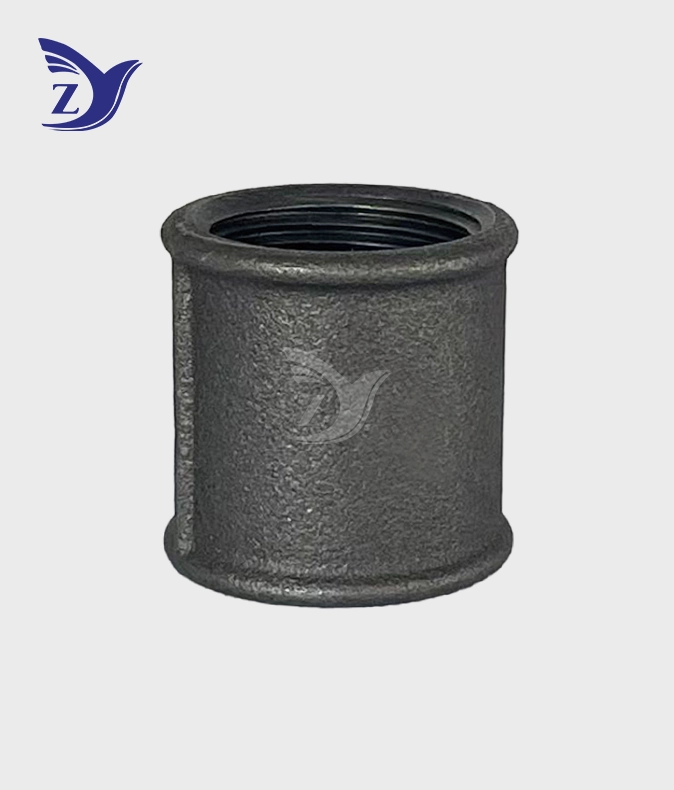
NPT Black Round Face Coupling Pipe Fittings
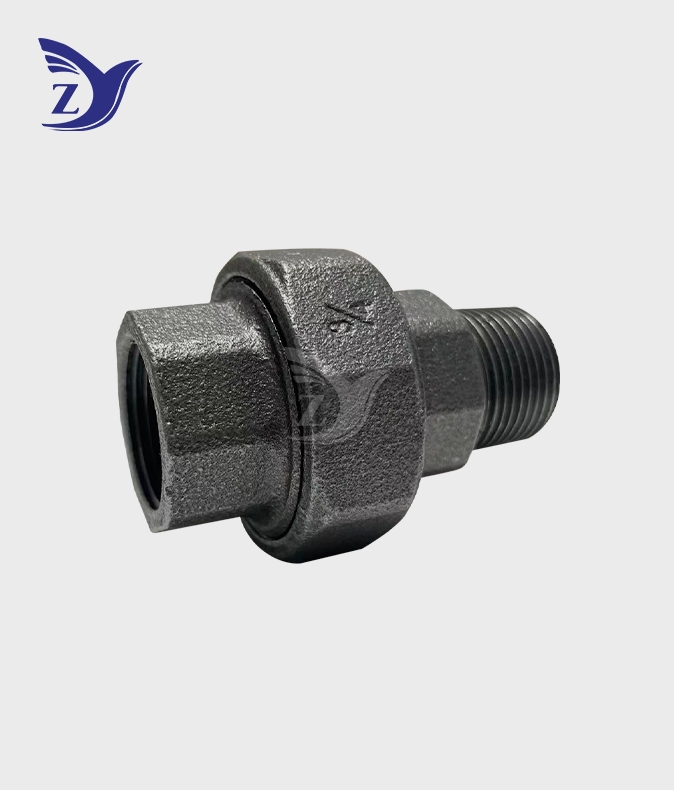
NPT Black Male-Female Union 331 Pipe Fittings
Fire Grooved Blind Flange