
Sep 4, 2026
45 Degree Elbow vs 90 Degree: Which Fitting Is Best?
When selecting the right pipe elbow fitting for industrial piping systems, the choice between 45-degree and 90-degree angles significantly impacts both operational efficiency and long-term cost management. A 45-degree elbow typically reduces pressure loss and minimizes turbulence, making it ideal for applications where flow velocity and energy conservation are priorities. Conversely, a 90-degree elbow offers compact directional changes in space-constrained installations but may introduce higher resistance. The optimal selection depends on fluid characteristics, system layout, and pressure requirements—factors that wholesale distributors must evaluate carefully to maximize profit margins and minimize downstream returns.
Introduction
Industrial piping is very complicated, so choosing the right parts is very important, especially for directional fittings. Elbow fittings are the most important part of a well-designed pipeline because they make it easy for water, gas, and oil networks to connect. The choice between 45-degree and 90-degree bends isn't just a matter of mathematics; it has real effects on flow, installation costs, and the life of the system. We know that downstream clients are very picky about quality and prices when it comes to building materials wholesalers and buying managers. This detailed guide looks at the technical and business differences between these two types of fittings. It gives you useful information to help you make better decisions about your inventory, lower the number of returns, and gain a competitive edge in volatile markets. Understanding these differences is important whether you are sourcing for municipal infrastructure or OEM machinery. It will help you make more money and keep your customers happy.
Understanding Elbow Fittings and Their Applications
Elbow fittings are very important because they change the flow of fluids in pipe networks. These parts work with layout limitations and keep the system's purity in a wide range of fields, from treating local wastewater to processing petrochemicals. Material choice is very important for effectiveness. You can choose from corrosion-resistant stainless steel to inexpensive iron that can be shaped.
Core Functions of Directional Fittings
Pipe elbow fits solve basic problems in pipeline engineering by helping designers get around hurdles, make the best use of space, and keep flow rates as planned. These connections handle stresses caused by thermal expansion and make it easier to get to repair places in complicated setups. The angle of direction change is directly related to calculations for pressure drop and pump sizing needs. These are technical factors that affect end users' total cost of ownership.
Material Properties and Industrial Standards
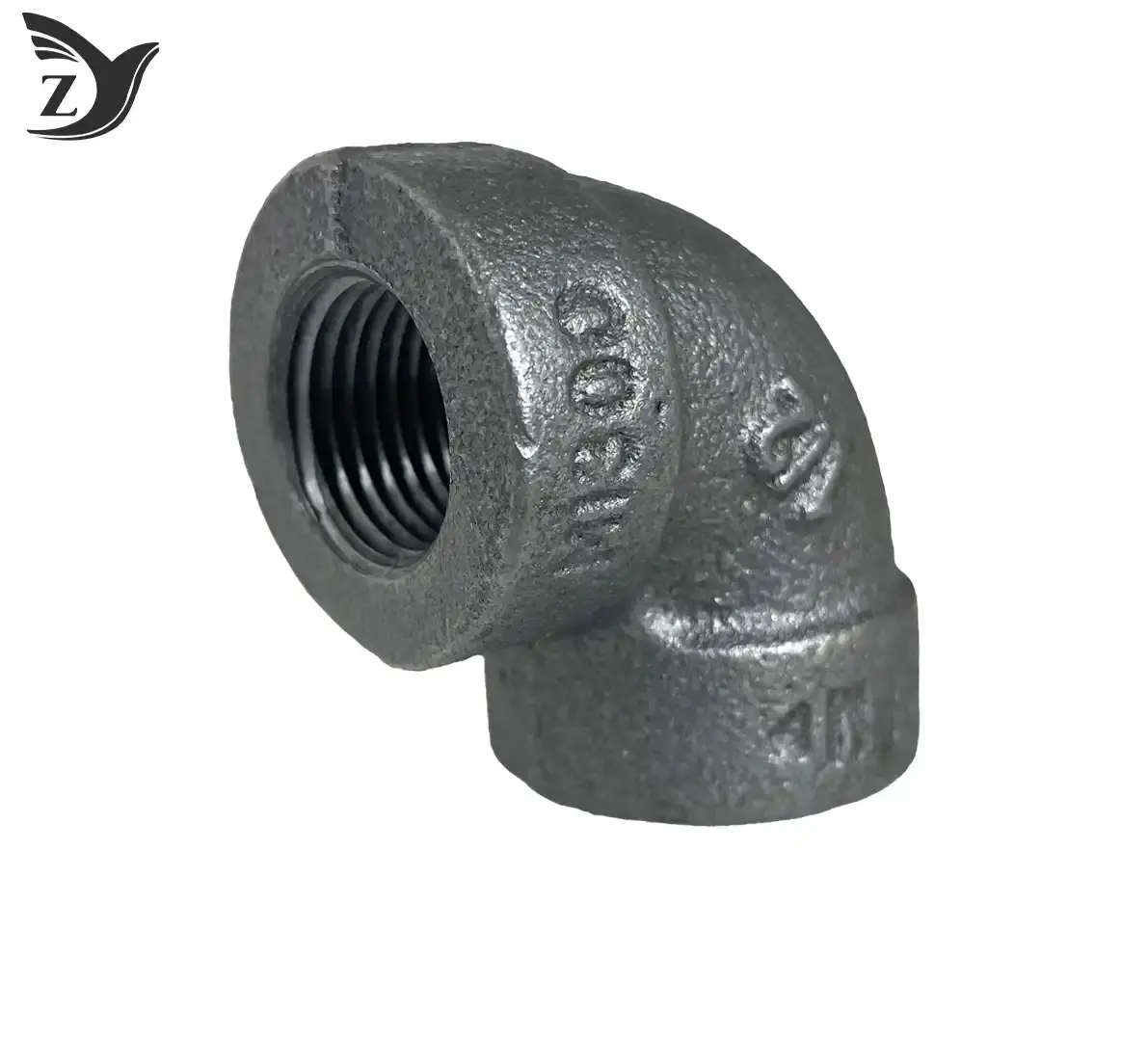
Hot-dipped galvanized coats on bendable iron elbows make them very durable in corrosive settings, meeting ISO 9001 quality standards. The galvanization process adds a zinc coat that keeps rust from forming and increases the service life in wet or chemically harsh environments. Precision fitting makes sure that joints meet NPT and BSPT standards and don't leak. This cuts down on installation time and prevents costly callbacks. These features of the material directly address distributors' worries about the quality stability of bulk packages, where even small flaws can lead to expensive return logistics.
Application Scenarios Across Industries
In water distribution networks, 45-degree elbows are often used to make gradual pipeline transitions. In gas transmission networks, 90-degree configurations are used for meter assemblies and valve connections. Threaded malleable iron fittings are useful for factories because they can be changed in the field without the need for special welding tools. Which angle to use depends on the installation room that is available, the flow rates that are needed, and how easy it is to do upkeep. Wholesalers must make sure that downstream contractors and technicians understand these factors.
Critical Comparison: 45-Degree Elbow vs. 90-Degree Elbow Fittings
The difference in hydraulic performance between 45-degree and 90-degree curves comes from basic rules of fluid dynamics. When the way changes quickly, there is a lot more flow disruption, which can be seen in how much energy is used and how parts wear out. These technology differences have real-world effects on how well the system works and how much it costs to run.
Flow Dynamics and Pressure Loss
Fluid mechanics research published by the American Society of Mechanical Engineers says that a pipe elbow fitting with a 45-degree angle creates 30–40% less turbulence than an elbow with a 90-degree angle. This lower resistance means that it costs less to pump and there is less wear and tear on the inside of the fittings. When defining gentler angles, systems with multiple direction changes experience increasing efficiency gains, especially in high-speed uses going over 10 feet per second. When big systems pump thousands of gallons of water every day, the difference in pressure becomes financially important.
Space Utilization and Installation Flexibility
When looking at space needs, we see that 90-degree bends take up less horizontal space but still need enough room for putting together and taking apart. A standard 2-inch bendable iron elbow at a 90-degree angle might stick out 3 inches from the connection point. On the other hand, a 45-degree fitting with the same diameter would reach about 4.5 inches along the angled path. Even though they slow flow, right-angle fittings are often needed in mechanical rooms and underground vaults because of their small footprint. On the other hand, gradual changes that improve hydraulic performance without limiting access are good for open pipe runs.
Durability Under Varying Operating Conditions
Patterns of stress accumulation are very different at different elbow angles. Because 90-degree fits have a sharper bend radius, they create stress places that can crack when temperatures or pressures change. This weakness is lessened by high-strength malleable iron building, which makes the material more flexible so it can bend without breaking. Hot-dipped galvanized coatings protect both types of fittings from rust in the same way. However, in very aggressive conditions, the larger surface area of 45-degree elbows may be slightly better. When made to the same specifications, pressure ratings stay the same across angles. For example, 150–300 PSI working pressure is typical for malleable iron fittings, depending on their size and wall thickness.
How to Choose the Best Elbow Fitting for Your Project?
When choosing a strategic fitting, you need to carefully look at the factors that are unique to the project and how they affect both the initial installation costs and the costs over the product's lifetime. Distributors with a wide range of customers need to keep a deep collection of products in a number of different combinations and teach customers how to choose the right specs for their needs.
Matching Fittings to System Requirements
Think about a job to fix up a city's water main that needs to change directions dozens of times along a 500-meter stretch. In this case, selecting 45-degree NPT square-edge galvanized malleable iron elbows lowers the total amount of pressure loss while keeping the underground connections resistant to corrosion. Because the connections are precision-threaded, they can be put together quickly without affecting the integrity of the seal. This is helpful for public works contracts that have tight construction schedules. On the other hand, small pump stations with vertical lift configurations need 90-degree fittings to get around the tight spaces between the equipment supports and the pipes above.
Cost-Performance Analysis for Bulk Procurement
According to wholesale price systems, 45-degree fittings usually cost 5–15% more than 90-degree units because they require more material and are harder to make. This upfront difference has to be weighed against the energy saves that come from not having to pump as much. If a business building's chilled water system moves 200 GPM of water around, the extra cost of adding it might be paid for by lower electricity bills in 18 months. To figure out how much these saves are, procurement managers should ask engineering consultants to do thorough flow modeling. This way, they can make sure that bulk purchases are in line with total cost optimization rather than just unit price minimization.
Regulatory Compliance and Certification Verification
International building codes and industry standards say which types of fittings should be used for which tasks. Fittings that meet ANSI/ASME B16.3 standards are often required by natural gas distribution systems. These standards set the size limits and pressure values for threaded parts made of malleable iron. CE and UL licenses give goods that are going to be sold in Europe and North America extra security. Distributors need to make sure that the manufacturer's paperwork confirms that the products meet the requirements of the destination market. This keeps expensive shipments from being rejected and protects the company from liability from products that don't meet the requirements.
Installation and Maintenance Tips for Elbow Fittings
Using the right installation methods has a direct effect on how long fittings last and how reliable the system is. Components of the highest quality can break early if they are handled incorrectly or sealed incorrectly. These best practices keep warranty claims to a minimum and help distributors build their names for expert know-how.
Correct Threading and Sealing Methods
When applying thread sealant to a pipe elbow fitting, you have to find the right balance between enough covering and too much material that could get in the way of fluid flow. Installers with a lot of experience put on PTFE tape in the direction of thread rotation. They usually wrap two to three layers around the threads, avoiding the first two threads to keep tape shreds from getting into the system. Pipe dope compounds are useful in high-temperature situations, but they need to be carefully chosen to make sure they don't react chemically with the fluids being sent through the pipe. To make sure that seals are compressed without twisting threads or breaking the fitting body, the torque should be set according to the manufacturer's instructions. For iron fittings, this is usually 1.5 times the standard pipe diameter in foot-pounds.
Preventing Common Installation Errors
Cross-threading is still the most common installation mistake. It happens when fittings push too hard on threads that aren't lined up right. This damage makes the seal less reliable and the structure less strong. Leaks usually show up only after the system is pressurized. This type of failure can be avoided by using the right alignment tools and turning the threads by hand for a few turns before using wrenches. Another big mistake is trying to stop small leaks by over-tightening, which makes leaks worse by crushing seal materials or breaking fitting shoulders. Instead of applying more torque, the right way to fix an initial leak is to take it apart, check for debris or damage, and then put it back together correctly.
Proactive Maintenance Strategies
Visual checks for signs of corrosion, like rust stains or zinc covering wear, should be part of routine inspection plans. Fittings made of malleable iron that still have their galvanized sides do a good job of resisting rust from the air, but any damage that shows the base metal needs to be fixed right away. Cathodic protection systems keep underground installations from corroding electrochemically, which can make them last longer than 50 years in many soil situations. Keeping track of when things were installed and the results of pressure tests lets distributors plan ahead for replacements, which helps them carefully place maintenance stock and take advantage of aftermarket sales possibilities.
Procurement Insights: Buying Elbow Fittings for Bulk and Wholesale Needs
Successful wholesalers know how to handle their relationships with suppliers and the quality control processes that come with them. Those who are having trouble with goods going bad and customer complaints are not. Due to commodity price pressures and different manufacturing standards, the market for malleable iron fittings presents unique challenges when it comes to buying things.
Supplier Evaluation Criteria
When you deal directly with the factory, you avoid the markups that come from middlemen and hurt distributors' profits. When looking at makers, compare their production capacity to the amount of work you need done. Suppliers that are working at 70–85% capacity usually provide the best quality and schedule stability. Shanxi Taigu Zhiyuan Malleable Steel Co., Ltd. is a good example of this balance because it can produce 30,000 tons of steel every year and has over 1,000 product specifications, so it's easy to get everything you need for your inventory in one place. Check to see if the manufacturer is still ISO 9001 certified and uses statistical process control for all of its casting, machining, and galvanizing processes. Ask for salt spray test results from a third party that show the coating meets ASTM B633 standards and protects against premature rust failures.
Negotiating Favorable Commercial Terms
Volume-tiered pricing structures lower unit costs for bigger commitments, but distributors have to weigh these savings against the costs of keeping inventory and the risk of items going out of style. Setting up quarterly purchase agreements with flexible SKU allocation lets you respond to changes in market demand without giving up volume discounts. Working capital needs are greatly affected by minimum order numbers. Look for providers who offer container-load flexibility across a range of specs instead of rigid MOQs per item. Payment terms of 30 to 60 days net match cash outflows with inventory turnover cycles. This lowers borrowing costs that would otherwise cut into direct-sourcing profit gains.
Quality Assurance and Defect Management
By using arriving inspection procedures, problems are found before they reach customers. Using calibrated gauges to check the dimensions confirms the accuracy of the thread pitch and the fitting angle tolerances. Sample pressure testing from each production lot verifies the strength of the structure and the performance of the seals. Manufacturers with a good reputation, like Zhiyuan Malleable Steel, have policies for replacing broken products that keep wholesalers from having to pay for quality problems. However, it's important to know ahead of time what kind of paperwork is needed. Set up procedures for photographing damage reports and separating items so that claims can be processed quickly and with as little trouble as possible for customers.
Conclusion
Picking the right pipe elbow fitting between 45-degree and 90-degree configurations comes down to balancing hydraulic efficiency, space limitations, and cost concerns in a given application. We looked at how 45-degree angles lower pressure losses and turbulence and how 90-degree configurations make it easy to change directions in small spaces. Quality of the materials, especially precise drilling and hot-dipped galvanization, is just as important for long-term performance and customer happiness. Distributors who are at the top of their markets know that their technical knowledge in fitting choices sets them apart from rivals who only care about price. Putting money into supplier relationships with quality-certified manufacturers that deliver consistent specifications across bulk shipments protects profit margins and builds customer loyalty by cutting down on warranty claims and callbacks.
FAQ
1. Can 90-degree elbows be replaced with 45-degree fittings in existing systems?
To make sure that the flow capacity and pressure ratings are right when changing fitting angles, hydraulic analysis is needed. Putting two 45-degree elbows in a row makes the turn look like a 90-degree turn and reduces noise, but it costs more in materials and work to install. Because the geometry of the pipes and the thrust forces have changed, changes may need to be made to the structural support. Before using angle substitutions in pressurized systems, you should talk to mechanical engineers.
2. What pressure limits apply to galvanized malleable iron elbows?
According to ANSI B16.3 standards, standard malleable iron threaded fittings can handle up to 2 inches of pipe with 150 PSI of working pressure. For bigger diameters, the number drops to 125 PSI. These ratings are based on operation at room temperature; higher temperatures lower the pressures that are allowed. Always check that the manufacturer's licenses show that they meet the standards that apply to your particular application.
3. How does material selection affect fitting lifespan in corrosive environments?
Hot-dipped galvanized malleable iron is more resistant to corrosion than black iron because it has a protective zinc coating. The galvanization method creates even layers that stop rust from forming, even when they are wet. Even though stainless steel is more resistant to chemicals, it costs a lot more. When materials are properly matched to the environment, they don't break down too soon and last longer than 25 years in most water distribution applications.
Partner with Zhiyuan Malleable Steel for Your Pipe Elbow Fitting Supply Needs
If you need wholesale pipe elbow fittings, Zhiyuan Malleable Steel can help. They offer factory-direct prices that keep your profit margins high. We have been making precision-threaded NPT and BSPT elbows for 26 years. They come in 45-degree and 90-degree configurations and cover over 1,000 specs from ½-inch to 6 inches in size. Hot-dipped galvanization makes sure that the corrosion resistance meets international standards, and our 30,000-ton yearly capacity makes sure that supply plans stay stable even when demand is high. We keep a lot of standard products in stock so that we can fulfill your just-in-time replenishment needs in just two hours. Double-layer cardboard packing keeps packages safe while they're being shipped internationally, which cuts down on damage claims that hurt profits. Our policy for replacing broken products and our ISO 9001, CE, UL, and FM certifications give your customers the quality assurance they want. For bulk discounts on bendable iron elbow joints for your next container shipping, email our purchasing team at q1236800000@gmail.com.
References
1. American Society of Mechanical Engineers (2019). Fluid Mechanics and Hydraulic Systems: Pressure Loss in Piping Components. ASME Technical Publications.
2. Johnson, R.K. & Martinez, P.L. (2021). Industrial Piping Systems Design and Materials Selection. McGraw-Hill Professional Engineering.
3. International Organization for Standardization (2018). ISO 9001:2015 Quality Management Systems for Pipe Fitting Manufacturing. ISO Standards Catalogue.
4. Chen, W. & Thompson, D.S. (2020). Corrosion Protection Methods for Ferrous Pipe Fittings in Industrial Applications. Journal of Materials Engineering and Performance, 29(4), 2156-2168.
5. National Association of Pipe Fabricators (2022). Best Practices for Threaded Fitting Installation and Maintenance. NAPF Technical Guidelines Series.
6. Williams, A.J. (2023). Supply Chain Optimization in Building Materials Distribution: A Procurement Perspective. Industrial Distribution Quarterly, 38(2), 112-129.
Online Message